

Today learning is no longer limited to textbooks and classrooms. It is beyond that where students often choose interesting ways to learn.
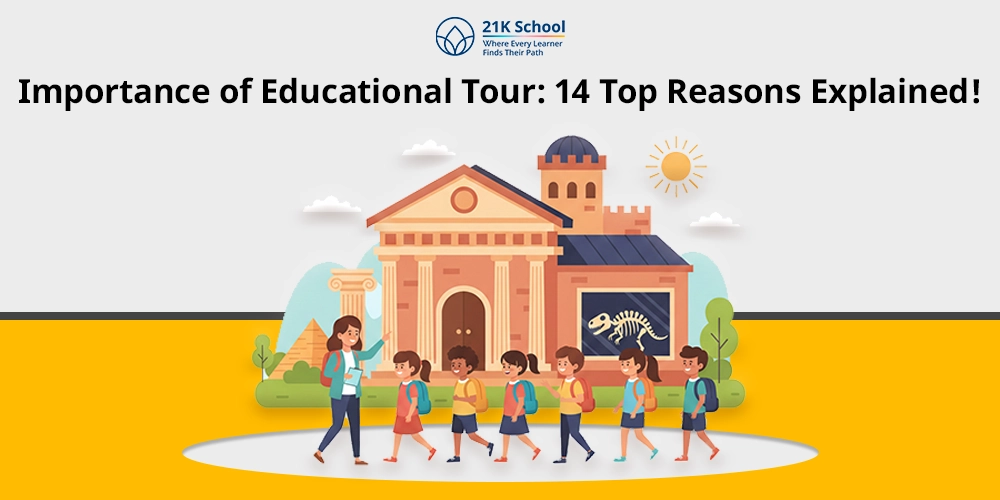
Here comes one of the ideal approaches known as educational tours. It is an opportunity to explore extraordinary learning experiences.
To understand its benefits, we are going to explore the 14 major importance of educational tours in this blog. Let’s begin!
Contents
- 1 What is an Educational Tour?
- 2 14 Importance of Educational Tour
- 2.1 1. Promotes Hands-on Learning
- 2.2 2. Boosting Confidence in Learners
- 2.3 3. Develop Critical Thinking
- 2.4 4. Helps Make Friends and Teamwork
- 2.5 5. Aids in Improving Engagement
- 2.6 6. Building Social Skills
- 2.7 7. Positive Academic Impact with Enhanced Classroom Learning
- 2.8 8. Creating Lifelong Memories
- 2.9 9. Effective Communication Skills
- 2.10 10. Improved Subject Understanding
- 2.11 11. Increase Cultural and Global Awareness
- 2.12 12. Bonding with Classmates and Teachers
- 2.13 13. Career Exploration
- 2.14 14. Real World Exposure
- 3 Conclusion
What is an Educational Tour?
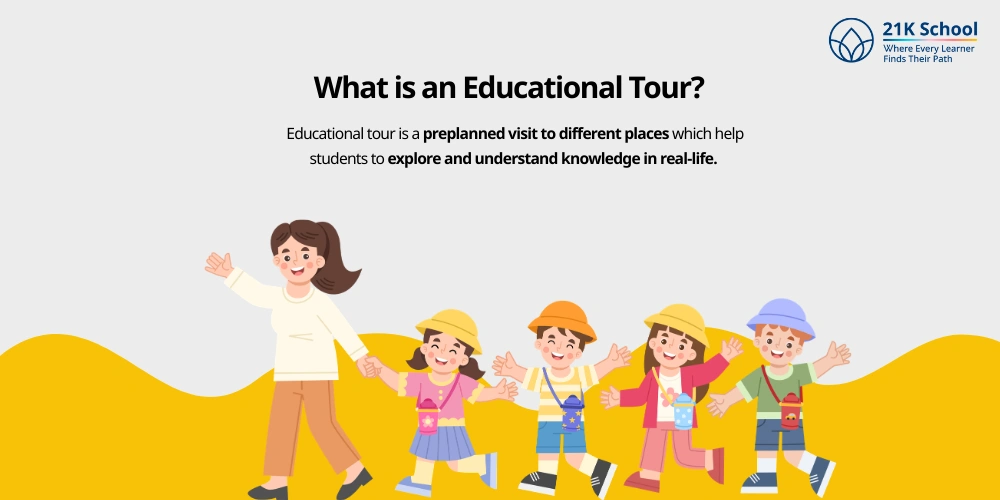
Educational tour is a preplanned visit to different places which help students to explore and understand knowledge in real-life.
It is an ideal way to transform textbook learning into a meaningful and real-world exposure. Educational tours mainly visit to the places like:
- Historical sites
- Museums and science centers
- National parks and wildlife sanctuaries
- Industries and factories
- Cultural festivals
- Science exhibitions etc
14 Importance of Educational Tour
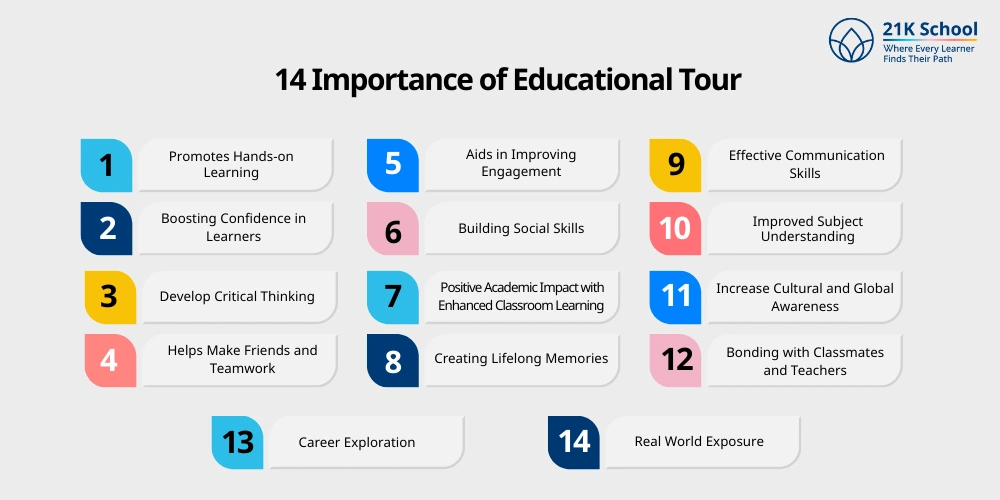
Mentioned points showcase the importance of educational tour in students life:
1. Promotes Hands-on Learning
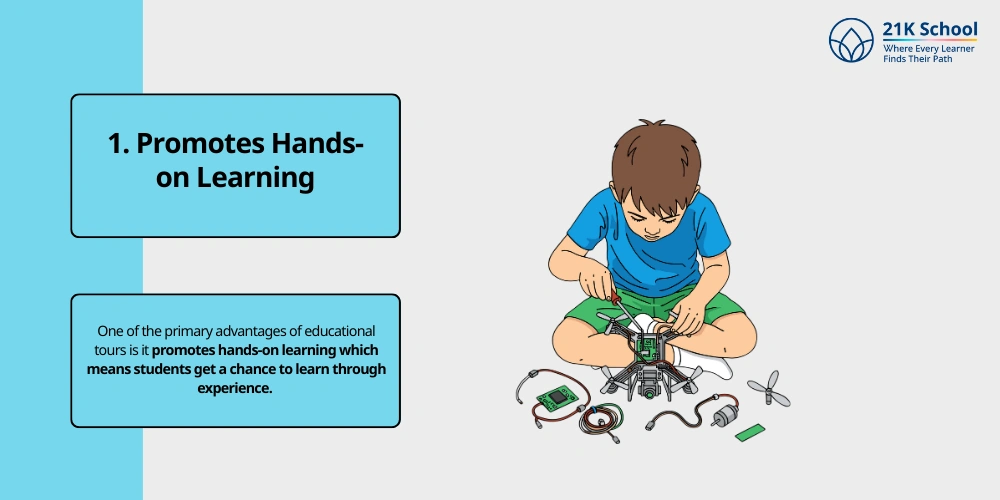
One of the primary advantages of educational tours is it promotes hands-on learning which means students get a chance to learn through experience.
For example, students visit a planetarium or observatory to see constellations in reality instead of simply studying about constellations, making it a form of experiential learning .
2. Boosting Confidence in Learners
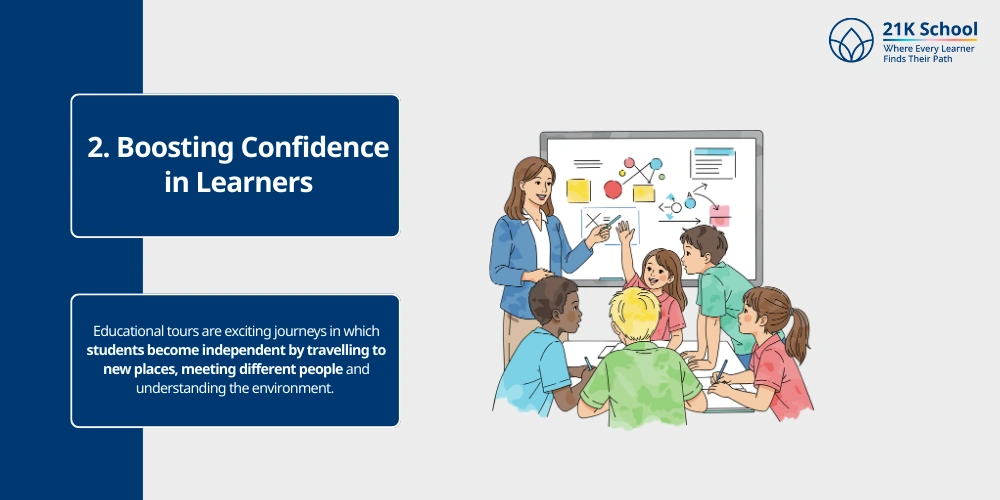
Educational tours are exciting journeys in which students become independent by travelling to new places, meeting different people and understanding the environment.
It is an ideal way in which they learn how to handle their belongings, challenges, and work outside the comfort zone.
All these bring confidence and self-defense and awareness towards society.
3. Develop Critical Thinking
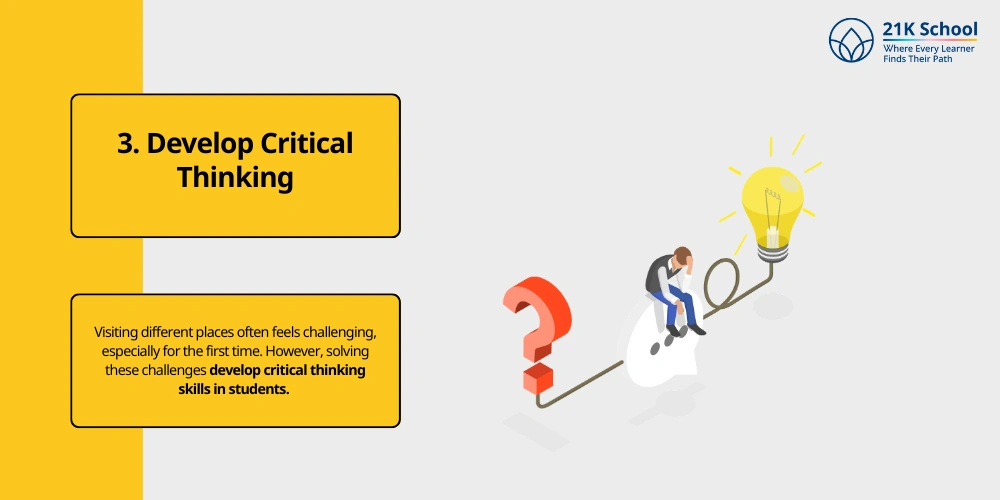
Visiting different places often feels challenging, especially for the first time.
However, solving these challenge develop critical thinking skills in students .
They can also connect with a facilitator or teacher to ask questions and clear their doubts for better understanding.
4. Helps Make Friends and Teamwork
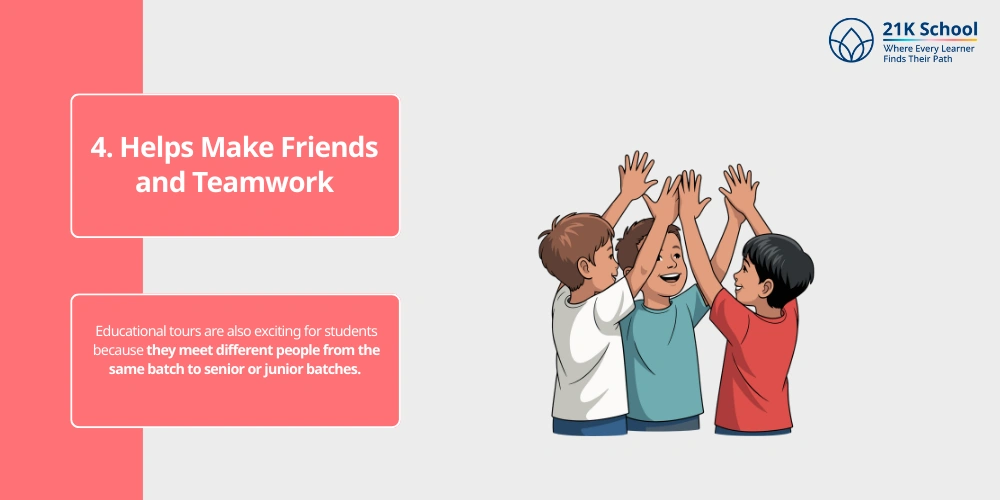
Educational tours are also exciting for students because they meet different people from the same batch to senior or junior batches.
This helps them to make friends and work as a team in different fun learning activities . Some common skills one can develop are:
- Cooperation
- Sharing behavior
- Coordination
- Friendship skills
5. Aids in Improving Engagement
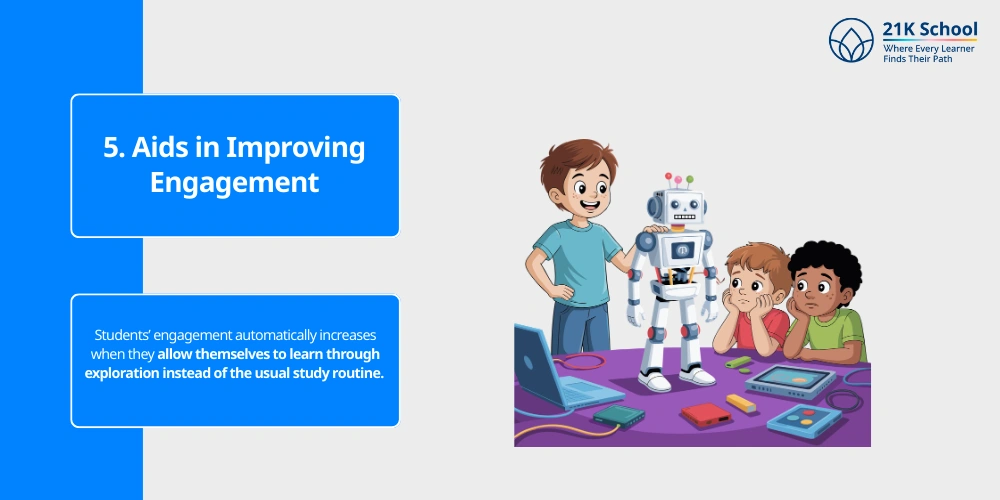
Students engagement automatically increases when they allow themselves to learn through exploration instead of the usual study routine .
They engage through:
- Observation
- Participation
- Interaction
- Exploration
This directly helps them to enhance learning outcomes .
6. Building Social Skills
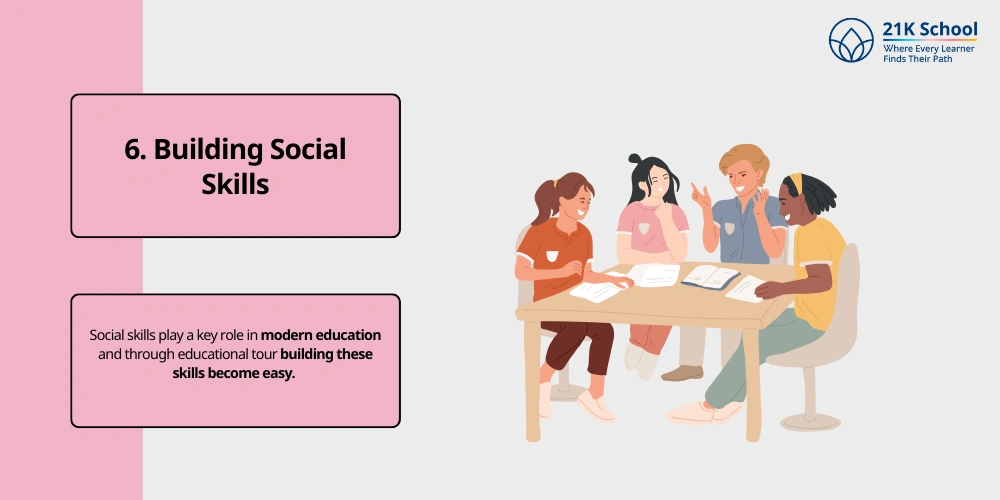
Social skills play a key role in modern education and through educational tour building these skills become easy.
They learn essential social etiquette, respect for others, understanding different perspectives, and communication techniques.
7. Positive Academic Impact with Enhanced Classroom Learning
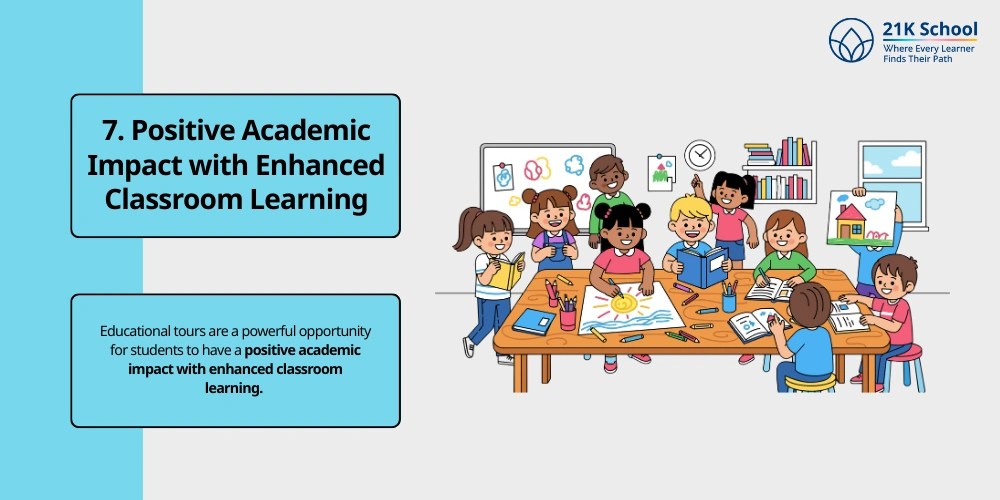
Educational tours are a powerful opportunity for students to have a positive academic impact with enhanced classroom learning .
Some common examples includes:
- A history tour guides students to score better in history lessons.
- A science museum visit for deep understanding of scientific theories.
8. Creating Lifelong Memories
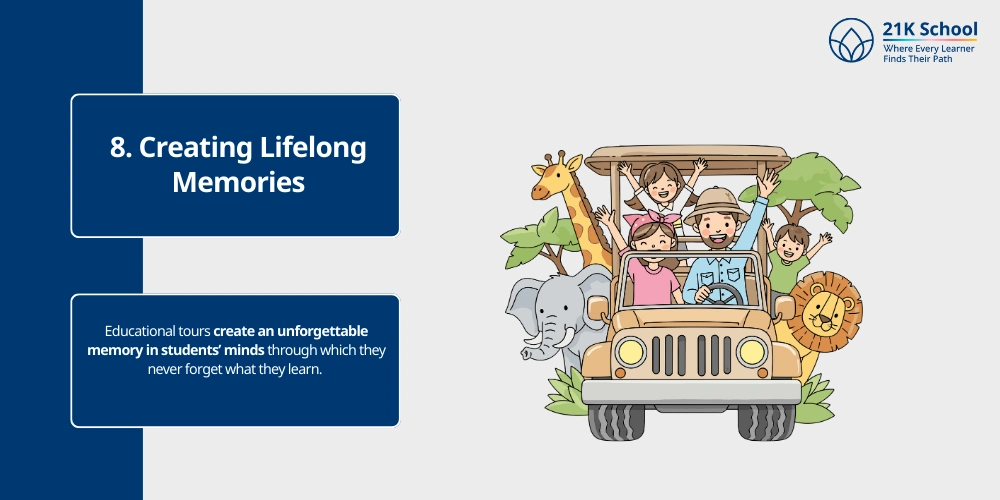
Educational tours create an unforgettable memory in students’ minds through which they never forget what they learn.
These memories help in:
- Strengthening friendships
- Shape individuals personality
- Build emotional resilience
- Foster a lifelong love for learning
9. Effective Communication Skills
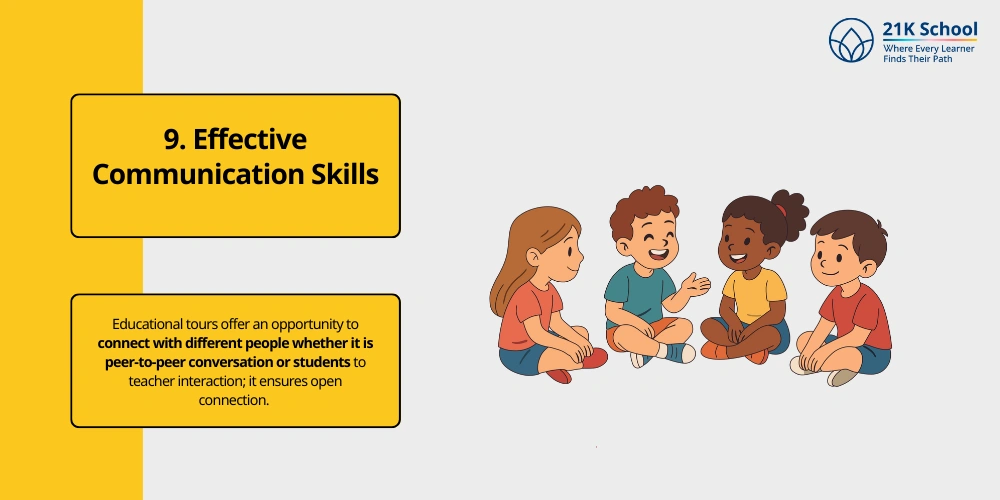
Educational tours offer an opportunity to connect with different people whether it is peer-to-peer conversation or students to teacher interaction ; it ensures open connection.
Effective communication skills are not limited to academic success but also effective for personal growth and development.
10. Improved Subject Understanding
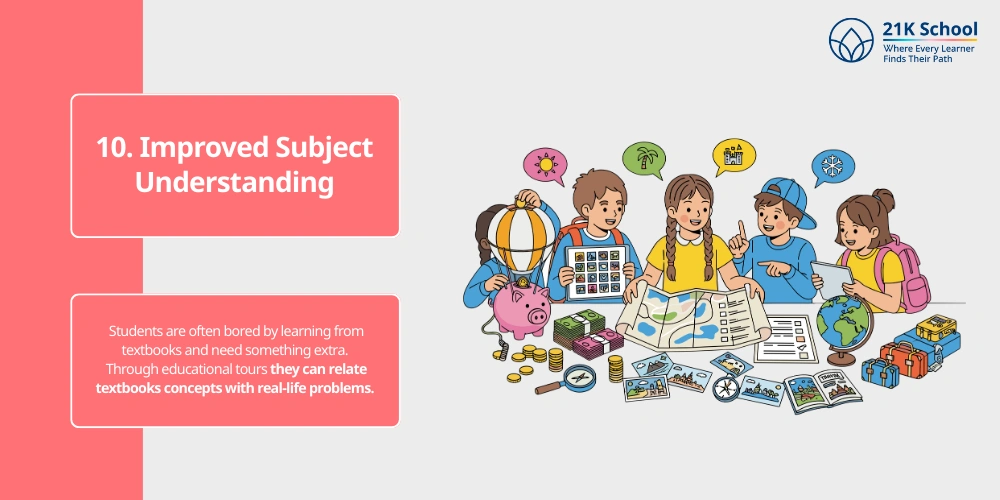
Students are often bored by learning from textbooks and need something extra.
Through educational tours they can relate textbooks concepts with real-life problems.
For example, learning about historical dates, wars etc and visiting history museums to see these statues and learn the information.
11. Increase Cultural and Global Awareness
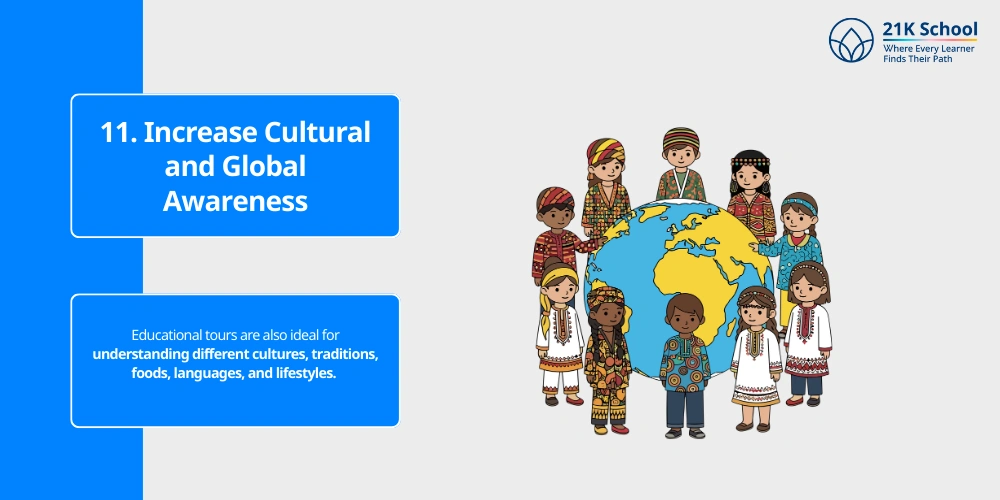
Educational tours are also ideal for understanding different cultures, traditions, foods, languages, and lifestyles.
In this way, students can see the world in different perspectives and increase global awareness.
12. Bonding with Classmates and Teachers
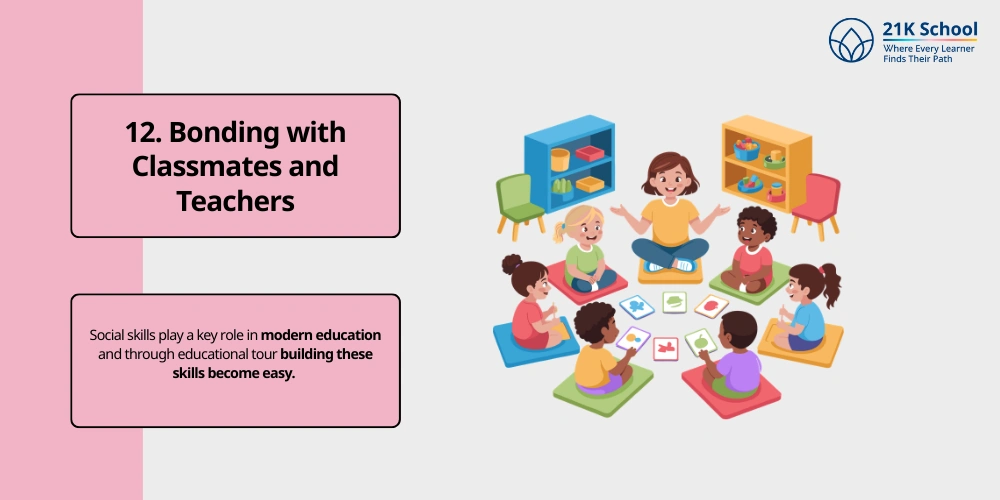
To make a real bond, teamwork in the classroom is good. But, to build a strong parent-teacher and peer relationship , activities like educational tours are ideal.
The shared experience improves:
- Classroom rapport
- Trust
- Comfort
- Cooperation
13. Career Exploration
Students who explore different places often end up in understanding what they really like and want a career in future.
The tour gives students an opportunity to explore different areas which let them choose ideal job roles, required skills, workplace environments etc.
14. Real World Exposure
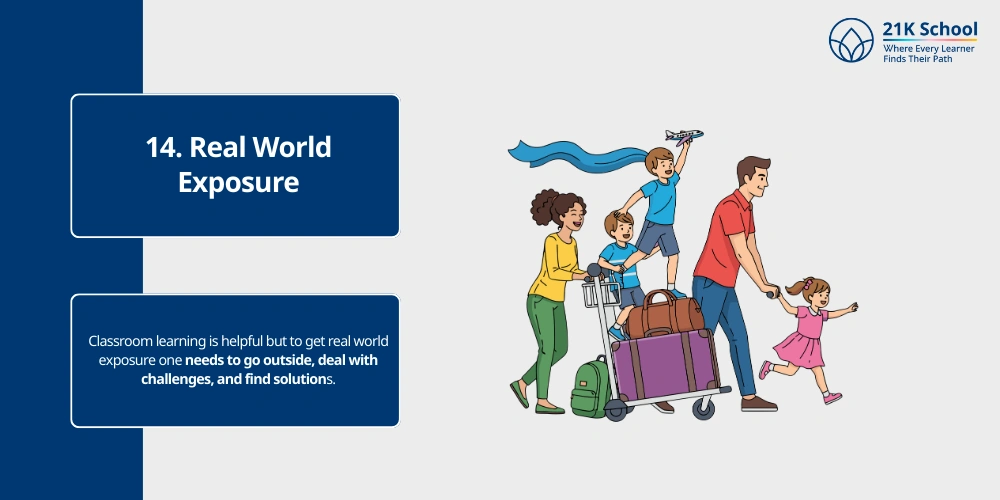
Classroom learning is helpful but to get real world exposure one needs to go outside, deal with challenges, and find solutions.
This will build students confidence , maturity, environment awareness, practical intelligence etc.
Conclusion
Educational tours make learning easy, comfortable, interesting and a powerful approach for students. It is not only beneficial for students but also teachers and facilitators.
It offers opportunities to improve connection and bonding between peers and teachers. And more importantly it is ideal for real world exposure.
Through educational tours students can become curious, confident, culturally aware , and develop essential 21st century skills for future learning.

You may also want to read