

In students’ lives, education is a primary way to become independent and overcome today’s challenges.
But, what if children are unable to get quality education? To avoid such problems, the Right to Education Act is enforced in which needy children get the opportunity of free education.
There are many parents who come from economically weaker sections unable to enroll their children in private schools due to factors like financial crisis.
However, the introduction of the RTE act changed this reality. Now, underprivileged children can also learn in private schools without any obstacles. Let’s learn everything about RTE for Private School.
Contents
What is RTE for Private School?
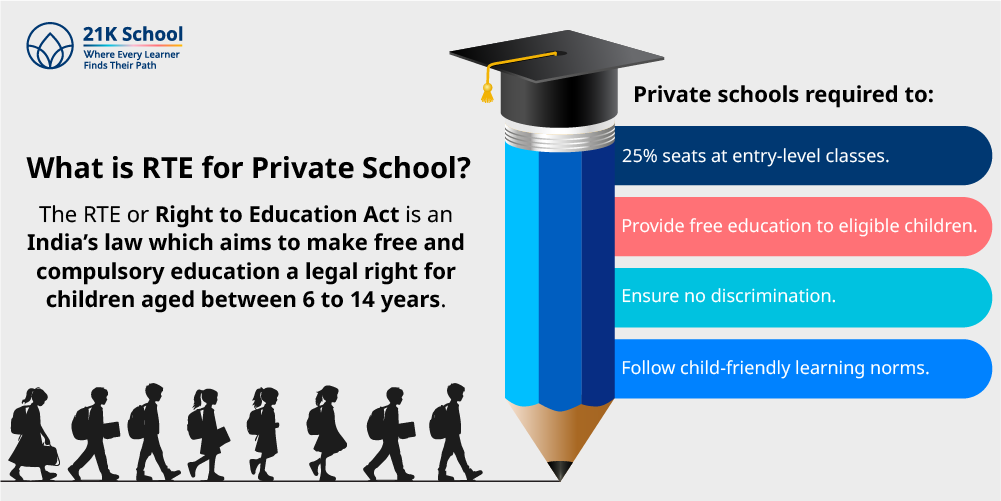
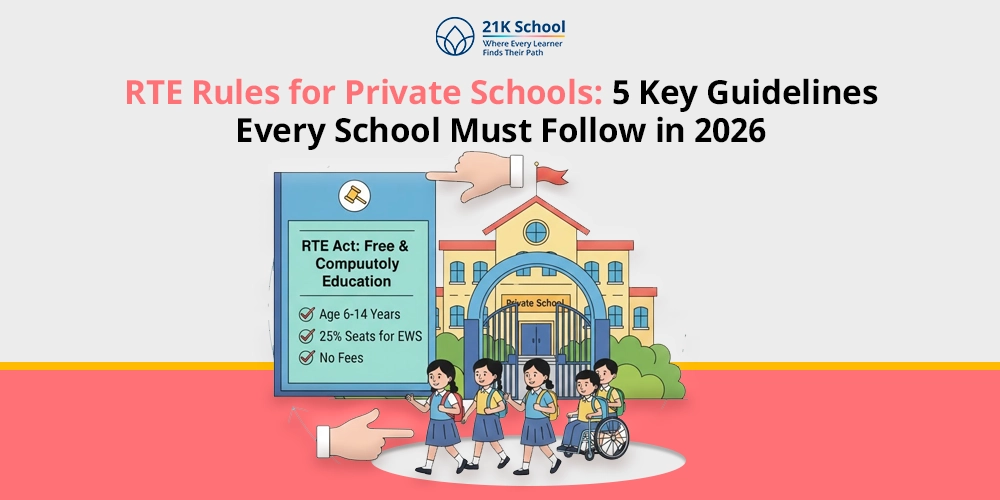
The RTE or Right to Education Act is an India’s law which aims to make free and compulsory education a legal right for children aged between 6 to 14 years.
The act was passed in 2009 which makes sure that children regardless of their socio-economic status have access to quality education.
RTE for private schools are not optional except some exemptions. Private schools required to:
- 25% seats at entry-level classes.
- Provide free education to eligible children.
- Ensure no discrimination.
- Follow child-friendly learning norms.
RTE Rules for Private Schools: 5 Key Rules
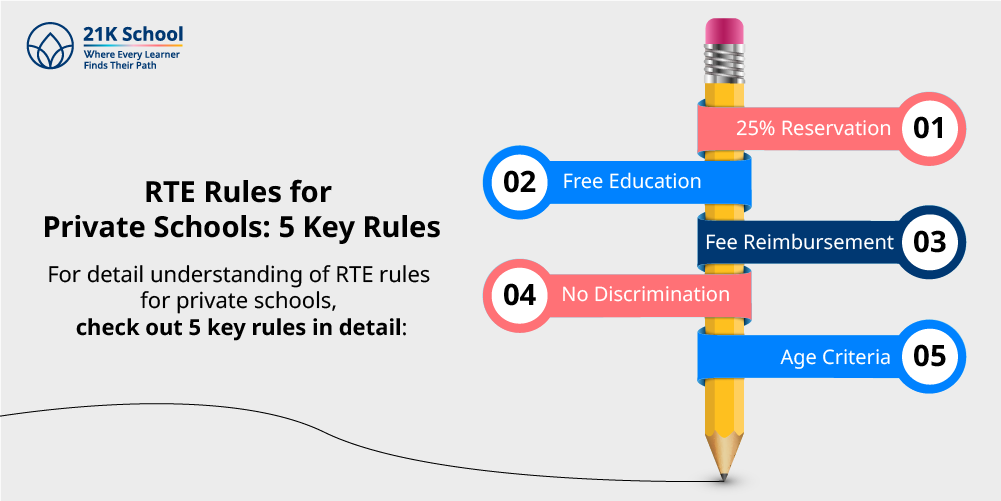
For detail understanding of RTE rules for private schools, check out 5 key rules in detail:
1. 25% Reservation
The 25% reservation rule is most popular among all, which simply means private schools must reserve 25% of seats at entry level classes for EWS/Disadvantaged Groups such as SC/ST/OBC, minorities, disabled children.
In this way, unprivileged students get a chance to make their life better.
2. Free Education
After taking admission under RTE act, students can avail free education. This means private schools not change any amount related to:
- Tuition fees
- Admission fees
- Development fees
- Library fees
- Examination fees
This is ideal to reduce financial burden from parents who can’t afford quality education.
3. Fee Reimbursement
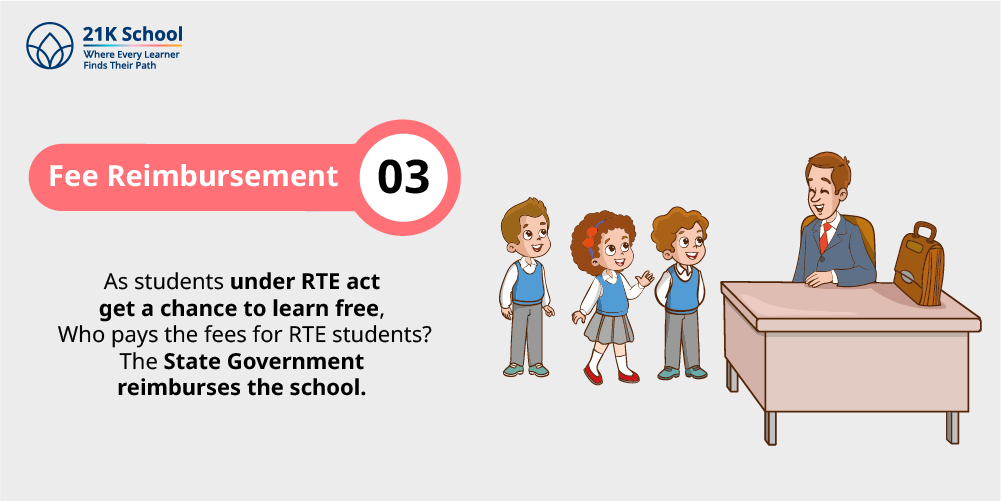
As students under RTE act get a chance to learn free, that doesn’t mean private schools are responsible for money management.
The question is: Who pays the fees for RTE students? The State Government reimburses the school.
This reimbursement is mainly done on the basis of per-child expenditure in government schools or actual private school fee, whichever is low.
4. No Discrimination
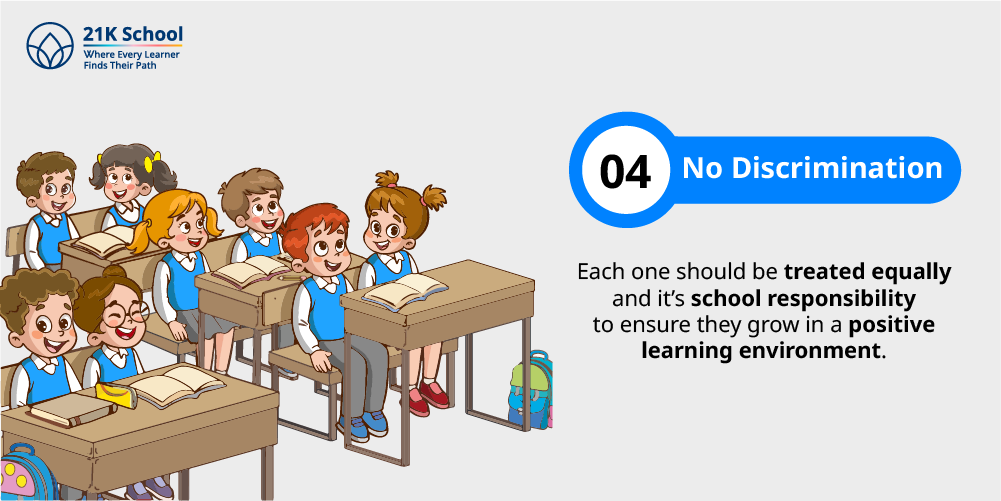
The next RTE rule is no discrimination between students in the classroom.
Each one should be treated equally and it’s school responsibility to ensure they grow in a positive learning environment .
5. Age Criteria
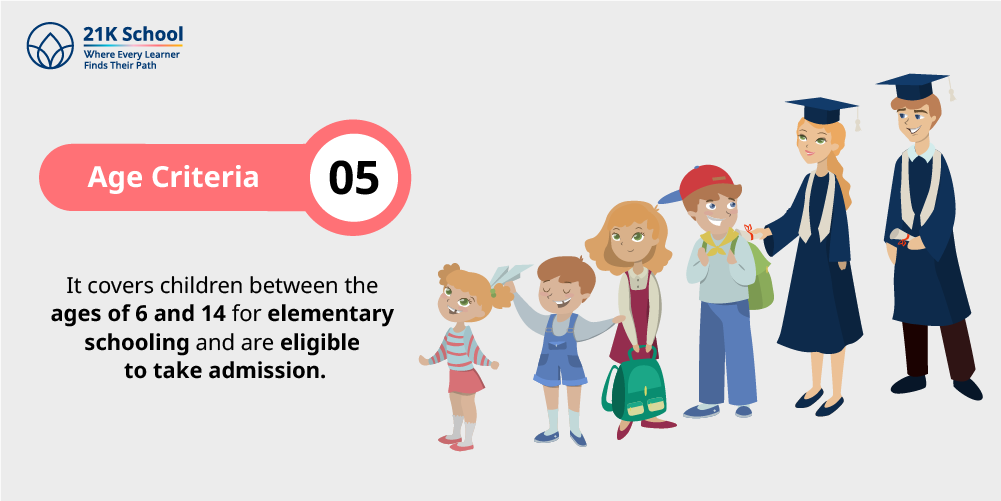
Age criteria is strictly enforced under RTE act. Here, the children must be enrolled in the classes that are of their age and no child can be detained or expelled till Class VIII.
It covers children between the ages of 6 and 14 for elementary schoolinghomeschooling and are eligible to take admission. However, the age limit may vary from state to state.
A private school can’t reject if a child is eligible, shared valid documents, and Seat is allotted through RTE portal.
Exemptions in RTE Rules for Private Schools
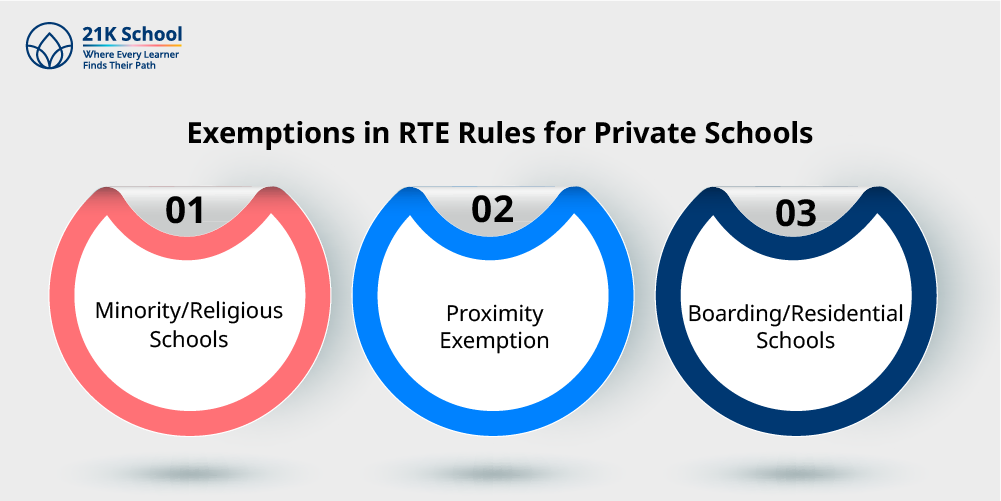
There are some exemptions because not all the private schools are not eligible come under RTE:
1. Minority/Religious Schools
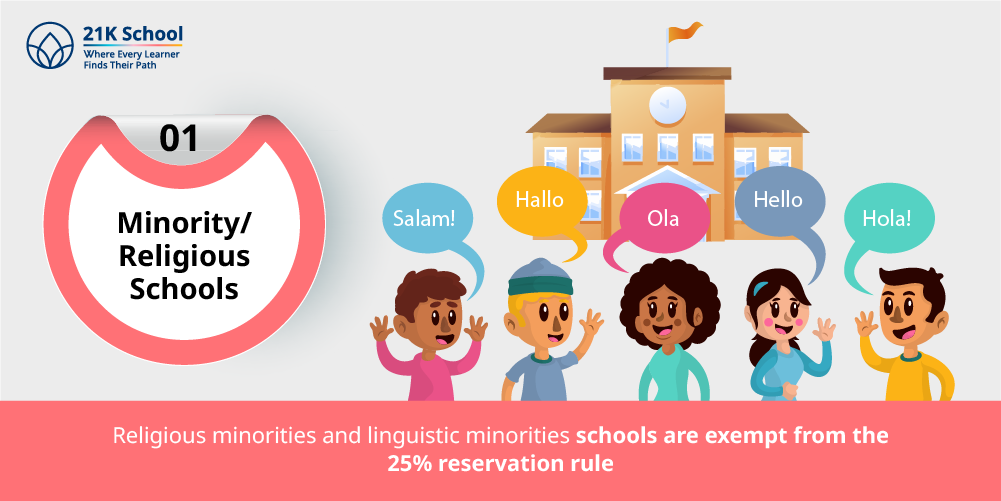
Religious minorities and linguistic minorities schools are exempt from the 25% reservation rule because Article 30 of the Indian Constitution ensures minorities can preserve culture and language.
2. Proximity Exemption
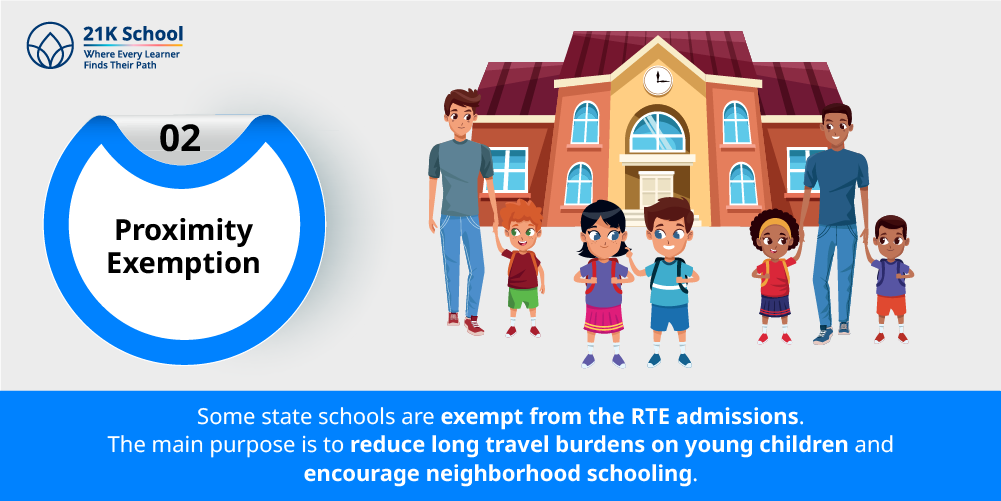
Some state schools are exempt from the RTE admissions. The main purpose is to reduce long travel burdens on young children and encourage neighborhood schooling.
3. Boarding/Residential Schools
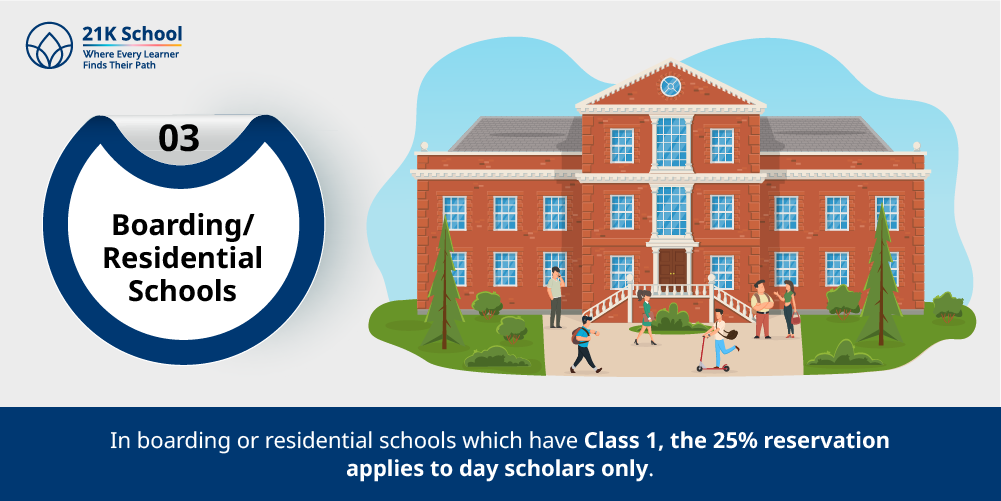
In boarding or residential schools which have Class 1, the 25% reservation applies to day scholars only.
3 Challenges of RTE Rules for Private Schools
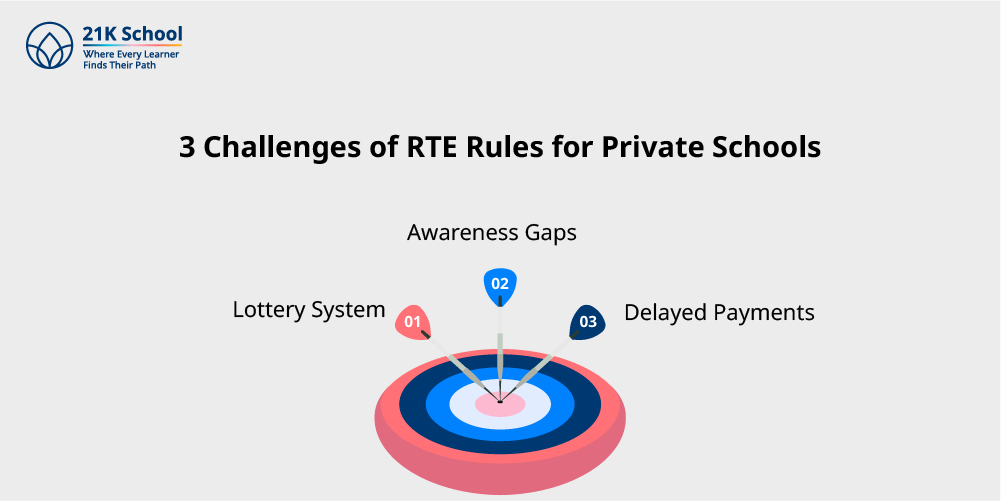
The implementation of RTE rules is not easy. There are many challenges faced by students such as:
1. Lottery System
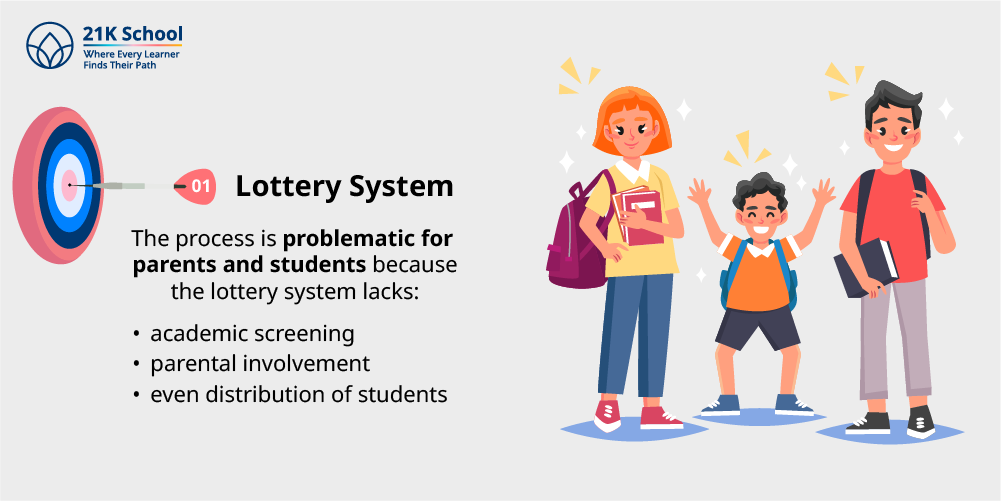
The process of admission includes a lottery system in which first parents/students submit applications then seats allotted through computerised lottery.
The process is problematic for parents and students because the lottery system lacks:
- academic screening
- parental involvement
- even distribution of students
2. Awareness Gaps
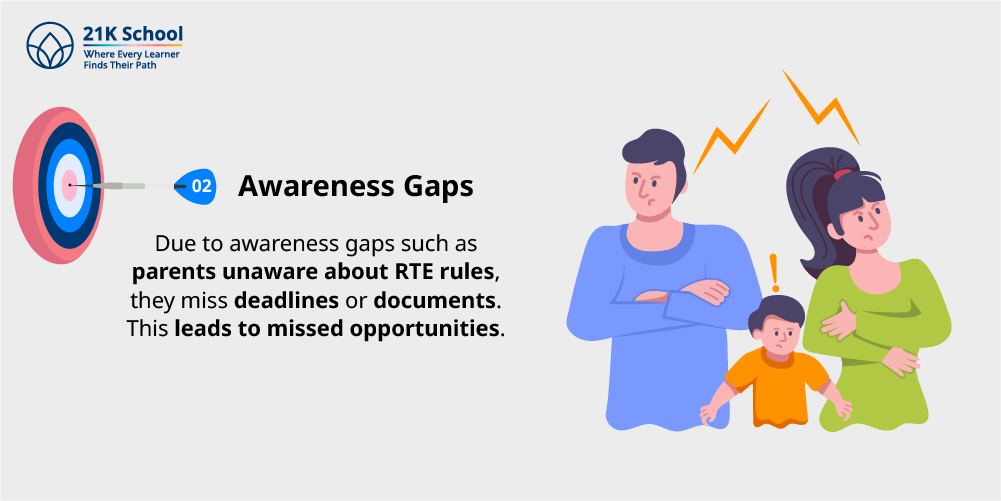
Due to awareness gaps such as parents unaware about RTE rules, they miss deadlines or documents. This leads to missed opportunities.
3. Delayed Payments
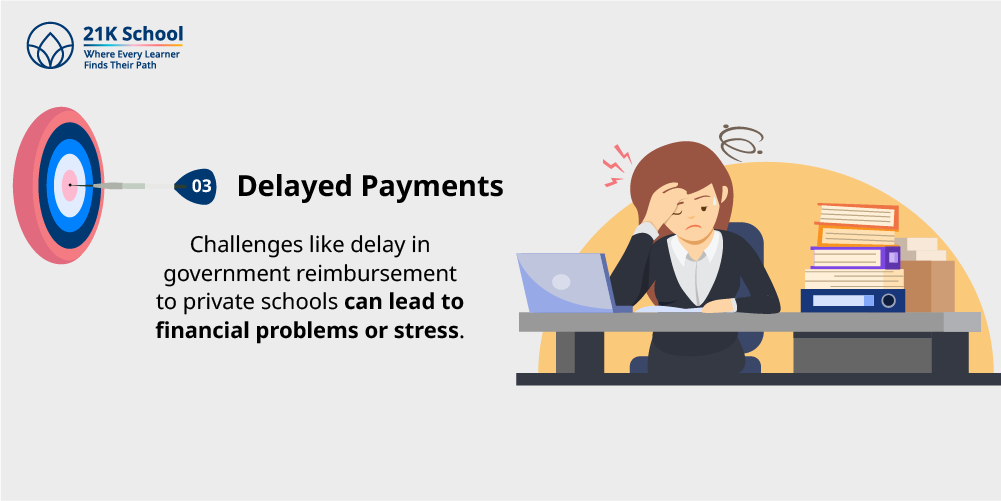
Challenges like delay in government reimbursement to private schools can lead to financial problems or stress.
This is because private schools have many responsibilities to fulfill such as maintaining infrastructure standards, following safety and hygiene norms etc.
Conclusion
The RTE in private schools is a powerful step to bring equality in schools and society. Students with different backgrounds learn together to bridge the learning gaps.
For private schools it is a responsibility, legal obligation and opportunity to help society through education.
Through RTE in private schools students are able to step into classrooms that were once inaccessible.

You may also want to read