

The only aim of introducing inclusive education is to include all learners and let them have the benefits of Right to Education (enacted in 2009).
Earlier, education was given mostly to privileged sections of society which emphasized discrimination and exploited their human rights.
This was why inclusive education came into existence. The challenges of inclusive education further illustrate the gaps it was designed to address.
The cause understood the need for respecting diversity, promoting equality, and bringing individualized support, so that every student felt they belonged and motivated to do better.
In this article, we will see what the principles of inclusive education were that led to positive results in student learning.
Contents
- 1 What is Inclusive Education?
- 2 14 Principles of Inclusive Education
- 2.1 1. Equality and Non-Discrimination
- 2.2 2. Respect for Diversity
- 2.3 3. Participation and Belonging
- 2.4 4. Accessibility
- 2.5 5. Universal Design for Learning (UDL)
- 2.6 6. Individualized Support
- 2.7 7. Differentiated Learning
- 2.8 8. Collaboration and Teamwork
- 2.9 9. Positive School Culture
- 2.10 10. Welcoming Attitudes
- 2.11 11. Flexibility
- 2.12 12. Responsiveness
- 2.13 13. Empowerment and Student Voice
- 2.14 14. Commitment to Continuous Improvement
- 3 To Sum It Up
What is Inclusive Education?
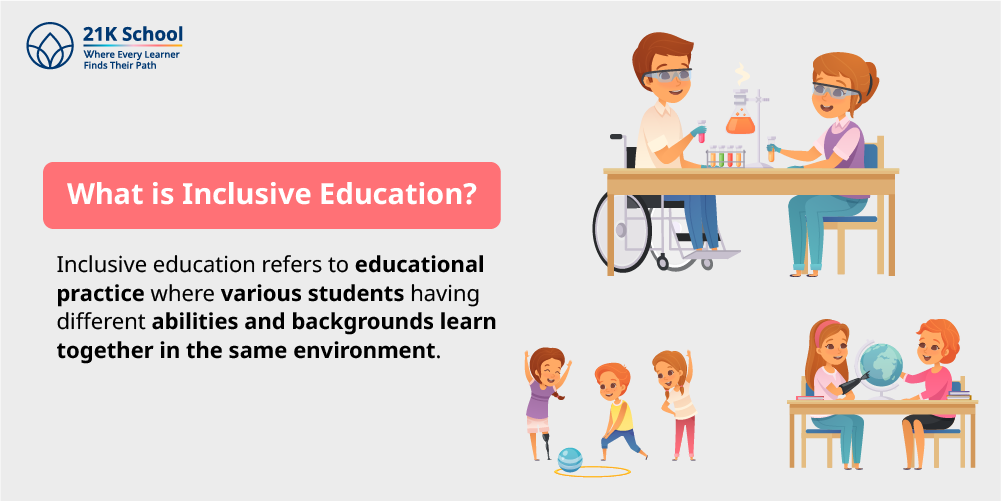
Inclusive education refers to educational practice where various students having different abilities and backgrounds learn together in the same environment.
It is a form of education where no individual is deprived of learning because of disability, gender, race, caste, language, religion, socio-economic status, or any other attribute. Along with this, it also emphasized why education matters for disabled students.
Unlike any other traditional forms of education, inclusive education believes that including all learners under the same settings could further enhance learning.
It focuses on shifting approach, teaching techniques, and tools to suit all learners, instead of excluding or isolating them.
Inclusive education involves equal access to educational opportunities, elimination of social and physical barriers, and development of curriculum and teaching methods.
It also emphasizes delivery of personalized services and establishment of a positive learning environment to make learners feel safe and included.
Finally, inclusive education is concerned with educational equity and not equality. Equality equips people with similar resources, but equity caters specific needs for each individual learner.
14 Principles of Inclusive Education
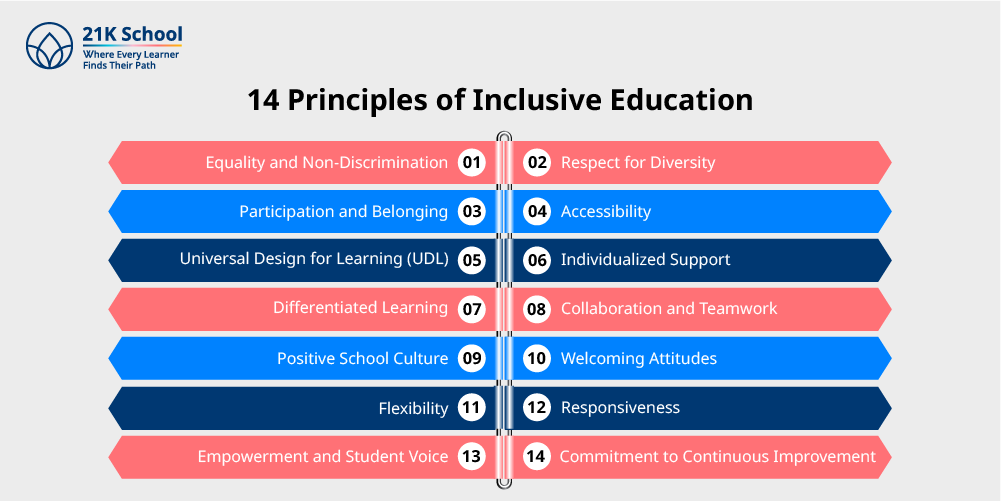
The main principles of inclusive education can be mentioned as the following:
1. Equality and Non-Discrimination
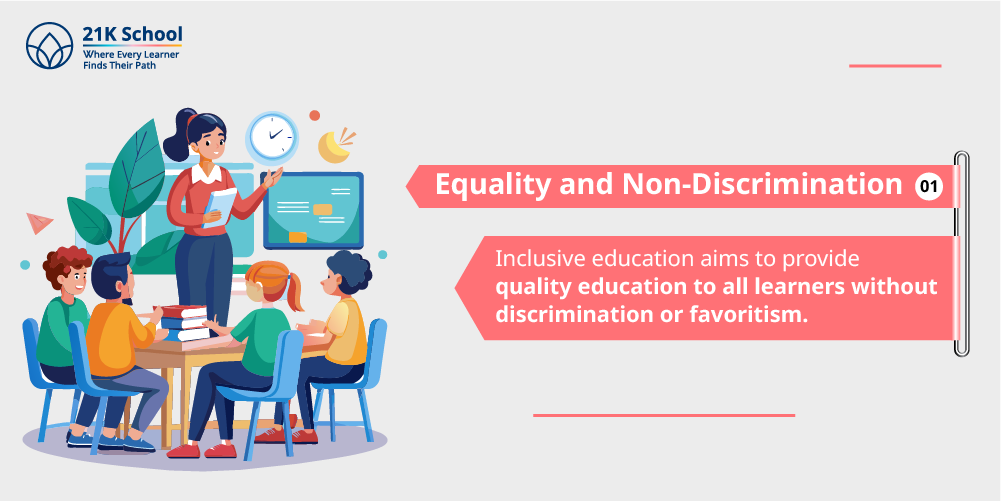
Inclusive education aims to provide quality education to all learners without discrimination or favoritism.
This sets a standard for equality, thus encouraging educational institutes to participate in non-discriminatory campaigns.
This principle needs fair policies to keep students out of discrimination against them due to disability, ethnicity, gender identity, or economic status. Exploring the importance of inclusive education helps understand why these protections matter.
It also sets high standards for all the learners as it acknowledges that all students can grow and perform well.
2. Respect for Diversity
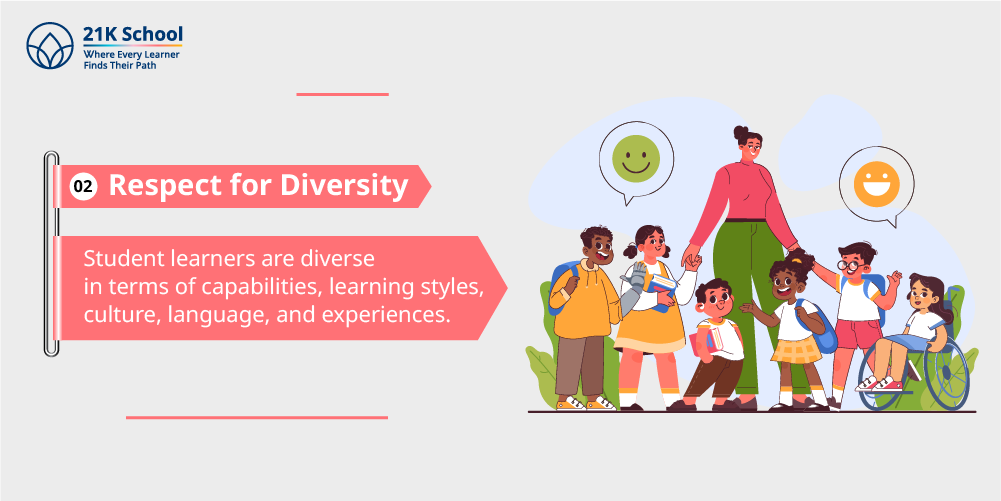
Student learners are diverse in terms of capabilities, learning styles, culture, language, and experiences.
Inclusive education honours and acknowledges these differences.
When schools follow inclusive education, they view diversity as a way to improve classroom environment and teach healthy communication.
The students feel valued and inspired when their identities are represented and addressed in the curriculum.
3. Participation and Belonging
The perception of true inclusion is more than just being in the classroom.
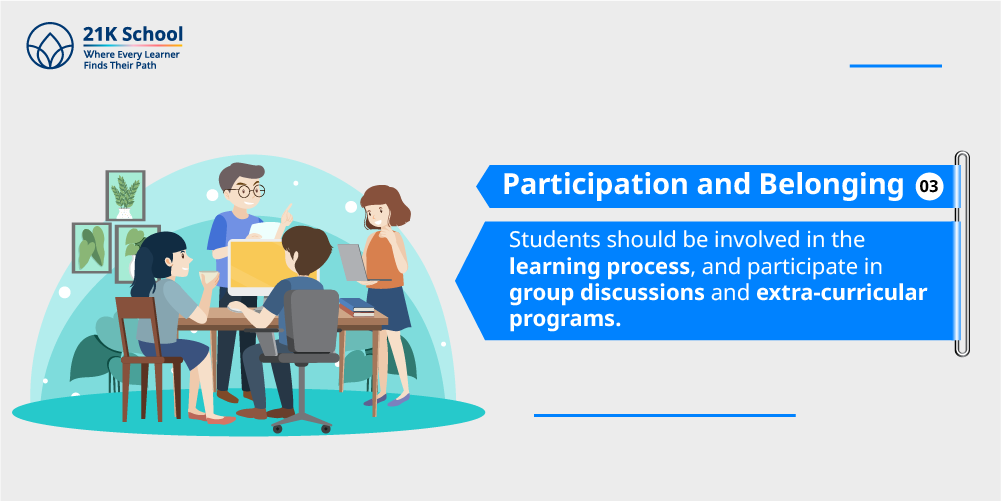
Students should be involved in the learning process, and participate in group discussions and extra-curricular programs.
Affiliation brings self-confidence and interest which can make them feel emotionally secure and socially active.
The involvement of learners can be encouraged through practices such as cooperative learning and peer support systems where every voice is treated equally in classroom discussions.
4. Accessibility
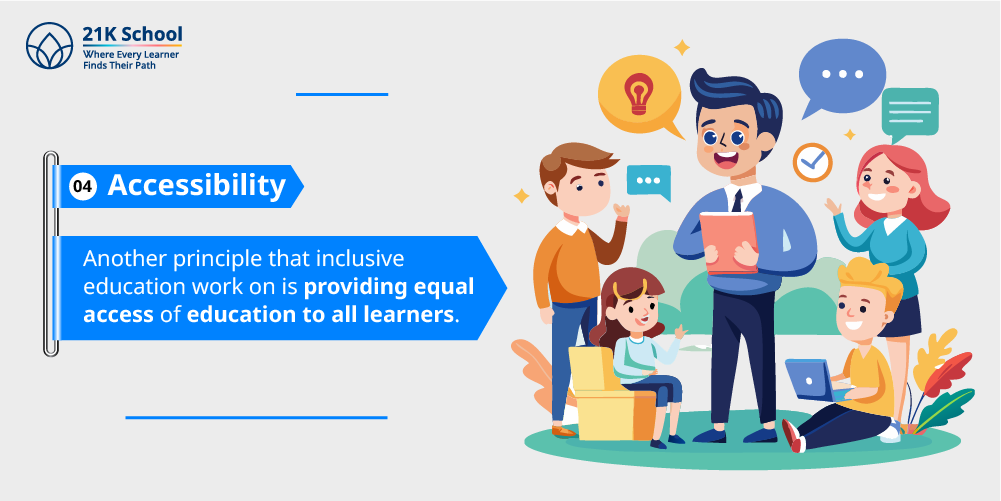
Another principle that inclusive education work on is providing equal access of education to all learners.
This means that even when faced with physical, social, psychological, or digital challenges, students should be able to study.
For this, resources like braille, video-recording, speech-to-text software, and others ensure that every child gets education as per their capabilities and requirements.
By considering the issue of accessibility as a proactive step, schools can guarantee that every student is able to participate in the educational process. Understanding the problems of inclusive education can help institutions prepare better.
5. Universal Design for Learning (UDL)
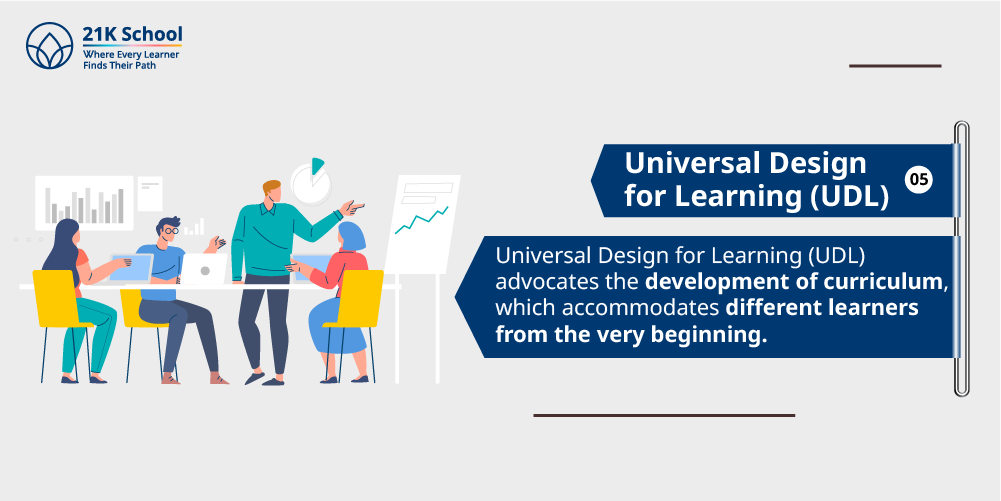
Universal Design for Learning (UDL) advocates the development of curriculum, which accommodates different learners from the very beginning.
UDL does not expect to make accommodations after the barriers occur but it foresees differences in learners.
UDL is based on three principles including engagement, expression, and representation, that eliminates exclusion and also serves all students instead of just those with disabilities.
6. Individualized Support
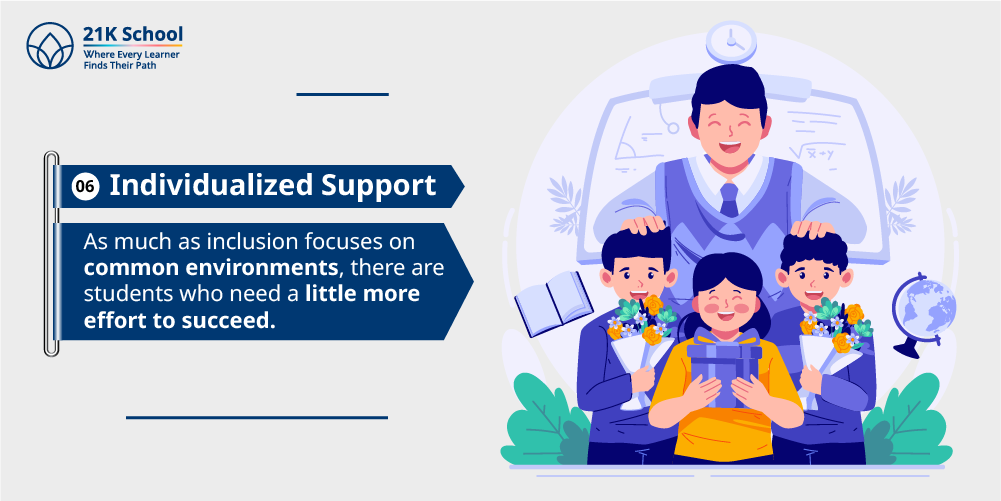
As much as inclusion focuses on common environments, there are students who need a little more effort to succeed.
Specific treatment is given in the form of Individualized Education Plans (IEPs), therapy, or academic support.
Individual support is provided in such a way that students can contribute effectively to the general society without feeling alienated.
7. Differentiated Learning
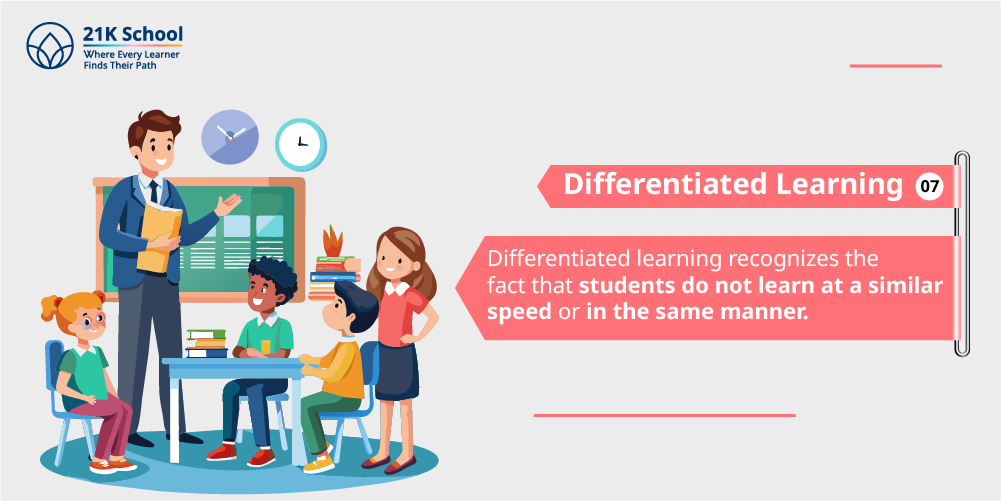
Differentiated learning recognizes the fact that students do not learn at a similar speed or in the same manner.
Teachers may adjust content complexity, learning processes, assessment methods, and grouping strategies.
The idea of differentiation works on the principle that every student receives a proper challenge along with being assisted well.
8. Collaboration and Teamwork
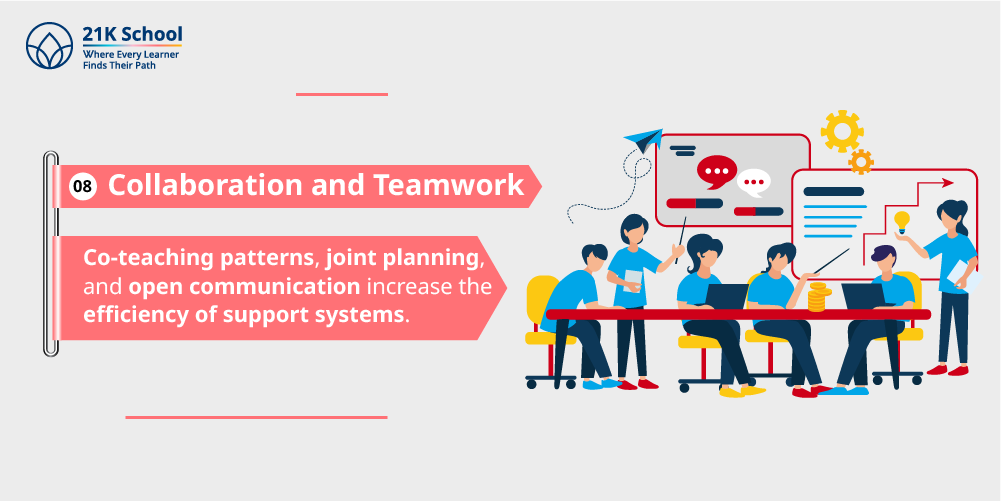
Inclusive education is based on cooperation between teachers, parents, specialists, and other members of the community.
Co-teaching patterns, joint planning, and open communication increase the efficiency of support systems.
Through this, educators can provided more personalized support while understanding the actual needs of learners with the help of more diverse knowledge and creative strategies.
9. Positive School Culture
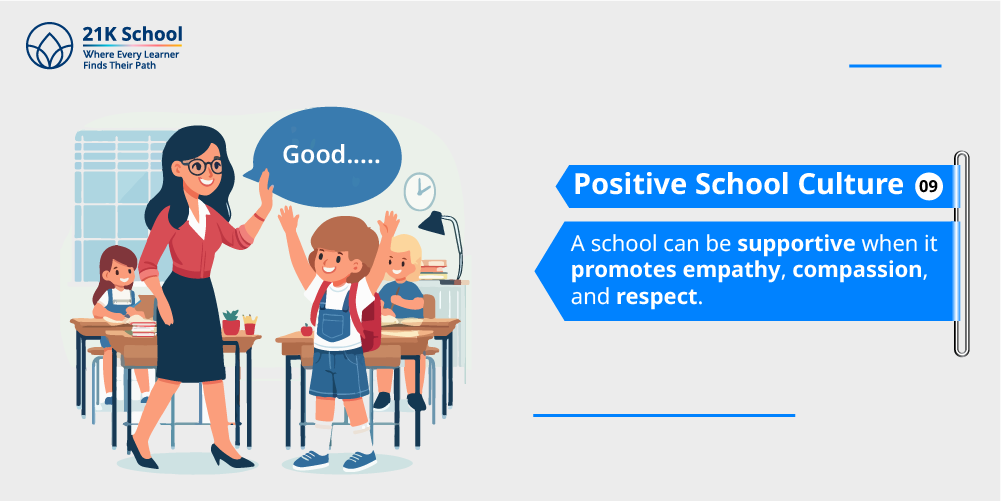
A school can be supportive when it promotes empathy, compassion, and respect.
Safe environments are created where school bullying statistics are low, and when peer mentoring and social-emotional learning programs are encouraged.
A positive school culture can make diversity a cause for celebration rather than stigma..
10. Welcoming Attitudes
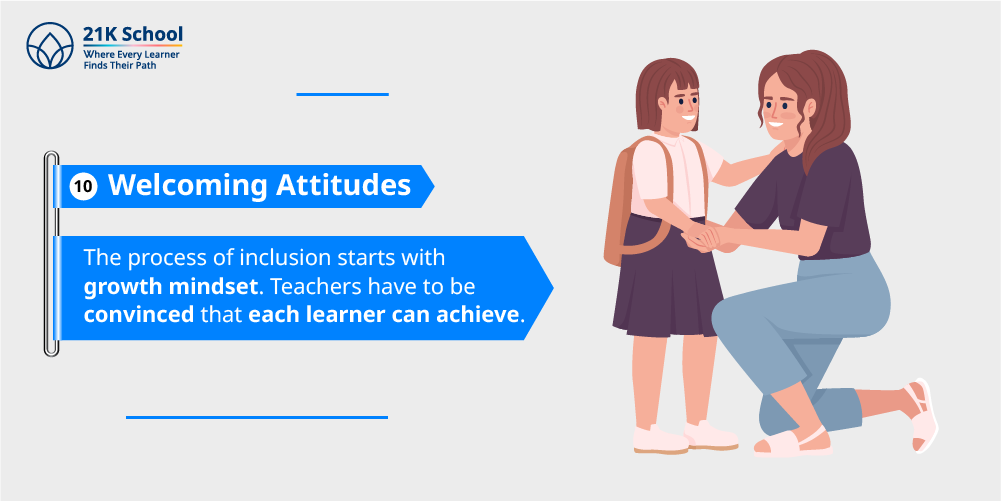
The process of inclusion starts with growth mindset. Teachers have to be convinced that each learner can achieve.
Positive attitudes can overcome the stereotypes and build healthy student-teacher relationships.
Where students feel accepted wholeheartedly, they have better chances of participating and performing well.
11. Flexibility
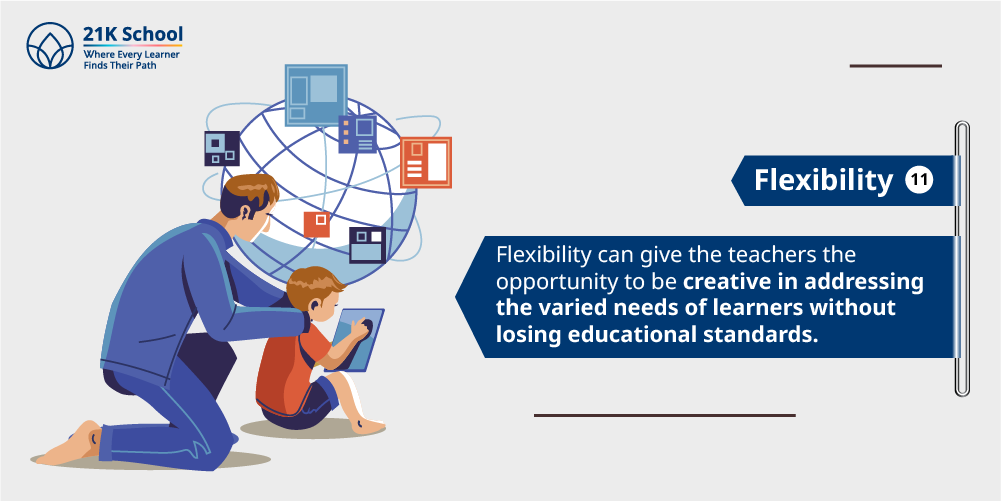
Inflexible systems may shut out learners unwillingly. The concept of inclusive education encourages the flexibility in schedule, differentiated assessment, and provision of adaptive teaching methods – the very issues that integrated education for disabled children seeks to address.
Flexibility can give the teachers the opportunity to be creative in addressing the varied needs of learners without losing educational standards.
12. Responsiveness
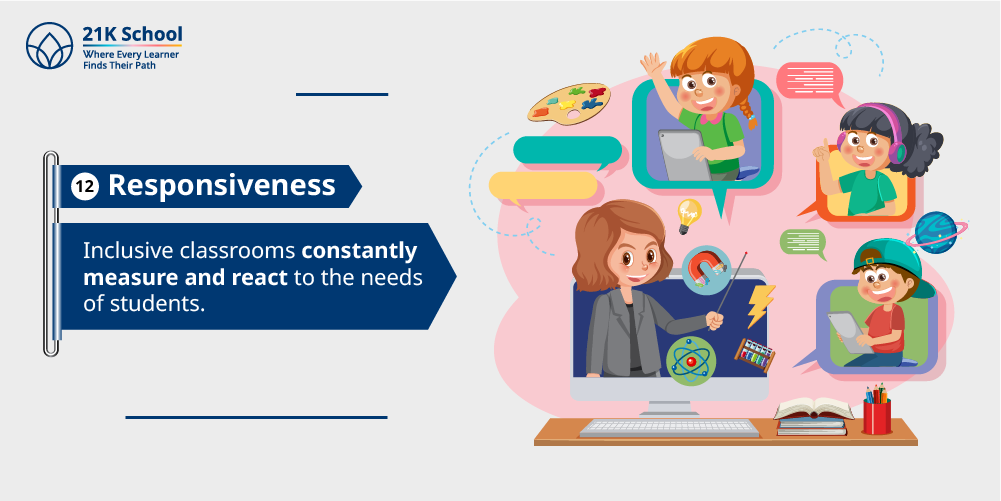
Inclusive classrooms constantly measure and react to the needs of students.
Continuous observations, formative assessments, and reflective exercises assist teachers in the process of modifying their teaching.
Responsiveness makes learning interesting as well as accommodating.
13. Empowerment and Student Voice
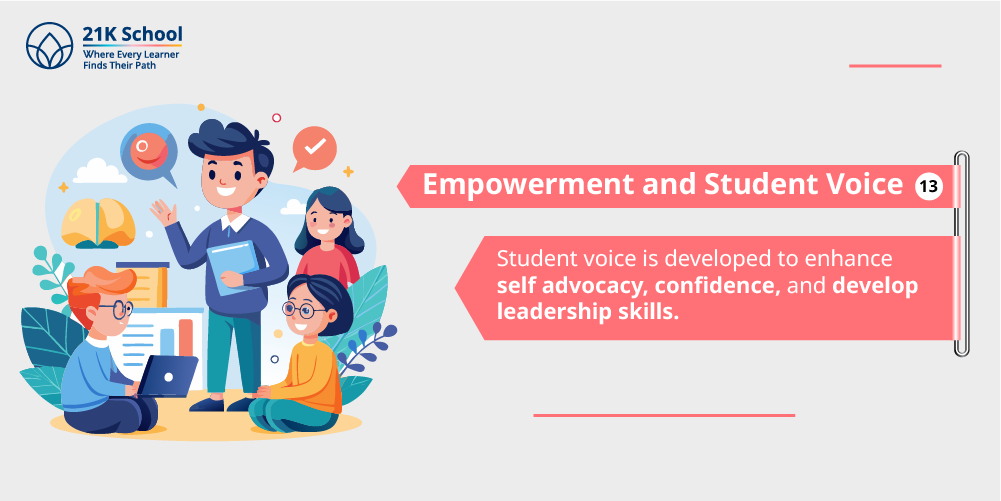
The students must be allowed to voice their opinions and make decisions, which impact their learning – a cornerstone of student-centred learning.
Student voice is developed to enhance self advocacy, confidence, and develop leadership skills.
Empowered learners become the owners of their learning and respectful members of the society.
14. Commitment to Continuous Improvement
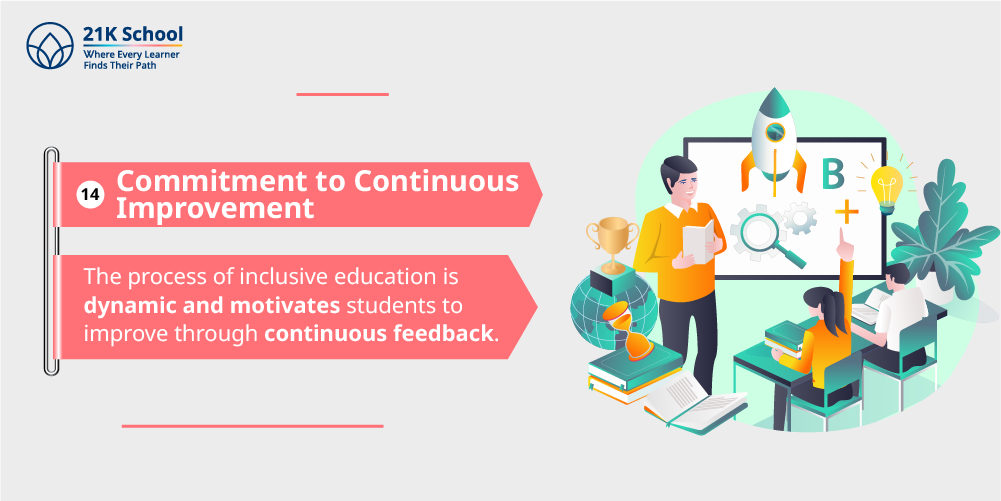
The process of inclusive education is dynamic and motivates students to improve through continuous feedback.
Policies, instruction strategies, professional development of teachers, and learning outcomes should be examined regularly in schools to create equity and effectiveness.
Sustainable education can be encouraged by positive career growth, research practices, and feedback from students and the general public.
To Sum It Up
Inclusive education runs on the principles it holds. Understanding the types of inclusive education gives context to how these principles are applied in practice. These principles support students in fulfilling their dreams and landing their future jobs regardless of their differences.
Today, inclusive education has set a standard of education that welcomes every learner and provides them personalized learning.
With continuous improvement planning and effort, we would be able to see a future where we can accommodate all brilliant minds under one roof and train them without discrimination.

You may also want to read