

Learning is a continuous journey and students seeking a successful life need motivation in every step.
Whether for academic growth or personal development to achieve desired goals, motivation activities in daily life are essential.
But, do you know the right activities to improve student motivation and ensure a positive learning environment?
If not then this blog is for you to understand student motivation activities for both academic and personal development.
Contents
- 1 What is Student Motivation?
- 2 12 Student Motivation Activities
- 2.1 1. Experiential Learning
- 2.2 2. Debates
- 2.3 3. Motivational Guest Sessions
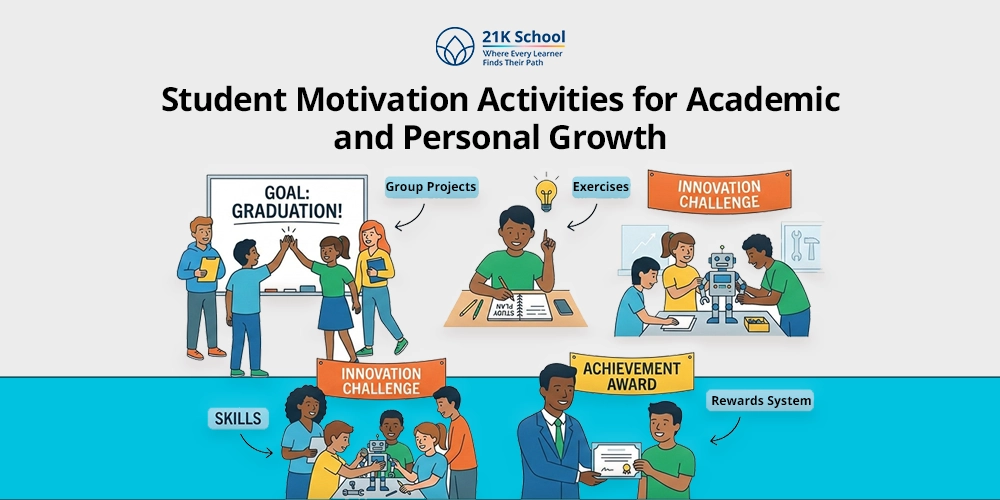
- 2.4 4. Classroom Rewards System
- 2.5 5. Positive Competition
- 2.6 6. Track Progress
- 2.7 7. Mindfulness and Motivation Exercises
- 2.8 8. Project-Based Learning
- 2.9 9. Create a Friendly Environment
- 2.10 10. Collaborative Group Projects
- 2.11 11. Give Students Choices
- 2.12 12. Give Students Responsibilities
- 3 Conclusion
What is Student Motivation?
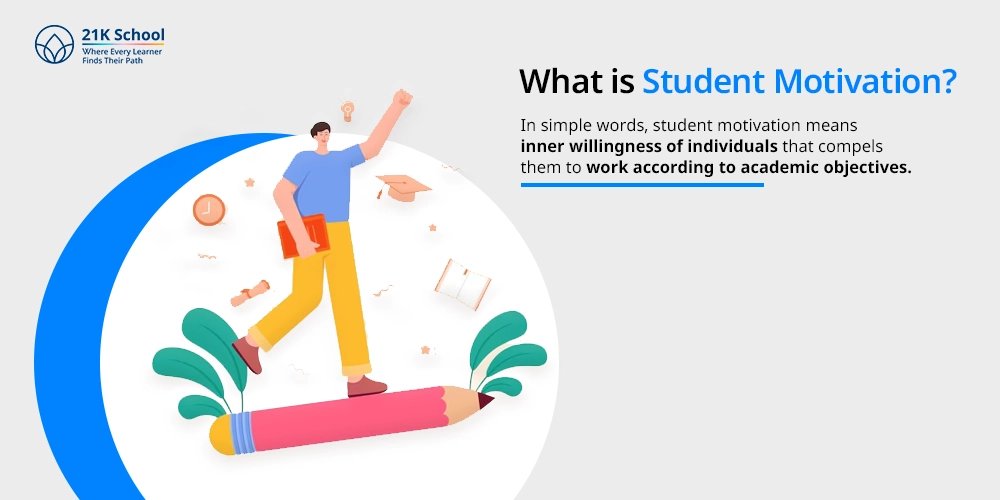
In simple words, student motivation means inner willingness of individuals that compels them to work according to academic objectives.
It is an effective way for students to gain knowledge and participate in different programs to get a successful outcome.
12 Student Motivation Activities
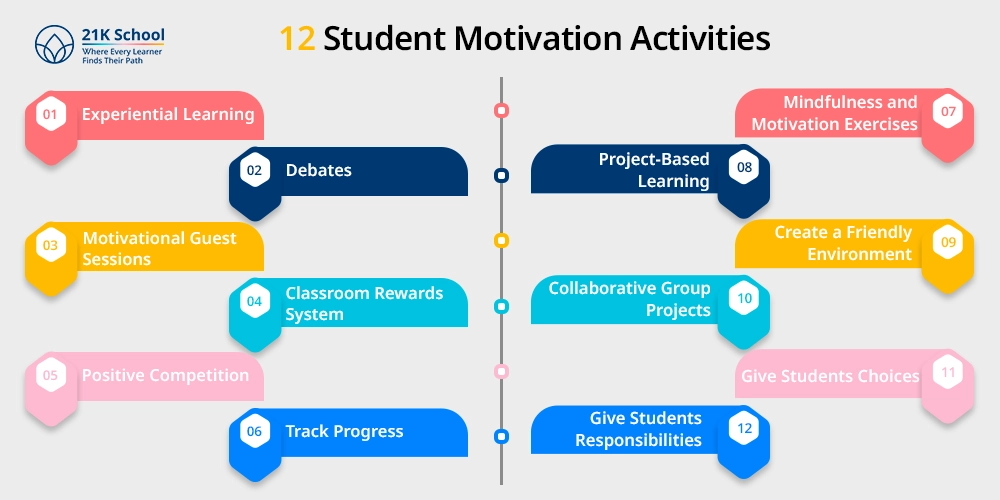
To make students confident, highlighted points are 12 student motivation activities to promote learning:
1. Experiential Learning
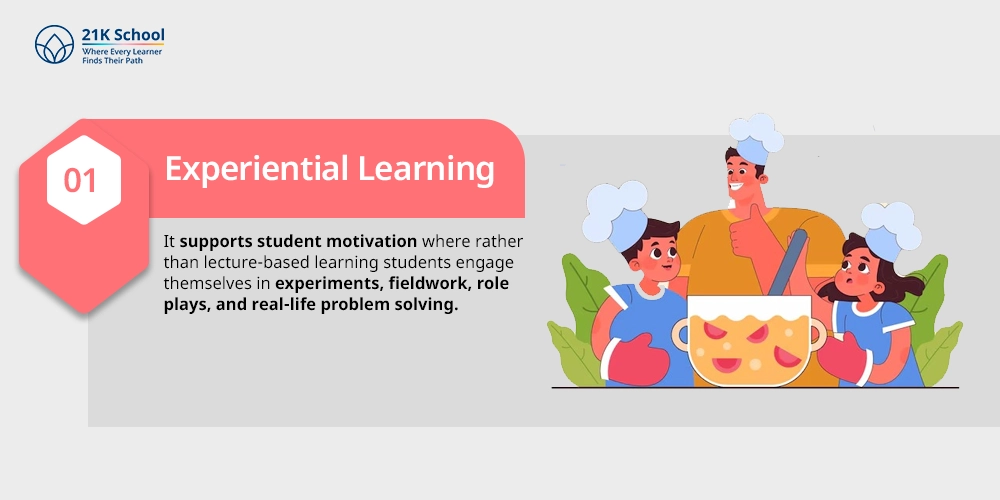
Experiential learning supports student motivation where rather than lecture-based learning students engage themselves in experiments, fieldwork, role plays, and real-life problem solving.
Some common examples are engaging in science experiments , entrepreneurship projects etc.
2. Debates
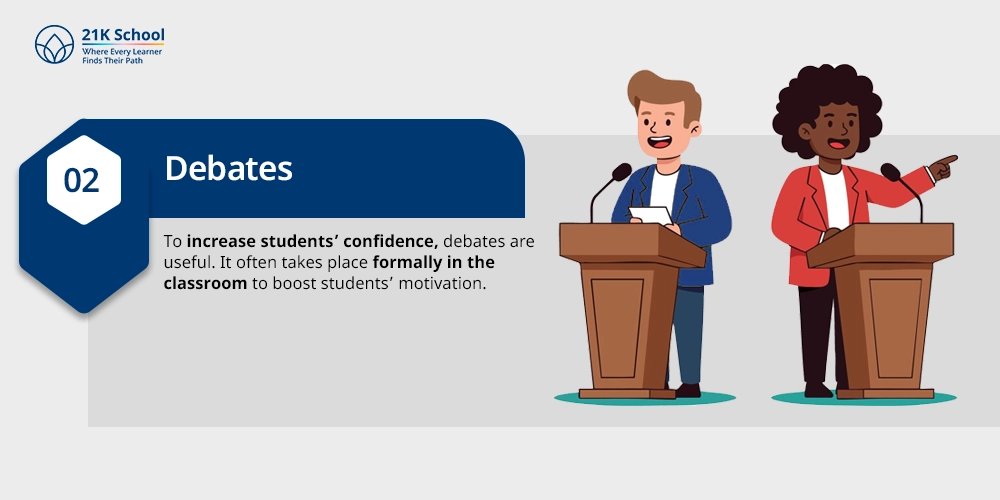
To increase students confidence , debates are useful. It often takes place formally in the classroom to boost students’ motivation.
If students participate in debate they get a chance to share their knowledge and viewpoint which directly increases their willpower to win.
3. Motivational Guest Sessions
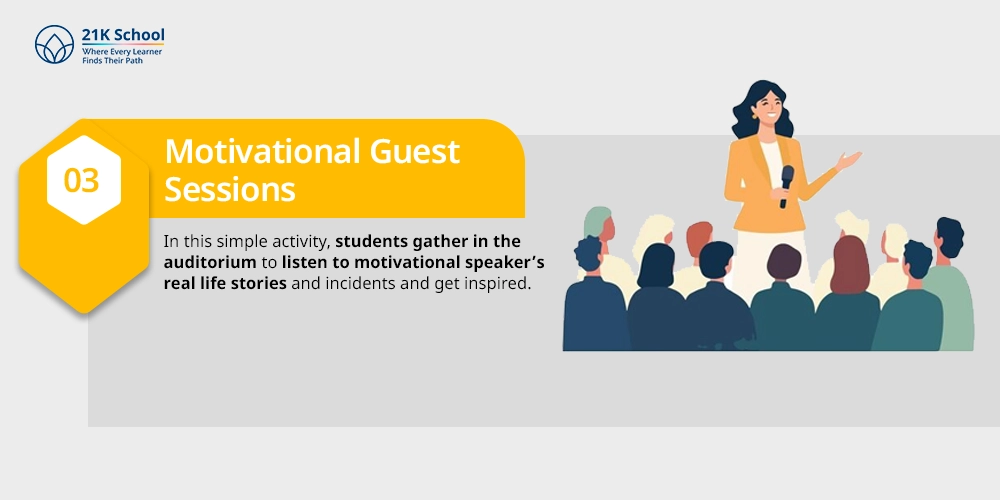
One of the activities known as motivational guest sessions are also organised by schools to encourage students’ motivation.
In this simple activity, students gather in the auditorium to listen to motivational speaker’s real life stories and incidents and get inspired.
4. Classroom Rewards System
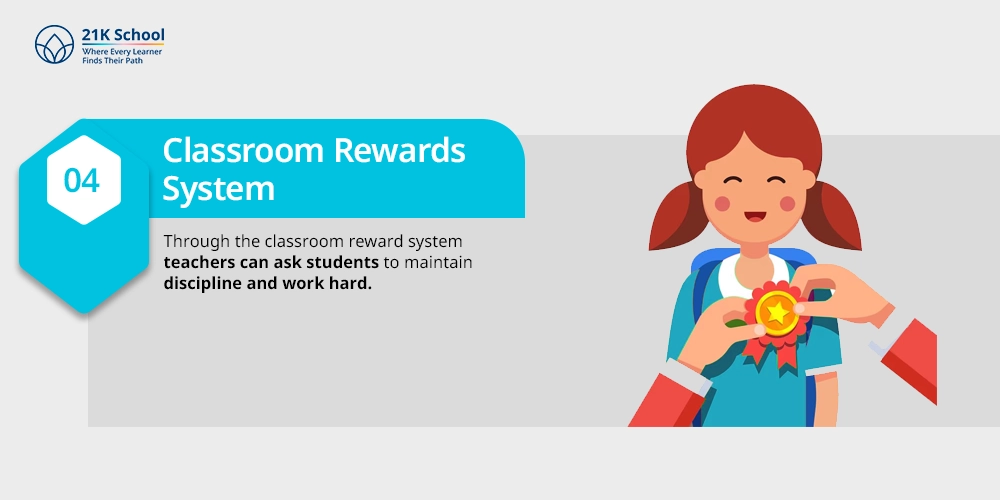
Students often participate to get rewards and popularity. Through the classroom reward system teachers can ask students to maintain discipline and work hard.
Some common rewards students get are recognition in the classroom, appreciation note by teacher, useful material like pen or novel.
5. Positive Competition
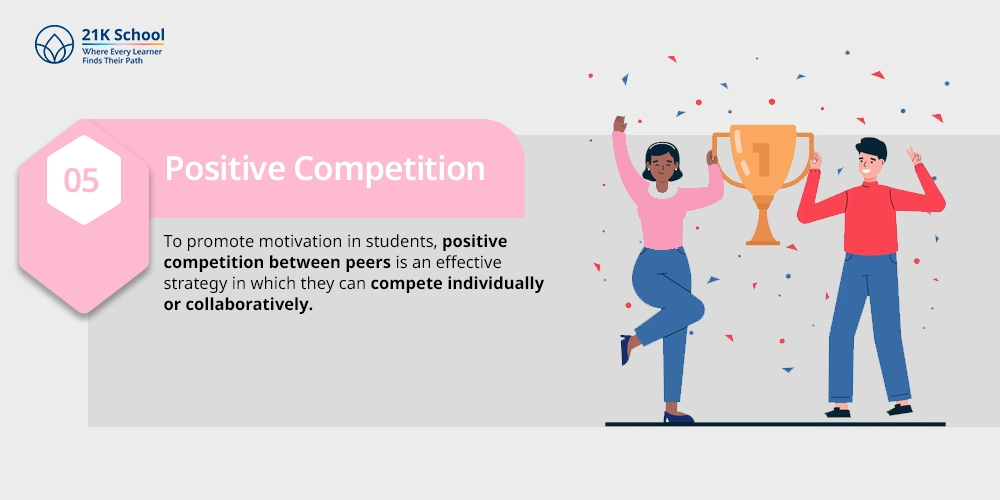
To promote motivation in students, positive competition between peers is an effective strategy in which they can compete individually or collaboratively.
Challenging each other helps students to boost confidence, develop sportsmanship, makes learning engaging etc
6. Track Progress
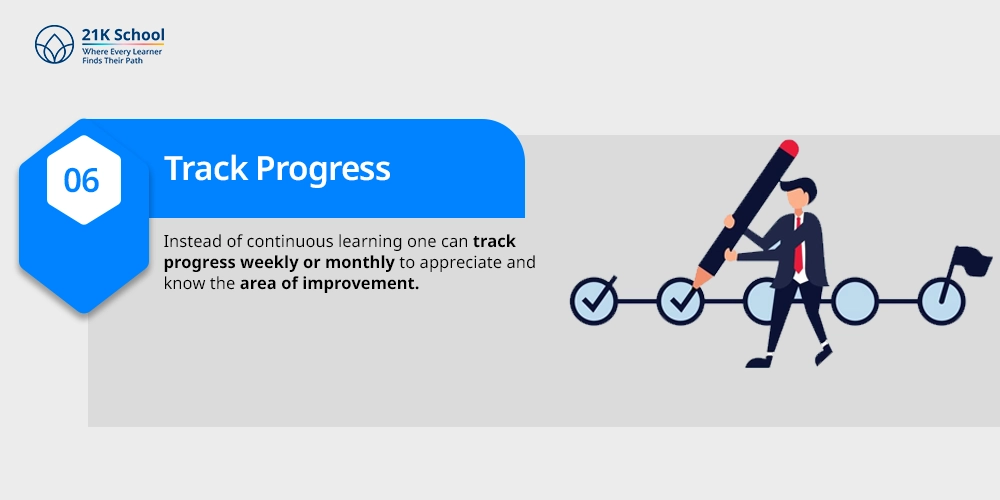
Instead of continuous learning one can track progress weekly or monthly to appreciate and know the area of improvement.
Facilitators can guide by progress reports through digital dashboards, progress charts, and learning portfolios.
7. Mindfulness and Motivation Exercises
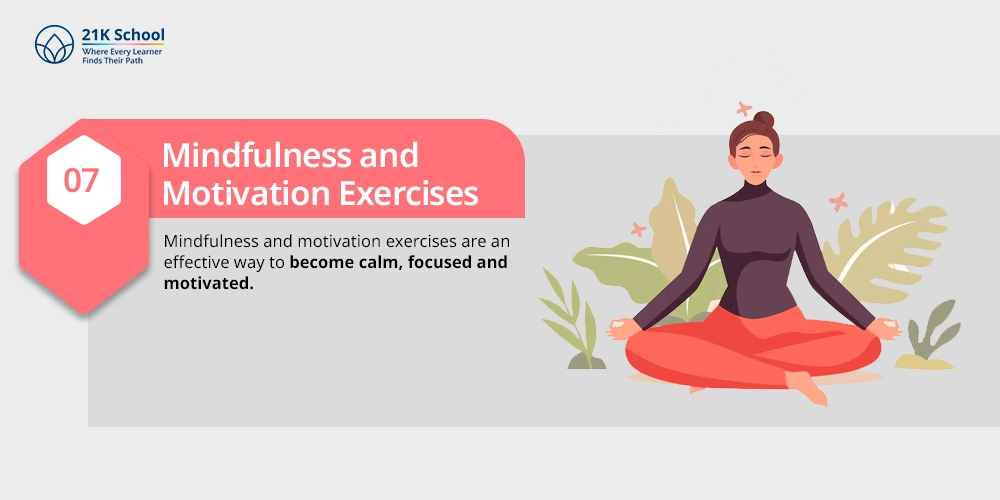
Mindfulness and motivation exercises are an effective way to become calm, focused and motivated.
Some common mindfulness activities for personal and professional growth includes:
- Deep breathing
- Meditation
- Gratitude journaling
8. Project-Based Learning
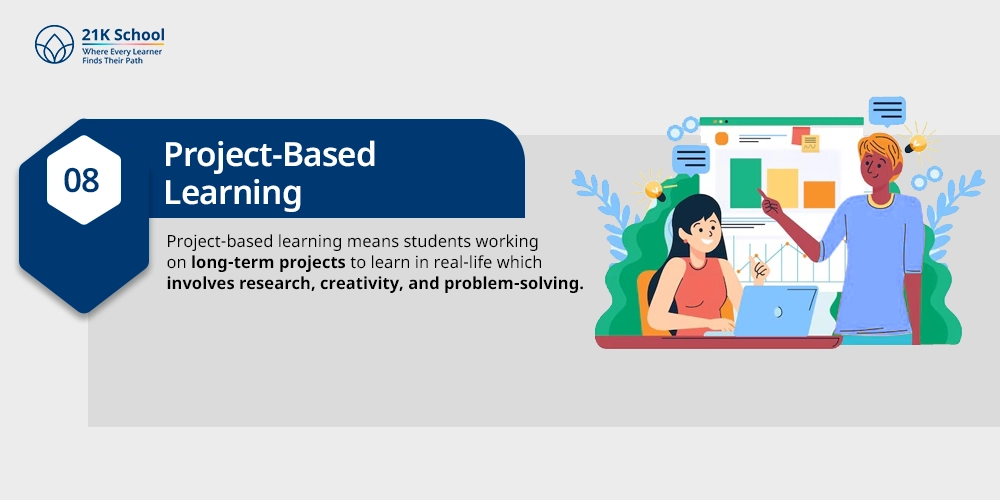
Project-based learning means students working on long-term projects to learn in real-life which involves research, creativity, and problem-solving .
Some common examples of project-based learning are:
- Science models
- Social science presentations
- Art and craft project ideas
9. Create a Friendly Environment
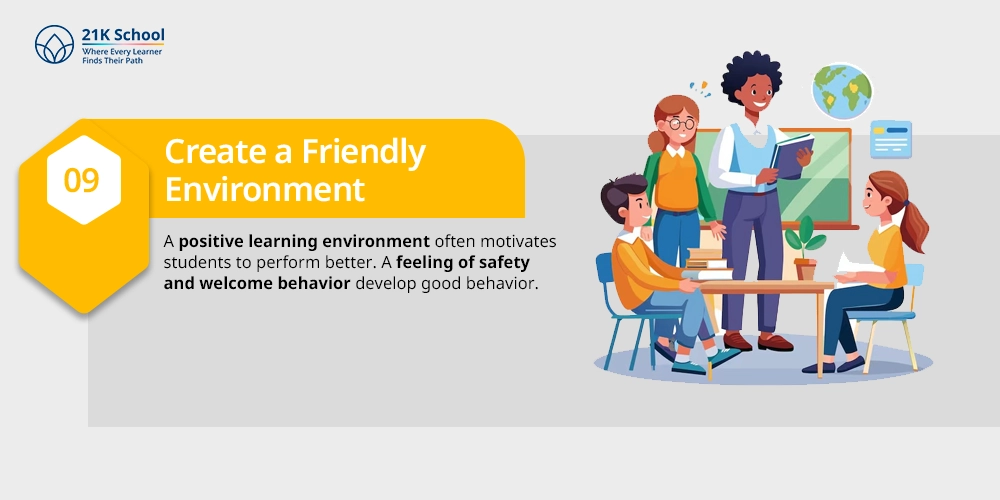
A positive learning environment often motivates students to perform better. A feeling of safety and welcome behavior develop good behavior.
To create a friendly environment one must:
- Encourage open communication
- Respect differences
- Offer emotional support
- Show appreciation
10. Collaborative Group Projects
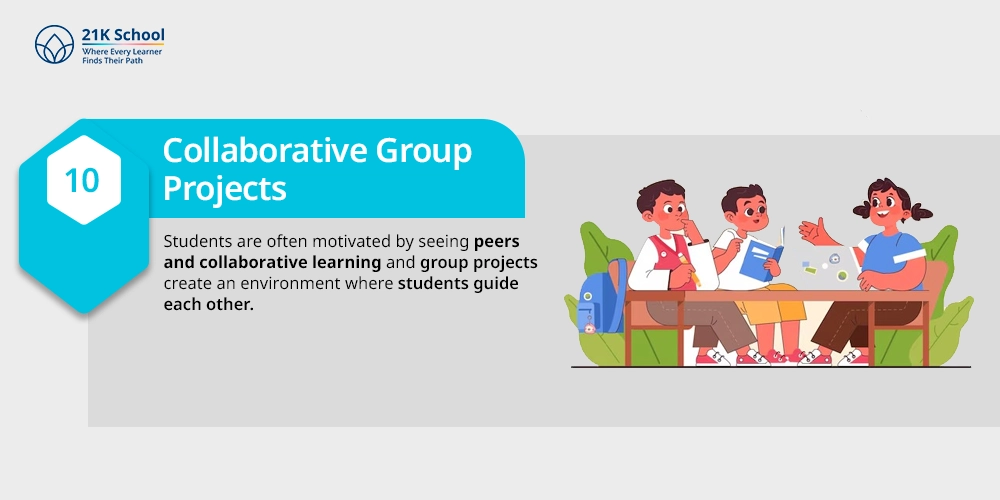
Students are often motivated by seeing peers and collaborative learning and group projects create an environment where students guide each other.
Collaboration not only motivates but also engages them to become creative.
11. Give Students Choices
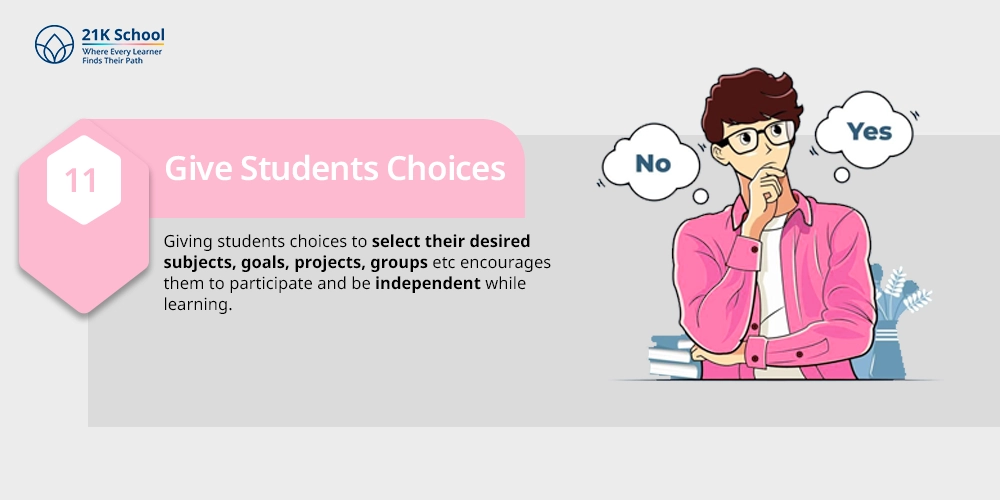
Giving students choices to select their desired subjects, goals, projects, groups etc encourages them to participate and be independent while learning.
This technique works because it:
- Increases ownership and motivation
- Helps students pursue their interests
- Reduces resistance toward work
12. Give Students Responsibilities
Responsible students often feel self-encouraged to work timely and build leadership skills . This helps them to feel trusted and valued.
For examples:
- Leading group discussions
- Helping peers with tasks
- Class monitor roles
Conclusion
In students’ lives, one of the foundations of academic success is motivation which helps them to deal with challenges.
However, it is not only beneficial for academics but also effective for personal development of students.
Through different student motivation activities one can create a supportive learning environment.

You may also want to read