






















Parenting17 Sept 2026
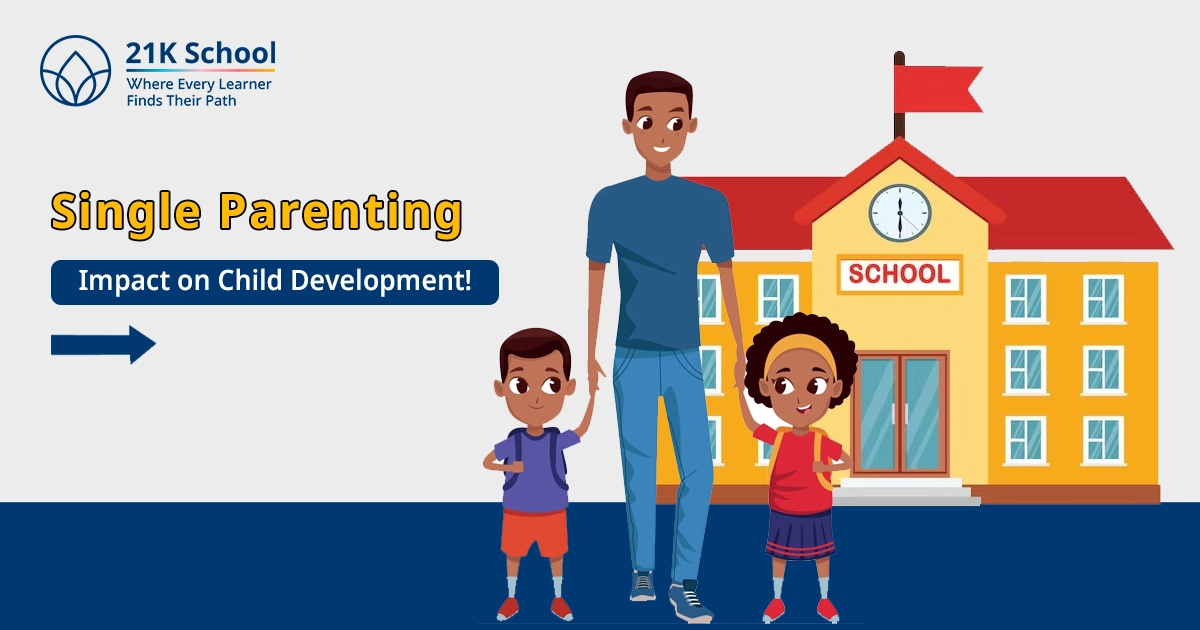
Single parenting: Impact on child development!
What is single parenting? Raising your children in a supportive, independent, and structured manner for growth and development.
ReadA global K-12 learning ecosystem, built to make every child succeed.
Personalised
Every child learns differently, every path at 21K School enables that.
Flexible
Learning that moves with your child's life, not the other way around.
Accelerated
Built for children who are smart and need an agile pace of learning.

When it comes to passion, your child could teach you a lesson or two.
Our achievers
Look closely, and you'll find the stars carrying the quiet victories, small triumphs, everyday wins that go far beyond the pages of a notebook.
We are home to over 200 celebrated achievers, across 78 countries, excelling in more than 100 different domains — Sports, Arts, Academics, Dance, Music, and more.
Scroll through their journeys below. Somewhere in there, you'll find a story that feels a little bit like your own child's.
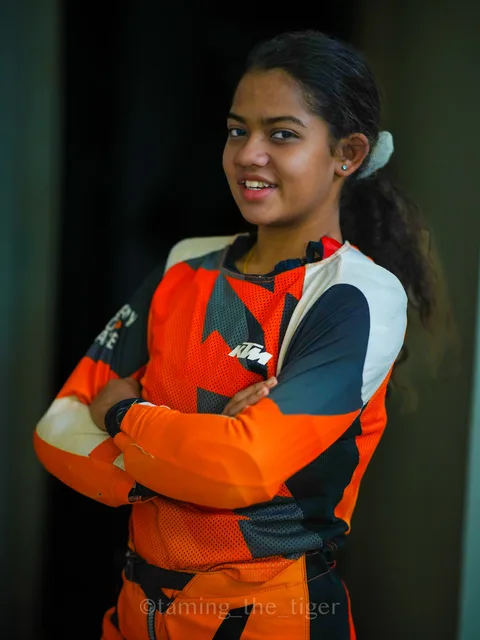
Nithila Das
Fastest Girl in India on a bike
Sports (Motorsports)
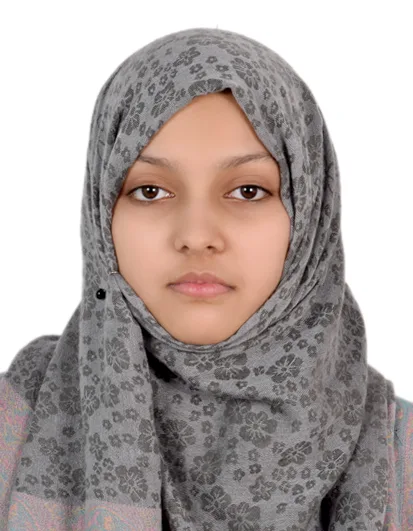
Haya Fatima Rizvi
Outstanding IGCSE Results
Academics
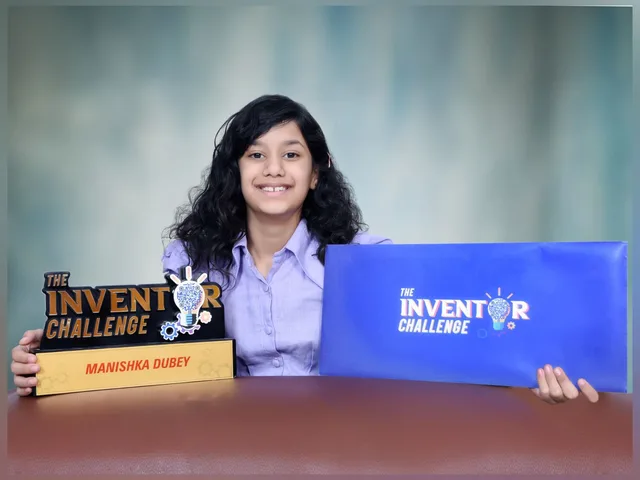
Manishka Dubey
Founder @TinkerTechie, TED-Ed Speaker, Inventor Challenge Winner (Colors Infinity TV)
Robotics / Science
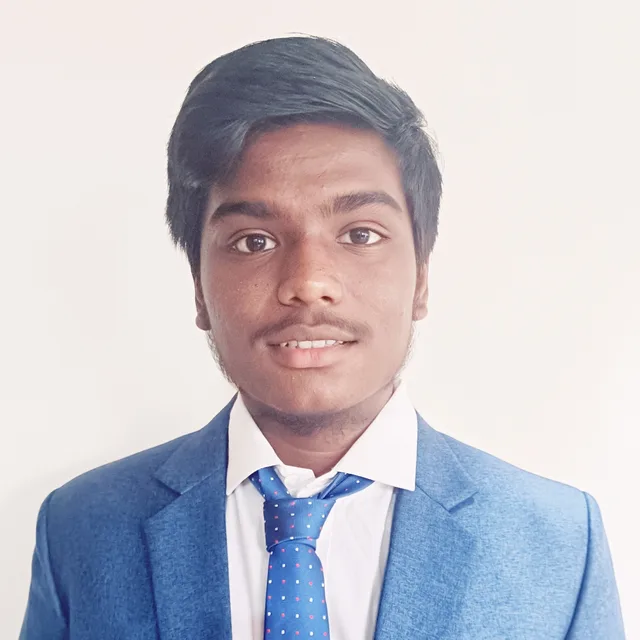
Pawan Ajay Haldal
Medium-Fast Bowler at Victoria, Australia Cricket Tour
Sports (Cricket)
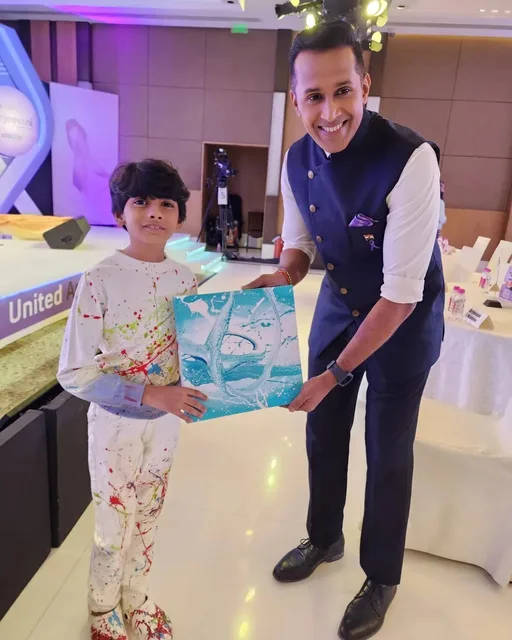
Advait Kolarkar
TOI's #UNSTOPPABLE 21 Under 21 Artist
Arts
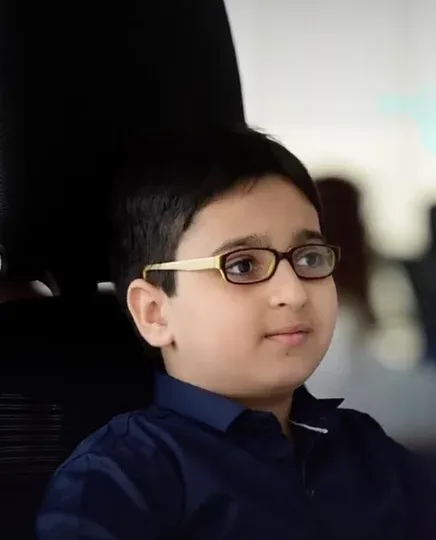
Dr. Swayam Sodha
Tech Prodigy & Innovator
Technology
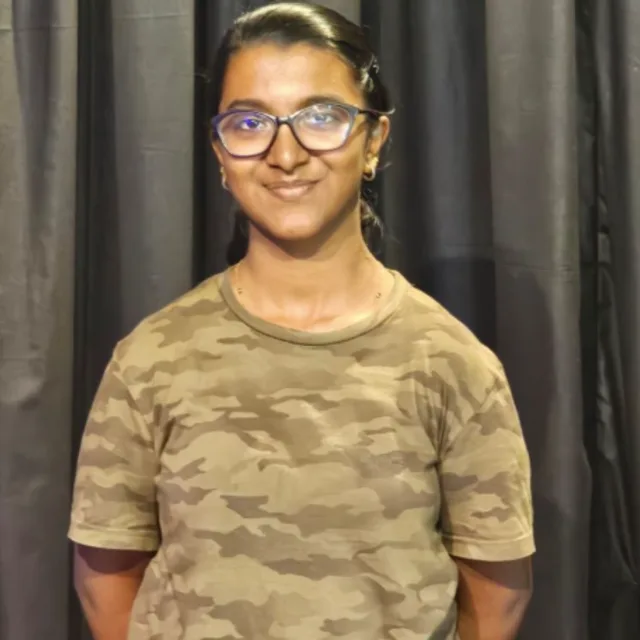
Ananya Vishwesh
Wildlife Enthusiast and Conservationist · Herpetologist · Youngest Wildlife Photographer
Wildlife / Environment
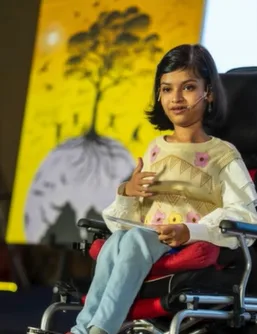
Keya Hatkar
Pradhan Mantri Rashtriya Puruskar Awardee from President of India
Literature
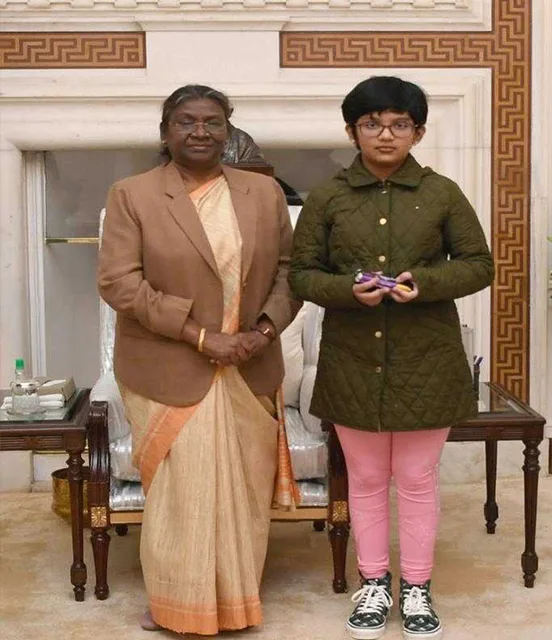
Ravyanshi Singh
Distinguished Author and holds Rank 1 at ISTSE Online Summer 2023
Academics
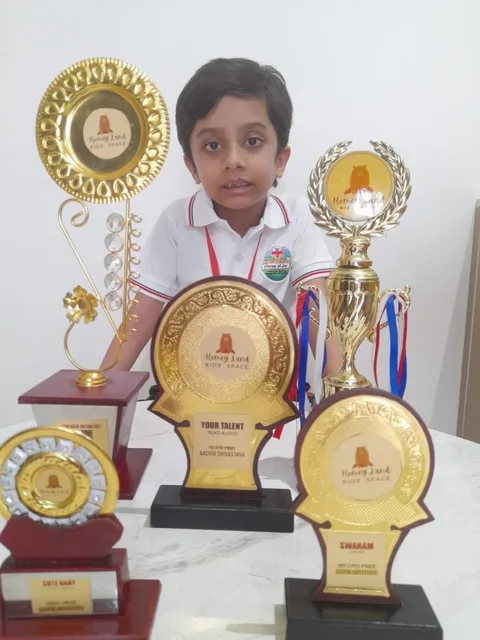
Aadvik Srivastava
World Record holder for Reciting Zeros to Centillion in 2 Minutes
Academics
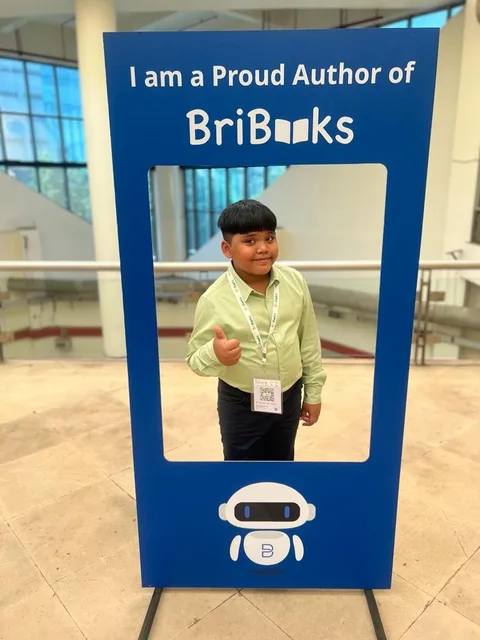
Jayce Anslem Dsouza
India's 2nd Most Popular Author at Bribooks: 'Tiger, Light, and Me'
Literature
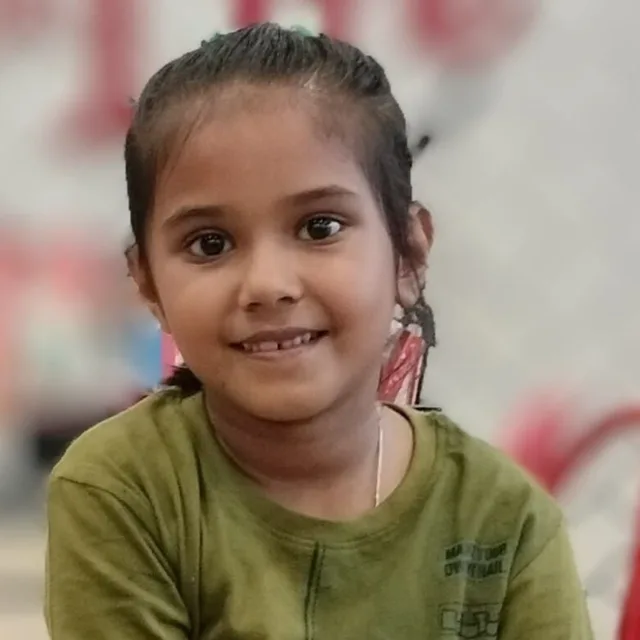
Mayanshi Parthasarthi
Best-Selling Author of 'Exploring the Universe' & STEM Award Winner
Literature
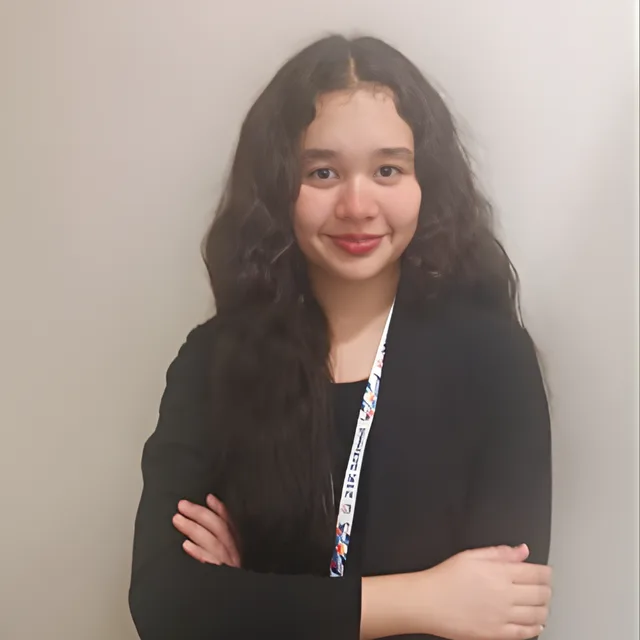
Lakshya Shree P
Distinguished Scholar
Academics
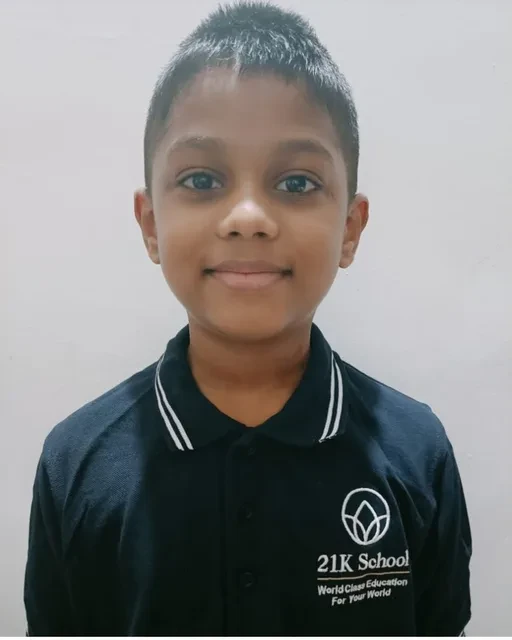
Ishaan Thorat
National-level Pistol Shooter
Sports (Shooting)
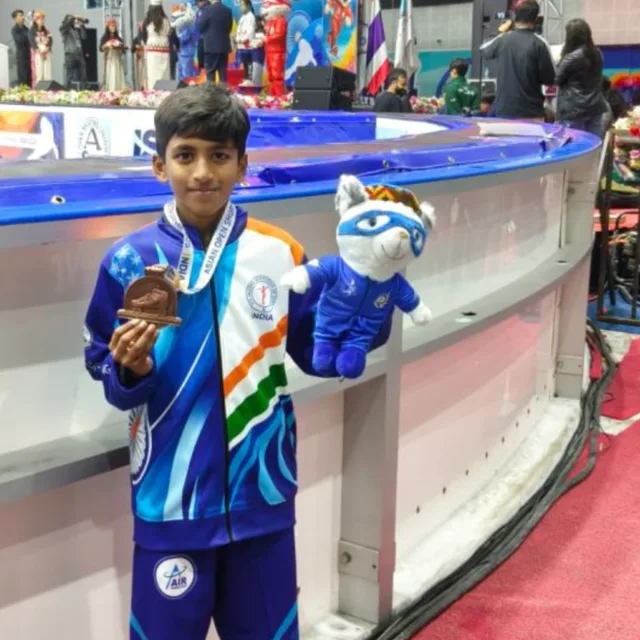
Anvith Athapu
40+ Medals in Short Track Speed Skating Across India
Sports (Speed Skating)
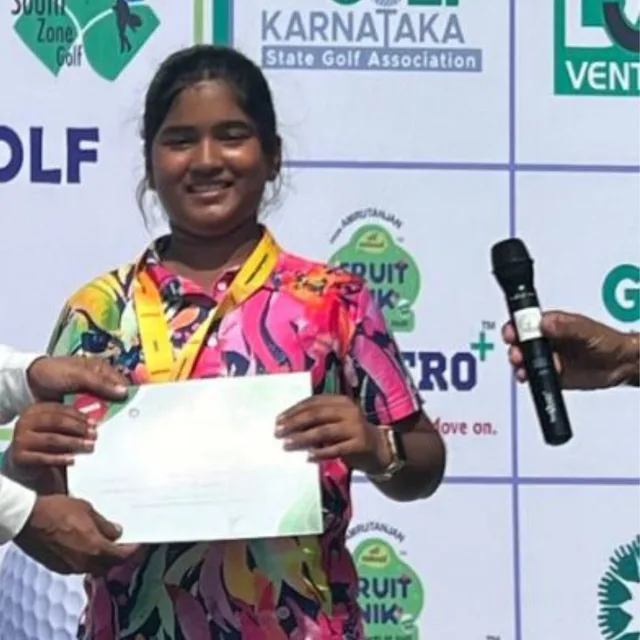
Tamanna Kandra
4-Time South Zone Golf Winner & 50+ Tournament Victories
Sports (Golf)
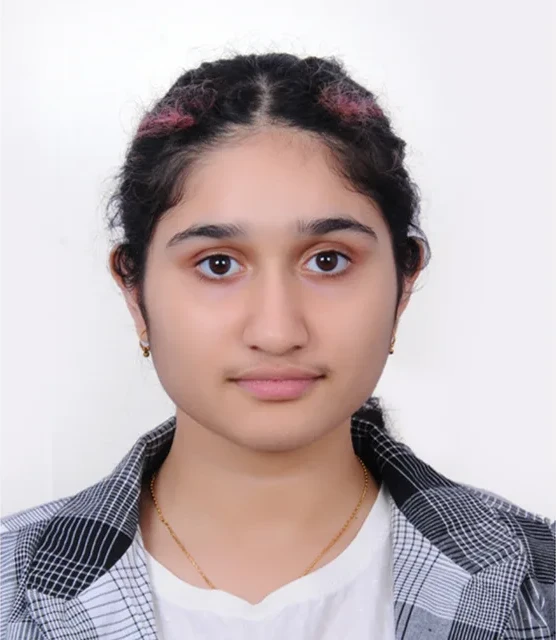
Ruthwa Kambala
Badminton Gold at ISSO U-17 Nationals 2025
Sports (Badminton)
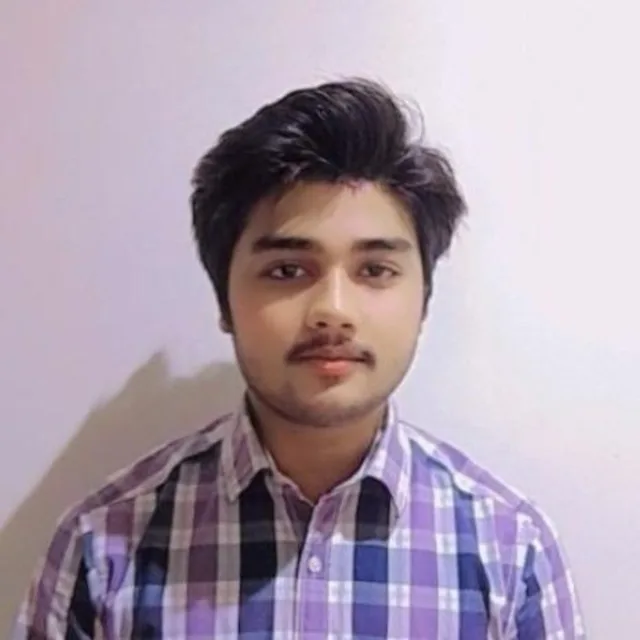
Bhavisshya Amit Goyal
Award Winner at Istanbul Youth Summit
Entrepreneurship

Madina Behbod
International Space Olympiad Medalist
Science
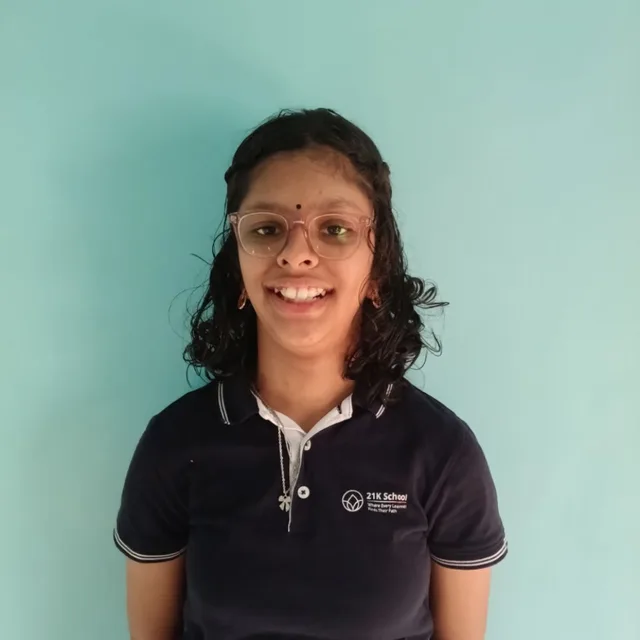
Katyayani Kedar Patwardhan
Abacus Champion at Regional, National & International Levels
Maths
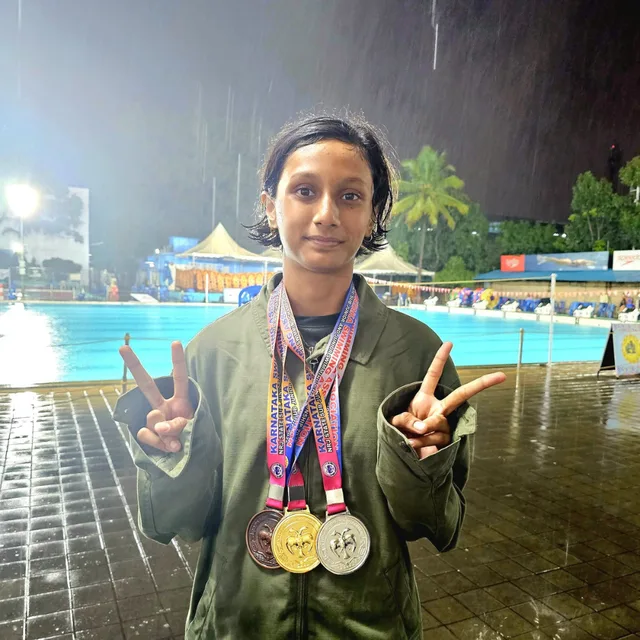
Sanvi Jha
Under 14 Individual Winner Trophy & 3 Swimming Golds
Sports (Swimming)
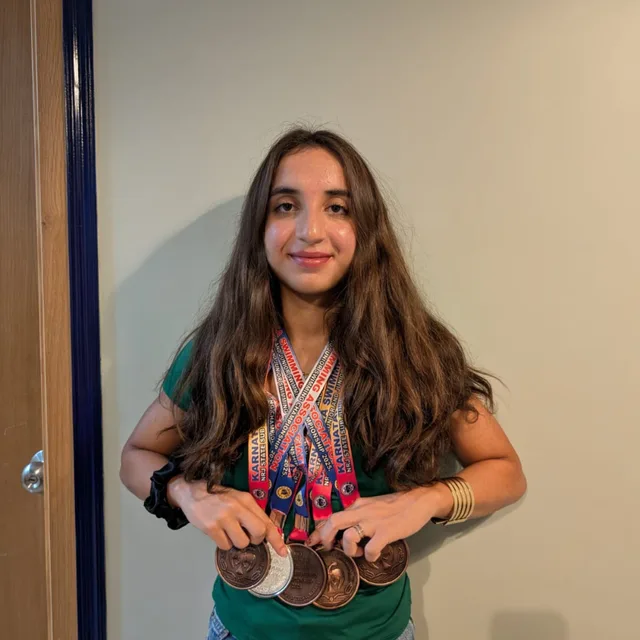
Hiya Manchanda
2 Golds & 1 Silver in Breaststroke at ISSO Nationals (Under 17)
Sports (Swimming)
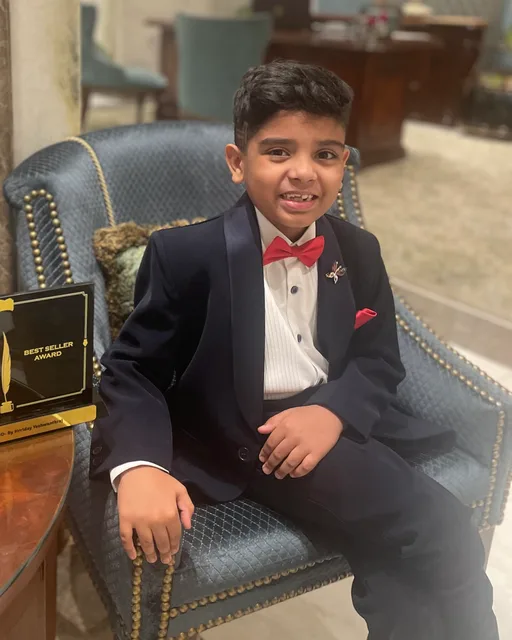
Hridhay Yeshwaanth Raaj
Top 20 Best Selling Author in India at Age 7
Literature
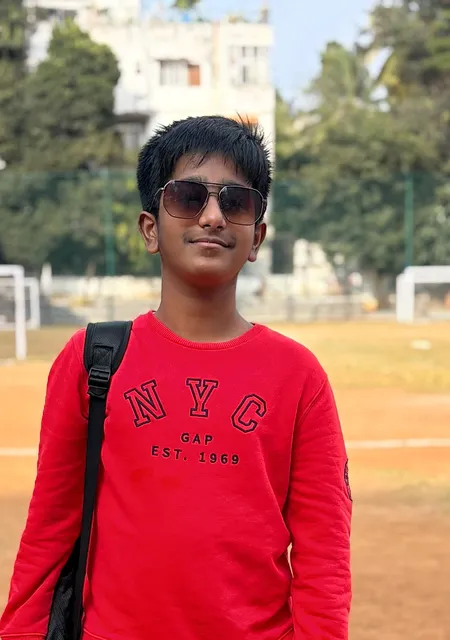
Jitspeed
Author of 6 books, TedEd Speaker
Literature

Nayraa Adarsh Kochar
Senior Diploma in Fine Arts at Age 10
Arts
Empowering every student with a learning path that’s uniquely theirs.
No two learners learn the same way, and no two futures look alike. At 21K School, learning is personalised to meet each learner’s strengths, interests, aspirations, and pace.
Facilitators use continuous assessment, learner reflections, and regular feedback to create meaningful learning experiences that challenge and support every learner.
Learning that fits your child’s life—not the other way around.
Online learning’s greatest strength is the freedom it offers — the ability to learn on your own terms, wherever life takes you.
At 21K School, that flexibility translates into real pathways for real lives.
Helping every learner move beyond expectations.
Acceleration at 21K School is not about rushing through content—it is about ensuring that every learner continues to grow.
Learners who need additional support receive timely intervention, while those ready for greater challenges are provided with enrichment opportunities that extend learning beyond the curriculum.
Behind every child’s “I did it,” stands someone who believed “you can.”
Over 350 dedicated facilitators who are handpicked from across the world to power this journey. They are not limited to a classroom five kilometres from home. With technology by their side, they reach a child a thousand miles away, and with their dedication the physical distance disappears.
Meet the people behind the pathway

Aruna Shetty
Head of Schools and Senior Principal
View Bio
Priya Dwivedi
Principal, Indian Senior School
View Bio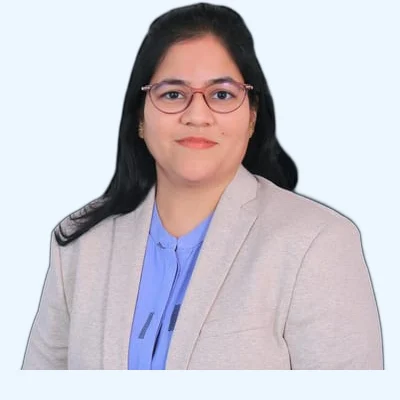
Dr. Amita Kush Mehrotra
Principal, British Senior School
View Bio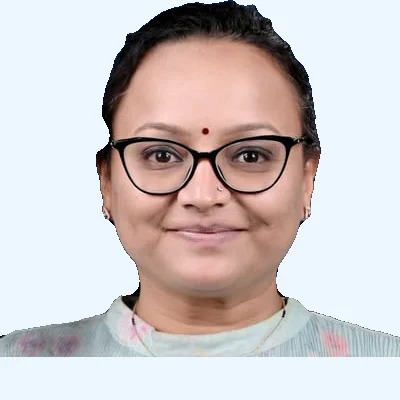
Smita Vishal Pise
Academic Coordinator - Special Needs
View Bio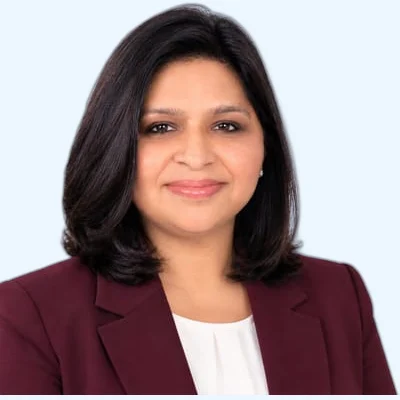
Vandana Khera
Head - Learning Excellence
View Bio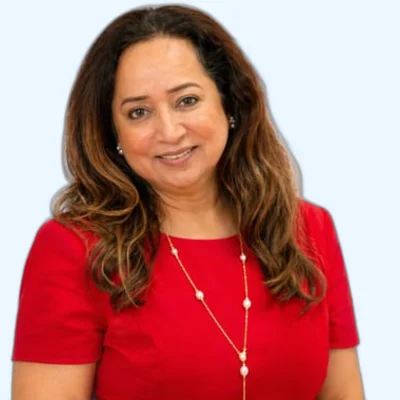
Sheetal Shah
Principal, British School
View Bio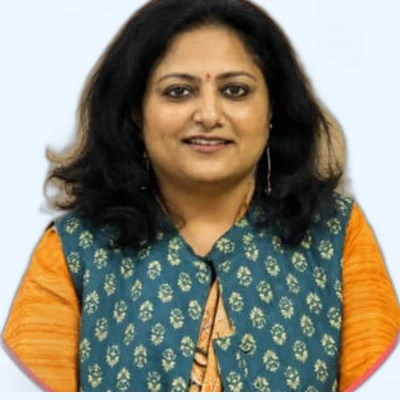
Anita Paul
Principal, Global North and South
View Bio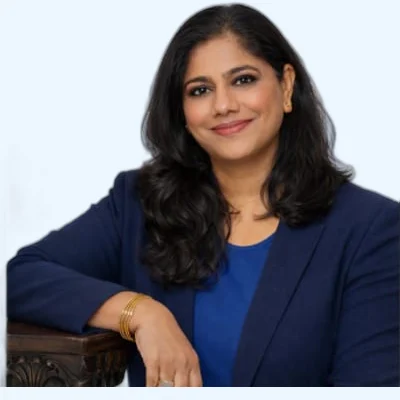
Tanuja Amin
Principal, Indian School
View Bio
Every big idea starts with someone who refuses to accept things as they were. For Yeshwaanth Raaj Parasmal, that idea was simple, and stubborn: education shouldn’t force a child to choose between who they are, and who the world expects them to be.
“We imagined a school without walls, where a child in any part of the world could learn alongside the best minds, mentors, and peers, guided by curiosity instead of curriculum. The 21K School wasn't built to fit into the future of education, it was built to define it.”
Yeshwaanth Raaj Parasmal
Founder & Chief Executive Officer, 21K School
Resources
21K School Brochure
An overview of the 21K School ecosystem, programs and outcomes.
21K School Parent Handbook
Everything a family needs to know, from admissions to daily life.
21K School Parent Infopack
Fees, curricula and admission steps, all in one place.
Before 21K School, education had quietly started measuring success by titles, salaries, and conventional milestones.
Somewhere along the way, curiosity was traded for compliance. Passion took a back seat and happiness became something to chase after achievement, instead of alongside it.
We lead children with the secrets of happiness and success, through a foundation built on:
At the centre of every choice we make: learner success.
Nurturing
At 21K School, we help learners discover their strengths and build the foundations for a fulfilling life.
At 21K School, we nurture these habits every day, helping learners grow in confidence, resourcefulness and independence.
Certified school — 16 Habits of Mind
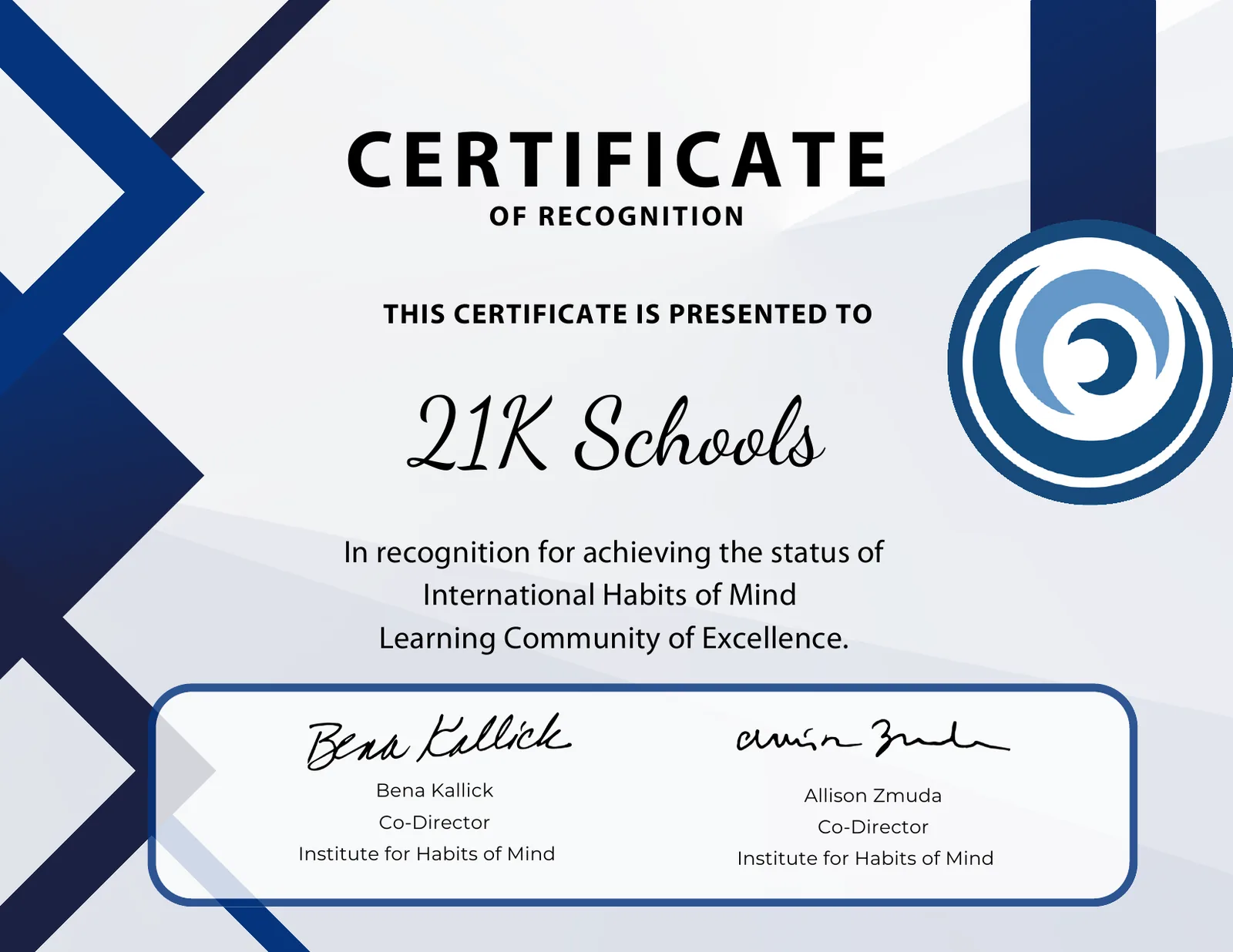 Habits of Mind Learning Community of Excellence
Wherever your child dreams of going, our pathways are built to take them there. Recognised by Cambridge and Pearson Edexcel and following the Indian National Curriculum Framework, our Pathways open doors to national and international universities around the world.
Not just a certificate. A passport.
1 / 2 Our learners
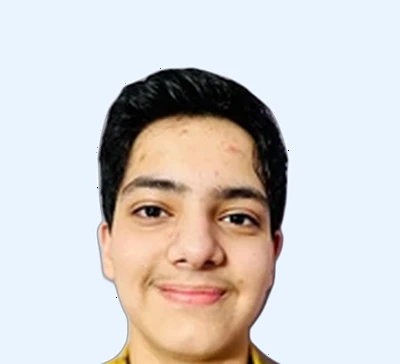
IIT Madras
Vivaan Sharma
Cracked one of India's most competitive engineering admissions from an online-first classroom.
Rensselaer Polytechnic Institute, New York
Debarshi Sen
Took a self-paced STEM pathway all the way to a top US engineering school.
National Law School of India University, Bengaluru
Dhruvika
Balanced board prep with entrance coaching to reach India's premier law school.
Monash University, Melbourne
Bhuvana Vijaya Prathapa
Turned an internationally benchmarked curriculum into a Group-of-Eight admit in Australia.
Hang Seng University of Hong Kong
Ahamed Noohu Maryam
Studied from home, graduated to a global business hub.
University of Turin, Italy
Mahalakhmi Ganesh
An Indian learner whose 21K transcript opened doors to a historic European university.
A complete online schooling experience that combines academic excellence with the flexibility to learn from anywhere in the world. Designed for learners who thrive beyond the boundaries of a traditional classroom, it nurtures curiosity, confidence, and future-ready skills.
An innovative learning ecosystem that empowers schools, educators, and organizations with future-focused educational solutions. FLOWW brings together technology, pedagogy, and meaningful learning experiences to help institutions create engaging, flexible, and impactful education.
A physical space where learning goes beyond the curriculum. From coding and entrepreneurship to creative arts, life skills, and passion projects, the Learning Garage helps learners discover interests, build real-world capabilities, and explore what excites them.
A thoughtfully designed physical school experience rooted in the same learner-first philosophy that defines 21K School. Blending personalized learning, innovation, and meaningful human connections, it reimagines what an offline school can be for today’s generation.
Each one built differently. Each one built for a different kind of child. All built with the same heart.
21K SCHOOL ONLINE
21K School Online
Indian Pathway
Indian Pathway · Indian National Curriculum Framework 2023 (NCF) Aligned Online School
A complete NCF-aligned online school from Nursery to Grade 12, with Senior School delivered through National Institute of Open Schooling (NIOS), a national public school board in India that provides flexible and open distance learning.
Nursery to Grade 8 follows an NCF-aligned pathway; Grades 9 to 12 progress through NIOS.
Not sure which path is right for your child? Let's find it together.
Explore All Programs| School stage | Indian pathway | British pathway | What matters most |
|---|---|---|---|
| Early Years | Nursery, KG1, and KG2; NCF-aligned resources with an EYFS-informed structure | KG1/Reception and KG2/Year 1; British Early Years progression | Age placement, learning readiness, and transition into Grade 1 or Year 2 |
| Primary School | Grades 1–5; NCF-informed Indian curriculum | Cambridge Primary | Foundations, languages, learning approach, and likely future location |
| Middle School | Grades 6–8; NCF-informed Indian curriculum | Cambridge Lower Secondary | Conceptual readiness, growing independence, and preparation for Grade 9 |
| Secondary | NIOS Secondary for Grades 9–10 | Cambridge IGCSE for Grades 9–10 | Qualification type, subjects, examination model, and future Grade 11 choices |
| Senior Secondary | NIOS Senior Secondary for Grades 11–12 | Cambridge AS & A Level or Pearson Edexcel IAL | University eligibility, subject prerequisites, and assessment structure |
Families choose 21K School right across the globe — with localised curriculum, currency and accreditation wherever you are.
The map tours the countries our learners are in. Point at or tap any coloured country to stop and see it; choose a region to light it up.
A parent's story
“We are really happy with 21K School and the experience Bryan has had so far. Earlier, school schedules used to be very hectic and stressful for him, but now he is much more comfortable and happy with learning. One thing we really appreciate is that Bryan now gets enough time for other activities, to spend time with family and also enjoy time with his friends, which he didn’t have earlier. We can clearly see a positive change in him. The teachers are supportive, classes are well managed, and the overall learning environment feels stress-free and child friendly. Bryan is more confident now and enjoys learning at his own pace. Thank you to the entire 21K team for all the support and care.”
Rosy Dcruz, parent of Bryan Nigel Raj, Grade 6
Bengaluru
“Joining 21K has made a real difference for my children, especially in class teachers. The teachers were patient and engaging, and we’ve seen noticeable improvement in reading and confidence in just a few months. The online format also works well for our schedule. We’re happy with the experience so far and grateful for the support.”
Sabina Panwala, parent of Ayaan (Grade 4) and Aaira (Grade 2)
UAE
“Excellent tech support, parents never had to check on access or any other technical issue. Teaching is high level, never feel missed offline school. Syllabus and homework upto mark, nothing more we can ask about. Exam and scoring, exceptional online exam made very easy.”
Nikhil Banatwala, parent of Aarush Nikhil
Czech Republic
“As parents. we would like to take this prospect to thank the teachers for their continuous care, support, collaboration and most importantly patience. I highly recommend unlocking potential! My child became a confident child. Experiencing so many things and doing so much better. I would recommend this school to anyone who wants their child be self motivated. “THANK YOU once again for time and effort.””
Harsimran Kaur, parent of Prabroop Kaur
Thailand
Everything you need to evaluate 21K School for your child, in one place.
What is single parenting? Raising your children in a supportive, independent, and structured manner for growth and development.
ReadBilingual education uses two languages in learning and can support communication, cultural awareness, and confidence among students
ReadDiscover what schooling is, its purpose, key objectives, major challenges, and how modern schooling is shaping the future of learning
ReadYes. The recognition and certification arrangements depend on the pathway selected. The British Pathway is affiliated with Cambridge International (IA702) and Pearson Edexcel (94883) to offer their approved programmes and qualifications. The Indian Pathway from Classes 1 to 8 is aligned with India’s National Curriculum Framework. For senior grades, learners prepare for Secondary and Senior Secondary qualifications through NIOS, subject to its eligibility and examination requirements. Certificates for board-level qualifications are issued by the respective examination body. Families living outside India should also confirm whether the selected qualification meets the admission, equivalence or regulatory requirements of their country or intended university.
21K School provides the applicable school progress records and, where eligible, a Transfer Certificate for school stages administered by 21K. Board-level statements of marks and certificates are issued by the relevant examination body, such as Cambridge International, Pearson Edexcel or NIOS. The documents available depend on the learner’s pathway, class, period of attendance, academic completion, document verification and clearance of applicable dues. Families who may transfer should speak with the School Office before withdrawing so that the requirements and timelines are clear.
The name reverses “K–12” to “21K”. It reflects another way to think about school: begin with the learner and design the pathway, pace, technology and human support around how that learner can progress.
Both models can offer structure, teaching, assessment and community, but the experience is different. A physical school brings learners together on one campus. 21K School Online provides live classes, a defined timetable, facilitator guidance, assessments and school activities through a purpose-built online model. The better choice depends on the learner. Families often consider 21K when they need greater flexibility, continuity across locations, more pathway or timing choices, or room to pursue sport, arts, travel or other serious interests.
No. 21K is a complete online school option for families choosing structured schooling from home or another suitable location. Learners join for many reasons, including flexible schedules, international mobility, sport or performing-arts commitments, health considerations, dissatisfaction with a previous school, or a preference for personalised online learning.
21K was designed as an online school rather than as a physical timetable transferred to video calls. Live teaching works with the learning platform, digital resources, feedback, assessments, progress data, learner support and online community experiences as one model. The distinction is not simply where a class is watched. It is how the entire school experience is organised for online participation, continuity and personalisation.
Tell us a little about your family and an advisor will reach out — no obligation.
Cookies on 21K School
Essential cookies keep the site working. With your OK we also use analytics and marketing cookies. Privacy policy · Cookie policy