

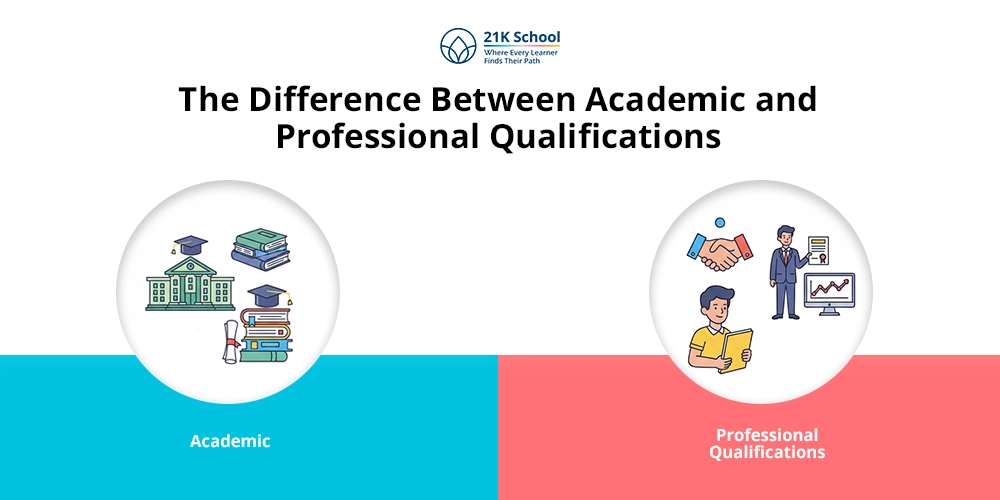
Have you ever wondered why academic qualifications and professional qualifications are not similar?
Academic and professional qualifications are two quite different things with regard to the choice of career that must be comprehended to make the right choices. Academic qualifications focus on the subject-based theoretical knowledge , research, and learning and these are usually offered in schools, colleges and universities.
They help in creating a proper educational foundation and the capacity to think logically. Professional qualifications, however, place emphasis on work skills, on-the-job training and industry-specific knowledge required in order to qualify to work in a job or a profession.
They are identified by professional bodies and normally provide one with direct employment training. The perception of the variations of the two learning methods helps students and practitioners choose the qualification that can most easily steer them towards their career goals.
Contents
What is Academic Qualification?
An academic qualification is a formal qualification that is attained by attending an organised school, college or university. It focuses on theoretical knowledge, knowledge of the subject , and ideas in a given discipline .
They consist of high school certificates, diplomas, undergraduate, master’s and PhD. Qualifications helps students in developing critical thinking , research and an excellent educational background.
They are required in higher education and in the majority of employment opportunities. They provide the broad knowledge which one needs to know a topic well and then apply it in practical life.
What is a Professional Qualification?
A professional qualification is a certification that provides people with practical skills, industry-related knowledge that allows them to pursue a given career.
These qualifications are recognised by the expert organisations or the regulatory bodies of the industry, which ensure students obtain the requirements they need to successfully qualify for employment.
Professional qualifications do not follow the same path as an academic qualification since they are based on practical preparation, practical performance and professional preparedness. They can also help individuals not only to gain specialised knowledge and become more employable, but also to follow industry trends.
Key Difference Between Academic and Professional Qualifications
The critical difference is that academic qualifications help to achieve theoretical knowledge, research and general knowledge about a topic; conversely, the professional qualifications help to achieve practical skills and training that is work-specific. The following are the key differences between academic qualifications and professional qualifications.
| Aspect | Academic Qualification | Professional Qualifications |
| Meaning | Academic qualifications are defined as formal education that is attained in school, college, or university. | A professional qualification is an industry-specific certification that makes one fit in a career or job position. |
| Focus | Academic qualifications aim at theoretical information and conceptual knowledge. | Professional qualifications are concerned with practicality and application skills. |
| Objective | Academic qualifications aim at developing an effective educational base. | The aim of professional qualifications is to develop job-ready skills in a given profession. |
| Broad-based Learning | Academic qualification is broad in nature and influences intellectual development in general. | A professional qualification is very narrow, specialised and bound to a specific field. |
| Provider | Schools, colleges and universities provide academic qualifications. | Professional qualifications are offered by professional bodies, certification authorities and industry organisations. |
| Examples | Examples of academic qualifications are B.A., B.Sc., M.A., M.Sc., or PhD. | Examples of Professional qualification are CA, CFA, PMP, or ACCA. |
1. Meaning
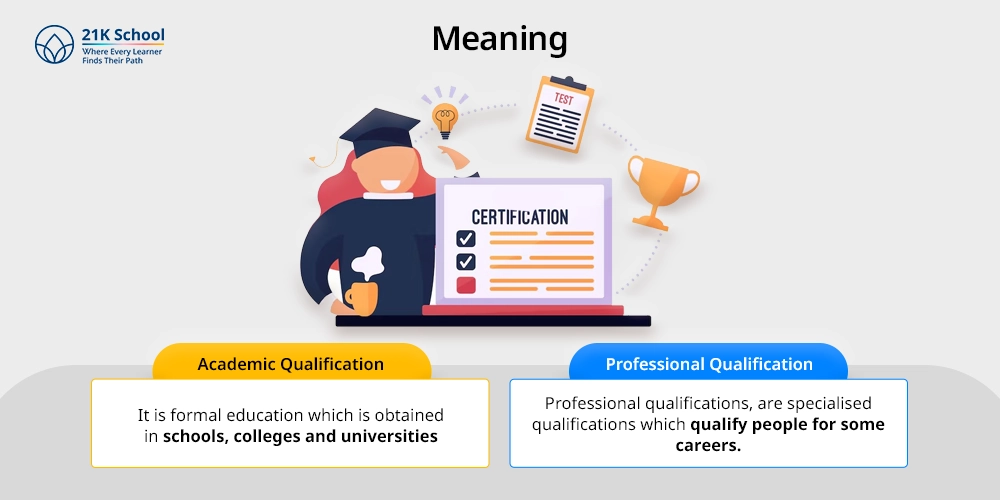
Academic Qualification: Academic qualification is formal education which is obtained in schools, colleges and universities, and here the focus is to establish a good foundation of knowledge in various subjects.
Professional Qualification: Professional qualifications, on the other hand, are specialised qualifications which qualify people for some careers.
2. Focus
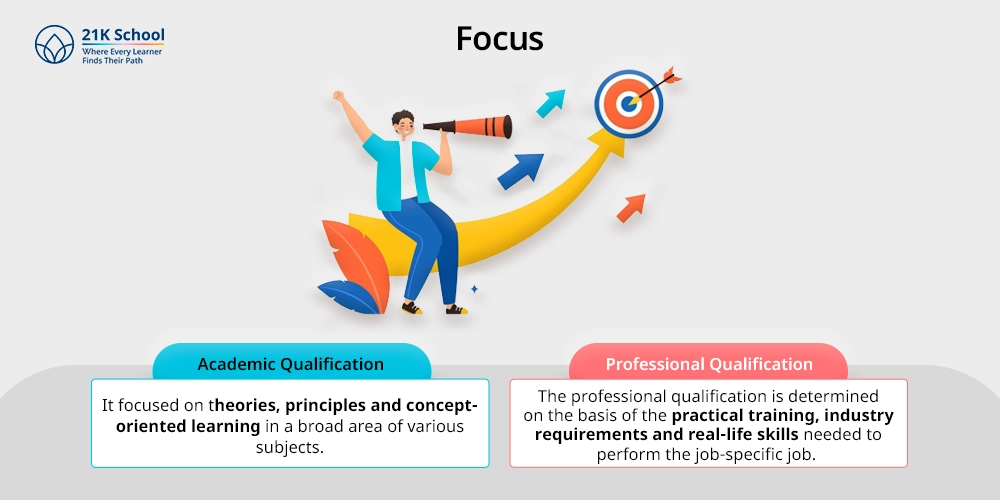
Academic Qualification: Academic qualifications are focused on theories, principles and concept-oriented learning in a broad area of various subjects. They anticipate learning how to think critically , possess general knowledge and intellectual growth.
Professional Qualification: The professional qualification is determined on the basis of the practical training, industry requirements and real-life skills needed to perform the job-specific job. They emphasise experience, technical skills, and application of expertise in the working environment.
3. Objective
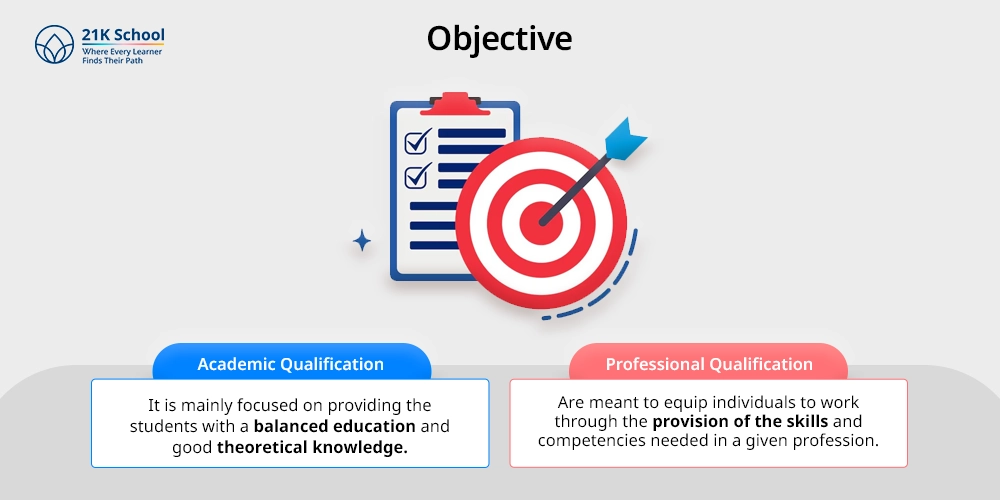
Academic Qualification: Academic qualification is mainly focused on providing the students with a balanced education and good theoretical knowledge. They help the learners to think critically and provide them with higher education .
Professional Qualification: Professional qualifications, on the other hand, are those that are meant to equip individuals to work through the provision of the skills and competencies needed in a given profession. They target the improvement of employability, industry expertise and professional growth.
4. Broad-based Learning
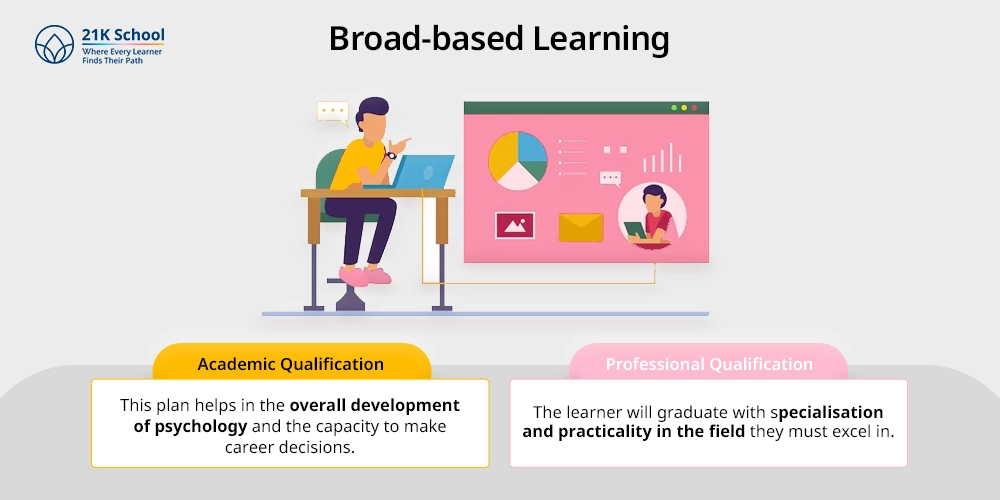
Academic Qualification: Academic learning is a very general topic since students can move in many directions and develop an enormous intellectual base. This plan helps in the overall development of psychology and the capacity to make career decisions.
Professional Qualification: Professional learning is not general but specific and focused. It simply teaches the directly related issues of a given profession, and in this respect, the learner will graduate with specialisation and practicality in the field they must excel in.
5. Application
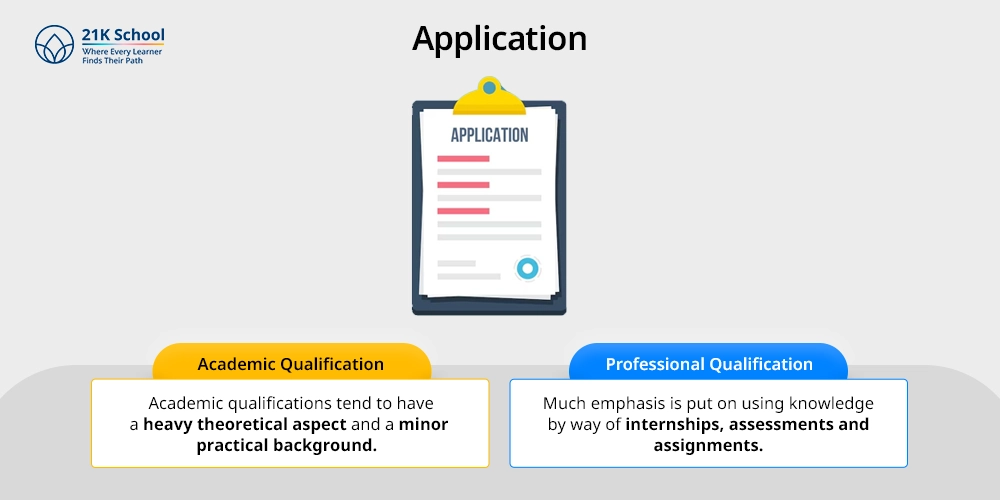
Academic Qualification: Academic qualifications tend to have a heavy theoretical aspect and a minor practical background. The students familiarise themselves with concepts and formulas without necessarily putting them into practice in the real world.
Professional Qualification: The opposite of this is with professional qualifications, where much emphasis is put on using knowledge by way of internships, assessments and assignments.
6. Provider
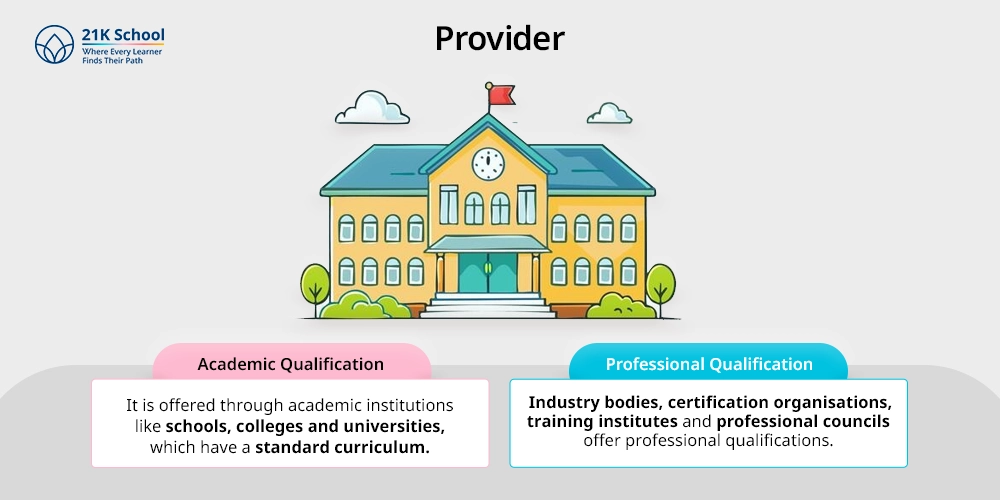
Academic Qualification: Academic qualifications are offered through academic institutions like schools, colleges and universities, which have a standard curriculum .
Professional Qualification: Industry bodies, certification organisations, training institutes and professional councils offer professional qualifications.
7. Examples
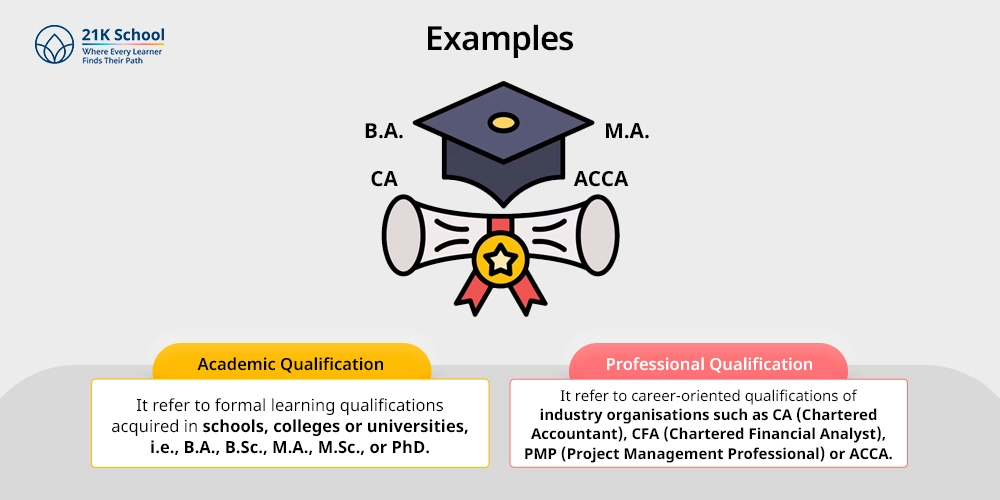
Academic Qualification: Academic qualifications refer to formal learning qualifications acquired in schools, colleges or universities, i.e., B.A., B.Sc., M.A., M.Sc., or PhD.
Professional Qualification: Professional qualifications refer to career-oriented qualifications of industry organisations such as CA (Chartered Accountant), CFA (Chartered Financial Analyst), PMP (Project Management Professional) or ACCA.
Benefits of Academic Qualification
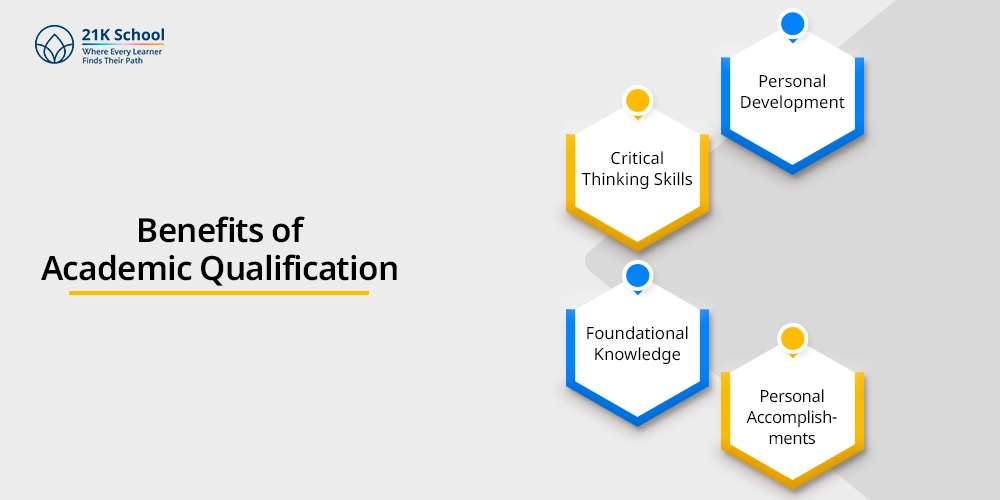
Academic qualifications have the benefits of better career prospects, higher potential incomes, personal development in critical thinking and analysis, and networking, socialisation. These are the advantages of an academic qualification.
1. Personal Development
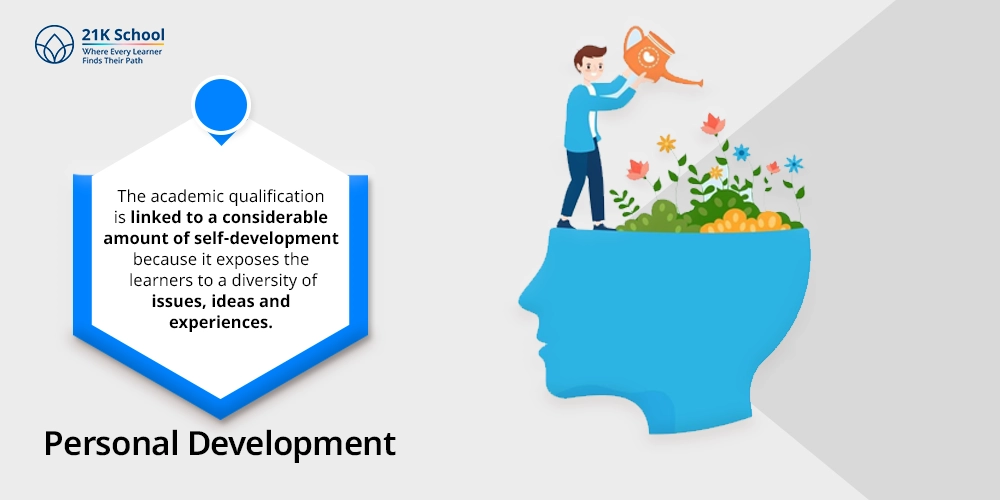
The academic qualification is linked to a considerable amount of self-development because it exposes the learners to a diversity of issues, ideas and experiences.
They facilitate building confidence, building communication skills and personalisation of personality of a person. Well-structured learning environments introduce disciplines, responsibility and time management in the student.
2. Critical Thinking Skills
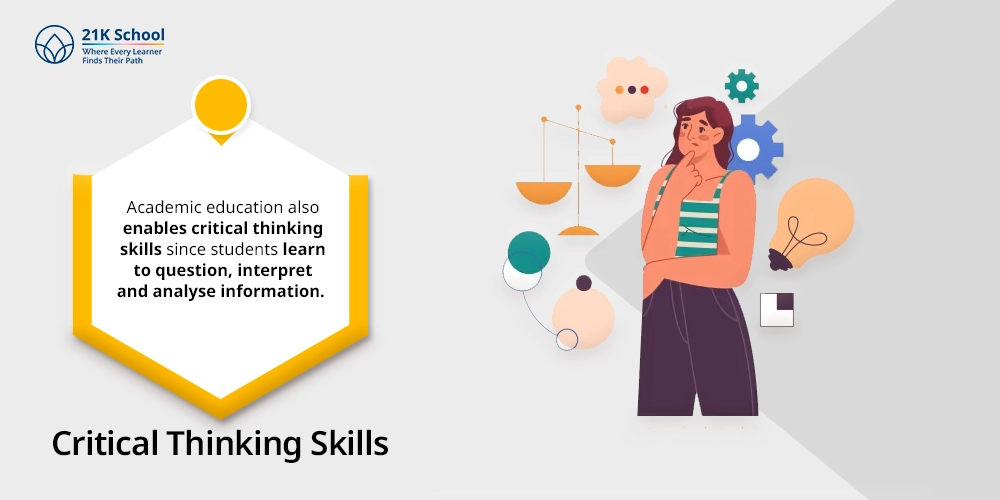
Academic education also enables critical thinking since students learn to question, interpret and analyse information. The students get to understand how to approach problems in an intelligent manner and make a decision during assignments, discussions and research work.
These are the abilities that are essential in both academic achievements and also in life situations where one is supposed to think critically.
3. Foundational Knowledge
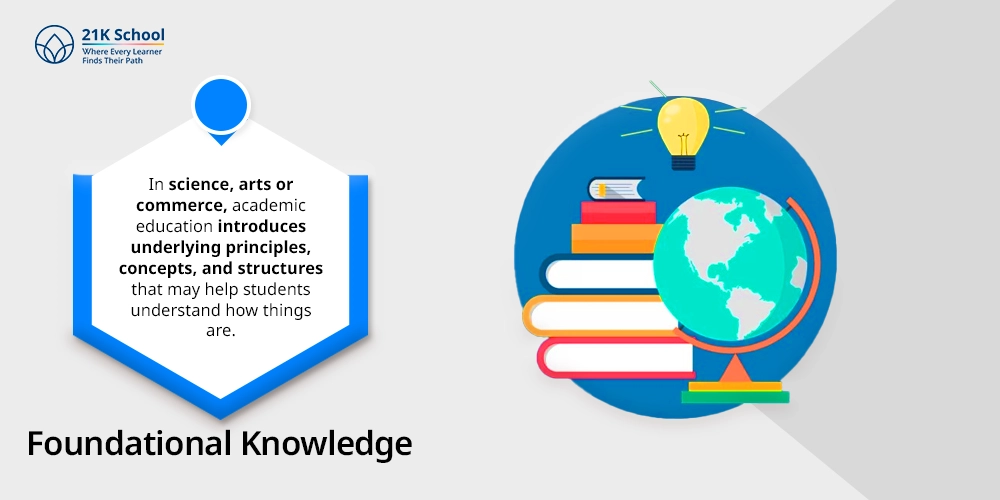
The educational degree provides the required theoretical information, which forms the basis of an object or profession. In science, arts or commerce, academic education introduces underlying principles, concepts, and structures that may help students understand how things are.
This foundation allows them to be capable of studying at a higher level or being put under professional training, and would have a decent intellectual background on which they could build their future knowledge as specialists.
4. Personal Accomplishments

Academic qualification involves the provision of the achievement and motivation of students . Different courses, tests and certifications boost self-esteem and confidence.
These are the outcomes of hard work, diligence, and brain power. They also lead to accessibility to higher education, scholarships and a career.
Benefits of Professional Qualification
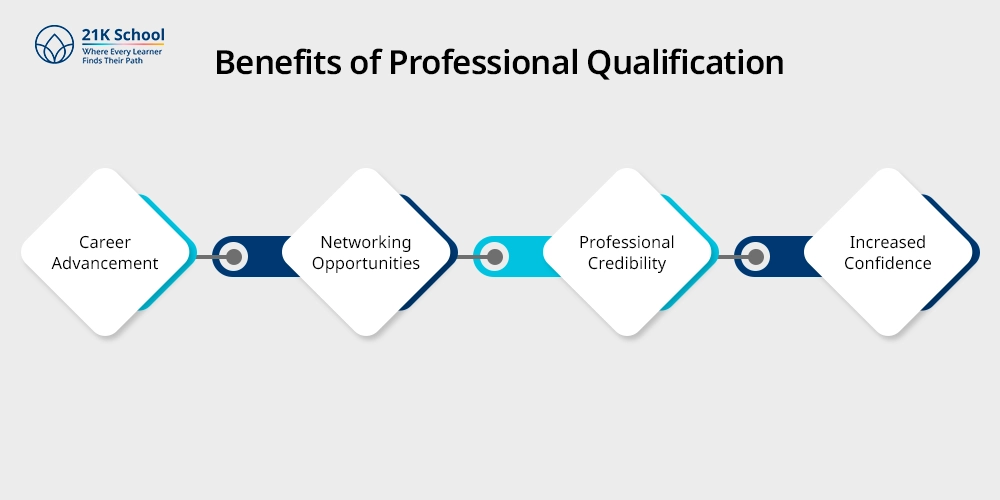
The benefits of professional qualifications include improved level of income, improved employment, as well as a competitive position in the labour market.
They also lead to individual and career development because they are enhancing skills, building confidence , and awarding expertise formally. The advantages of a professional qualification are the following.
1. Career Advancement
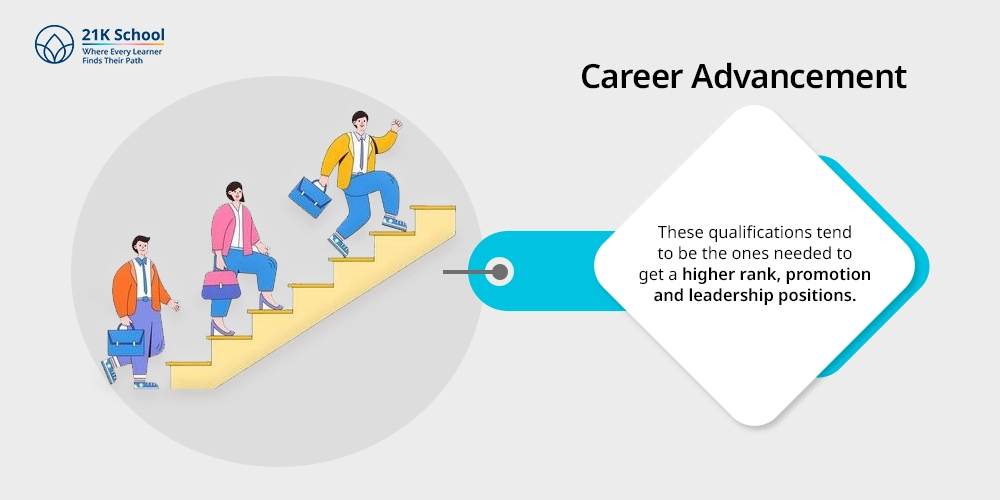
Professional qualifications give people specialised skills which make them competitive in the job market. These qualifications tend to be the ones needed to get a higher rank, promotion and leadership positions.
Professional qualifications through demonstration of knowledge in a certain area are a gateway to more desirable employment, even more pay, and more rapid career advancement. They further assist professionals to remain abreast with industry standards as well as practices.
2. Networking Opportunities
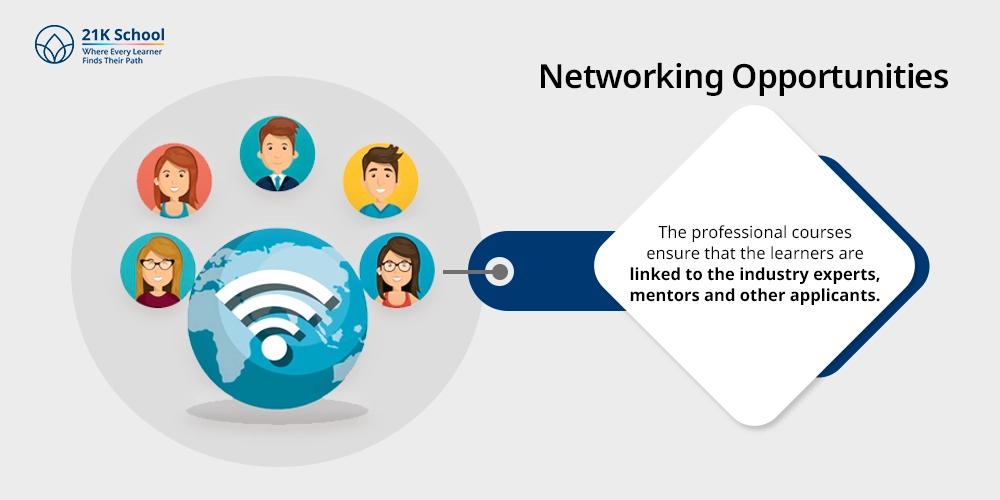
The professional courses ensure that the learners are linked to the industry experts, mentors and other applicants. Such networks offer helpful support, counsel and jobs.
In return, through workshops, seminars and professional events, it is possible to build a network of contacts which eventually can lead to collaborative learning , job referrals and getting to know the industry.
3. Professional Credibility
A professional qualification gives an individual credibility by giving them the assurance that they are well-informed and have the necessary skills that are applied in a given job. By certified workers, employers have a sense of reliability as they meet the industry standards, and they are competent.
These qualifications will boost trust, reliability and reputation within the place of work; employees are most likely to be employed, advanced or assigned with major responsibilities.
4. Increased Confidence
A professional qualification increases self-confidence as it authenticates the competencies and abilities. The practical sessions and the experience gained in the process of the course make an individual feel competent and job-prepared.
This trust is exercised in terms of greater performance, decision-making and communication skills at the workplace.
Making the Right Choice: Academic or Professional Qualifications
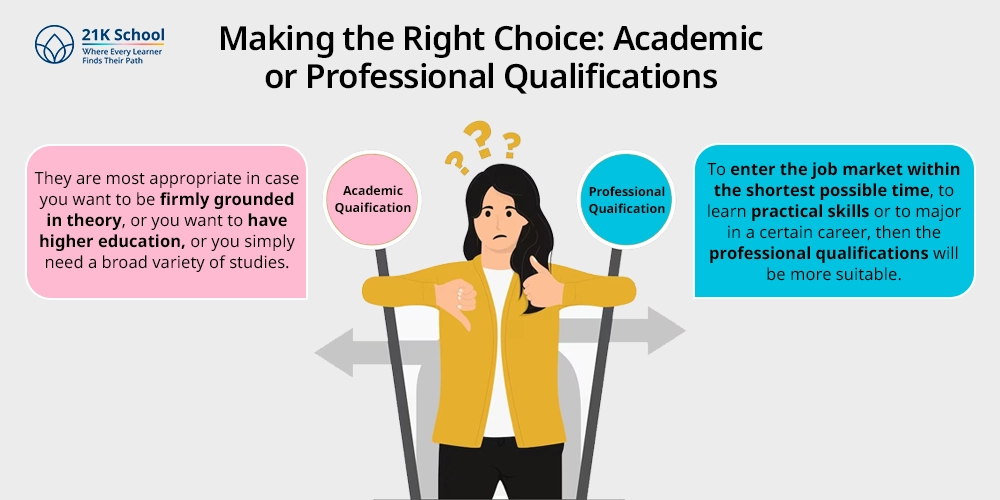
Choosing between an academic or professional qualification depends largely on your career goals, learning styles and career goals. Academic qualifications are most appropriate in case you want to be firmly grounded in theory, or you want to have higher education, or you simply need a broad variety of studies.
However, to enter the job market within the shortest possible time, to learn practical skills or to major in a certain career, then the professional qualifications will be more suitable. They offer work-related training, qualifications accepted by the industry and improved job preparation.
Having a picture of what you want to achieve in your profession will guide you in knowing what kind of course of action will work best with you.
Conclusion
Academic and professional qualifications are essential in helping an individual to build a career, though the two are applied differently.
Academic qualifications are made up of a good theoretical background and a general education foundation, whereas professional qualifications are made up of job-specific, specialised skills needed in specific industries.
Such information may help the students and professionals to make the right decision on the basis of their goals. When the two types of qualification are in good combination, they might also contribute greatly to career opportunities and growth in the future.

You may also want to read