


Have you noticed today’s modern classrooms have diverse learners?
This means no learners are exactly the same. Each learner is unique such as some communicate in different languages, some are fast learners while others have unique learning styles .
Diversity in the classroom offers unique experiences to learners and facilitators. Learners understand how to connect and collaborate with other learners. While facilitators guide them together to promote equality.
To understand everything about diversity in the classroom, let’s go through a detailed blog. We will cover its meaning, importance, benefits, examples, challenges and key strategies.
Contents
- What is Diversity in the Classroom?
- Importance of Diversity in the Classroom
- Examples of Diversity in the Classroom
- 7 Types of Diversity in the Classroom
- Why Diversity in the Classroom Matters?
- 5 Benefits of Diversity in the Classroom
- 4 Key Strategies to Promote Diversity in the Classroom
- Role of Education in Creating Positive Attitude towards Diversity
- 5 Activities to Promote Diversity in the Classroom
- 4 Tips for Learners to Embrace Diversity in the Classroom
- 5 Challenges to Diversity in the Classroom
- Conclusion
What is Diversity in the Classroom?
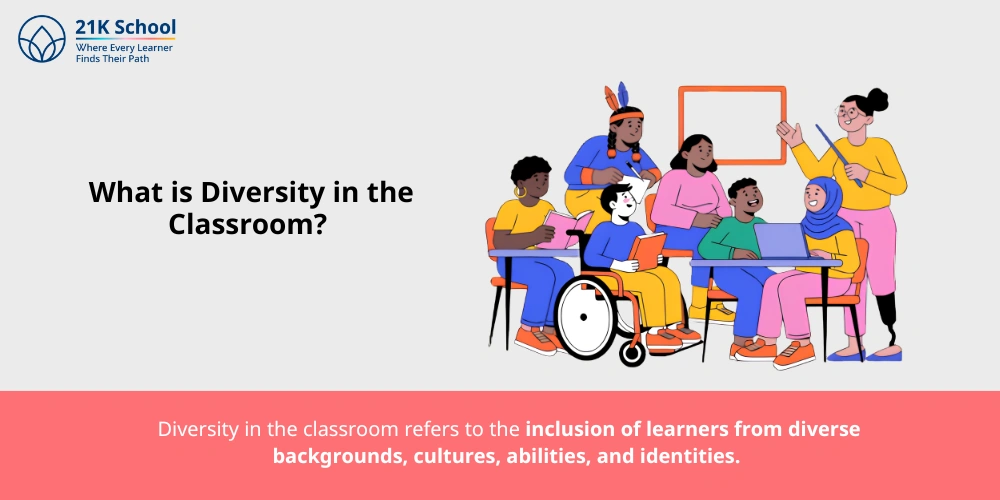
Diversity in the classroom refers to the inclusion of learners from diverse backgrounds, cultures, abilities, and identities.
For example, race, ethnicity, socioeconomic status, religion, and gender. Instead of dividing learners as per their abilities let them learn with collaboration.
Diverse learning in the classroom promotes learners to become academically, socially, and emotionally strong.
Importance of Diversity in the Classroom
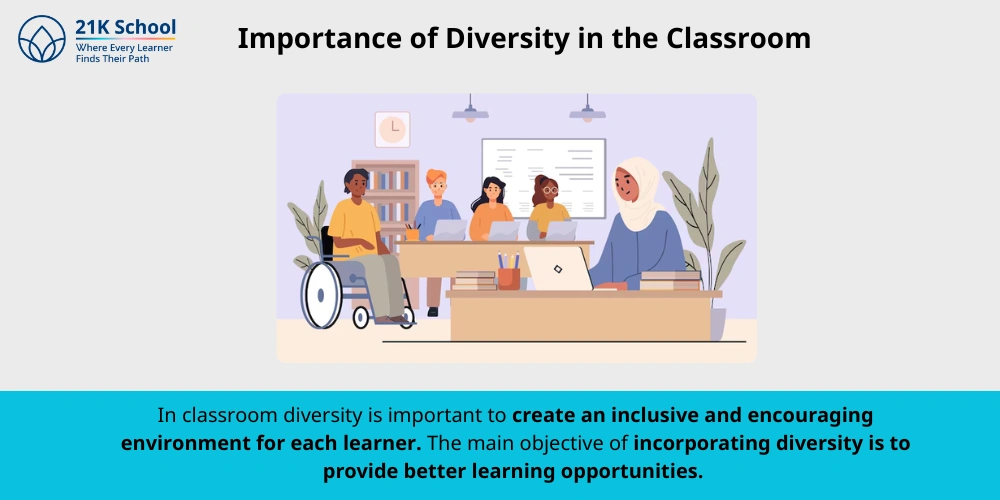
In classroom diversity is important to create an inclusive and encouraging environment for each learner. The main objective of incorporating diversity is to provide better learning opportunities.
There are many teaching strategies designed for diverse learners to make sure that all get better learning experiences.
The well-trained facilitators are important to understand the needs, spread the awareness, cooperate with children, and provide flexible learning .
Student diversity in the classroom is important because:
- It promotes respect and understanding among learners from different backgrounds.
- Incorporating diversity enhances critical thinking through exposure to diverse perspectives.
- It also prepares learners for a global and multicultural society.
- Facilitators encourage inclusivity and reduce bias or discrimination in the classroom.
- It improves overall learning experiences and academic outcomes.
Examples of Diversity in the Classroom
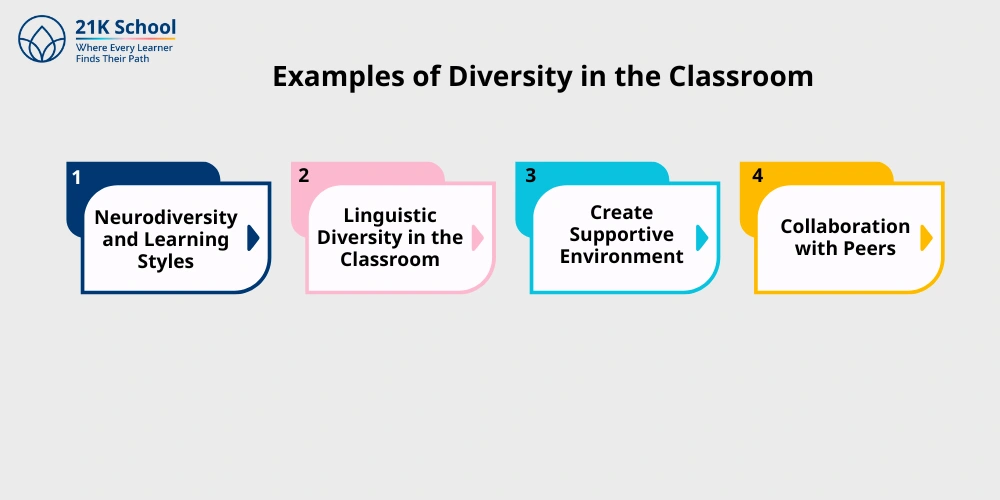
By understanding different examples of diversity in the classroom, one can understand how to implement it accurately.
1. Neurodiversity and Learning Styles
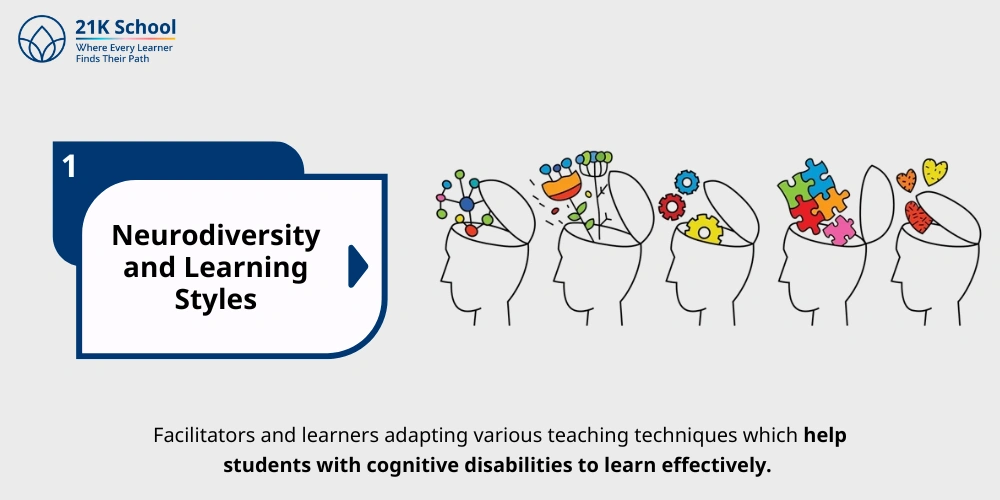
Facilitators and learners adapting various teaching techniques which help students with cognitive disabilities to learn effectively.
2. Linguistic Diversity in the Classroom
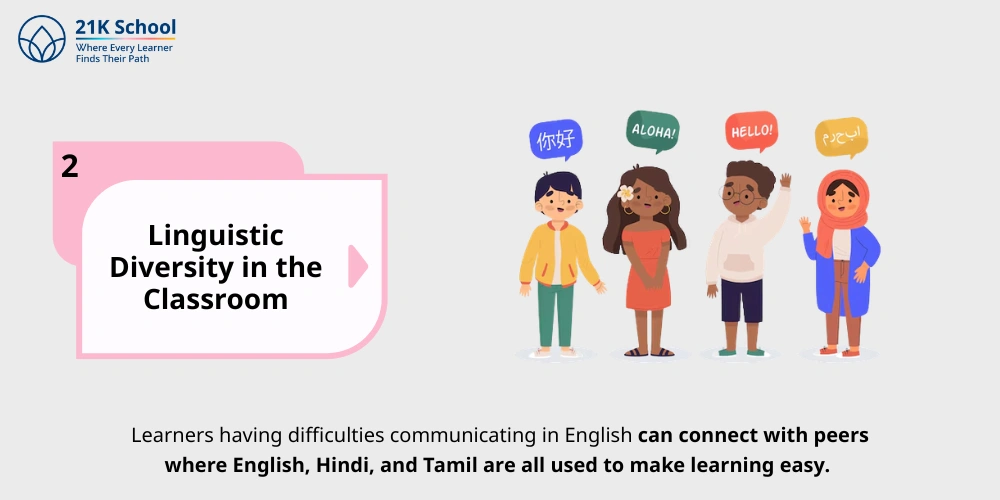
Learners having difficulties communicating in English can connect with peers where English, Hindi, and Tamil are all used to make learning easy.
3. Create Supportive Environment
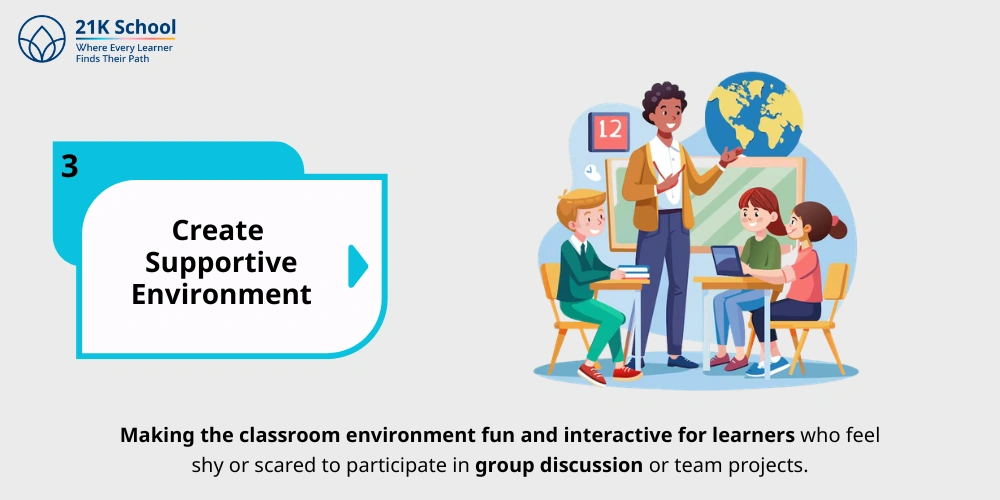
Making the classroom environment fun and interactive for learners who feel shy or scared to participate in group discussion or team projects.
4. Collaboration with Peers
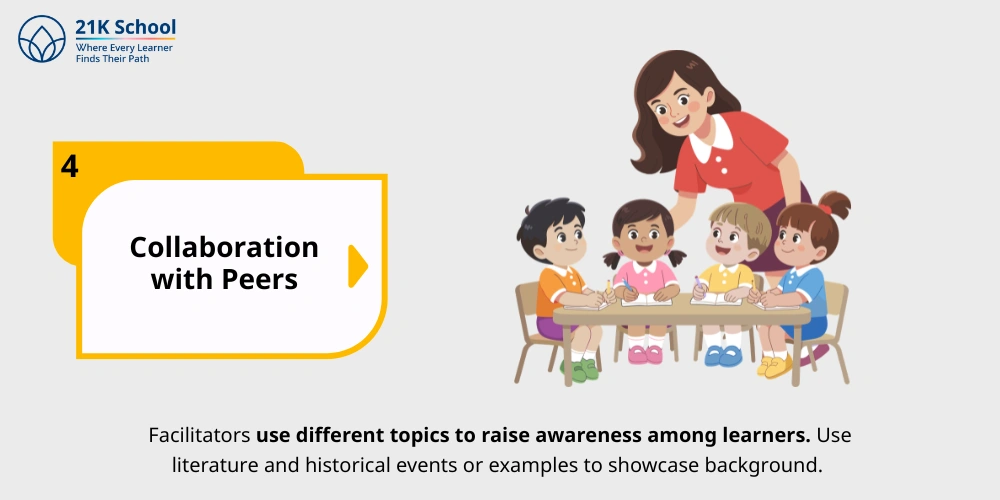
Facilitators use different topics to raise awareness among learners. Use literature and historical events or examples to showcase background.
7 Types of Diversity in the Classroom
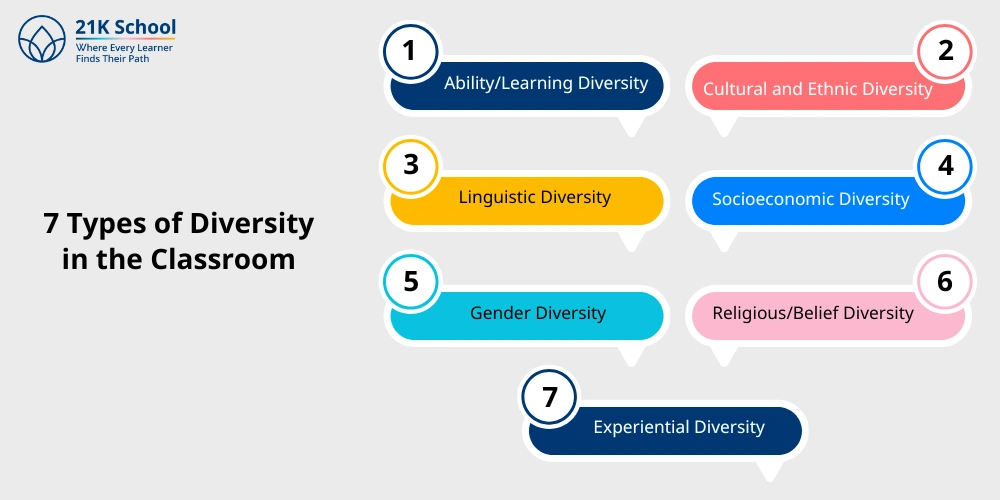
In classroom learning, diversity connects people with different features to bring equality, respect, and equal access to education.
1. Ability/Learning Diversity
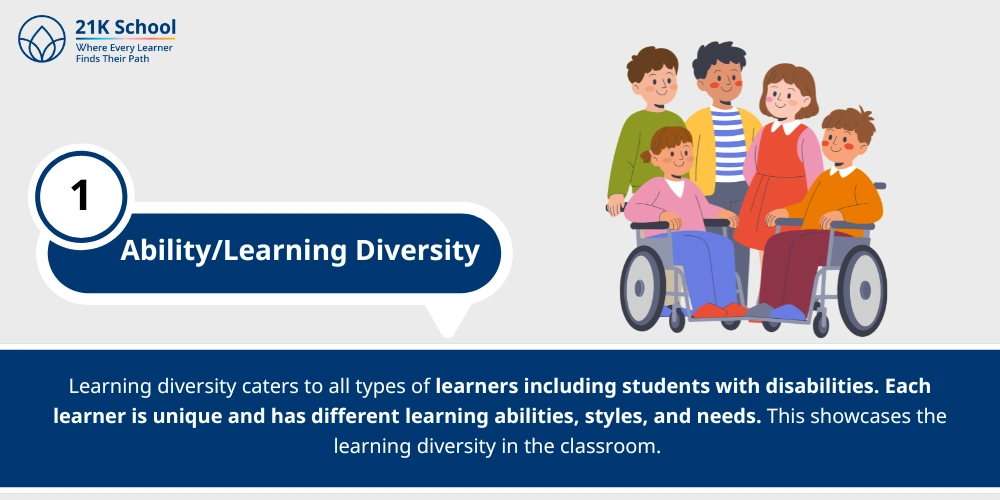
Learning diversity caters to all types of learners including students with disabilities.
Each learner is unique and has different learning abilities, styles, and needs. This showcases the learning diversity in the classroom.
For example, some learners grab concepts in the first attempt while others are slow learners who need detailed guidance or practical approach.
2. Cultural and Ethnic Diversity
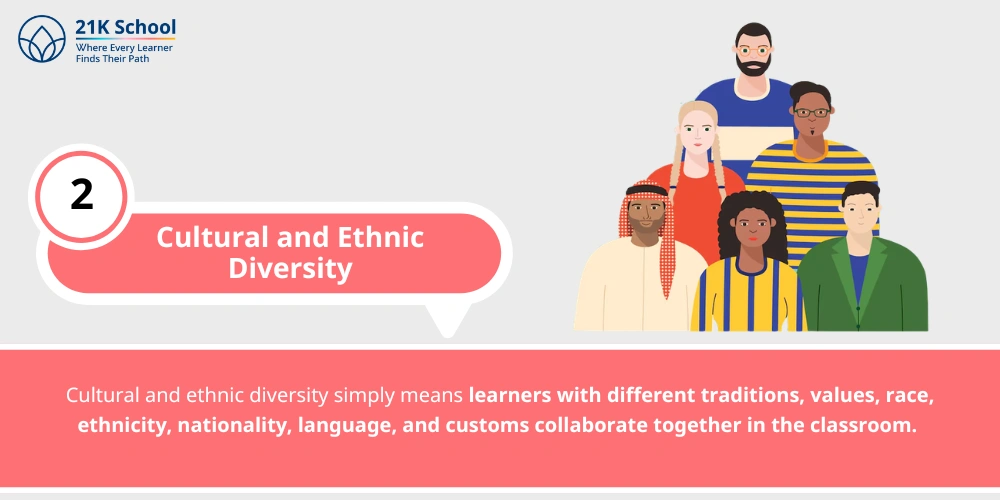
Cultural and ethnic diversity simply means learners with different traditions, values, race, ethnicity, nationality, language, and customs collaborate together in the classroom.
Including multicultural learning and celebrating important cultural days are helpful to promote classroom diversity.
3. Linguistic Diversity
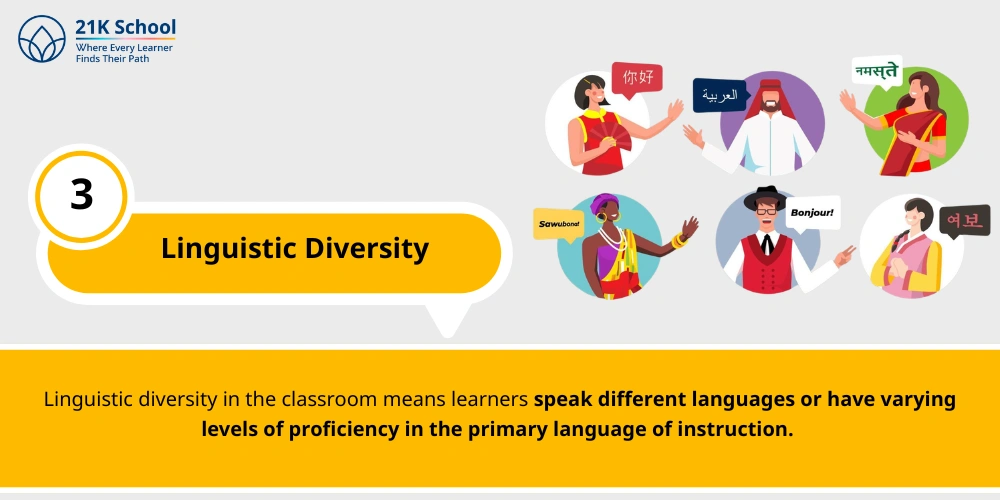
Linguistic diversity in the classroom means learners speak different languages or have varying levels of proficiency in the primary language of instruction.
This helps learners to learn multilingual skills.
4. Socioeconomic Diversity
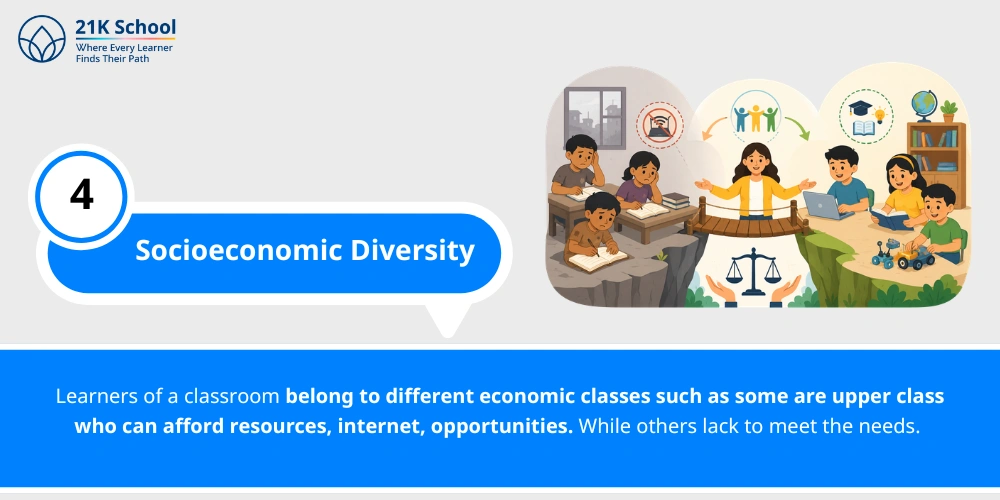
Learners of a classroom belong to different economic classes such as some are upper class who can afford resources, internet, opportunities. While others lack to meet the needs.
By incorporating socioeconomic diversity in the classroom, facilitators can create awareness and provide equal opportunities.
5. Gender Diversity
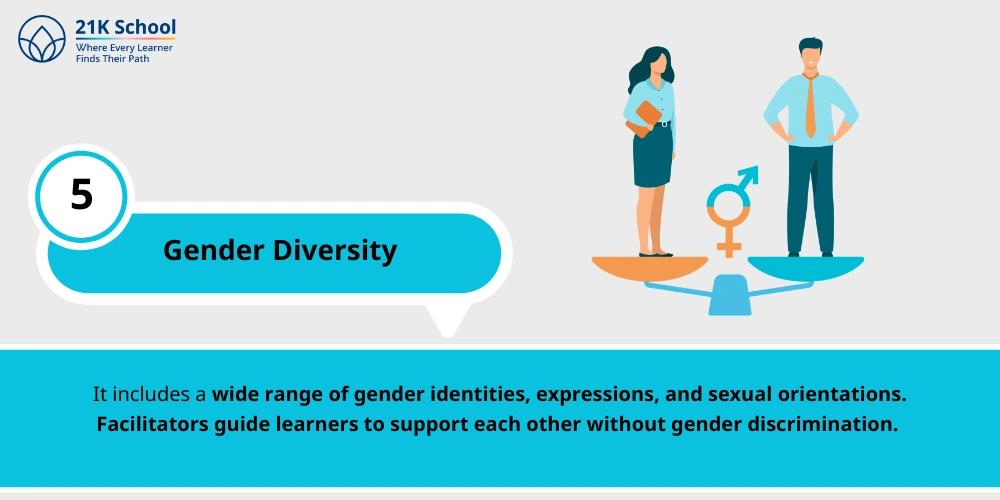
It includes a wide range of gender identities, expressions, and sexual orientations. Facilitators guide learners to support each other without gender discrimination.
In this way, learners respect and value each peer.
6. Religious/Belief Diversity
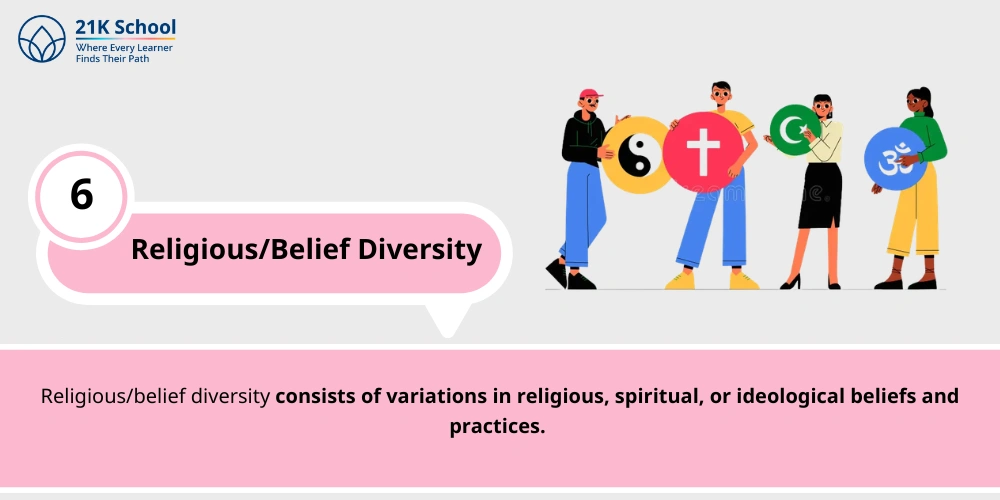
Religious/belief diversity consists of variations in religious, spiritual, or ideological beliefs and practices. Discrimination with people on the basis of religion or their belief is inappropriate.
There are a variety of religious beliefs and one should value each other in the world.
7. Experiential Diversity
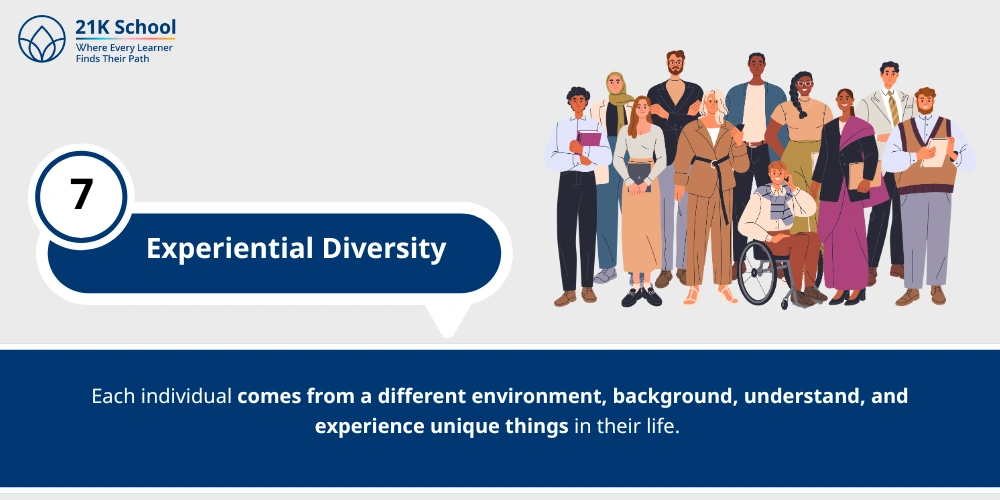
Each individual comes from a different environment, background, understand, and experience unique things in their life.
Sharing these experiences with each other in the classroom makes them future ready.
Why Diversity in the Classroom Matters?
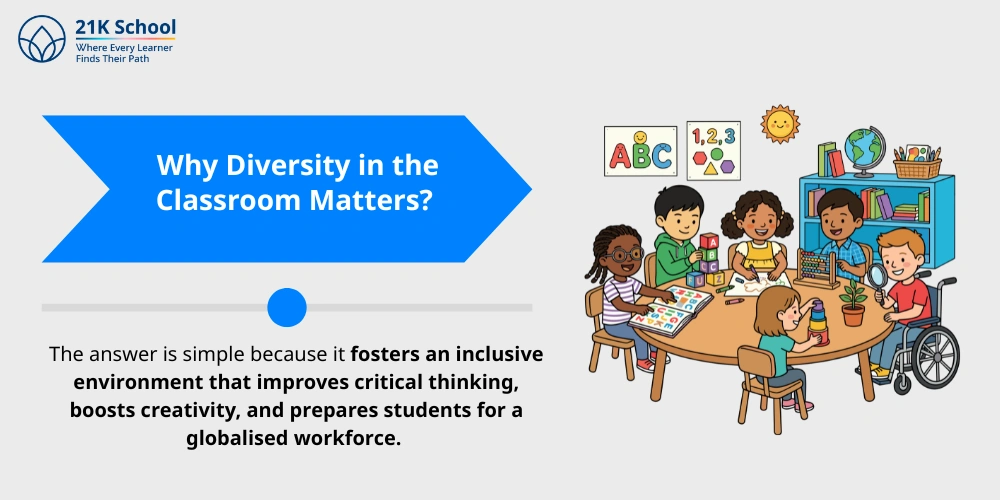
For effective implementation of diversity in the classroom, individual needs to understand a simple question:
Why Diversity in the Classroom Matters?
The answer is simple because it fosters an inclusive environment that improves critical thinking, boosts creativity, and prepares students for a globalised workforce.
To understand in detail points, let’s go through some of the key benefits of diversity in the classroom.
5 Benefits of Diversity in the Classroom
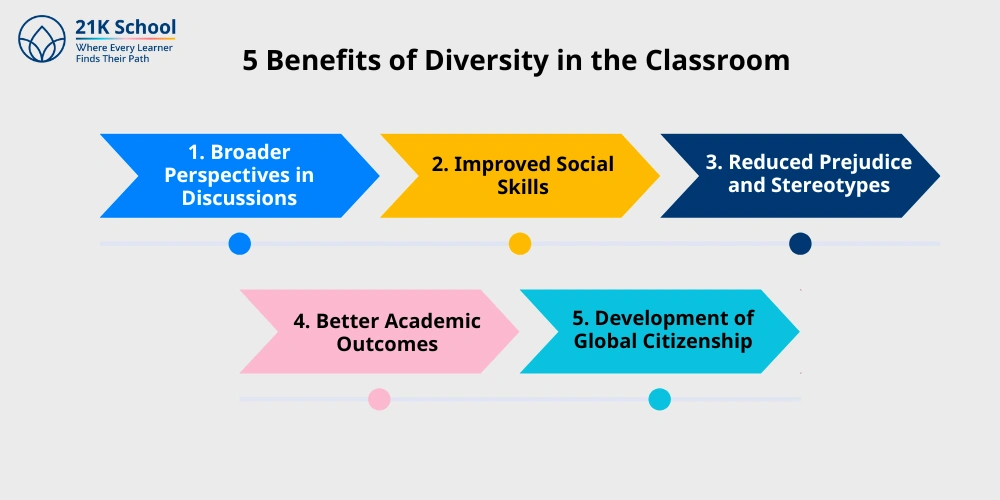
Encouraging diversity in the classroom provides various benefits and opportunities. For example, social connection, collaboration and togetherness.
Given below are the key benefits of diversity in the classroom:
1. Broader Perspectives in Discussions
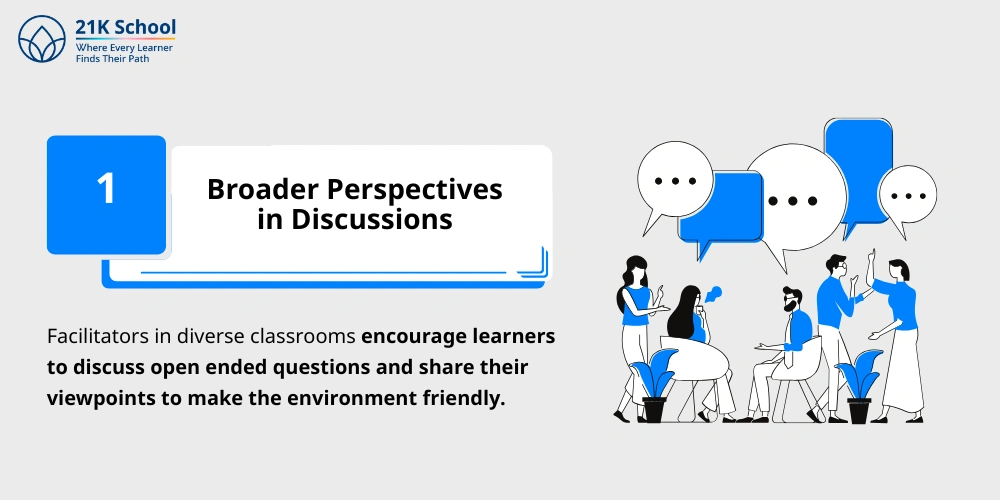
Facilitators in diverse classrooms encourage learners to discuss open ended questions and share their viewpoints to make the environment friendly.
Discussions help in sharing experiences and knowledge of different cultures, beliefs, and traditions.
2. Improved Social Skills
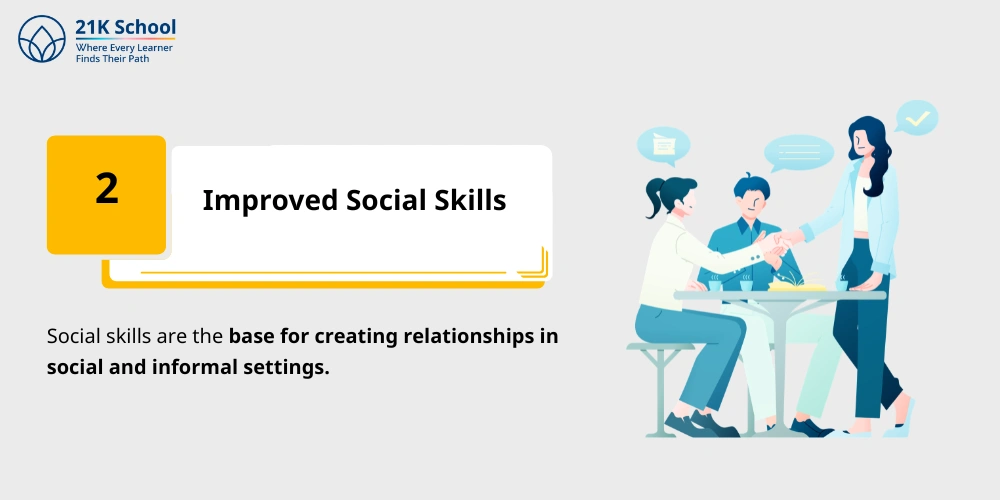
Social skills are the base for creating relationships in social and informal settings.
Diversity helps in improving learners’ social skills such as communication, teamwork, and empathy. In this way, learners are able to adapt to cultural gaps.
3. Reduced Prejudice and Stereotypes
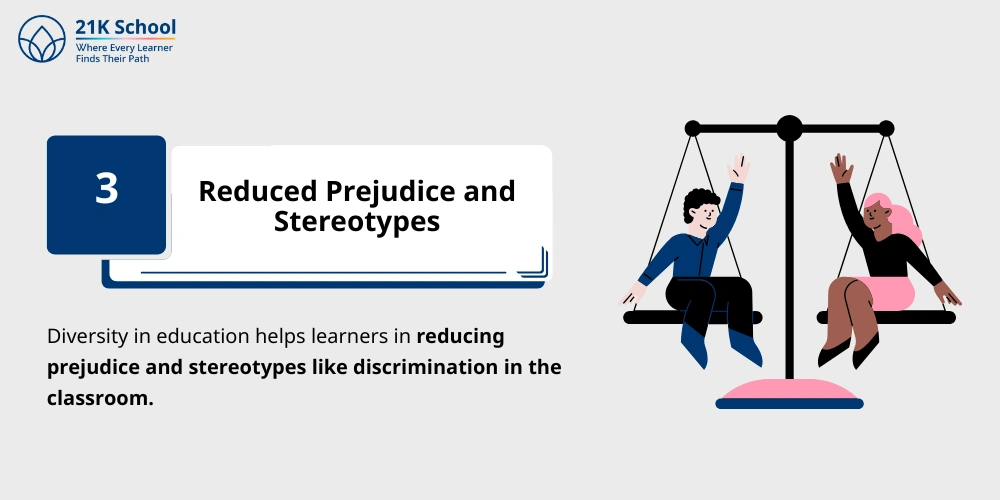
Diversity in education helps learners in reducing prejudice and stereotypes like discrimination in the classroom.
Through regular interactions, sharing knowledge, and curiosity to know different cultures reduces prejudice and promotes inclusivity.
In this way, learners understand how to live peacefully and respectfully in society.
4. Better Academic Outcomes
For better academic outcomes, learners need positive environments which promote learning, collaboration, empathy, and reduce misconceptions.
It helps learners to build good habits and perform better academically.
5. Development of Global Citizenship
Learning is not limited to the classroom or school. Understanding the global perspective helps learners to develop awareness, respect, and responsibility toward people from different cultures.
In this way, learners become responsible and good citizens.
4 Key Strategies to Promote Diversity in the Classroom
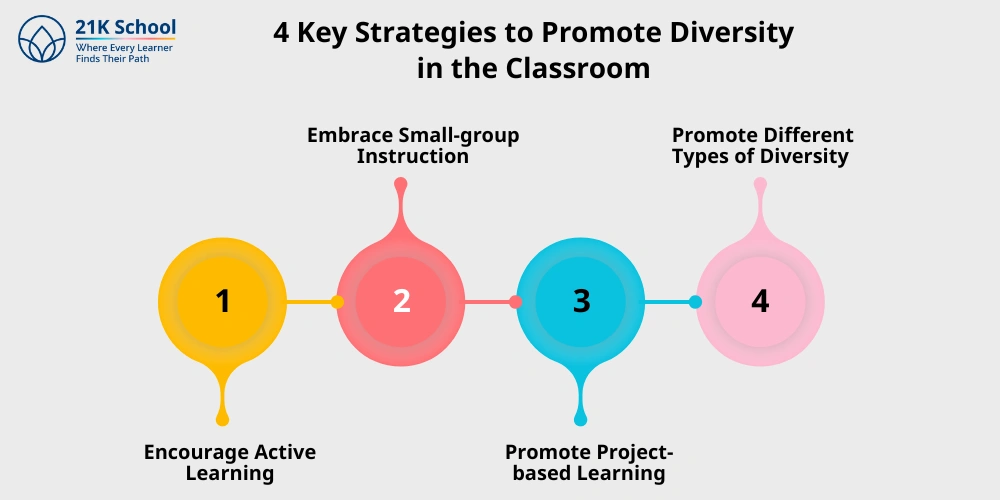
People often look for effective ways to promote diversity in the classroom. Mentioned teaching strategies for diverse students in the classroom:
1. Encourage Active Learning
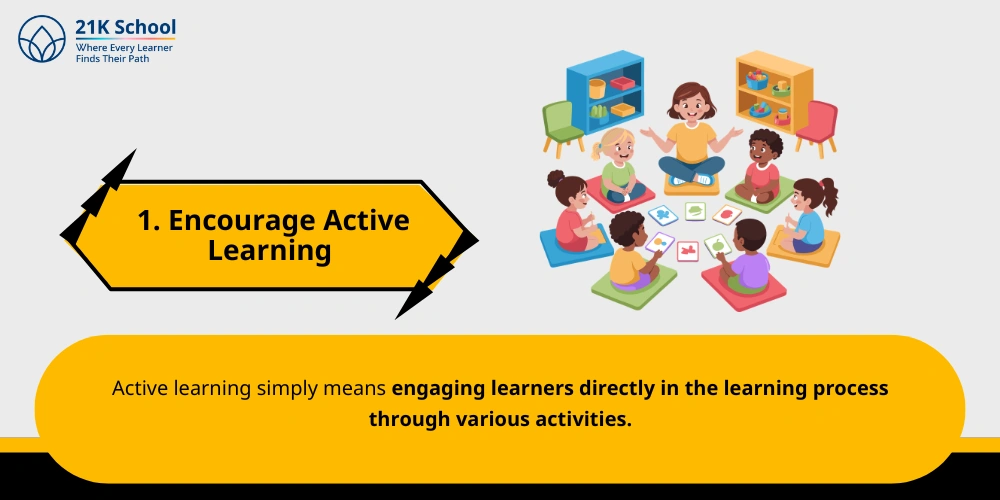
Active learning simply means engaging learners directly in the learning process through various activities.
There are various active listening strategies helpful for diversity in the classroom. For example:
- Discussions
- Debates
- Reflection
2. Embrace Small-group Instruction
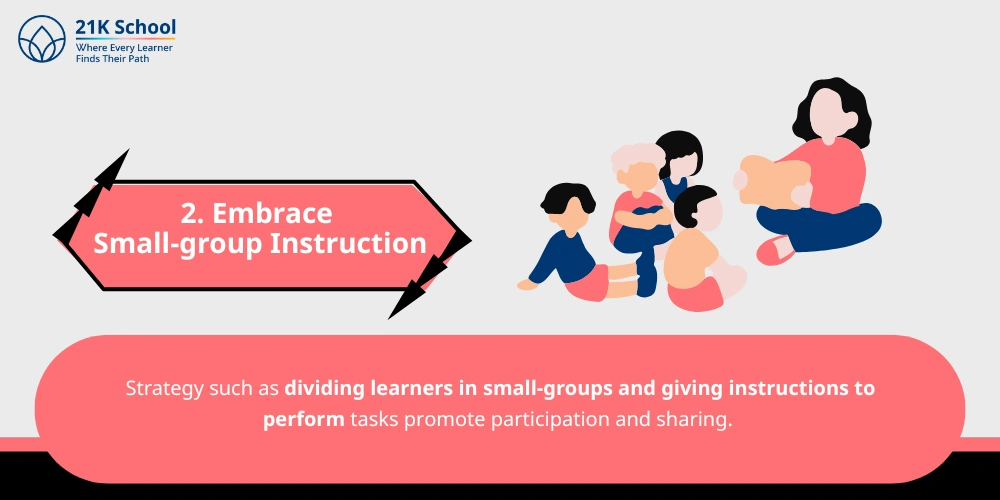
Strategy such as dividing learners in small-groups and giving instructions to perform tasks promote participation and sharing.
This offers an environment to connect with peers and learn new things.
3. Promote Project-based Learning
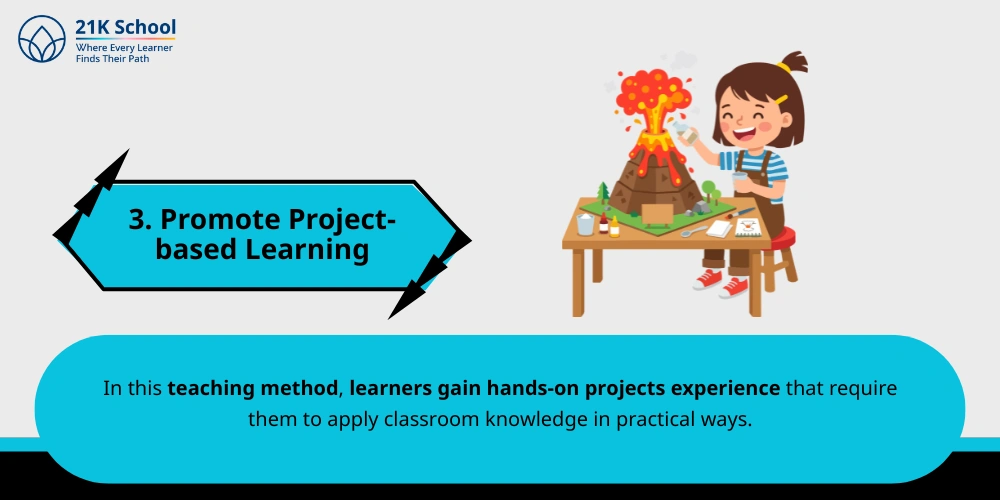
One of the effective teaching strategies for diverse learners’ success is project-based learning . In this teaching method, learners gain hands-on projects experience that require them to apply classroom knowledge in practical ways.
It offers opportunities to learners in active participation and deeper engagement with the learning material.
4. Promote Different Types of Diversity
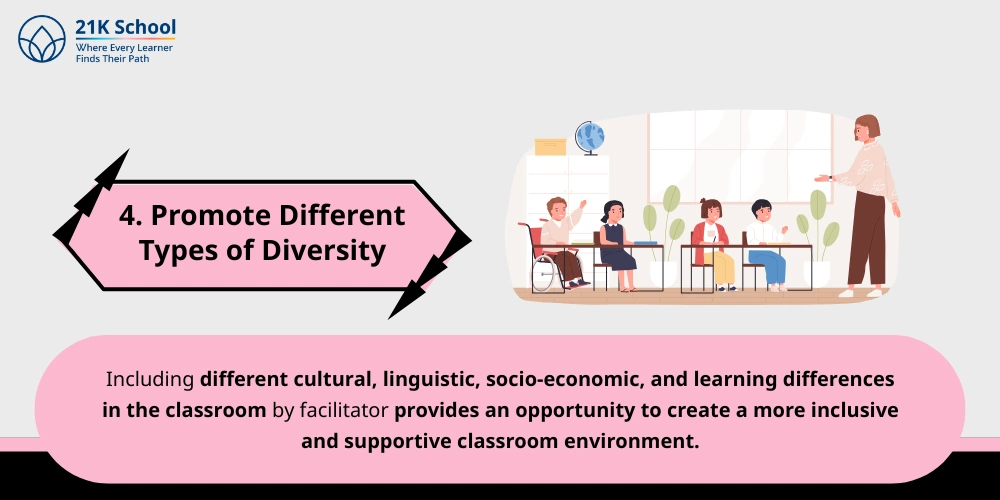
Including different cultural, linguistic, socio-economic, and learning differences in the classroom by facilitator provides an opportunity to create a more inclusive and supportive classroom environment.
Role of Education in Creating Positive Attitude towards Diversity
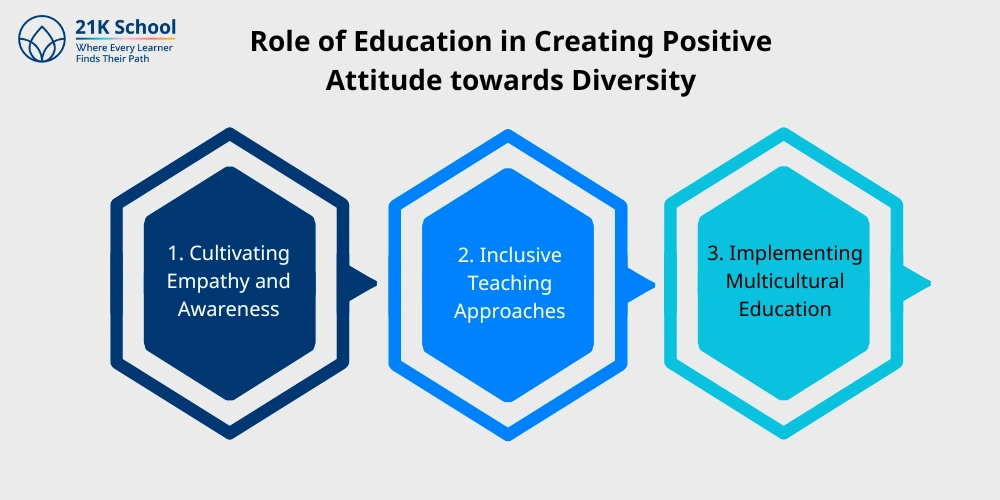
Education plays a major role in creating a positive attitude towards diversity. From fostering empathy and breaking down stereotypes to promoting inclusivity, learners are encouraged to build harmony and respect everyone.
Key roles include:
1. Cultivating Empathy and Awareness
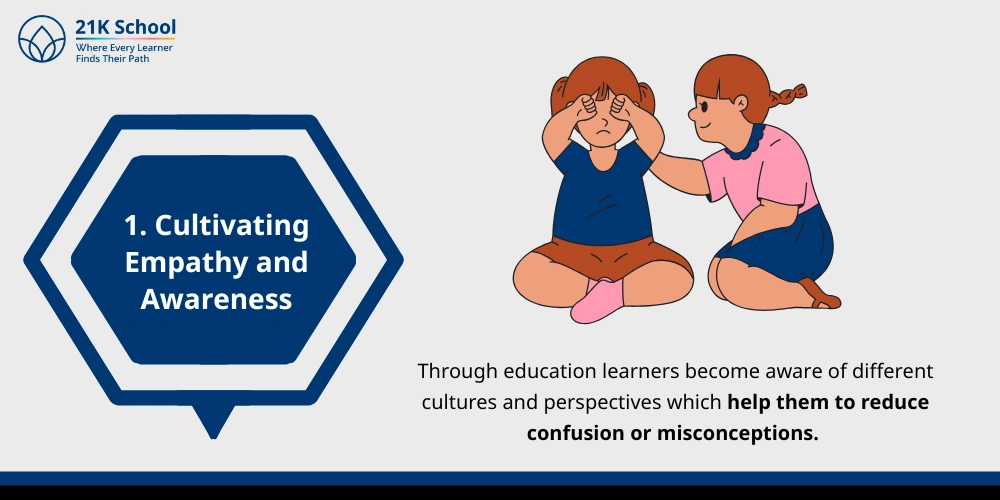
Through education learners become aware of different cultures and perspectives which help them to reduce confusion or misconceptions.
This exposure is important to bring diversity in society.
2. Inclusive Teaching Approaches
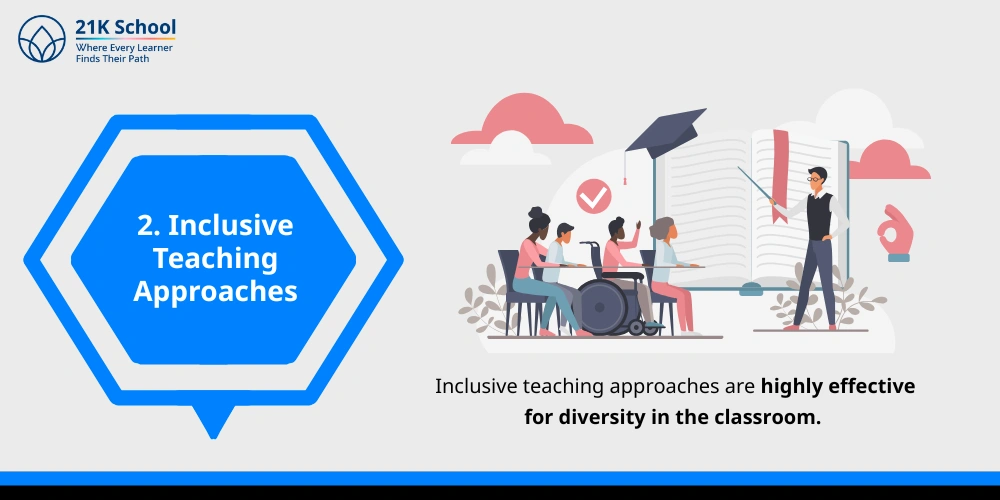
Inclusive teaching approaches are highly effective for diversity in the classroom. For example, cooperative learning and child-to-child methods improve interactions and reduce stereotypes.
3. Implementing Multicultural Education
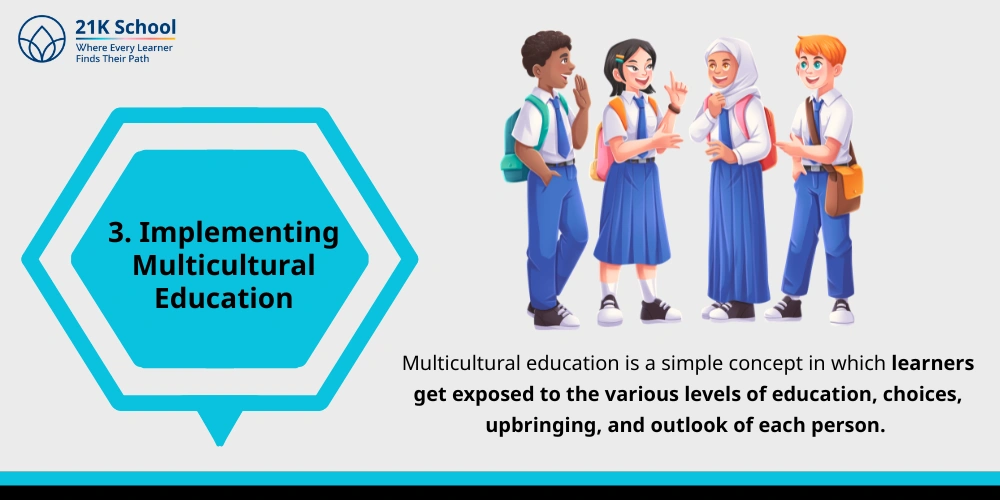
Multicultural education is a simple concept in which learners get exposed to the various levels of education, choices, upbringing, and outlook of each person.
Implementing multicultural education prepares learners for a better future. This reduces biased behavior, narrow-mindedness, and disrespect.
5 Activities to Promote Diversity in the Classroom
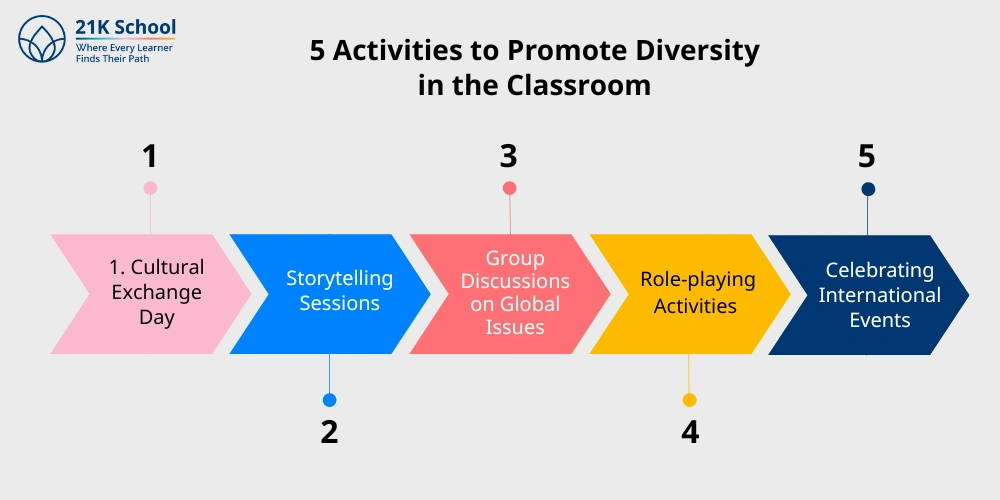
To promote diversity in the classroom facilitators need to incorporate various activities including:
1. Cultural Exchange Day
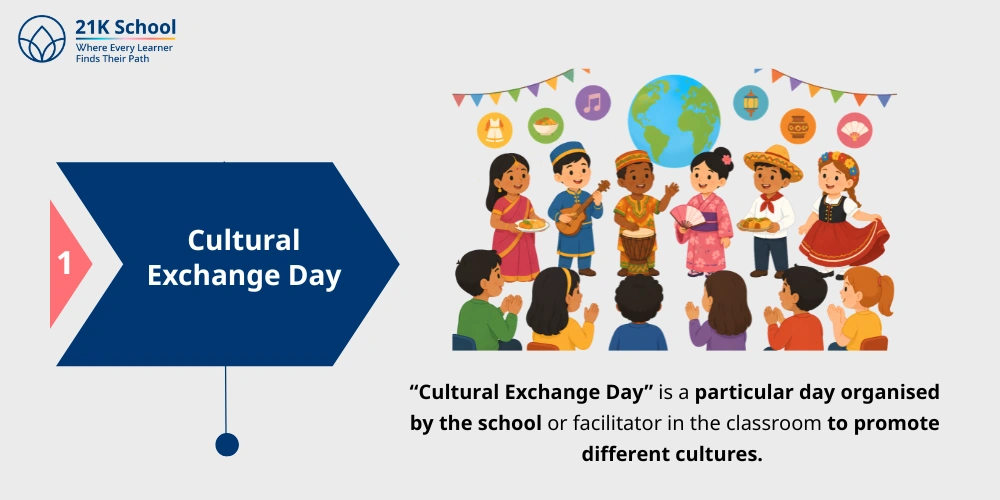
“Cultural Exchange Day” is a particular day organised by the school or facilitator in the classroom to promote different cultures.
Here learners from different cultures and backgrounds come together and share their knowledge related to traditional clothing, food, music, or customs.
Other classmates understand and accept different cultures and respect them.
2. Storytelling Sessions
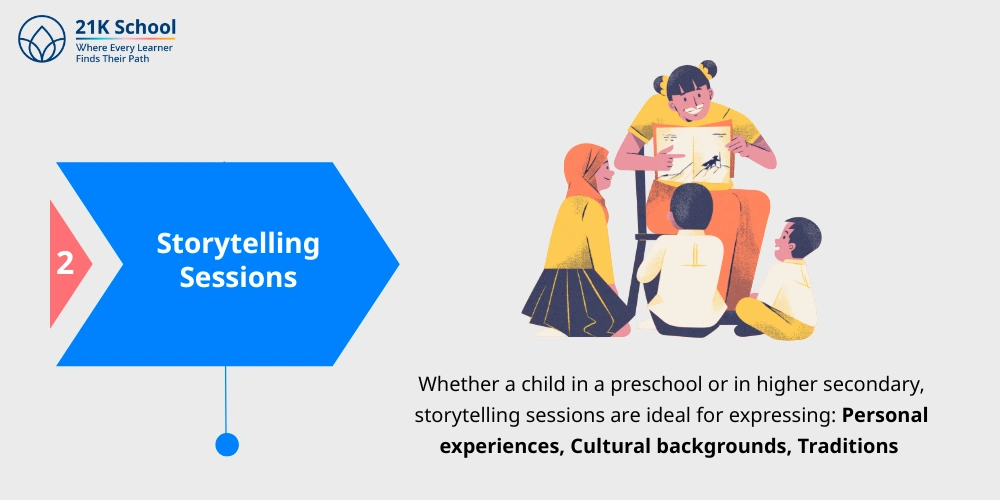
Whether a child in a preschool or in higher secondary, storytelling sessions are ideal for expressing:
- Personal experiences
- Cultural backgrounds
- Traditions
Learners listen to different stories, understand the diversity each one holds and accept to create a supportive environment.
3. Group Discussions on Global Issues
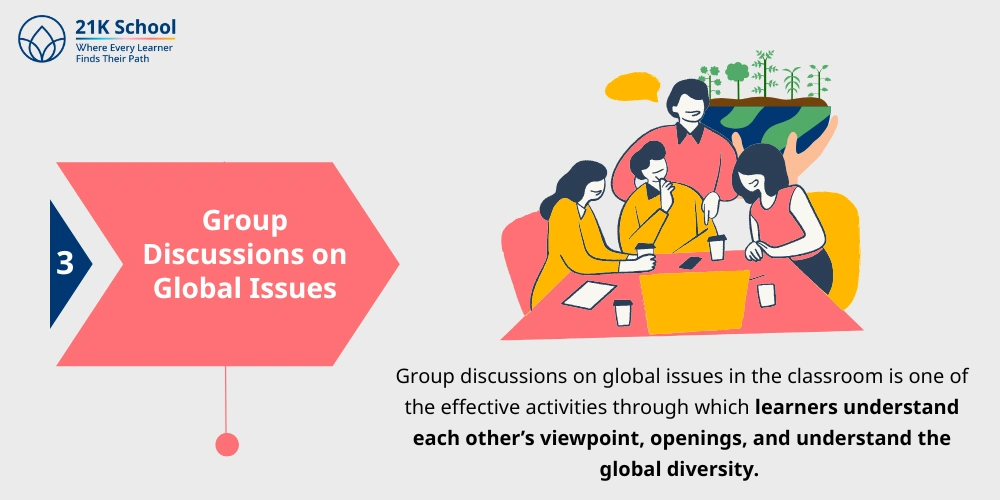
Group discussions on global issues in the classroom is one of the effective activities through which learners understand each other’s viewpoint, openings, and understand the global diversity.
Group discussions not only promote culture awareness but also create an environment where each learner participates and shares thoughts.
4. Role-playing Activities
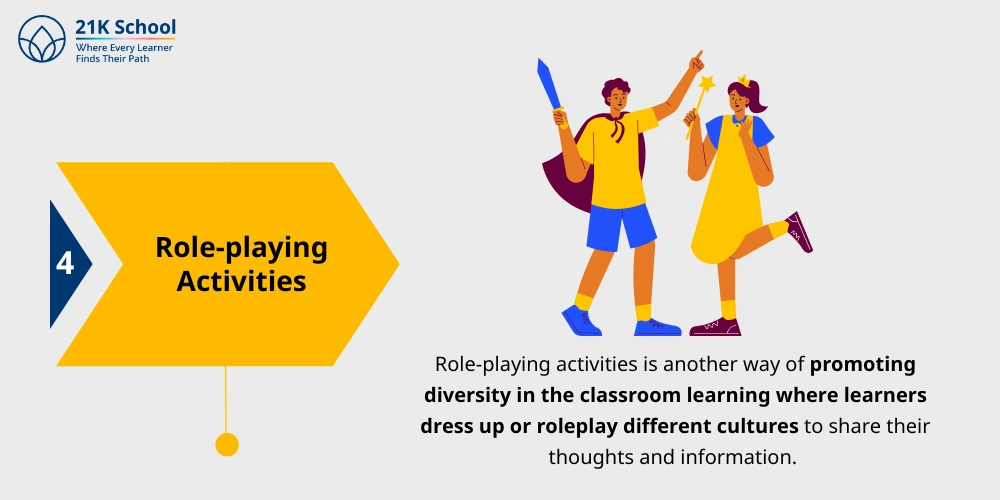
Role-playing activities is another way of promoting diversity in the classroom learning where learners dress up or roleplay different cultures to share their thoughts and information.
The act in the classroom spread awareness and inclusivity between learners.
5. Celebrating International Events
Celebrating international events such as cultural holidays or global awareness events are helpful for encouraging diversity.
4 Tips for Learners to Embrace Diversity in the Classroom
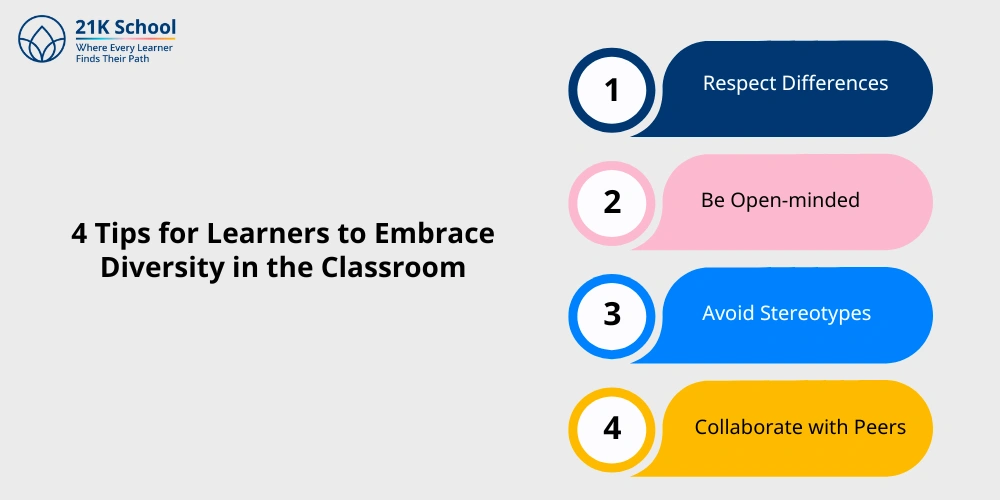
In the classroom, diversity brings people together from different backgrounds. It is important to avoid differences related to caste, color, language etc.
To avoid discrimination and promote uniformity, go through some key tips for learners to embrace diversity in the classroom:
1. Respect Differences
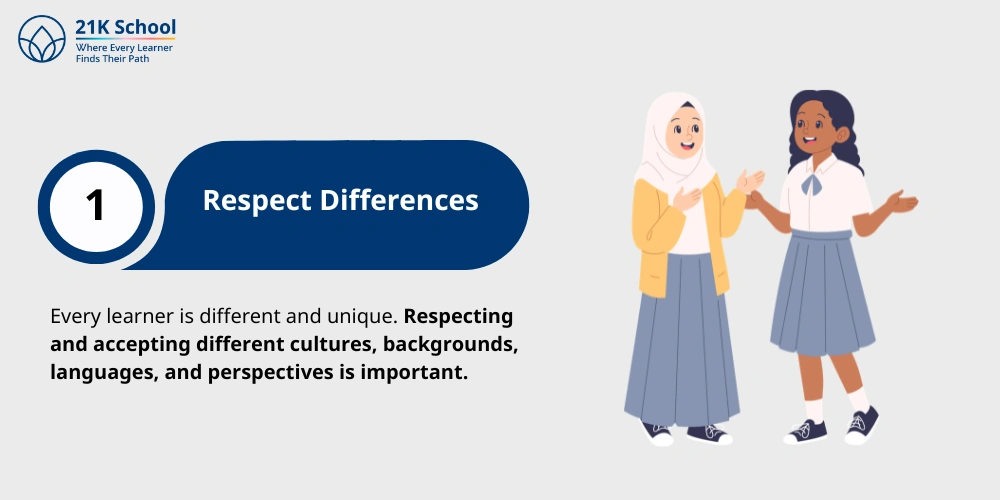
Every learner is different and unique. Respecting and accepting different cultures, backgrounds, languages, and perspectives is important.
In this way, one can promote equality, good behavior, and help in creating a peaceful environment for each individual.
2. Be Open-minded
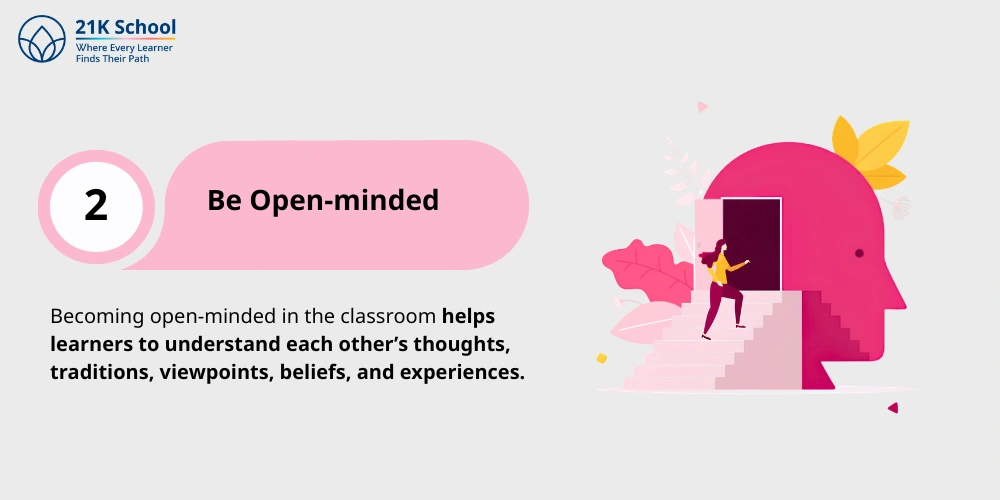
Becoming open-minded in the classroom helps learners to understand each other’s thoughts, traditions, viewpoints, beliefs, and experiences.
This improves knowledge of the real world without using books. Learners are able to understand different perspectives and work accordingly.
3. Avoid Stereotypes
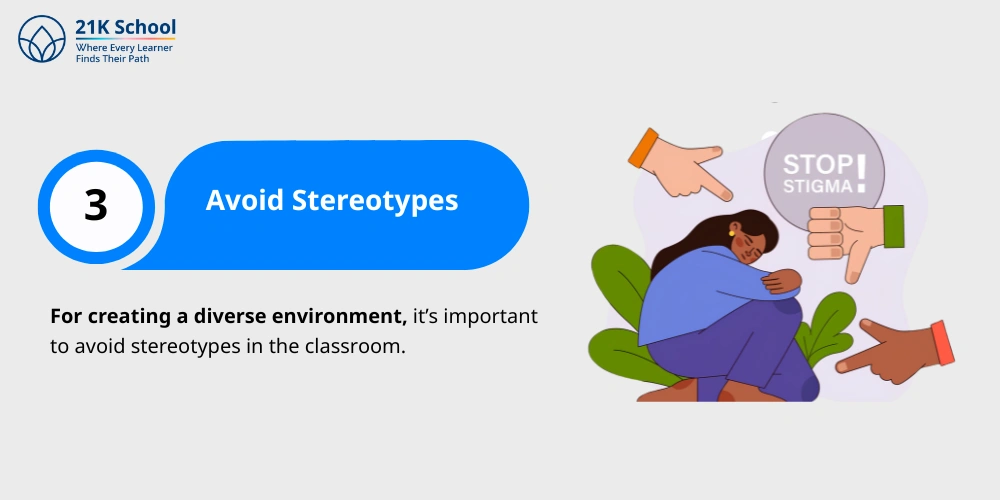
For creating a diverse environment, it’s important to avoid stereotypes in the classroom. Some common stereotypes one should avoid are:
- Unfair judgments
- Discrimination
- Fixed opinion
By avoiding these thoughts and treating every individual with respect, support, and empathy will create a positive learning environment .
4. Collaborate with Peers
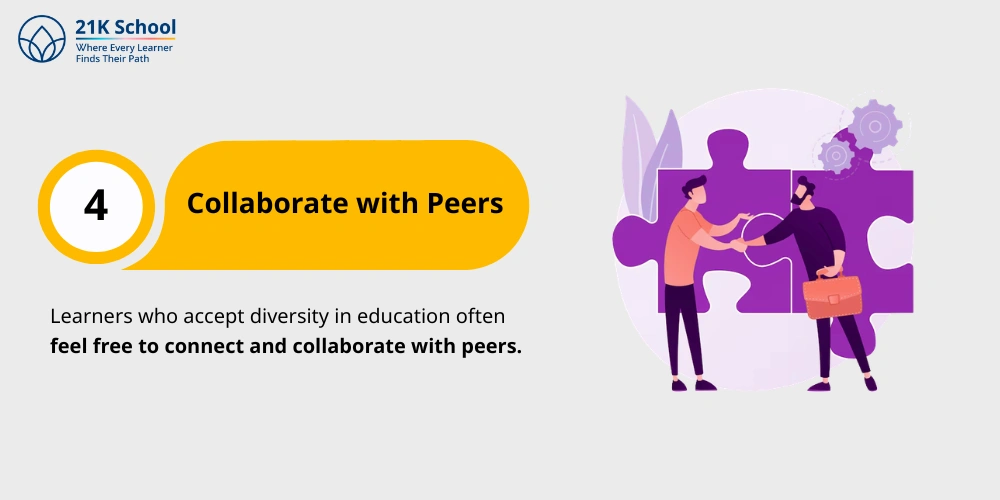
Learners who accept diversity in education often feel free to connect and collaborate with peers.
Whether it is a group project or taking help in homework, collaboration with classmates helps to avoid disrespectful behavior.
5 Challenges to Diversity in the Classroom
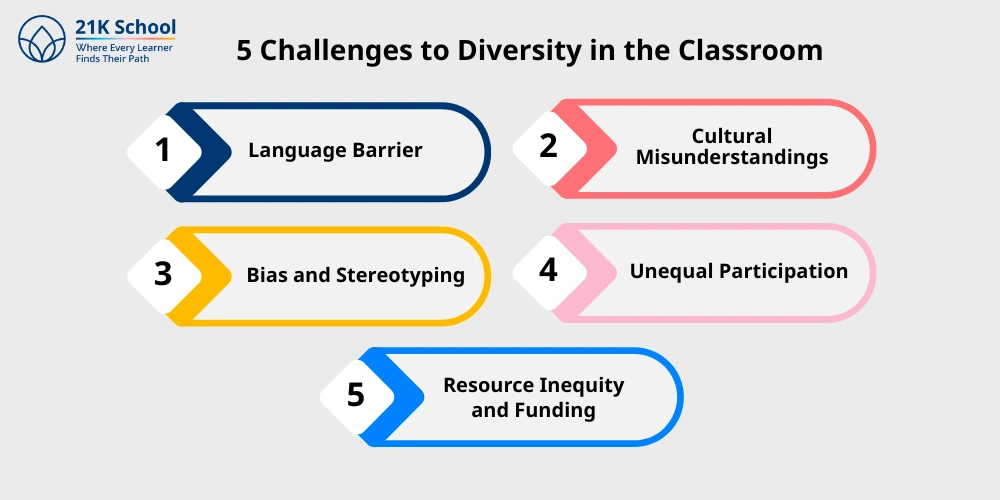
Diversity in the classroom provides various benefits. However, it comes with some challenges including:
1. Language Barrier
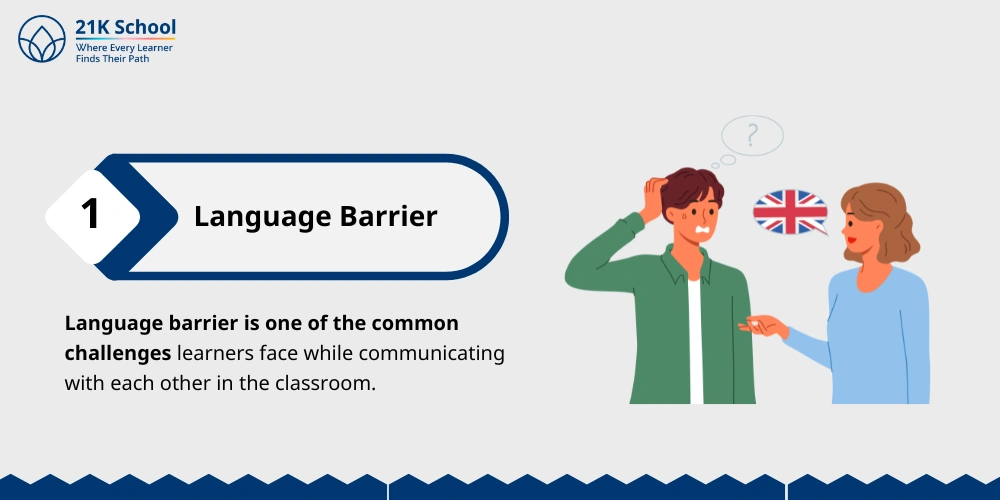
Language barrier is one of the common challenges learners face while communicating with each other in the classroom.
Especially learners who only understand or speak one language. It can directly impact regular participation and reduce bonding.
2. Cultural Misunderstandings
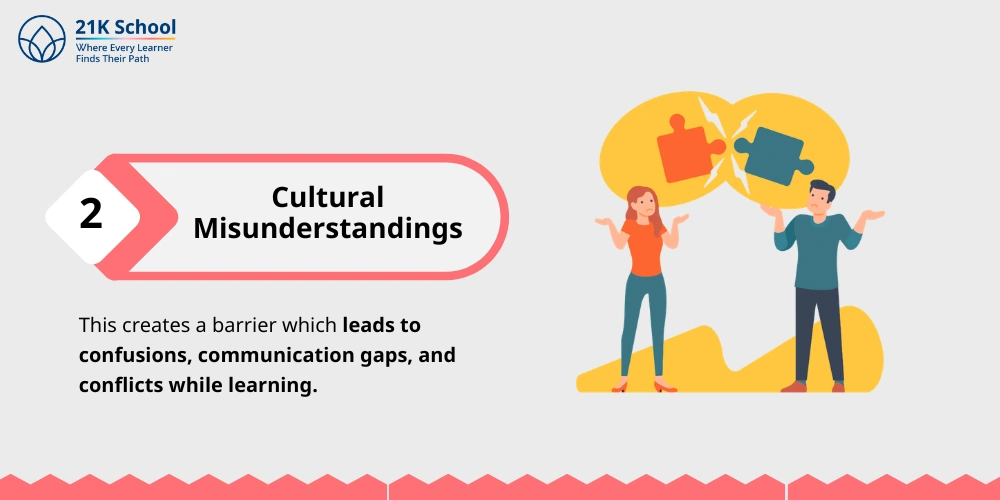
Learners often misunderstand each other’s cultures, traditions, values, and communication style. This creates a barrier which leads to confusions, communication gaps, and conflicts while learning.
For learners it’s important to understand, accept, and appreciate the differences.
3. Bias and Stereotyping
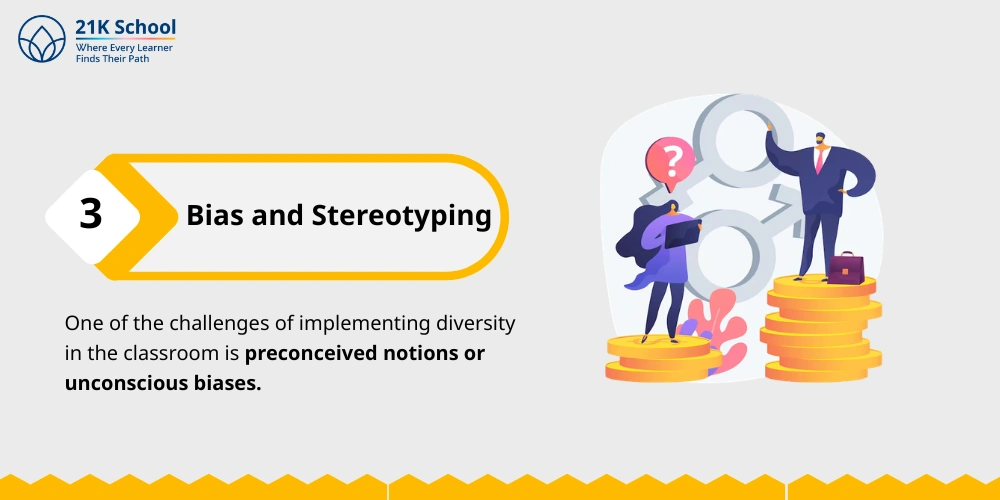
One of the challenges of implementing diversity in the classroom is preconceived notions or unconscious biases.
It can create barriers instead of promoting equality.
4. Unequal Participation
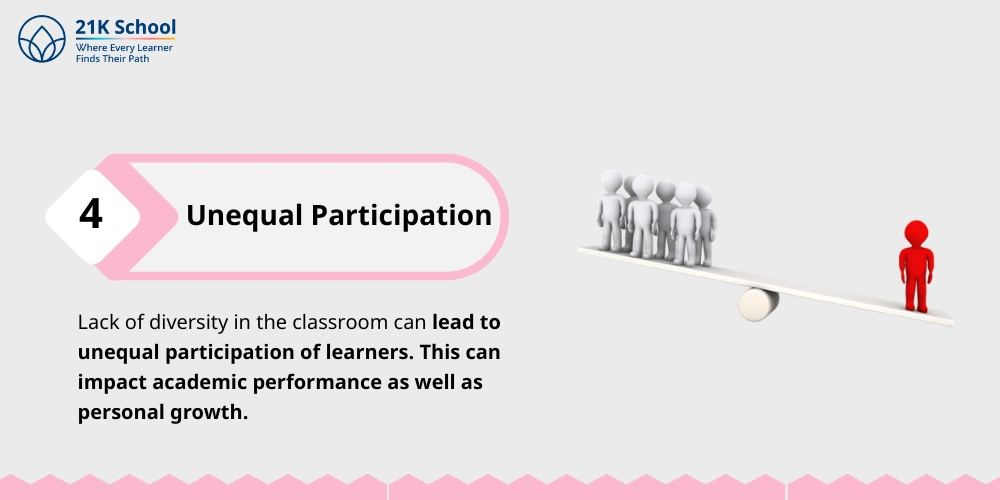
Lack of diversity in the classroom can lead to unequal participation of learners. This can impact academic performance as well as personal growth.
Learners often become shy, feel excluded or scared to speak or participate in the classroom due to differences in language, ability, race, gender etc.
5. Resource Inequity and Funding
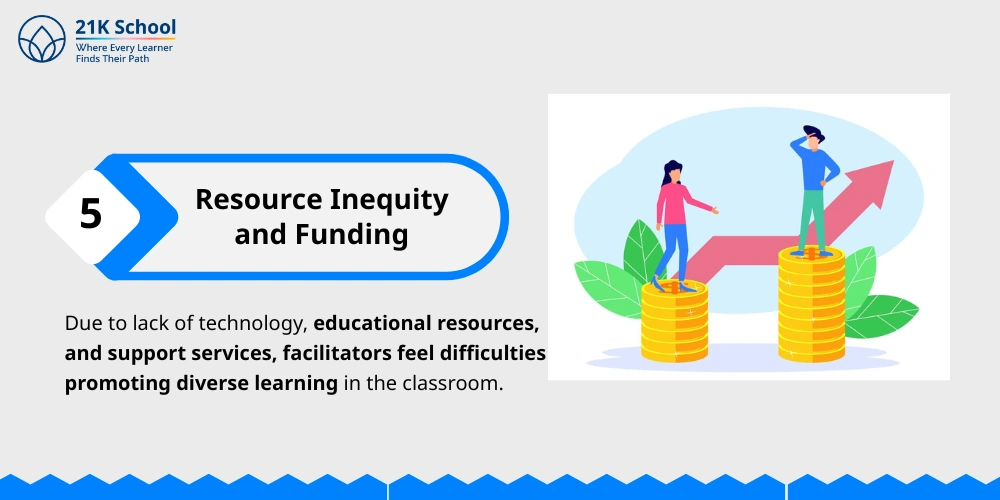
Due to lack of technology, educational resources, and support services, facilitators feel difficulties promoting diverse learning in the classroom.
Limited funding often leads to inadequate support for diverse student needs.
Conclusion
Encouraging diversity in the classroom enhances learning and prepares learners for real-world connections.
To promote diversity in the classroom, facilitators should promote equality by removing barriers. Make sure each learner and facilitator feels equally valued and respected.
For parents it’s important to practice by including all types of people with equality at home or public areas like the playground or restaurant to create a positive impression on their children toward diversity.
A collaborative approach from facilitators in the classroom and parents at home is the most effective way to create a positive learning environment.

You may also want to read