


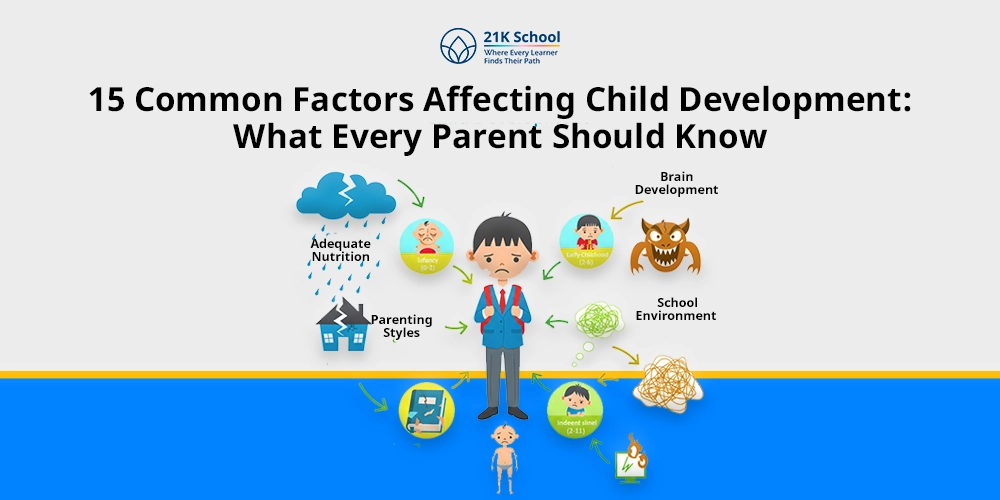
It feels unreal how fast children grow as grown adults.
We stay by their side and see them develop into good humans.
Along with the cognitive development of children , others of development like physical, mental, social, and emotional also show as they age.
All these aspects of development are a result of certain factors of child development.
And in this article, first we shall know what is child development, and then these factors in comprehension.
Contents
- What is Child Development?
- 15 Factors Affecting Child Development
- 1. Prenatal Development
- 2. Brain Development
- 3. Adequate Nutrition
- 4. Access to Healthcare
- 5. Parenting Styles
- 6. Socio-Economic Status
- 7. School Environment
- 8. Stress and Trauma
- 9. Mental Health Issues
- 10. Environmental Conditions
- 11. Screen Time
- 12. Peer Relationships
- 13. Early Childhood Education
- 14. Physical Disabilities
- 15. Learning Disabilities
- Conclusion
What is Child Development?
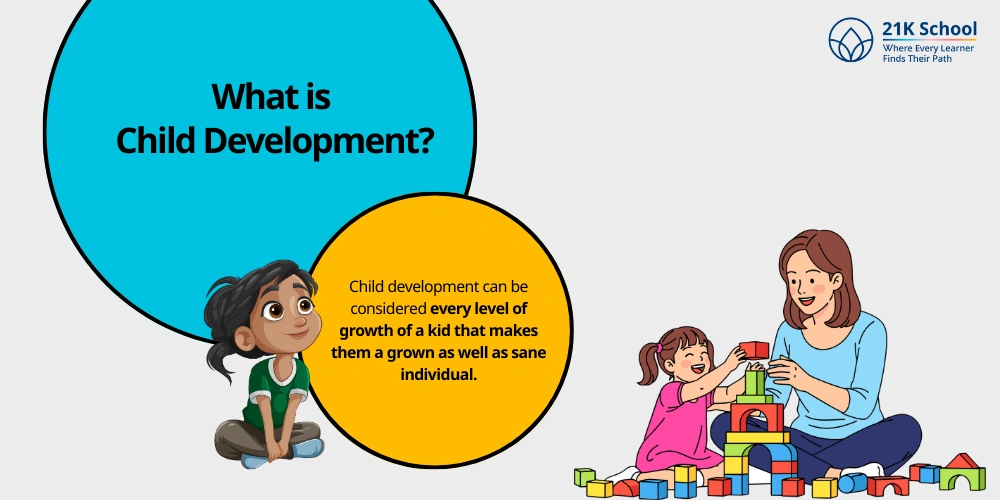
Child development can be considered every level of growth of a kid that makes them a grown as well as sane individual.
For the growth of a child, the most important factor would be the genetics that are directly responsible for the physical, mental, social, and emotional criterias.
The development of a child comprises a broad spectrum of skills including motor skills, language learning , problem-solving , emotional control, and social interaction.
Before moving ahead, explore some motor skills activities for preschoolers , that would help your children in their growth.
Other external factors such as family environment, nutrition, education and social relationships also influence healthy development.
All these factors have a dynamic interaction which forms the way children learn, behave, and adapt to the world.
15 Factors Affecting Child Development
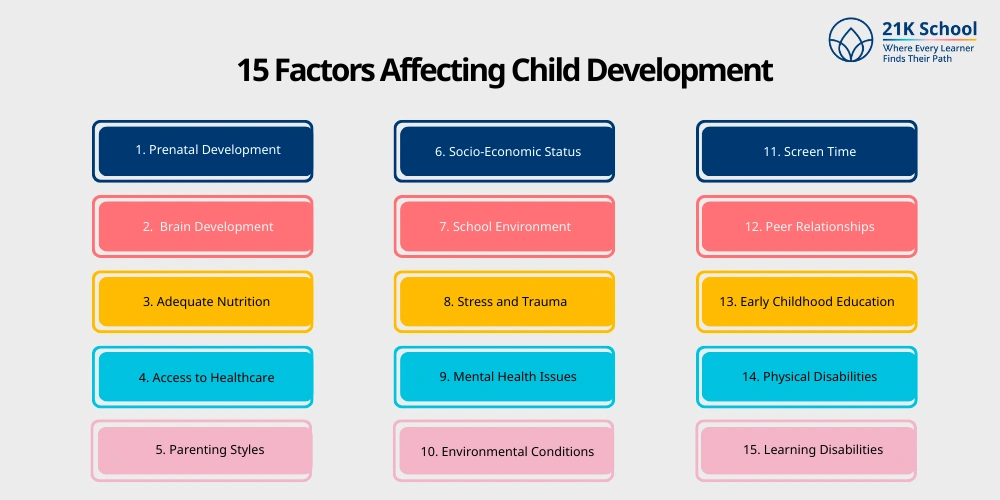
The following 15 factors are majorly responsible for the child’s development. Let’s discuss them one-by-one in brief.
1. Prenatal Development
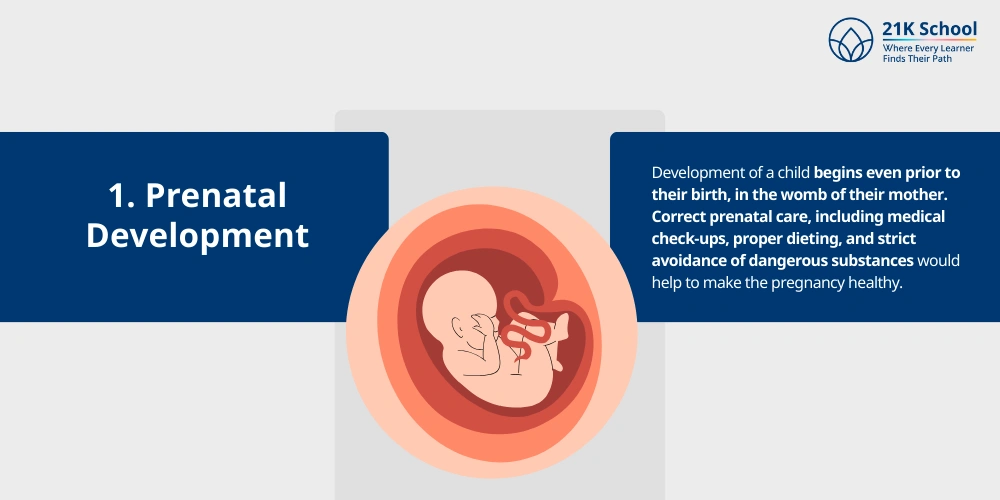
Development of a child begins even prior to their birth, in the womb of their mother.
Correct prenatal care, including medical check-ups, proper dieting, and strict avoidance of dangerous substances would help to make the pregnancy healthy.
When a mother is too much into alcohol, chronic stress, drugs, or emotional distress, the baby might suffer premature birth. Thus, facing problems like a less-developed brain and lesser body weight.
The prenatal influences provide the background of the future development of a child.
2. Brain Development
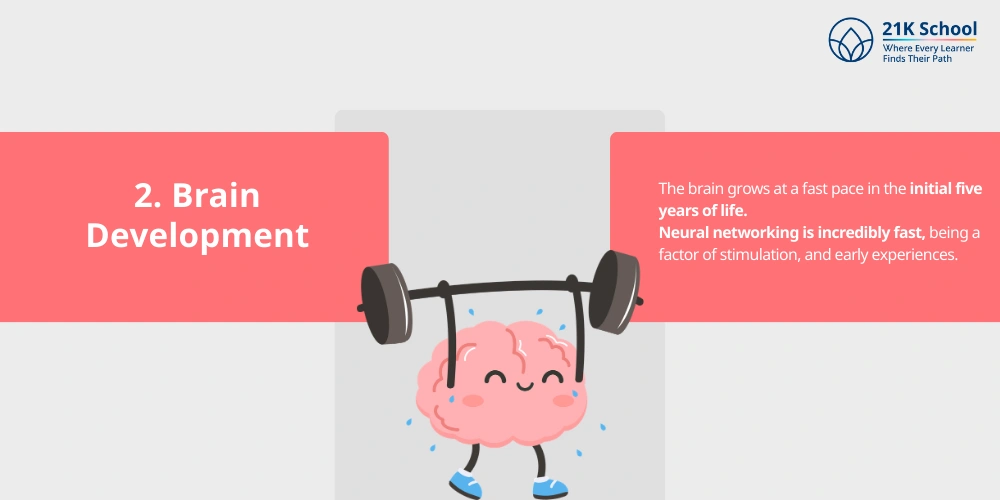
The brain grows at a fast pace in the initial five years of life.
Neural networking is incredibly fast, being a factor of stimulation, and early experiences.
Talking to the child, reading aloud, playing, and providing sensory experiences are some of the activities that lead to a rapid process of emotional and cognitive development.
Any delay in a childs brain development may impact on learning, memory, behavior, and attention.
3. Adequate Nutrition
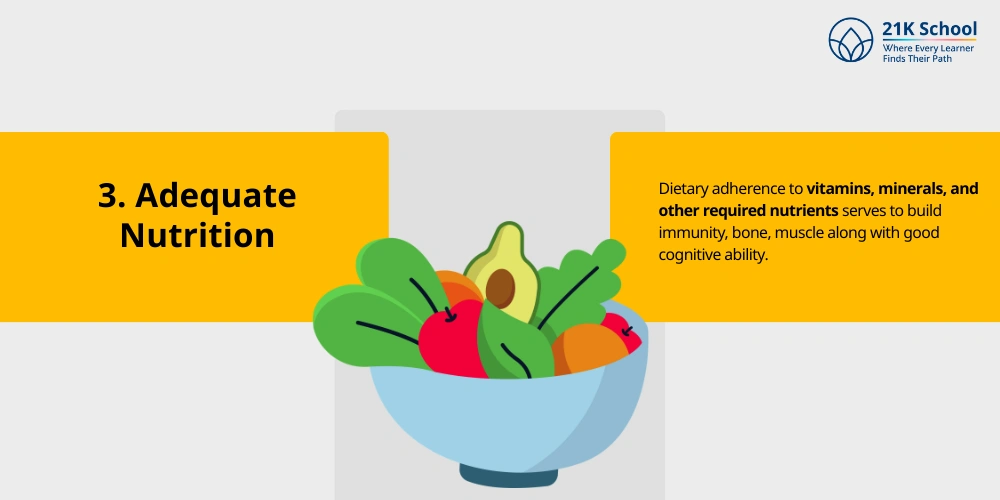
Eating healthy is important in the physical development and growth of the brain of a child.
Dietary adherence to vitamins, minerals, and other required nutrients serves to build immunity, bone, muscle along with good cognitive ability.
Deficiencies in the form of malnutrition, anemia, or inadequacy in the balanced-diet intake may result in developmental delays.
This would be visible as poor performance in schools, loss of energy, less social interactions, and poor immune system.
4. Access to Healthcare
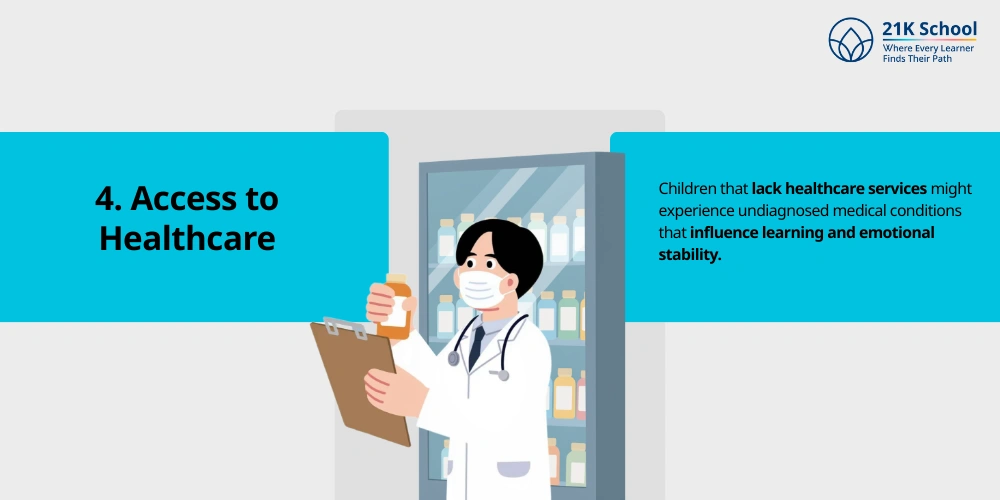
Children that lack healthcare services might experience undiagnosed medical conditions that influence learning and emotional stability.
Many times, these early diagnoses assist to save the child from incurable diseases that need early detection and treatment, including genetic disruptions.
Consistent health screenings, vaccinations, and early intervention serve to detect developmental issues in the prior years of child growth.
Access to healthcare gives parents a chance to keep track of growth, including speech, movement, height, and weight.
5. Parenting Styles
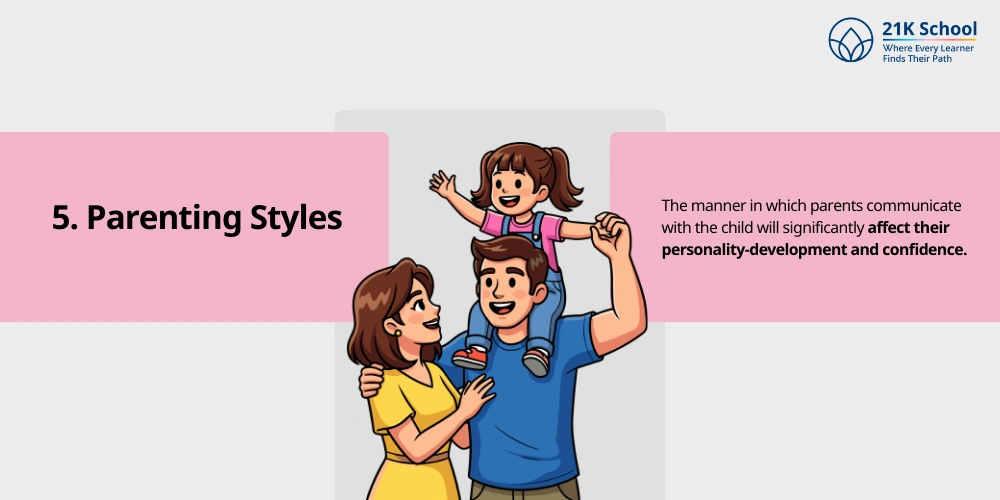
The manner in which parents communicate with the child will significantly affect their personality-development and confidence.
There are 4 types of parenting styles named as authoritarian, authoritative, permissive, and neglectful.
The best parenting style can be said to be an authoritative one. In this style parents allow children to make their own decisions while offering some support and guidance.
With this style of parenting, kids grow into responsible and confident individuals. They grow well in all aspects of development including physical, emotional, mental, and social.
6. Socio-Economic Status
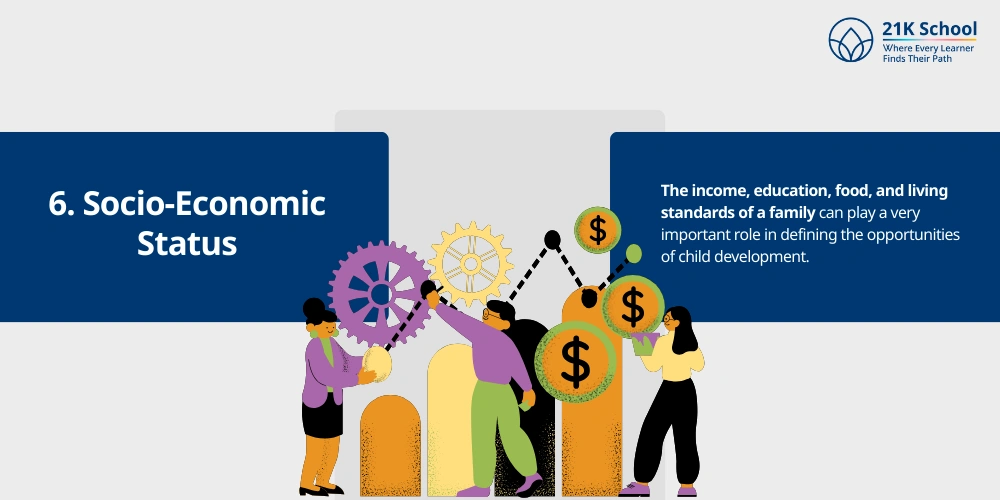
The income, education, food, and living standards of a family can play a very important role in defining the opportunities of child development.
An increase in socioeconomic status has been associated with increased access to healthy food, education, health, and activities.
Low-income children can be subjected to stress, less learning resources, or hazardous conditions, which can influence their cognitive and emotional development.
7. School Environment
Schools influence the social skills , study habits , self-concept, and the emotional well-being of children.
A school with well-trained educators and a positive learning environment can make space for a child’s exploration and self-concept.
Children can be confident in educational institutions where educational teamwork and peer learning is healthily prioritized.
On the other hand, negative experiences from schooling, including bullying or lack of healthy support, may enact an impending effect on mental status.
Have a look at these school bullying statistics and support your children through their developmental stages.
8. Stress and Trauma
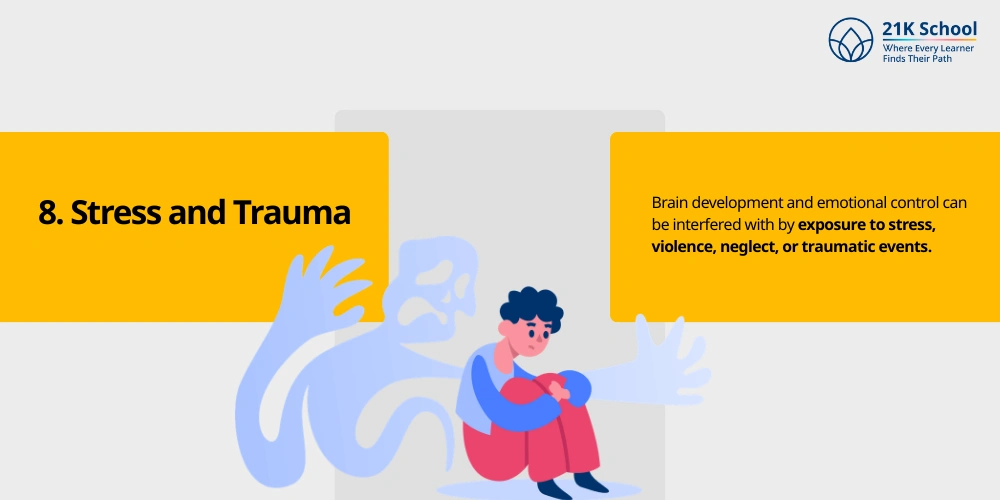
Brain development and emotional control can be interfered with by exposure to stress, violence, neglect, or traumatic events.
Children in unstable settings might experience problems in concentration, aggression, withdrawal from activities, or sleep disturbance.
Professional supportive caregivers and an early intervention can mitigate the effects of stress and trauma in the long-term.
9. Mental Health Issues
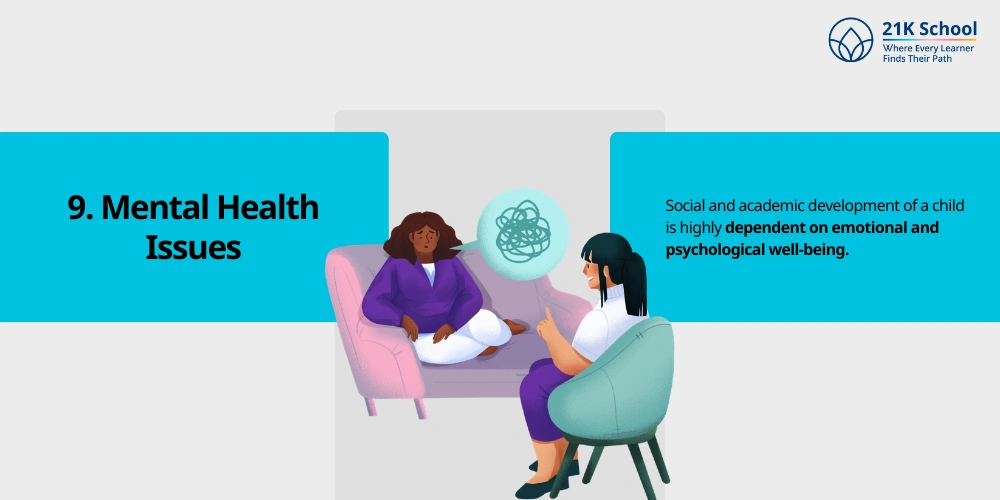
Social and academic development of a child is highly dependent on emotional and psychological well-being.
Their education, focus, and school friendships can be influenced by conditions like stress, anxiety, depression, or behavioral disorders.
The early identification of symptoms and right professional assistance are the keys to train children to achieve academic and social success.
10. Environmental Conditions
The environment a child lives in, the air quality, safety of their neighborhood, noise, and cleanliness levels, affect the health of a child.
Poor academic performance or issues of attention can be caused by exposure to unsafe environments.
Learning and exploration are facilitated by clean as well as safe environments.
11. Screen Time
Although technology could aid in learning, too much screen time for kids can cause them to lose attention and sleep.
Real-life interaction and sensory experiences play a significant role in the healthy development of young children. In particular, in their early stages of development.
Thus, having a balanced screen exposure with other fun-learning activities can motivate children to be involved in something that matters to them.
12. Peer Relationships
Good peer relationships can make children learn to communicate, develop empathy , group work, and be confident.
Friendships bring comfort and assist children in social learning of rules like sharing and collaborating.
On the contrary, negative peer influences or bullying may result in anxiety, self-esteem problems, and change of behaviors.
13. Early Childhood Education
Good early education programs can help in your kid’s cognitive, emotional, as well as social growth.
A strong base for language, memory, and creativity can be developed in activities like storytelling, problem-solving activities , or structured-play.
Early-educated children are typically better prepared for school, so that they have better behavior and communication.
14. Physical Disabilities
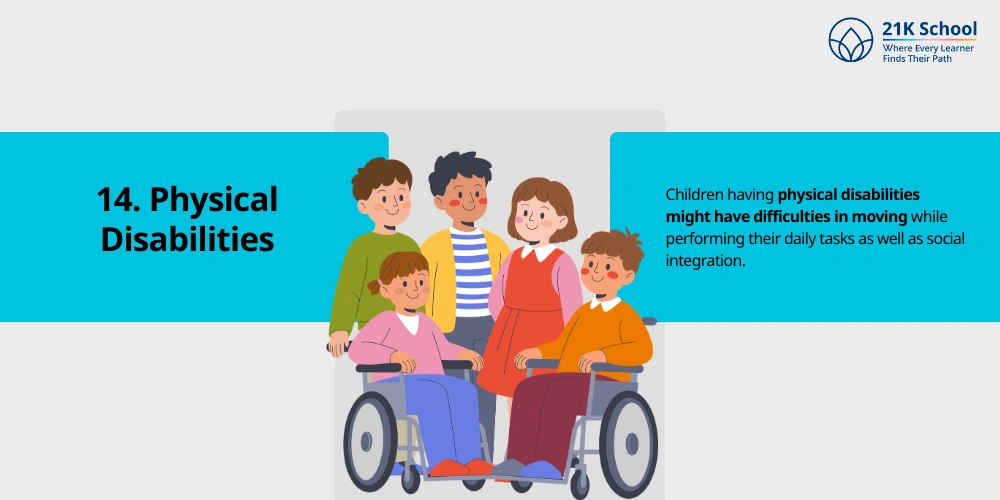
Children having physical disabilities might have difficulties in moving while performing their daily tasks as well as social integration.
Availability of assistive devices, therapy, inclusive classes, and supportive caregivers are effective in encouraging them to overcome their barriers.
Early rehabilitation and diagnosis are of great help.
15. Learning Disabilities
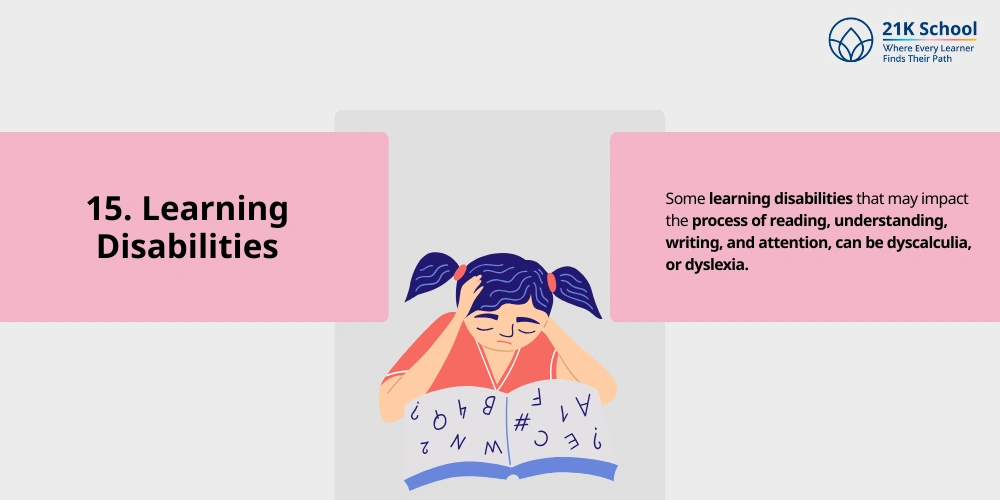
Some learning disabilities that may impact the process of reading, understanding, writing, and attention, can be dyscalculia, or dyslexia.
These difficulties may affect academic performance and self-esteem if ignored for a longer time-period.
The services offered include support services, special education , individual-learning plans, and patient guidance to enable children to learn at their pace.
Conclusion
While children look cute to have, they come with a lot of responsibility as well, especially for parents.
It becomes really necessary that they are fed well and cared well, so that they can become healthy humans in future.
All the factors affecting child development should be taken seriously by the parents and teachers, including the food, school, socio-economic status, physical and mental assistance.
The knowledge of such factors enables parents, teachers, and communities to provide conditions in which every child can reach their best potential.

You may also want to read
CBSE Passing Marks Out of 100: Theory, Practicals & Grading

- Last updated on: 28 Mar, 2026
- 7 min read