

In today’s competitive world, education is no longer limited to academic grades and excellence. The overall development from mind, body, emotions to social skills is important.
But have you ever thought of the right way to implement it effectively?
Holistic development is one of the ideal ways to fulfill students’ need to grow in multiple dimensions.
Let us try to understand what holistic development really is and its benefits, strategies, challenges, and many more.
Contents
- What Is Holistic Development?
- What is Holistic Development in Education?
- What is the Holistic Development of a Child and Student?
- Why is Holistic Development Important?
- 5 Holistic Development Activities and Examples for Students
- 5 Key Aspects of Holistic Development of Students
- Role of Teacher in Holistic Development of a Child
- 5 Benefits of Holistic Development
- 5 Easy and Effective Strategies for Nurturing the Holistic Development
- 4 Key Roles of Holistic Development in Career
- 5 Common Challenges in Achieving Holistic Development
- Conclusion
What Is Holistic Development?
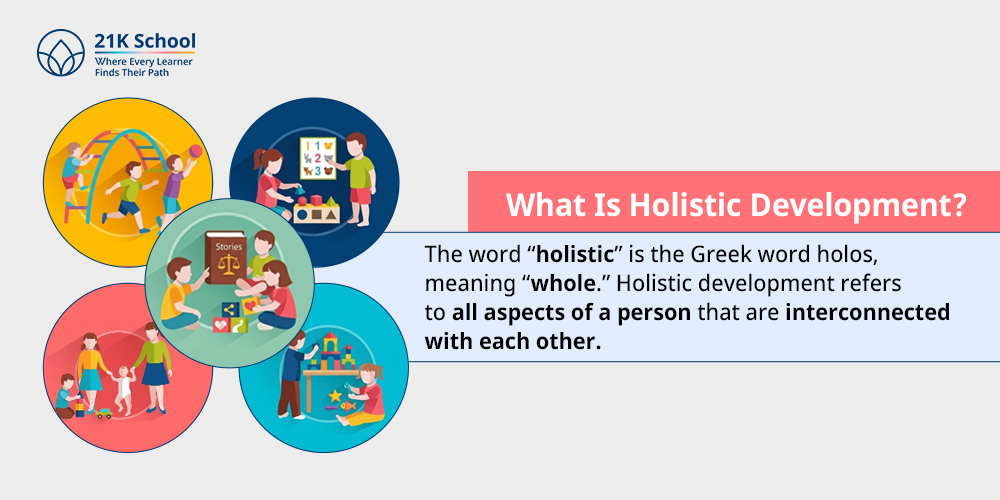
The word “holistic” is the Greek word holos, meaning “whole.” Holistic development refers to all aspects of a person that are interconnected with each other.
The five aspects or core pillars of holistic development are physical, cognitive, emotional, social, and spiritual/moral development.
What is Holistic Development in Education?
In a traditional educational setting, holistic development offers an environment where students focus on overall development instead of one area like academic growth.
The main objective is to help students to become confident, focused, responsible, and capable of completing tasks.
In a simple way, it prepares students not only for exams but for life.
What is the Holistic Development of a Child and Student?
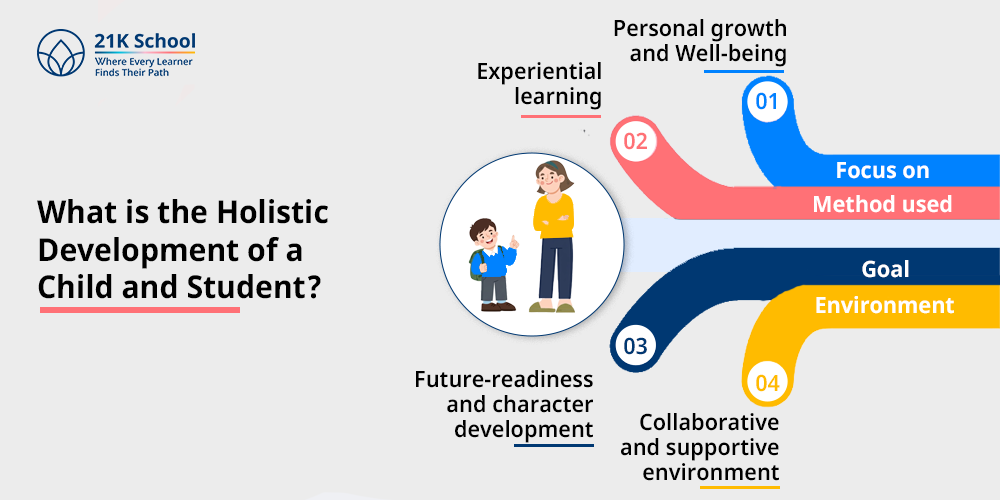
The holistic development of a child and student means growth from every dimension from early childhood to adult and beyond.
Every child and their requirements are different. That’s why holistic development encourages them:
- Focus on: Personal growth and Well-being
- Method used: Experiential learning
- Goal: Future-readiness and character development
- Environment: Collaborative and supportive environment
Why is Holistic Development Important?
Holistic development is important to balance students’ academic, emotional, and social life. Some of the key points why holistic development matters are:
- It is one of the ideal ways to improve students’ academic performance.
- To build crucial educational life skills holistic development is important.
- It also focuses on individuals’ stamina by providing an environment of physical activity.
- To reduce stress and anxiety, holistic development encourages emotional intelligence .
5 Holistic Development Activities and Examples for Students
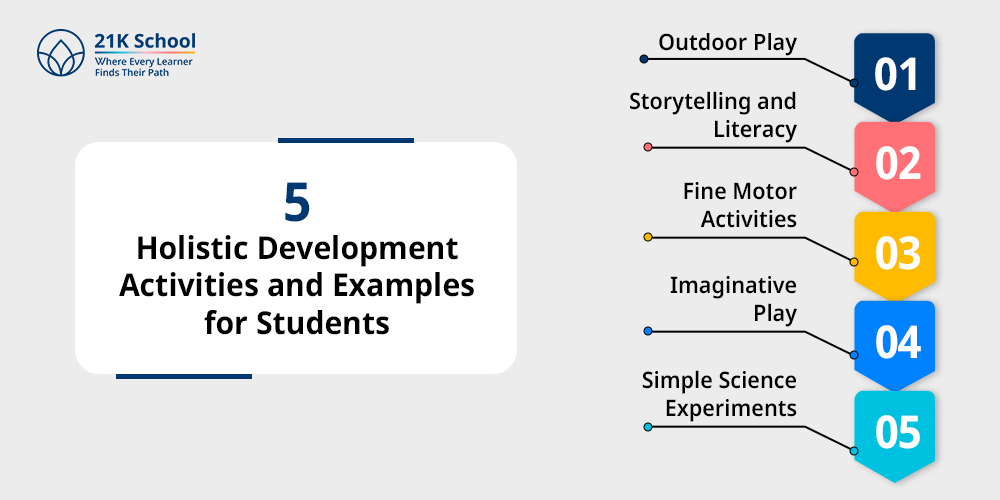
Through various holistic development activities and examples parents and teachers can improve students’ overall growth.
Some common activities students can start with:
1. Outdoor Play
There are various outdoor play activities that help students to develop physically, socially, and emotionally.
From doing simple walks in a garden to climbing trees or team sports, these activities encourage teamwork, collaboration and critical thinking.
2. Storytelling and Literacy
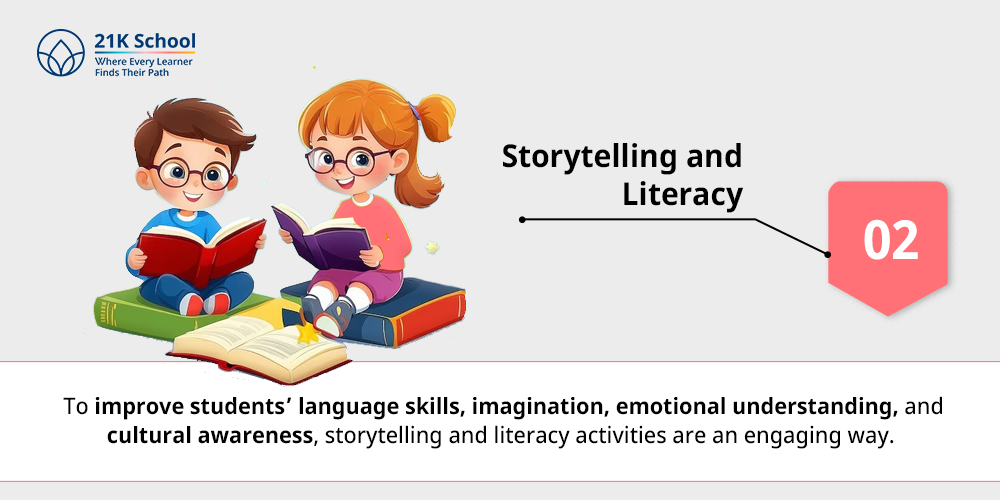
To improve students’ language skills , imagination, emotional understanding, and cultural awareness, storytelling and literacy activities are an engaging way.
Students in their free time create and share innovative stories to understand the world around them.
3. Fine Motor Activities
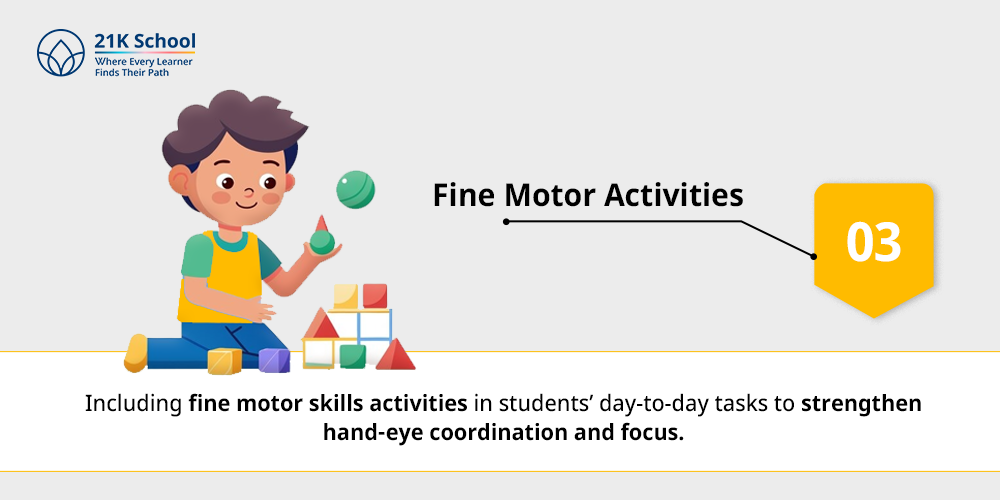
Including fine motor skills activities in students’ day-to-day tasks to strengthen hand-eye coordination and focus.
Through exercises like drawing, painting, cutting, threading, or writing fine motor skills of students can increase.
4. Imaginative Play
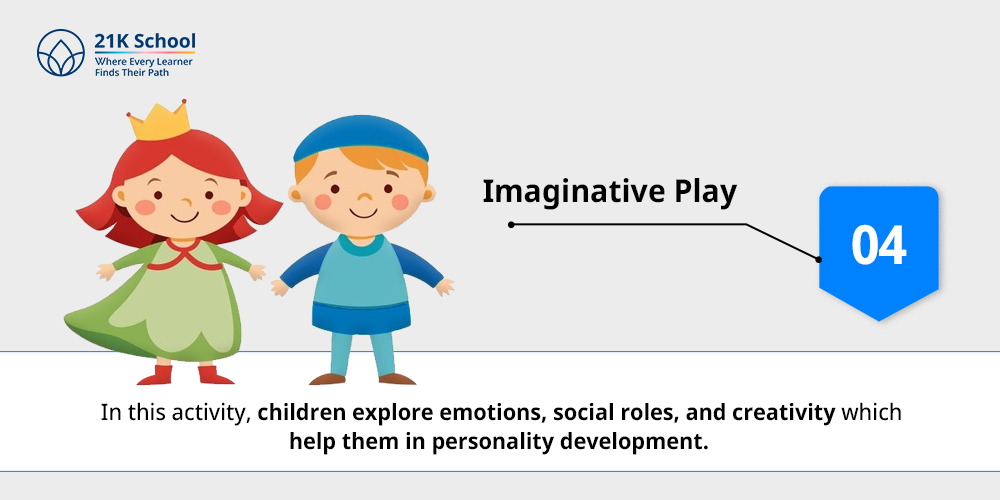
In this activity, children explore emotions, social roles, and creativity which help them in personality development.
Involving various activities like growing plants or creating best out of waste.
5. Simple Science Experiments
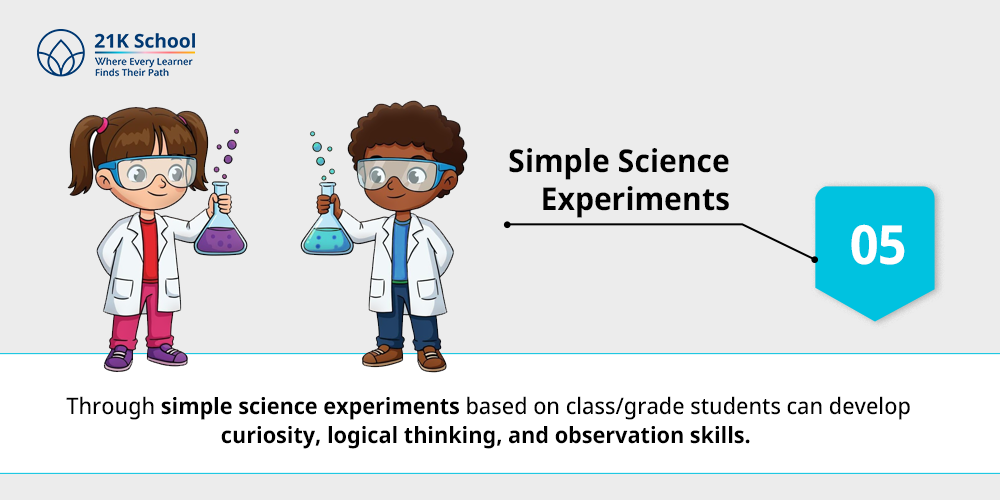
Through simple science experiments based on class/grade students can develop curiosity, logical thinking, and observation skills.
Some common examples of science experiments are growing plants, water experiments etc.
5 Key Aspects of Holistic Development of Students
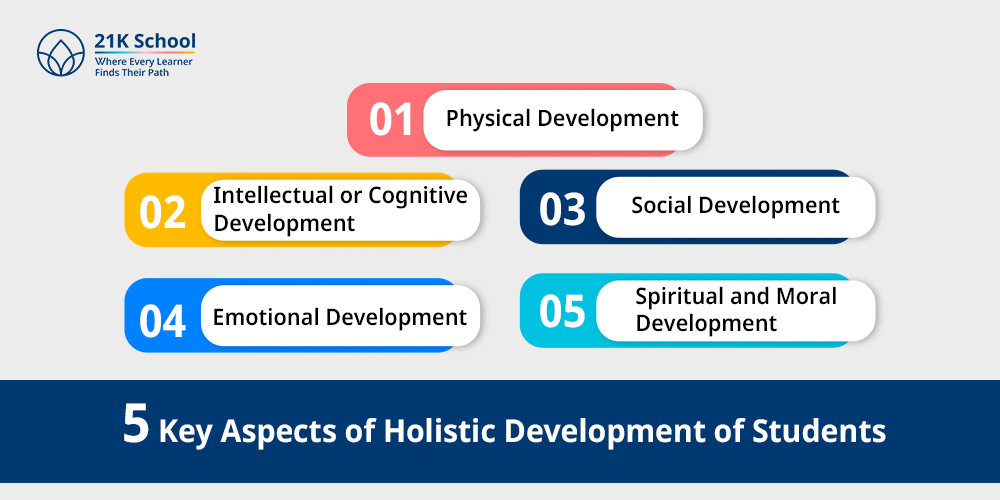
Holistic development includes five crucial pillars that help students in their complete development. Here’s a breakdown:
1. Physical Development
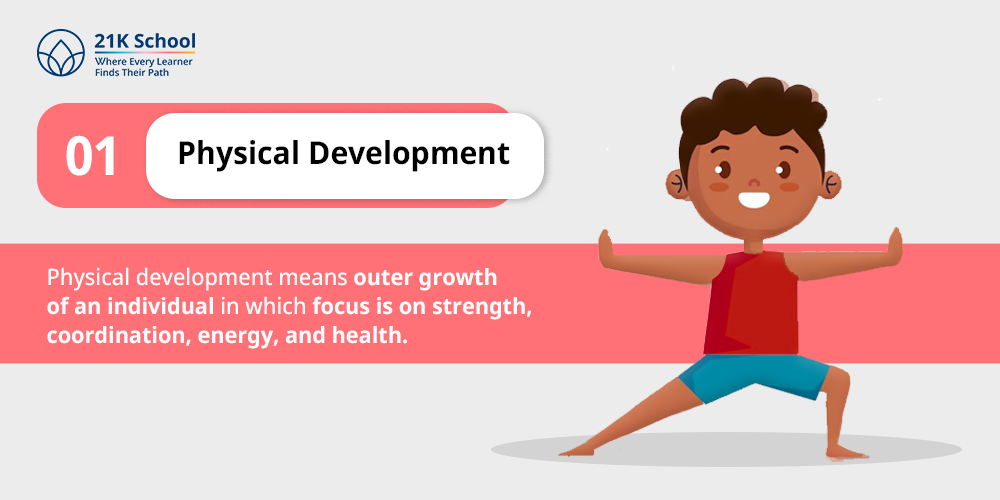
Physical development means outer growth of an individual in which focus is on strength, coordination, energy, and health.
Students can include various daily activities that help them become physically fit. Activities like yoga, exercise, health food intake etc.
2. Intellectual or Cognitive Development
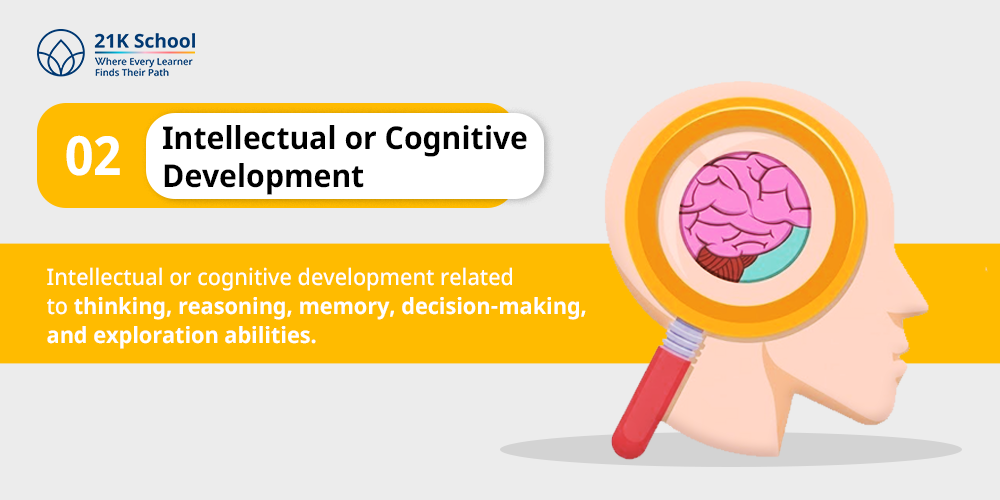
Intellectual or cognitive development related to thinking, reasoning, memory, decision-making, and exploration abilities.
Through this students are able to understand different concepts, retain information, and apply to resolve challenges in the real-world.
3. Social Development
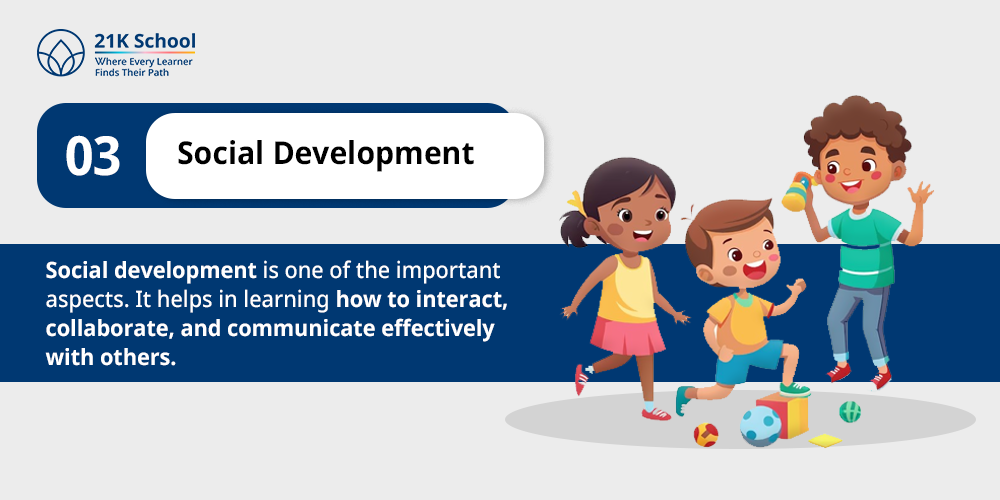
Social development is one of the important aspects.
It helps in learning how to interact, collaborate, and communicate effectively with others.
In this way, students learn leadership qualities , how to respect and collaborate with teamwork.
4. Emotional Development
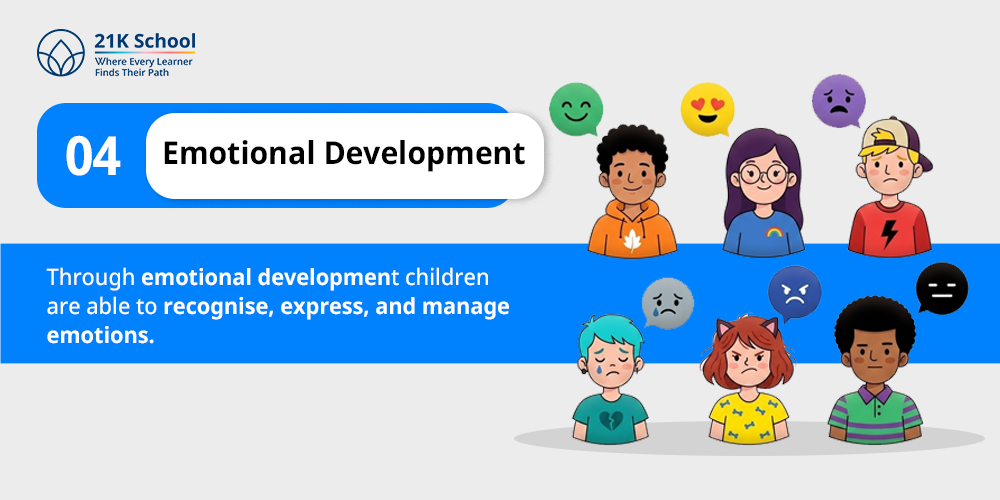
Through emotional development children are able to recognise, express, and manage emotions.
Emotionally strong people can easily cope with challenges and academic pressure/stress.
5. Spiritual and Moral development
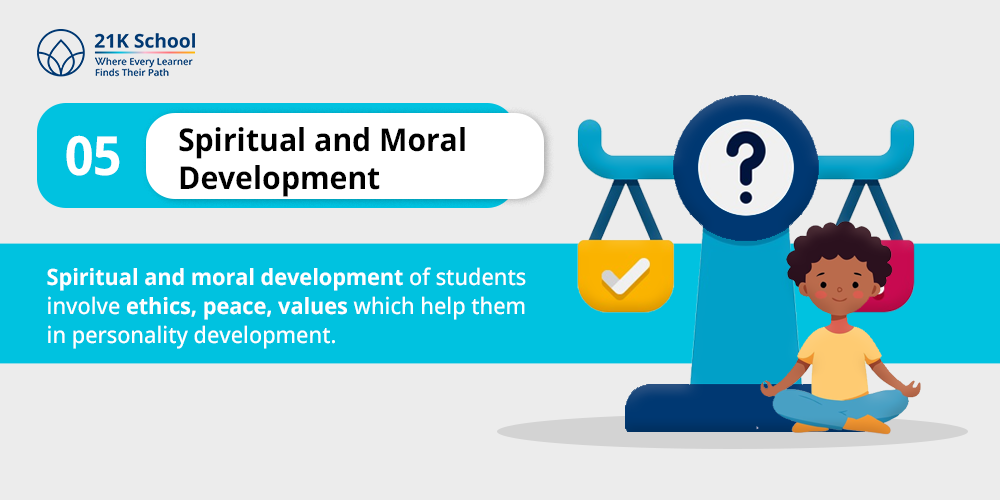
Spiritual and moral development of students involve ethics, peace, values which help them in personality development.
In this way, students get encouraged to become honest, grateful, and respect others.
Role of Teacher in Holistic Development of a Child
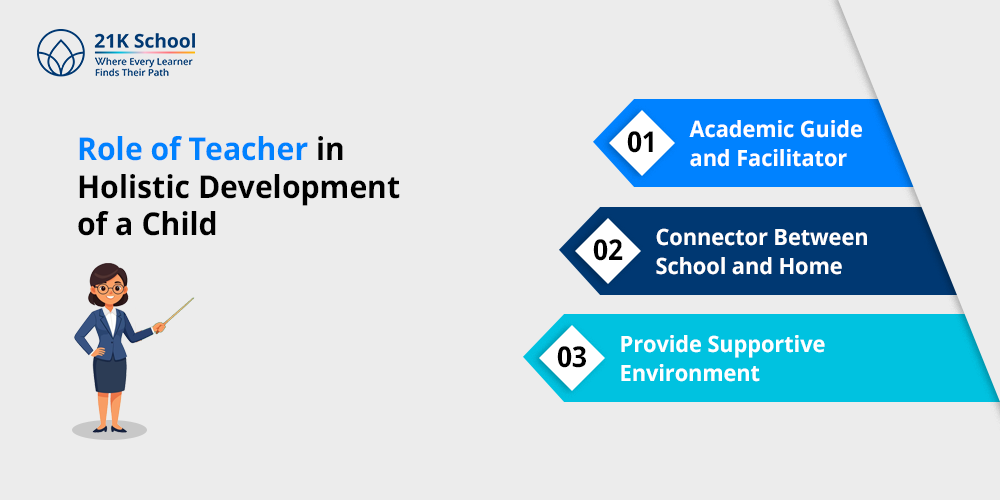
To shape the future through holistic development, teachers become a pillar for children’s education. Some key roles teachers play are:
1. Academic Guide and Facilitator
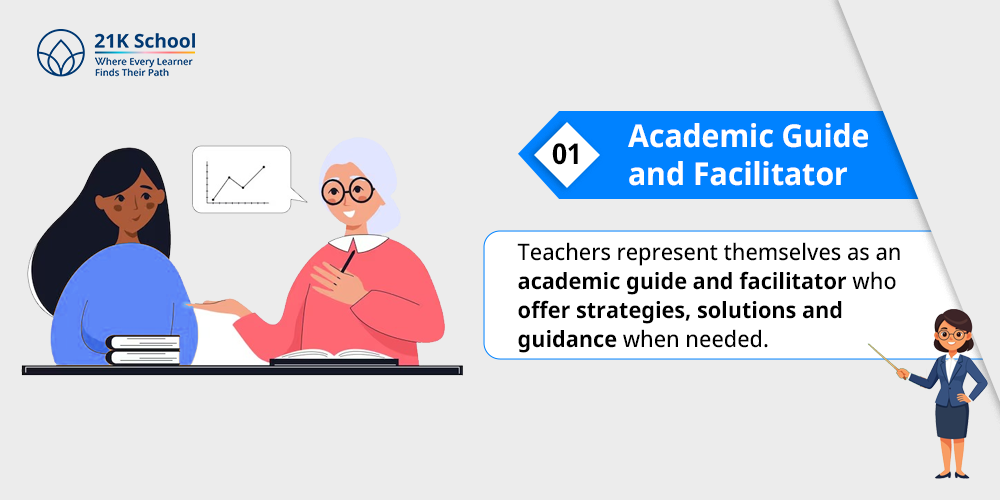
Teachers represent themselves as an academic guide and facilitator who offer strategies, solutions and guidance when needed.
In this way, students are able to understand the concepts deeply and apply them in real-life.
2. Connector Between School and Home
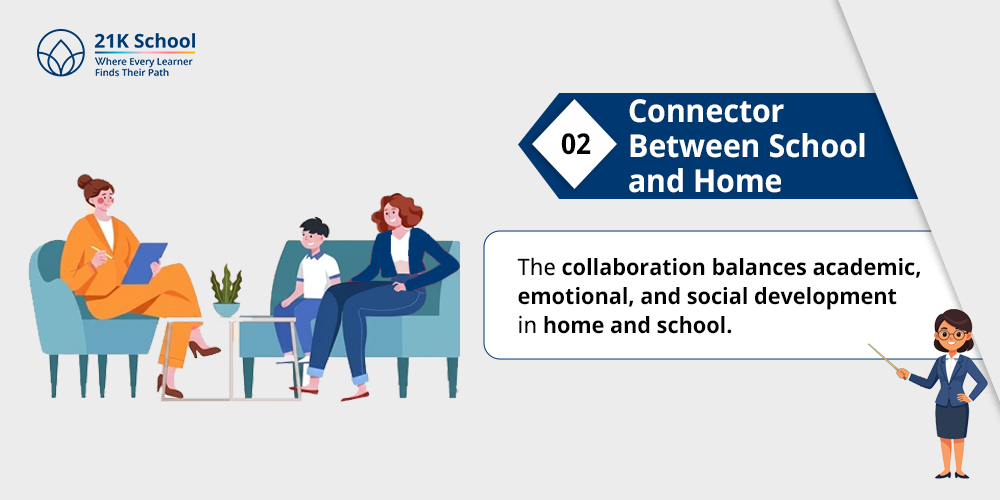
Teachers act as a bridge between school and home to balance education and other activities.
The collaboration balances academic, emotional, and social development in home and school.
3. Provide Supportive Environment
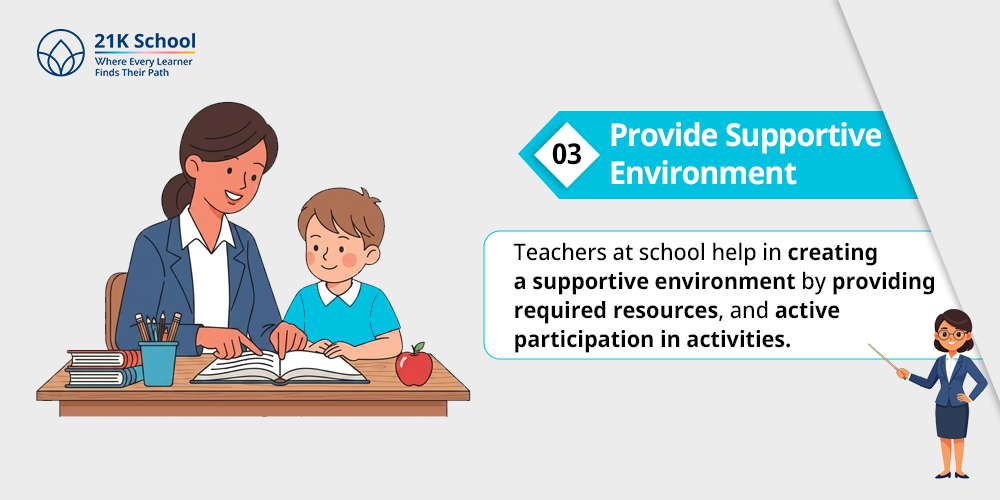
Teachers at school help in creating a supportive environment by providing required resources, and active participation in activities.
5 Benefits of Holistic Development
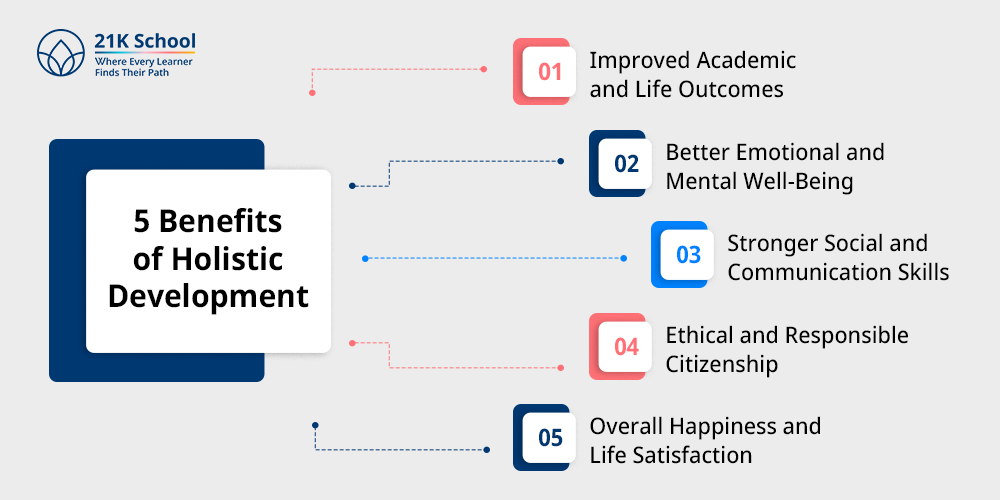
Education is no longer sufficient for students. The overall growth is achieved by holistic development. To understand the benefits of holistic development continue reading the 5 key points:
1. Improved Academic and Life Outcomes
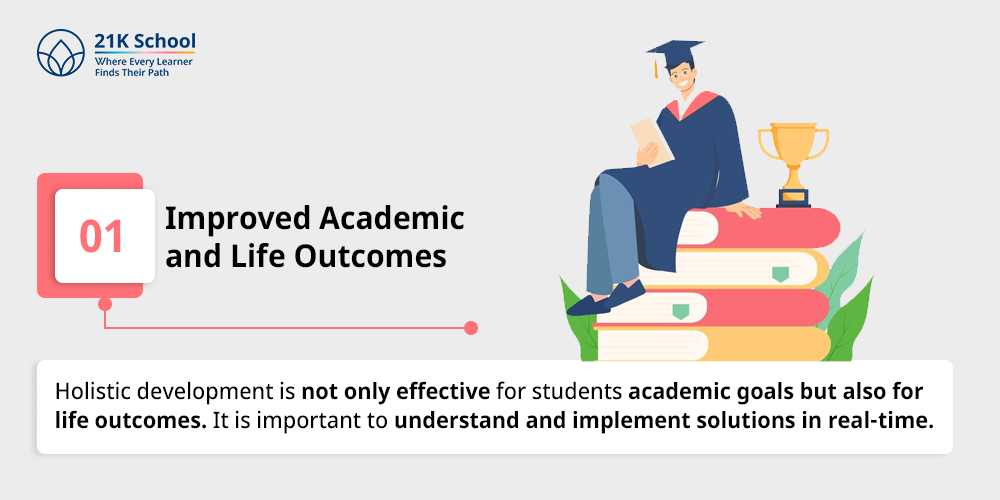
Holistic development is not only effective for students academic goals but also for life outcomes. It is important to understand and implement solutions in real-time.
For example, a student can learn both how to become topper and creative writing skills.
2. Better Emotional and Mental Well-Being
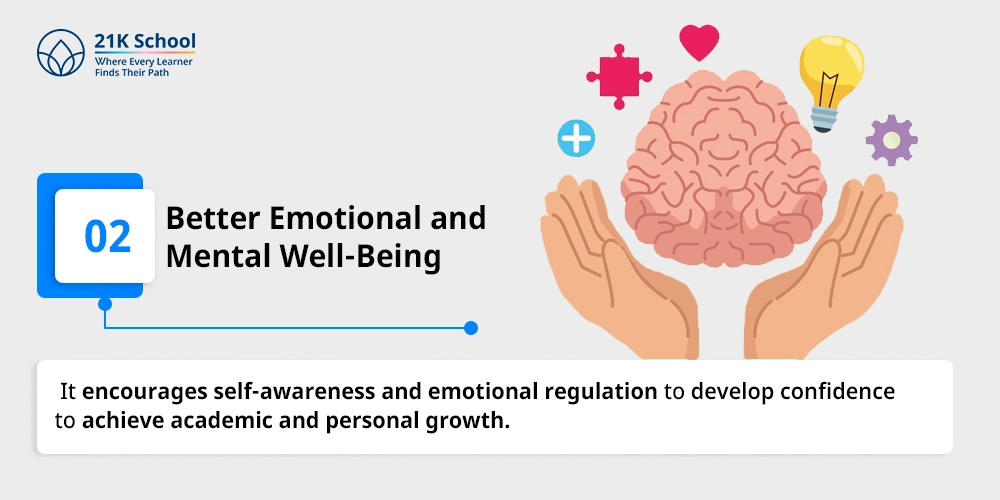
Holistic development promotes emotional and mental well-being in students’ lives. It encourages self-awareness and emotional regulation to develop confidence to achieve academic and personal growth.
3. Stronger Social and Communication Skills
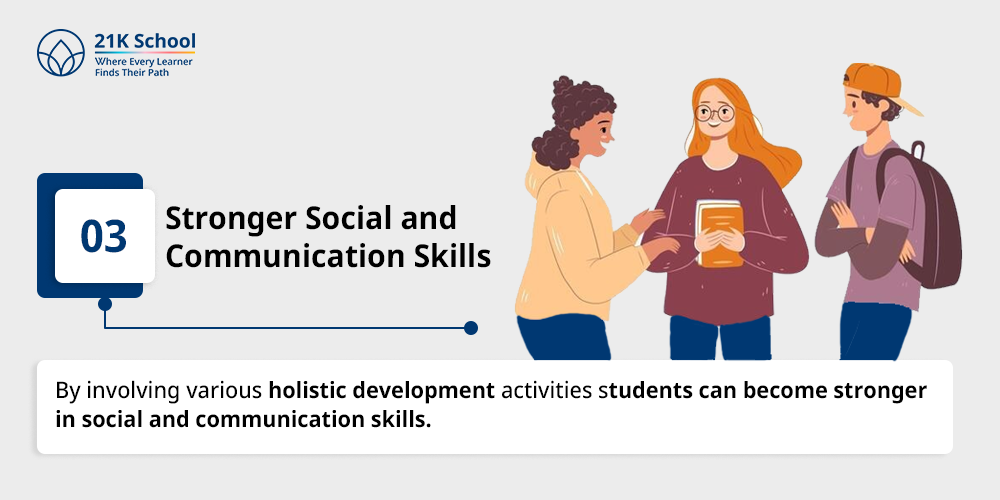
By involving various holistic development activities students can become stronger in social and communication skills .
These skills are important for making personal and professional connections and networking.
4. Ethical and Responsible Citizenship
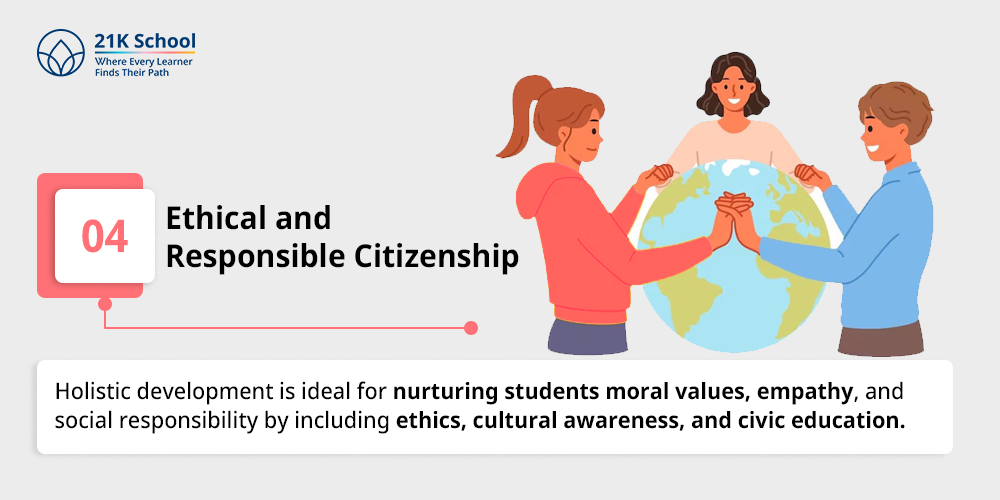
Holistic development is ideal for nurturing students moral values, empathy, and social responsibility by including ethics, cultural awareness, and civic education.
It is important to understand the right and wrong to make responsible decisions.
5. Overall Happiness and Life Satisfaction
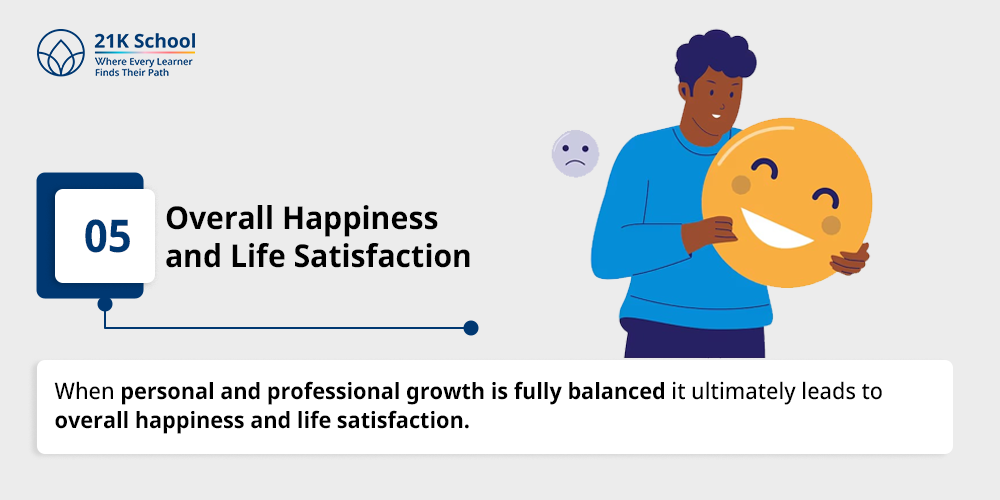
When personal and professional growth is fully balanced it ultimately leads to overall happiness and life satisfaction.
In this way, students get encouraged to achieve better.
5 Easy and Effective Strategies for Nurturing the Holistic Development
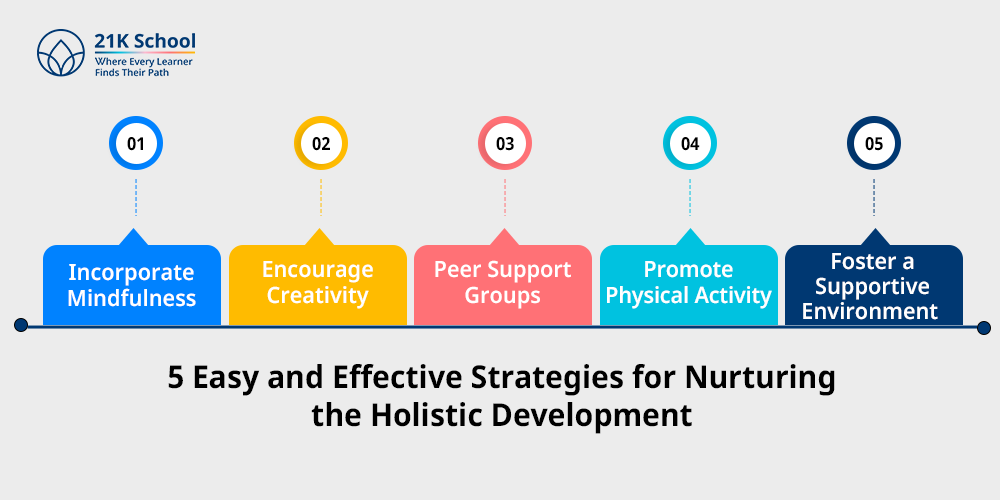
For effective implementation of holistic development one should implement easy and effective strategies such as:
1. Incorporate Mindfulness
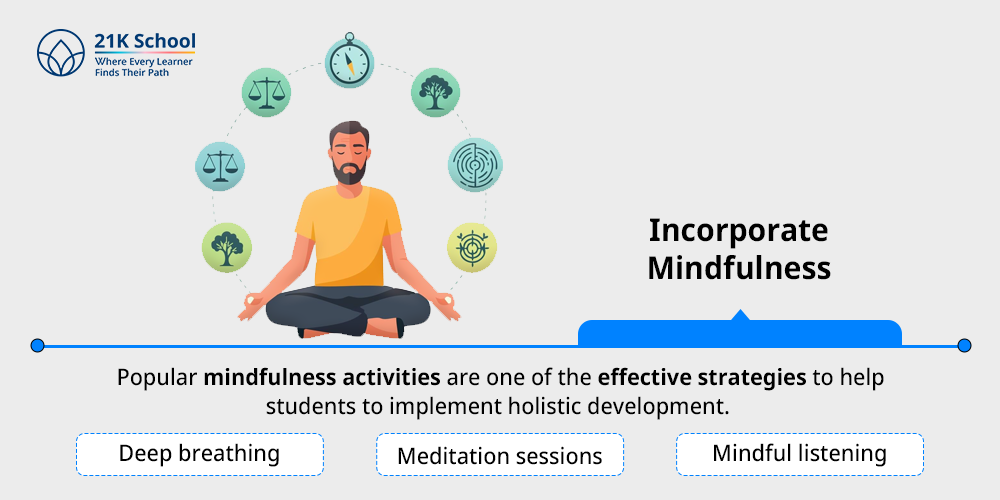
Popular mindfulness activities are one of the effective strategies to help students to implement holistic development.
For example:
- deep breathing
- short meditation sessions
- mindful listening exercises
2. Encourage Creativity
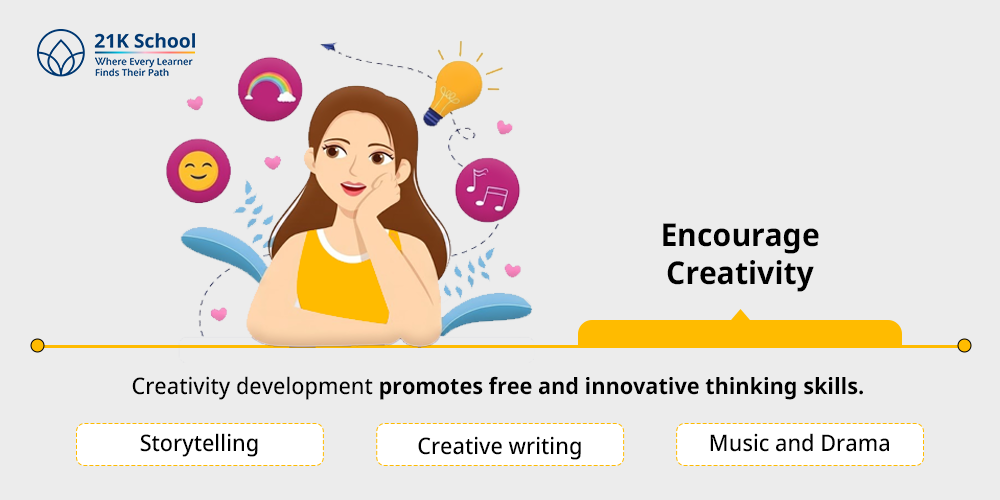
Creativity development promotes free and innovative thinking skills. Including creative activities like music, storytelling, drama, and creative writing increase interest and bring new perspectives.
3. Peer Support Groups
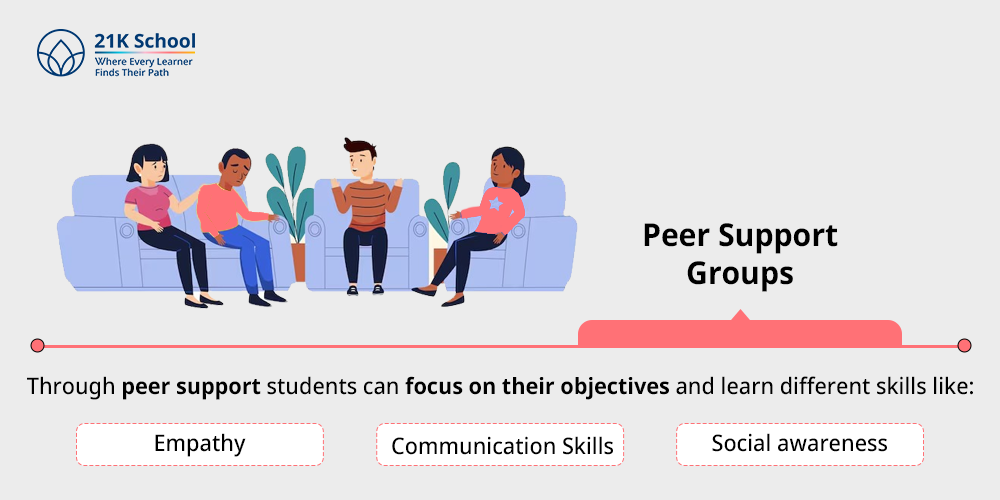
Through peer support students can focus on their objectives and learn different skills like:
- empathy
- communication skills
- social awareness
It is one of the key aspects of social and emotional development.
4. Promote Physical Activity
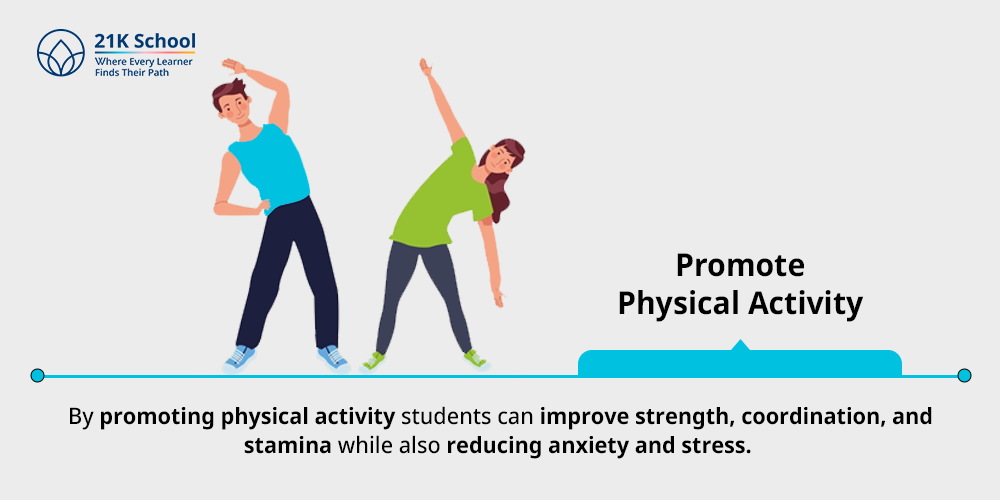
By promoting physical activity students can improve strength, coordination, and stamina while also reducing anxiety and stress.
5. Foster a Supportive Environment
By fostering a supportive environment students are encouraged to learn effectively. Feeling safe, supporting, and valued help in exploring self-potential for future growth.
4 Key Roles of Holistic Development in Career
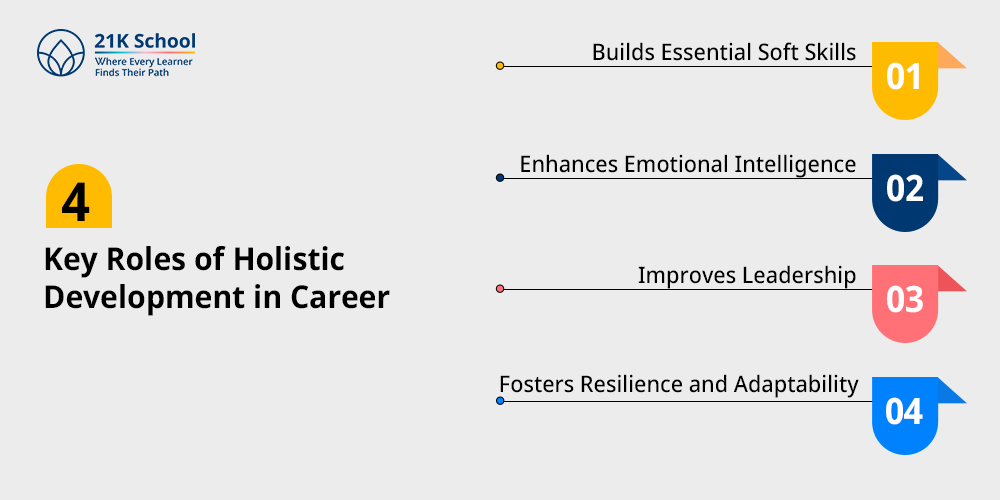
By implementing holistic development students can focus on their career growth. Some key role of holistic development in career are:
1. Builds Essential Soft Skills
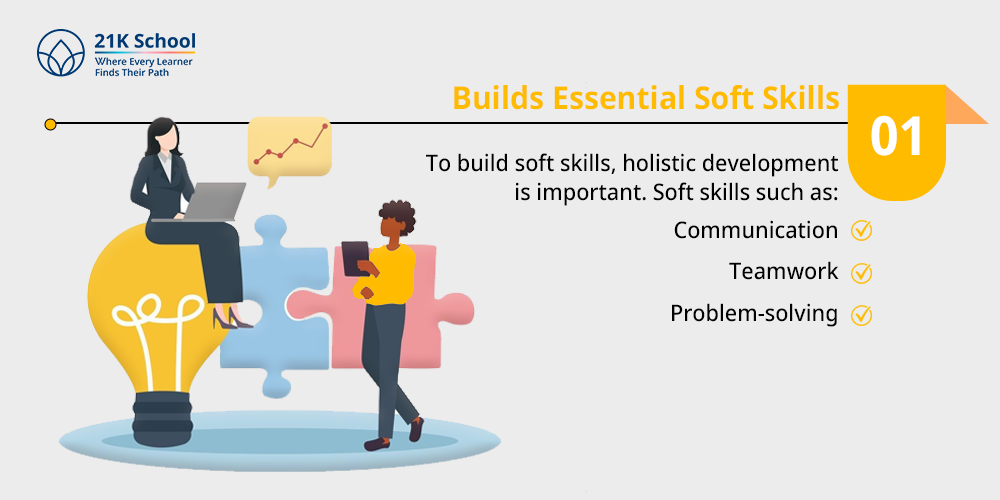
To build soft skills , holistic development is important. Soft skills such as:
- communication
- teamwork
- problem-solving
- critical thinking
- time management
2. Enhances Emotional Intelligence
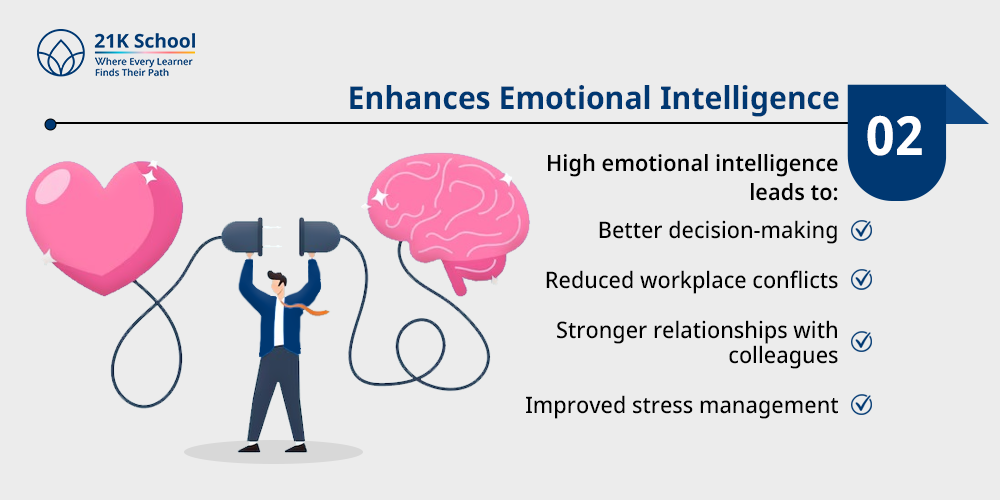
A key outcome of holistic development is strong emotional intelligence. High emotional intelligence leads to:
- better decision-making
- reduced workplace conflicts
- stronger relationships with colleagues
- improved stress management
3. Improves Leadership
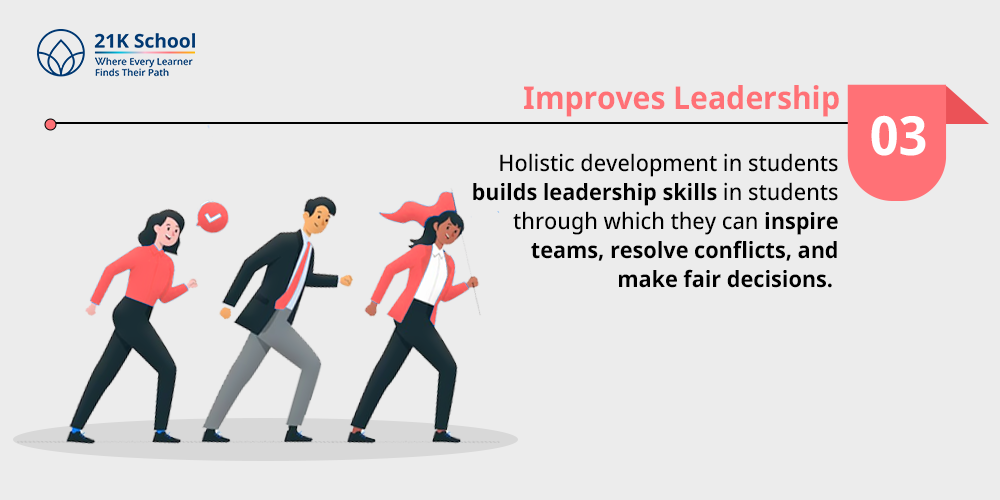
Holistic development in students builds leadership skills in students through which they can inspire teams, resolve conflicts, and make fair decisions.
4. Fosters Resilience and Adaptability
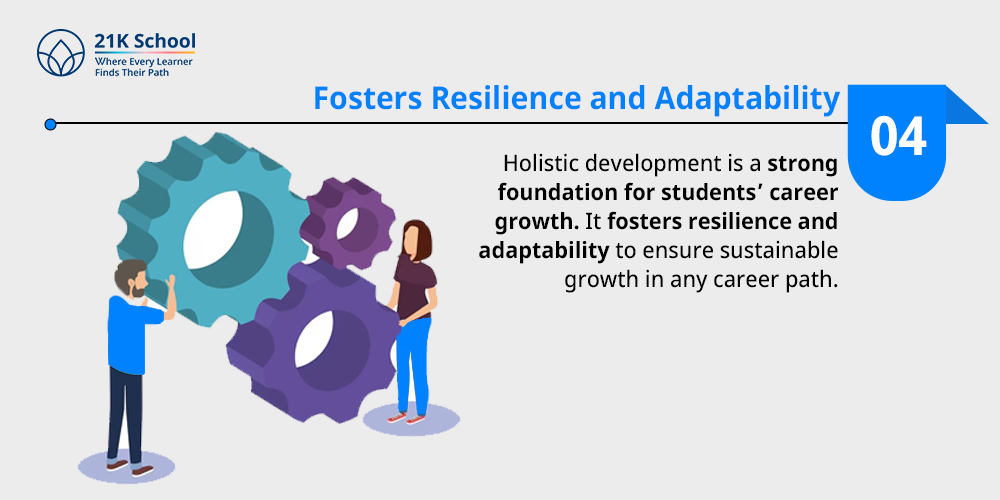
Holistic development is a strong foundation for students’ career growth. It fosters resilience and adaptability to ensure sustainable growth in any career path.
5 Common Challenges in Achieving Holistic Development
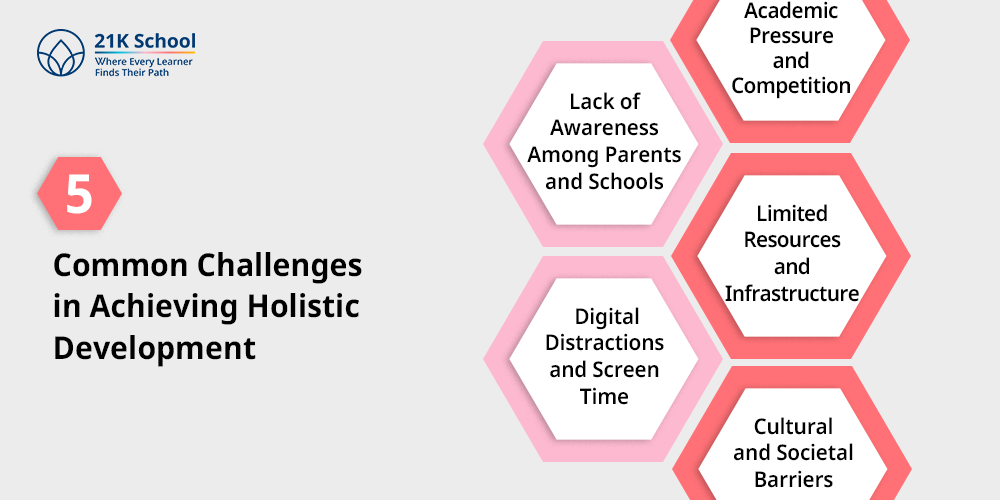
Even there are many benefits of holistic development students face challenges such as:
1. Academic Pressure and Competition
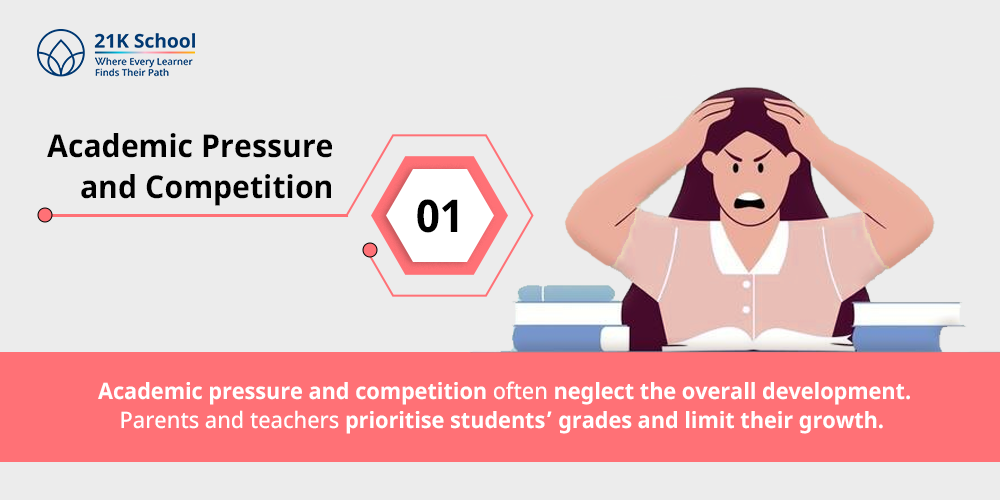
Academic pressure and competition often neglect the overall development. Parents and teachers prioritise students’ grades and limit their growth.
2. Lack of Awareness Among Parents and Schools
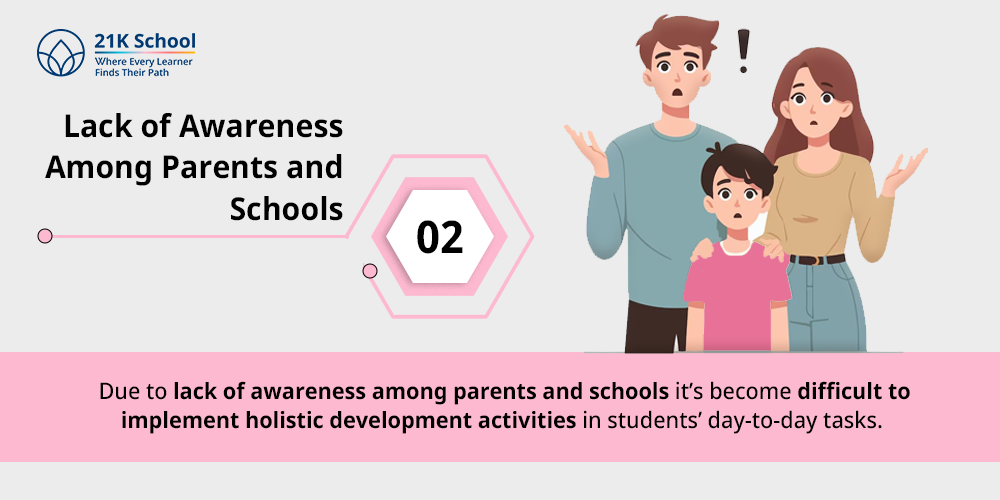
Due to lack of awareness among parents and schools it’s become difficult to implement holistic development activities in students’ day-to-day tasks.
3. Limited Resources and Infrastructure
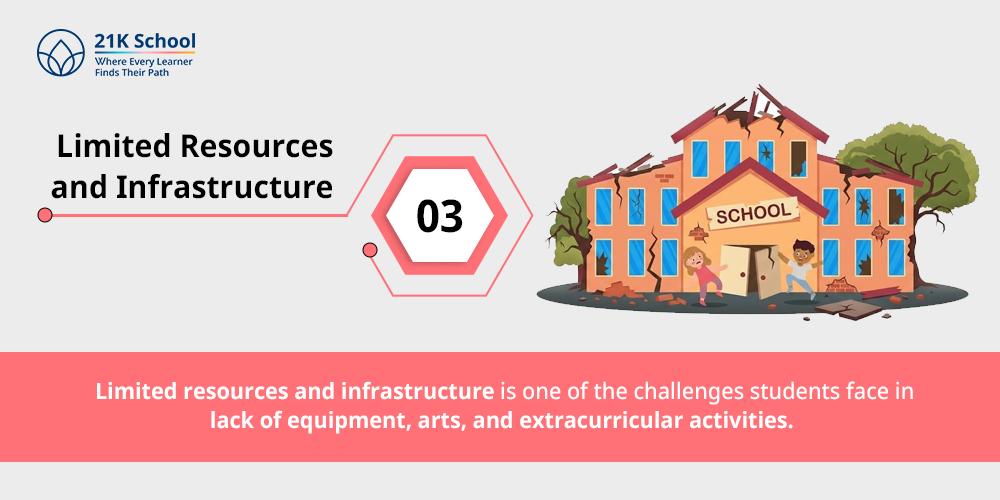
Limited resources and infrastructure is one of the challenges students face in lack of equipment, arts, and extracurricular activities .
4. Digital Distractions and Screen Time
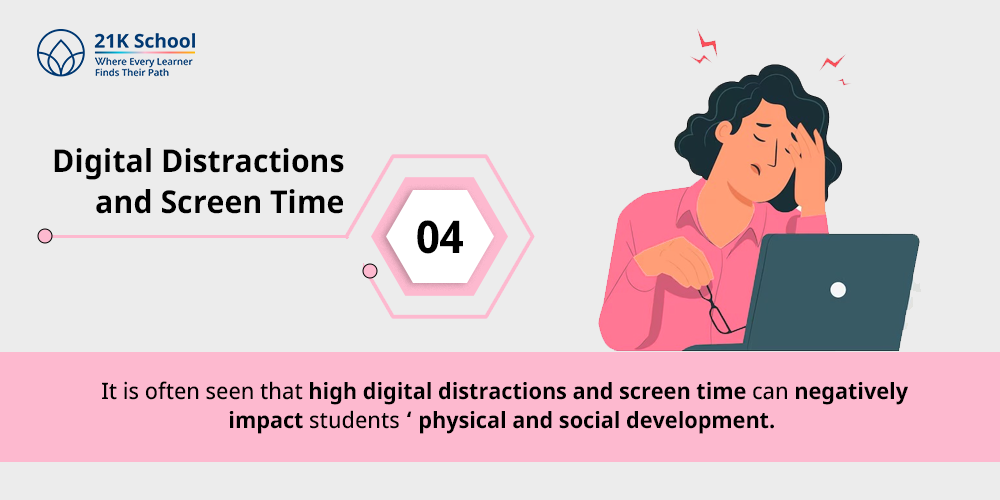
It is often seen that high digital distractions and screen time can negatively impact students ‘ physical and social development.
5. Cultural and Societal Barriers
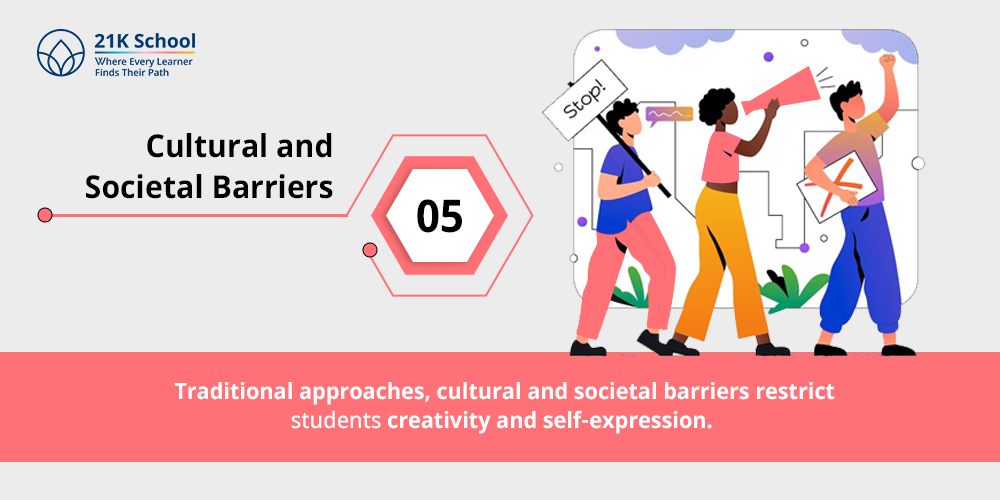
Traditional approaches, cultural and societal barriers restrict students creativity and self-expression.
Conclusion
For meaningful education and lifelong success holistic development plays a major role in students’ lives. It is ideal for physical, intellectual, emotional, social, and moral growth.
This overall development makes sure students become well-rounded individuals and deal with challenges.
Hope by reading a detailed guide you got the desired information about holistic development and its important to implement in students life.

You may also want to read