

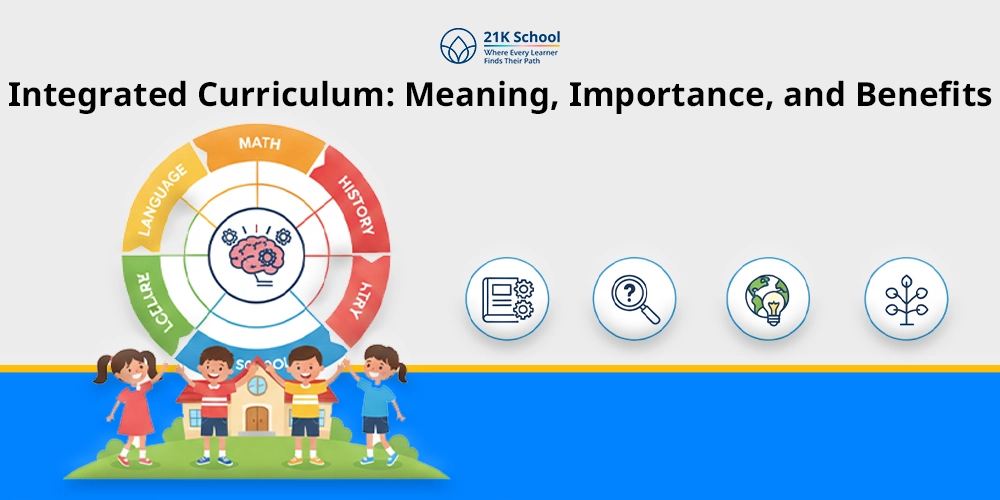
Over the past decades, educators have been wondering whether traditional schooling and their curriculum are sufficient for student-engagement and actual practice.
Such boundaries and strictness in learning a subject have failed the children to acquire actual knowledge .
With these views, an integrated curriculum has emerged in which these limitations are challenged to make learning fun and practical.
This article will talk about this integrated curriculum in detail for assisting stakeholders to implement it in classrooms.
Contents
What is An Integrated Curriculum?
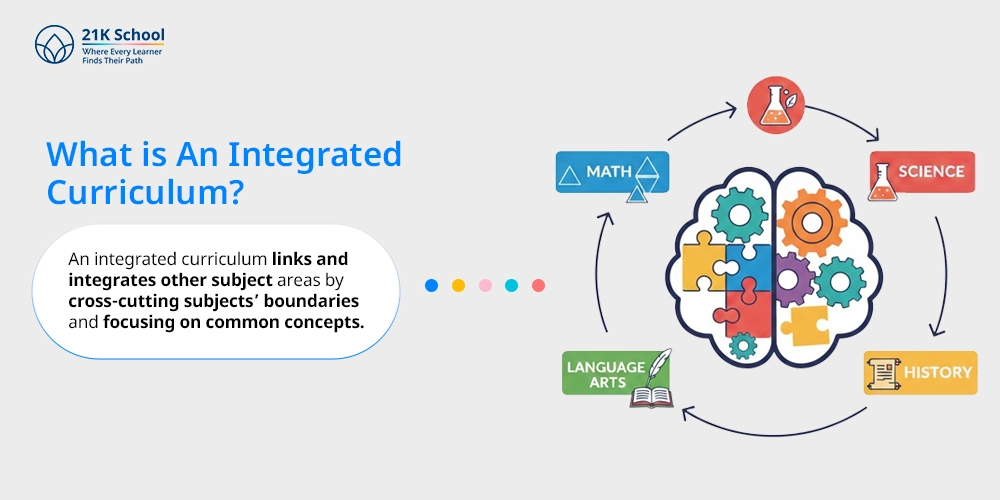
An integrated curriculum links and integrates other subject areas by cross-cutting subjects’ boundaries and focusing on common concepts.
It constitutes interdisciplinary learning .
Therefore, it allows students to see the relationship of conceptual ideas with one another and how the learning is applicable to real life.
Teachers also realize that only through the combination of different disciplines and subjects learners can receive some real knowledge, which could be used in practice.
Objectives Of Integrated Curriculum
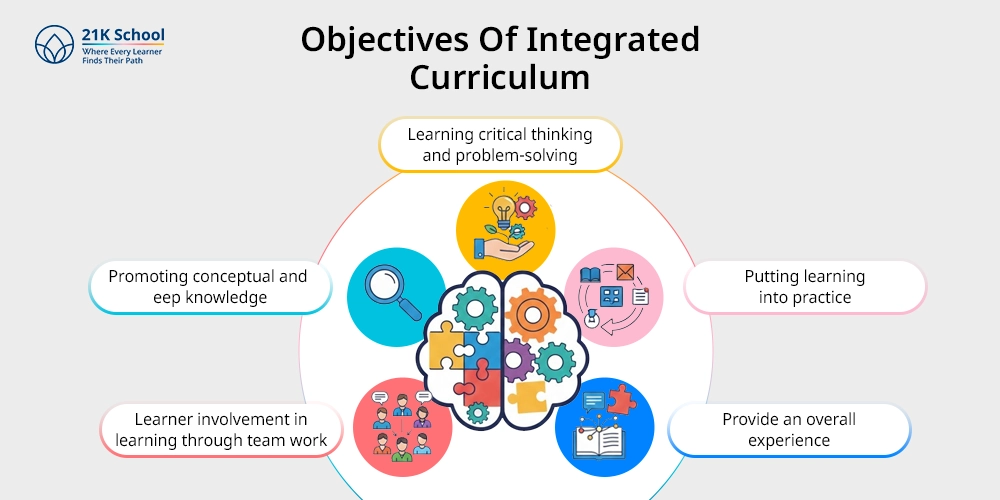
The integrated curriculum has the following most significant objectives:
- Learning critical thinking and problem-solving .
- Putting learning into practice and into life.
- Provide an overall experience during motion of subjects.
- Learner involvement in learning through team work.
- Promoting conceptual and deep knowledge in lessons.
The blend of fields of knowledge causes the students to play a proactive role in learning as opposed to the receivers of the information.
Key Features of Integrated Curriculum
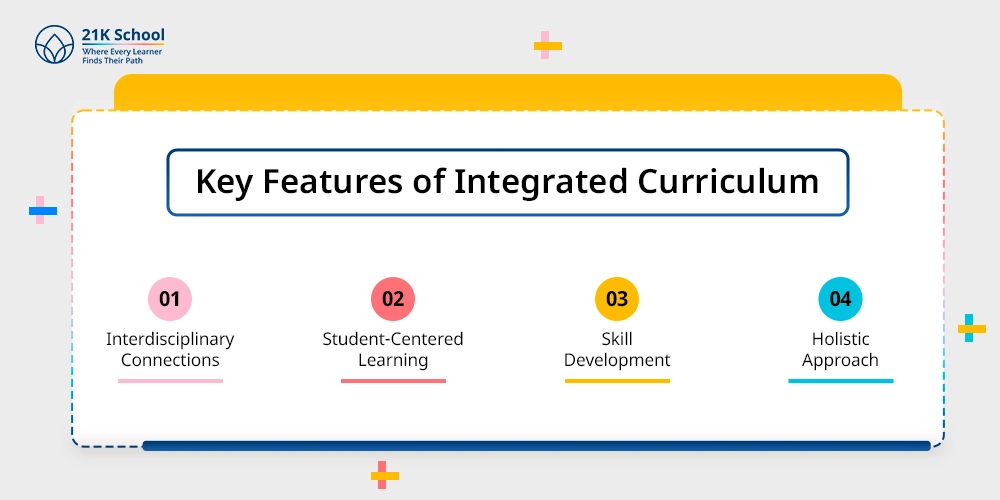
The main characteristics according to which integrated curriculum is unique among all consist:
1. Interdisciplinary Connections
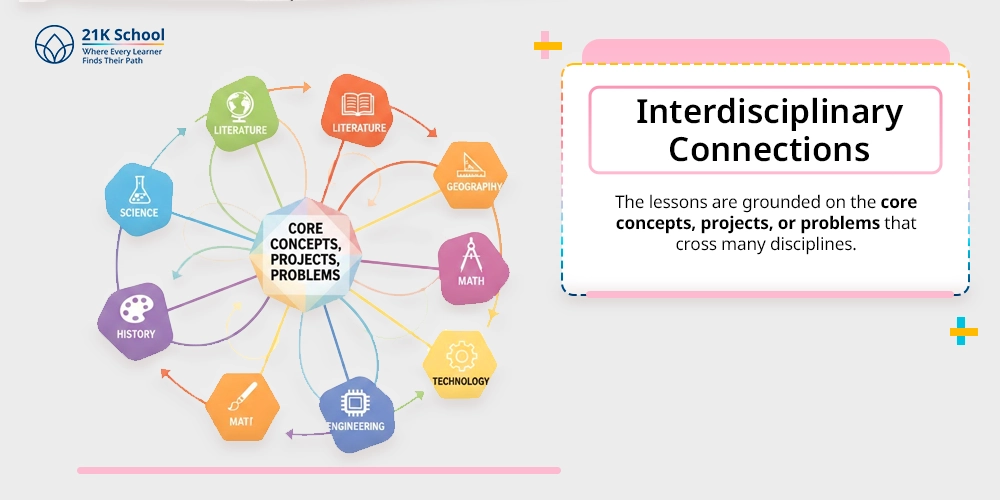
Integrated curriculum breaks the subject boundaries of traditional curriculum.
The lessons are grounded on the core concepts, projects, or problems that cross many disciplines.
As an example, the study of environmental sustainability as science, geography, and economics.
2. Student-Centered Learning
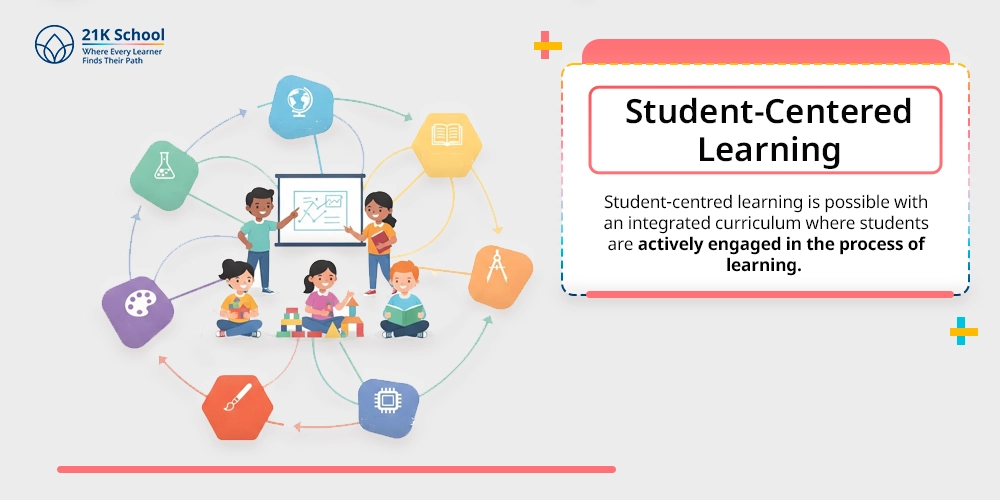
Student-centred learning is possible with an integrated curriculum where students are actively engaged in the process of learning.
Teachers can facilitate exploration and inquiry that enables the learner to raise questions of interest to them.
The interest and curiosity of students is nurtured that leads to better learning results.
3. Skill Development
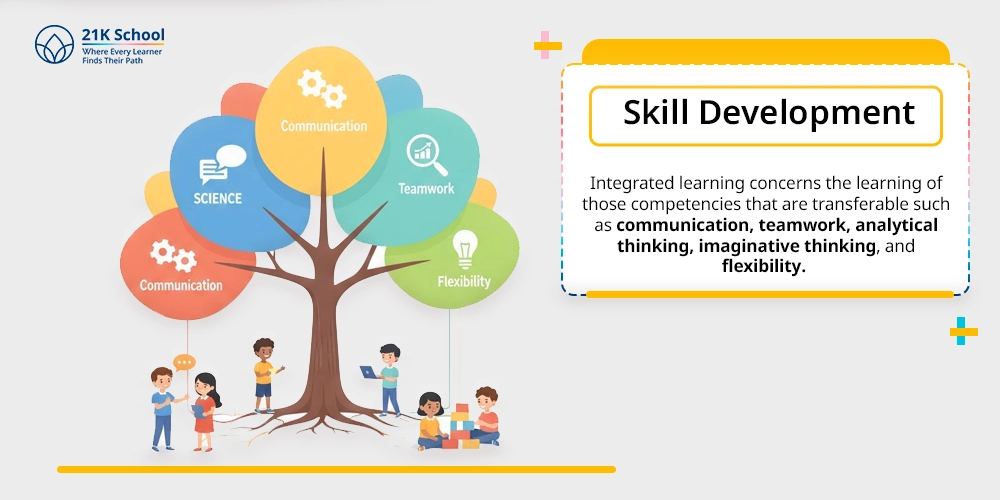
Integrated learning concerns the learning of those competencies that are transferable such as communication, teamwork, analytical thinking, imaginative thinking, and flexibility.
The importance of skill development in schools is often disregarded and that is why integrated curriculum comes in to provide a difference.
Such 21st century skills for students prepare them to undertake jobs in the current and upcoming employment.
4. Holistic Approach
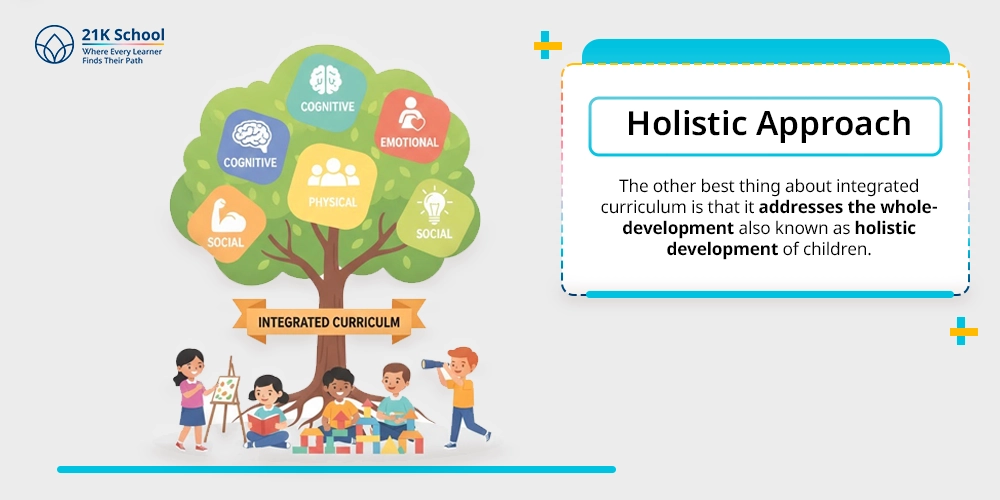
The other best thing about integrated curriculum is that it addresses the whole-development also known as holistic development of children.
In this new approach of instruction several subjects are taught simultaneously, so that the teaching is understood better.
Types of Integrated Curriculum
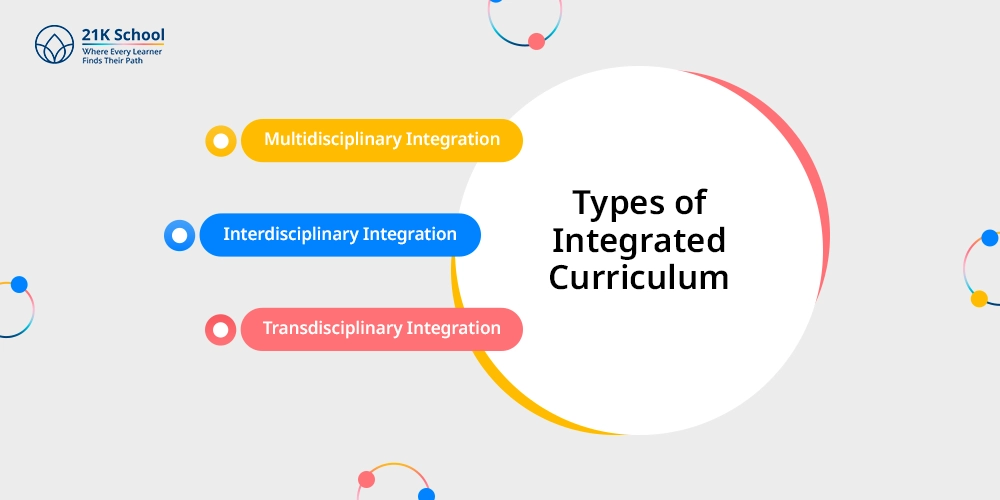
The forms of integrated curriculum to implement more successful learning are as under:
1. Multidisciplinary Integration
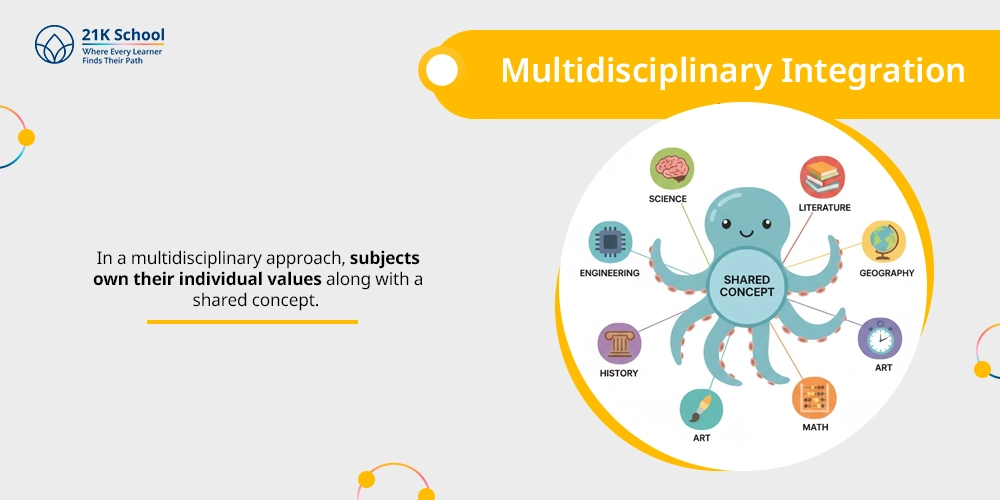
In a multidisciplinary approach, subjects own their individual values along with a shared concept.
As such, instructors coordinate to ensure that subjects overlap with each other and students get the best of lessons.
As an example, educators organize lessons during which students learn about climate change.
They are doing it based on science (global effects), geography (global trends), and economics (environment policies), while each topic preserves its own identity.
2. Interdisciplinary Integration
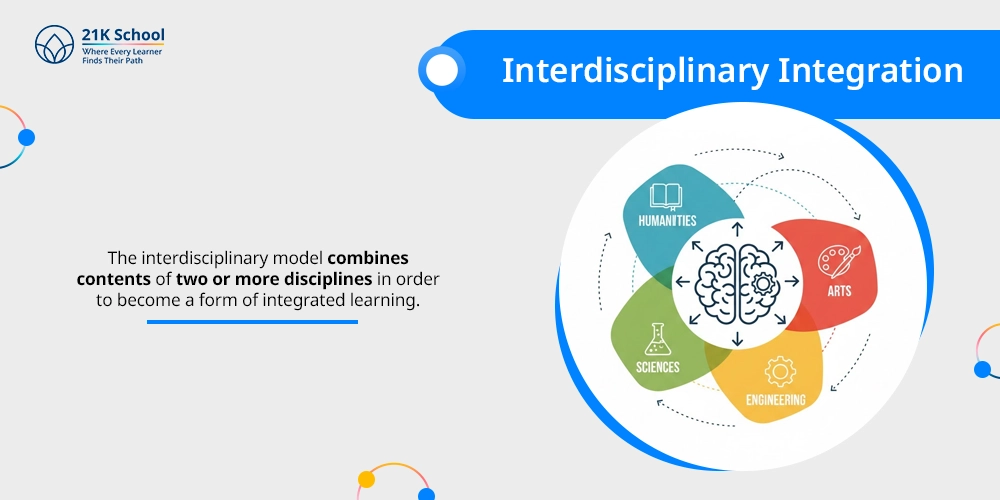
The interdisciplinary model combines contents of two or more disciplines in order to become a form of integrated learning .
Students apply the knowledge of two subjects to have insights on a complicated topic.
Like application of two subjects (mathematics and arts) in one to acquire knowledge about geometry design.
3. Transdisciplinary Integration
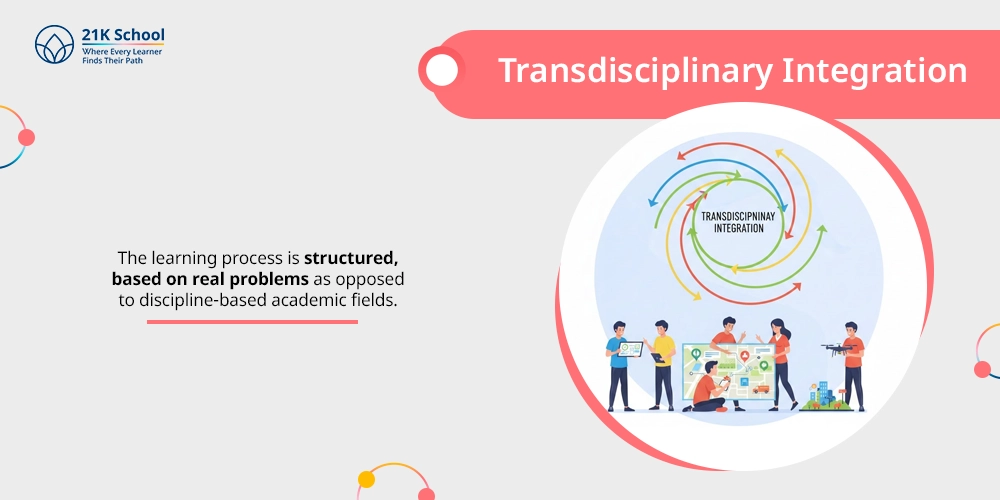
Transdisciplinary integration transcends subject boundaries completely.
The learning process is structured, based on real problems as opposed to discipline-based academic fields.
They may either be service-learning projects or sustainability issues wherein subjects are combined in a single unit.
Importance of Integrated Curriculum
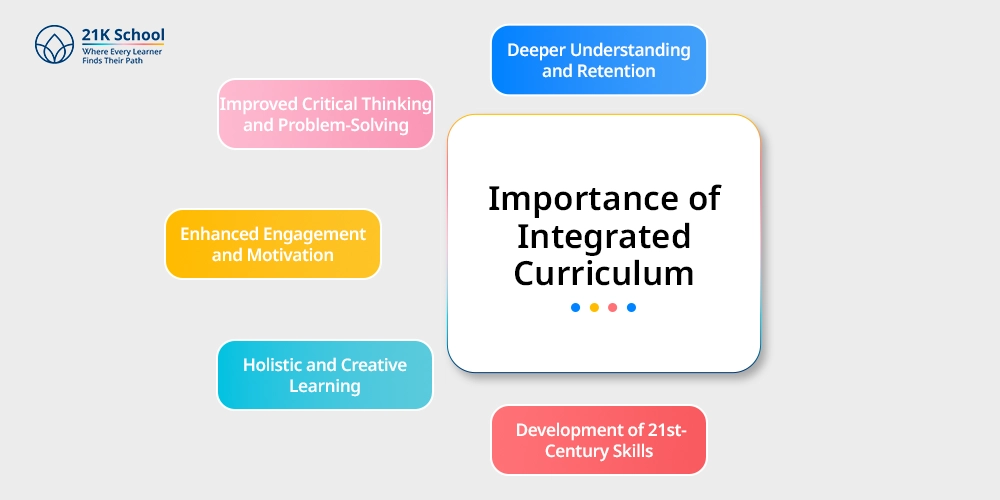
Some of the key reasons why integrated curriculum is being talked of recently are:
1. Deeper Understanding and Retention
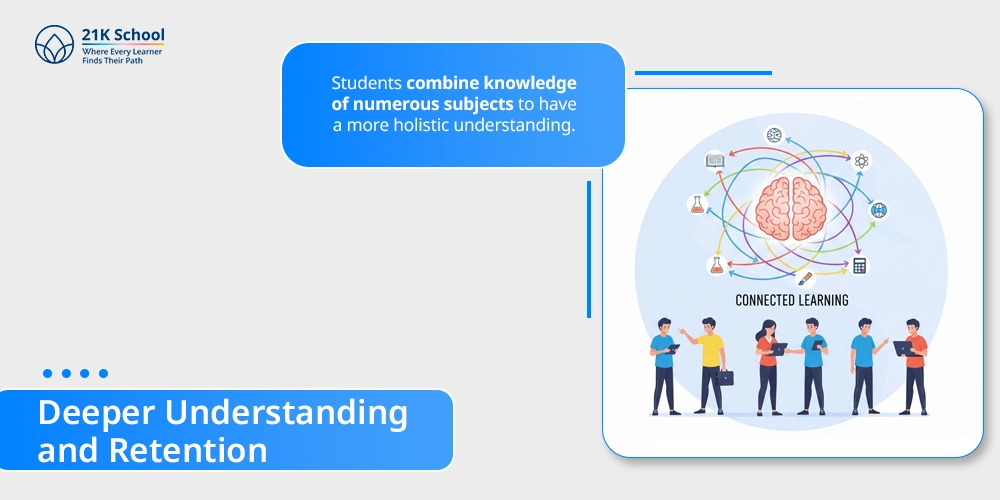
Students combine knowledge of numerous subjects to have a more holistic understanding.
This significantly helps in the increased retention of information which is referred to as connected learning.
They learn better through application than from rote learning .
2. Improved Critical Thinking and Problem-Solving
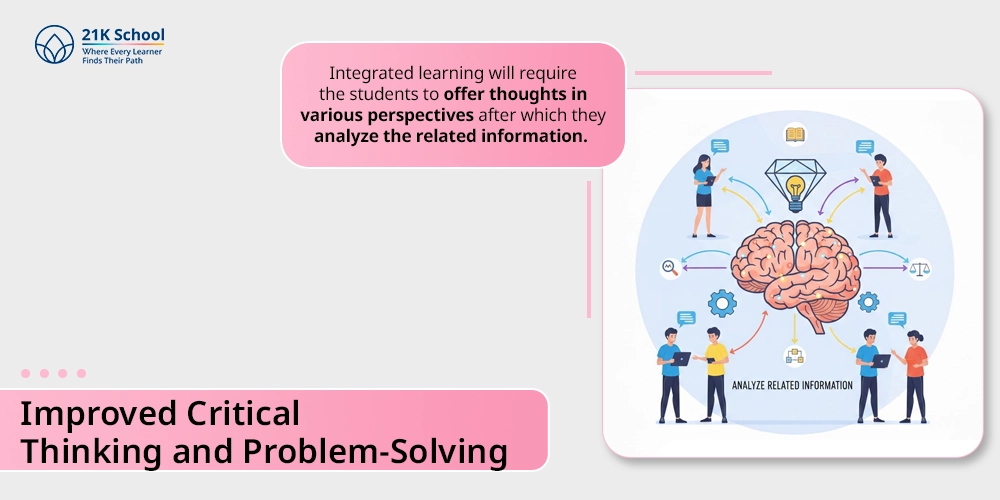
Integrated learning will require the students to offer thoughts in various perspectives after which they analyze the related information.
This can build critical thinking skills and will equip them to approach complex real life problems in a unique way.
3. Enhanced Engagement and Motivation
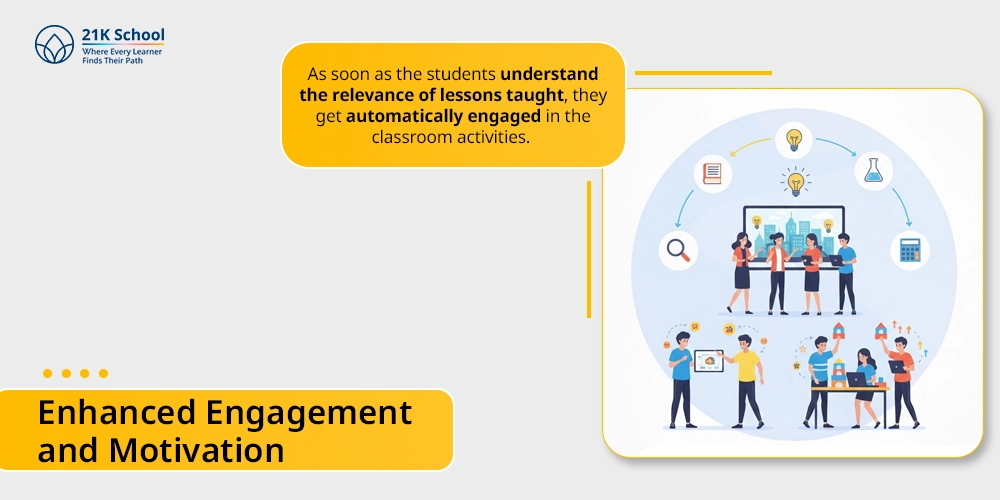
As soon as the students understand the relevance of lessons taught, they get automatically engaged in the classroom activities.
Integrated curriculum aids in making learning meaningful by making classrooms a learning adventure.
4. Holistic and Creative Learning
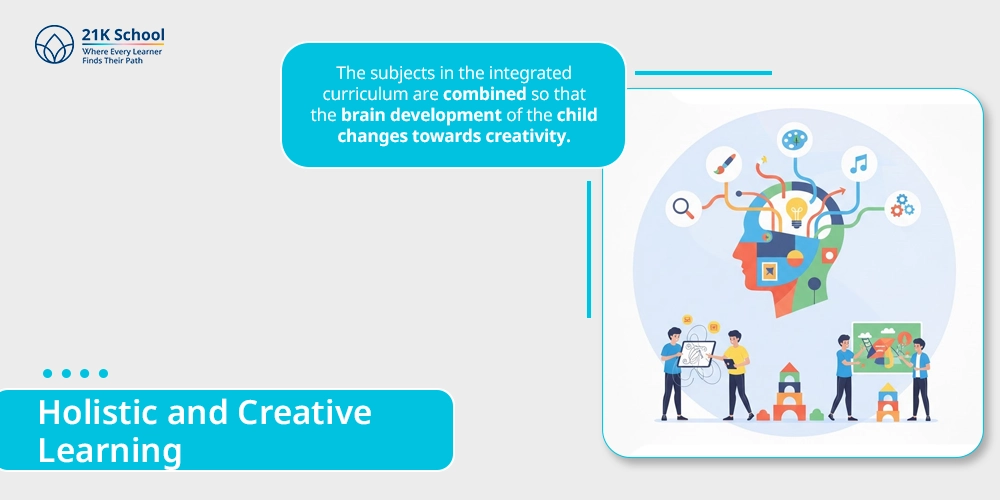
The subjects in the integrated curriculum are combined so that the brain development of the child changes towards creativity.
To enact holistic education through subject-integration, it also enables the students to foster the connections between art, science, language, and philosophy.
It develops the power of thoughts that are analytical and creative.
5. Development of 21st-Century Skills
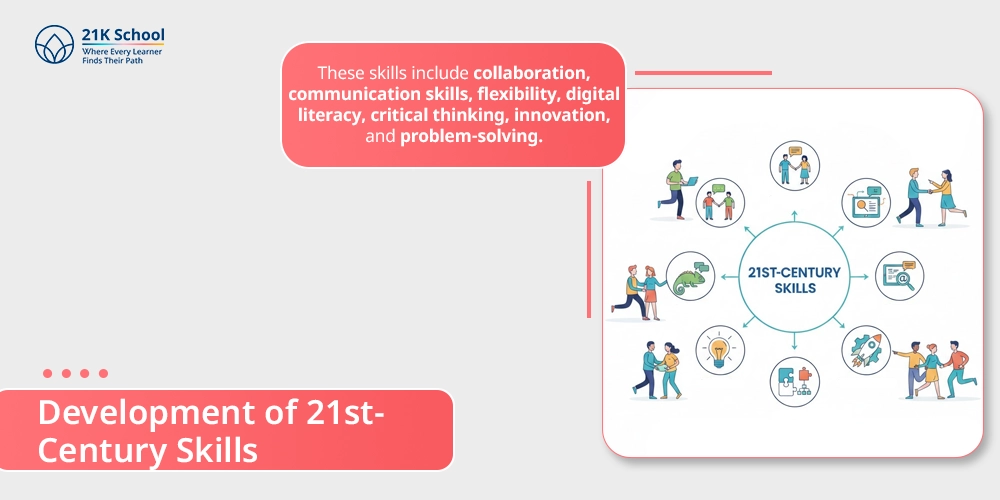
Integrated curriculum assists in building up the fundamental 21st century skills.
These skills include collaboration, communication skills , flexibility, digital literacy , critical thinking, innovation, and problem-solving.
These skills can prepare students to become a winner in different global settings.
Advantages of Integrated Curriculum
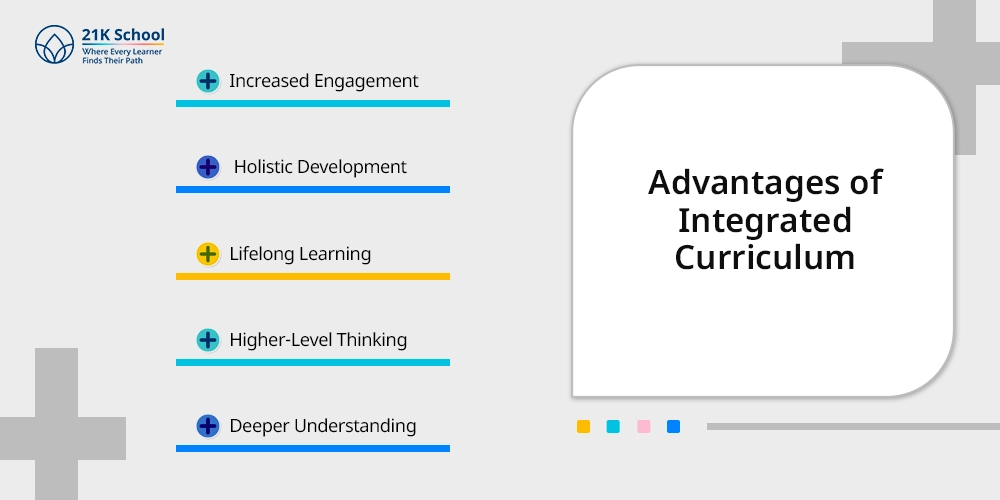
The advantages of having an integrated curriculum in learning plans are as follows:
1. Increased Engagement
Integrated curriculum is able to involve student-engagement that makes the studies feel relevant and useful.
It associates academic experiences with real-life ones to boost self-motivation in students and their participation.
2. Holistic Development
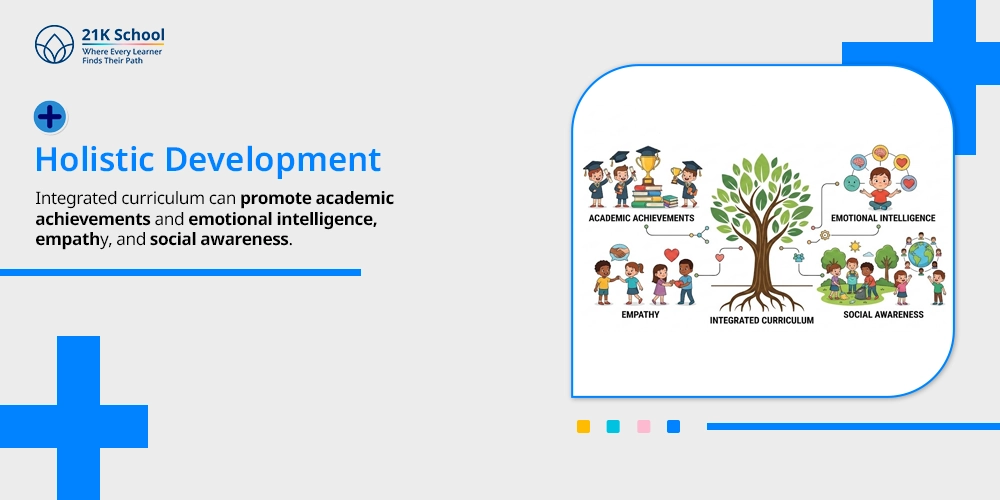
Integrated curriculum can promote academic achievements and emotional intelligence , empathy , and social awareness.
It prepares the students to be holistic individuals.
3. Lifelong Learning
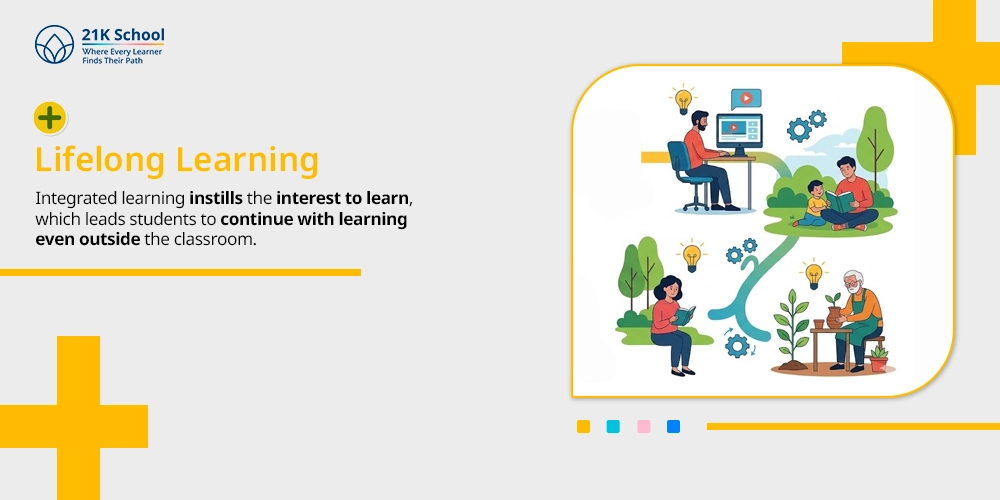
Integrated learning instills the interest to learn, which leads students to continue with learning even outside the classroom.
The faster they understand the essence of lifelong learning , the more improved their attitude gets towards difficult situations in life.
4. Higher-Level Thinking
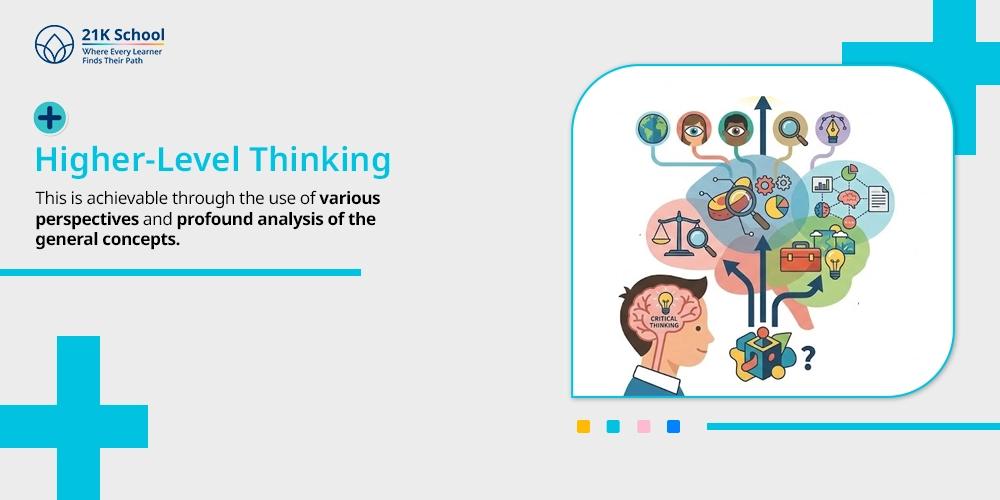
Students evaluate and analyse all subjects they read with higher-level thinking.
This is achievable through the use of various perspectives and profound analysis of the general concepts.
Thereby, it enhances cognitive development of the children .
5. Deeper Understanding
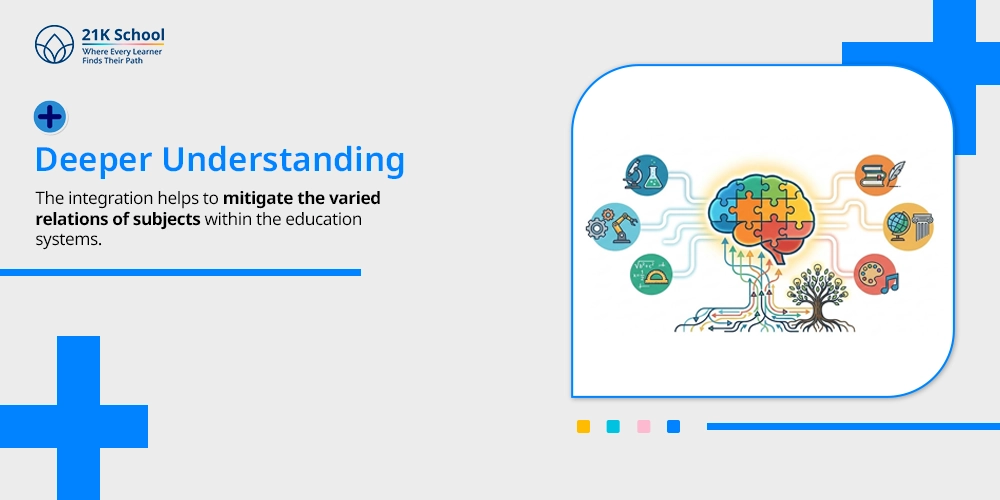
The integration helps to mitigate the varied relations of subjects within the education systems.
This is because the students are allowed to learn how to make sense of the knowledge rather than memorizing it.
Conclude It All
The integration of multiple disciplines in an integrated curriculum fosters learners to be more competent and smart.
Such a curriculum can actually transform the face of knowledge acquisition by the learners, to make them able to access future jobs in the 21st century
.
That is why, the integrative curriculum in the Indian educational systems
should be given attention by the stakeholders, policymakers and parents.

You may also want to read
Eye Contact Activities for Autism: 13 Simple Games for Kids
- Last updated on: 07 Mar, 2026
- 5 min read