



The Pomodoro Study Technique is one of the trendy learning methods that is transforming the way students go about their work. It keeps the mind awake and will not burn out the mind as it splits the study period into brief bursts with a brief break in between.
Pomodoro Study Technique is a time management technique that may be applied to improve concentration and productivity. It helps the students to be concentrated and reduces the mental fatigue by breaking the study time into short time intervals that are usually timed at 25 minutes and separated by brief pauses.
The method facilitates effective learning that is coherent and economical, thereby disaggregating large tasks. The method will help the learners to be more motivated, avoid distractions while studying and take tasks little by little.
Contents
What is the Pomodoro Study Technique?
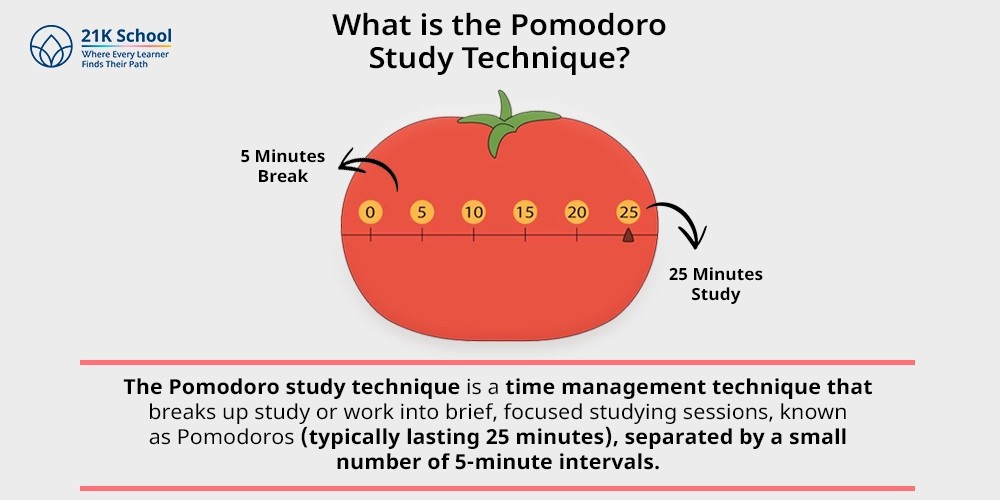
The Pomodoro study technique is a time management technique that breaks up study or work into brief, focused studying sessions, known as Pomodoros (typically lasting 25 minutes), separated by a small number of 5-minute intervals.
After four Pomodoros, a longer break of 15-30 minutes is made. The technique helps in maintaining concentration and not being mentally drained and distracted.
Students will access their tasks step-by-step with the assistance of organised breaks and thus be motivated and more productive even when the demands are big or hard.
History of Pomodoro Study
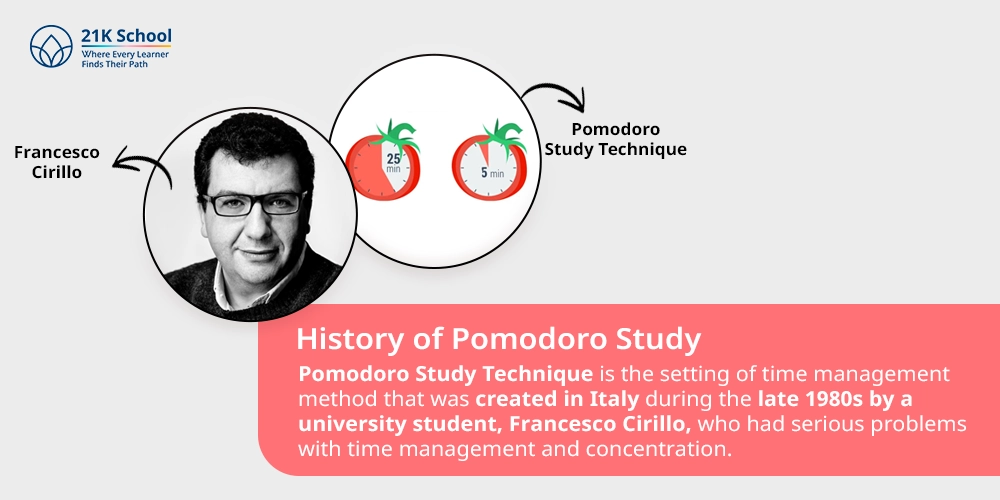
Pomodoro Study Technique is the setting of time management method that was created in Italy during the late 1980s by a university student, Francesco Cirillo, who had serious problems with time management and concentration.
Francesco Cirillo named it after the tomato-shaped (pomodoro in Italian) kitchen timer he used to track his 25-minute, focused work intervals, which helped him focus on studies more effectively. Hence, later it become Pomodoro study technique.
He found out that concentration bursts of approximately 25 minutes and short interventions between were critical in his concentration, motivation and performance.
This approach evolved over time to form an official productivity system, the primary goal of which was to work on rest and work, reduce mental loads and increase the total output.
The Pomodoro Technique is currently prevalent among students, employees, and other people who want to have time management skills , task performance and high productivity.
Benefits of the Pomodoro Study Technique
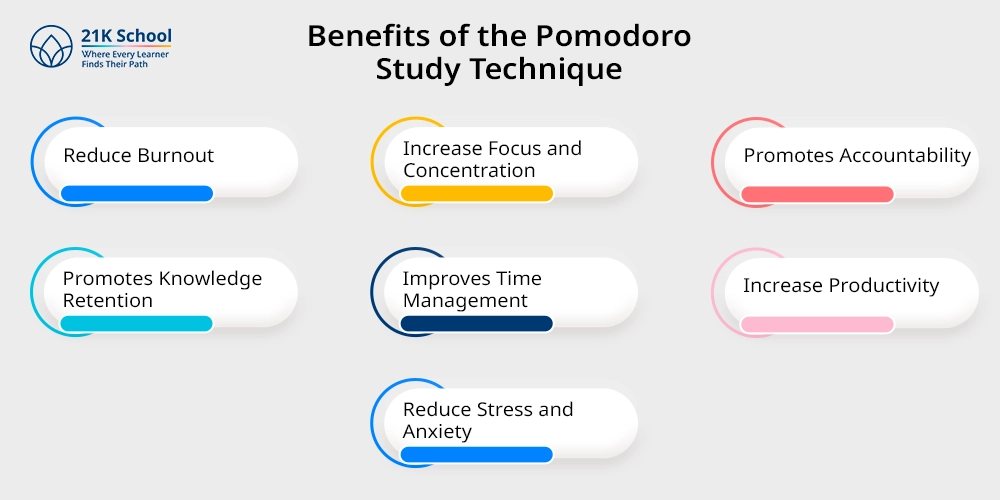
The Pomodoro technique of study has a number of advantages which help to lead a productive and less stressful study.
It will enable the learners to be more concentrated and effective when it comes to time management, and regular and steady progress without being overwhelmed by it, through the introduction of focused working sessions and breaks between them.
1. Reduce Burnout

The Pomodoro technique is also useful in preventing burnout, which is premised on the idea of working in intervals with some solitude.
These intervals will make the brain reconnect with the senses, maintain the energy level, and the student will be capable of studying for long hours without feeling fatigued, and hence learning becomes simpler, and the mind is not strained too much.
2. Increase Focus and Concentration
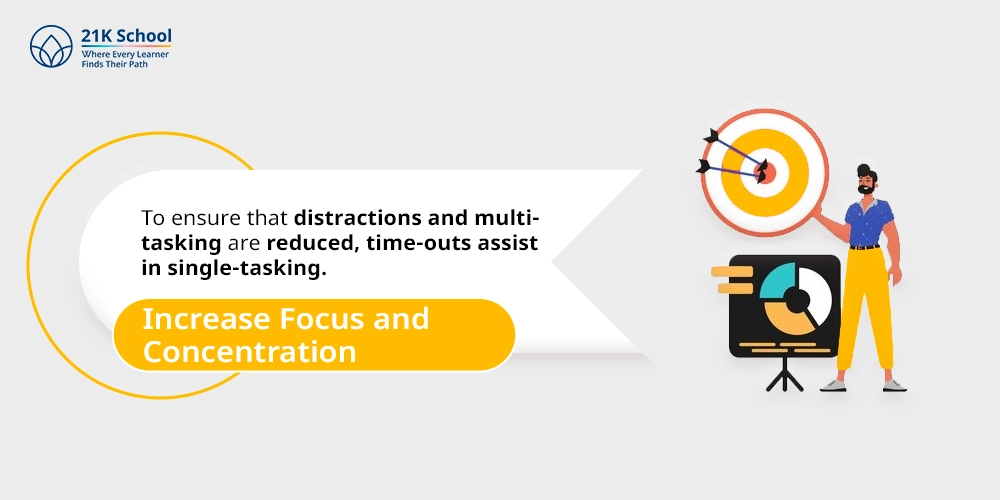
To ensure that distractions and multi-tasking are reduced, time-outs assist in single-tasking.
This makes the attention span longer, allows one to engage more with the material and makes it more productive in the accomplishment of the work and raises the amount of understanding and knowledge retention .
3. Promotes Accountability

The Pomodoro technique enhances accountability through short-term sessions of work that have clear objectives.
The recorded Pomodoras aid people in recognising their hard work, being disciplined, examining their productivity, and being accountable for the way they spend their time.
4. Promotes Knowledge Retention
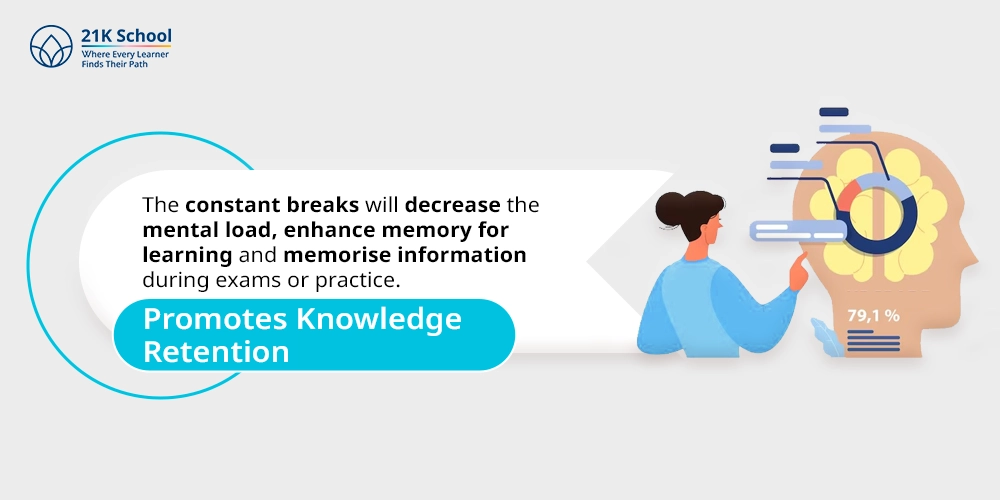
Brief and brisk learning is excellent in processing and engraving information in the brain. The constant breaks will decrease the mental load, enhance memory for learning and memorise information during exams or practice.
5. Improves Time Management
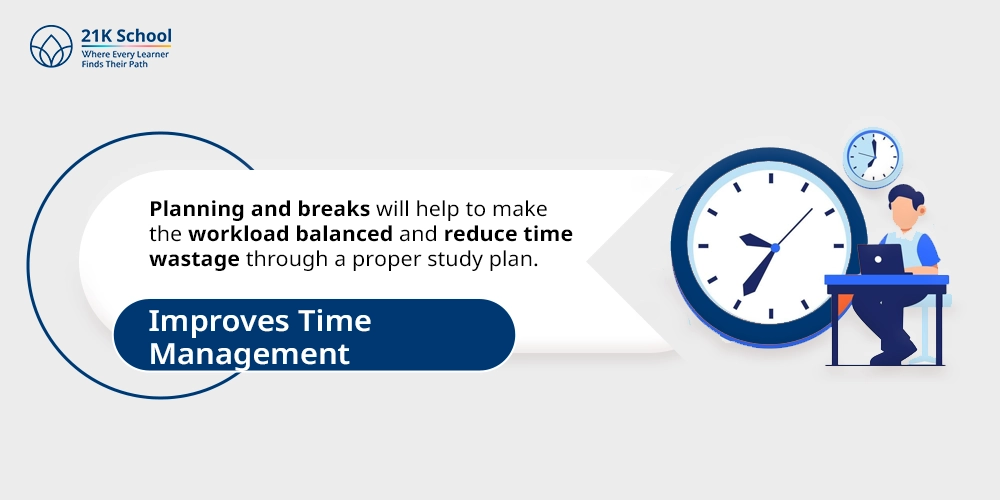
The Pomodoro Technique will structure the studying process that will include dividends, and the students will be able to learn how to concentrate on studies and spend time efficiently.
Planning and breaks will help to make the workload balanced and reduce time wastage through a proper study plan , improving the ability to schedule academic and personal tasks.
6. Increase Productivity
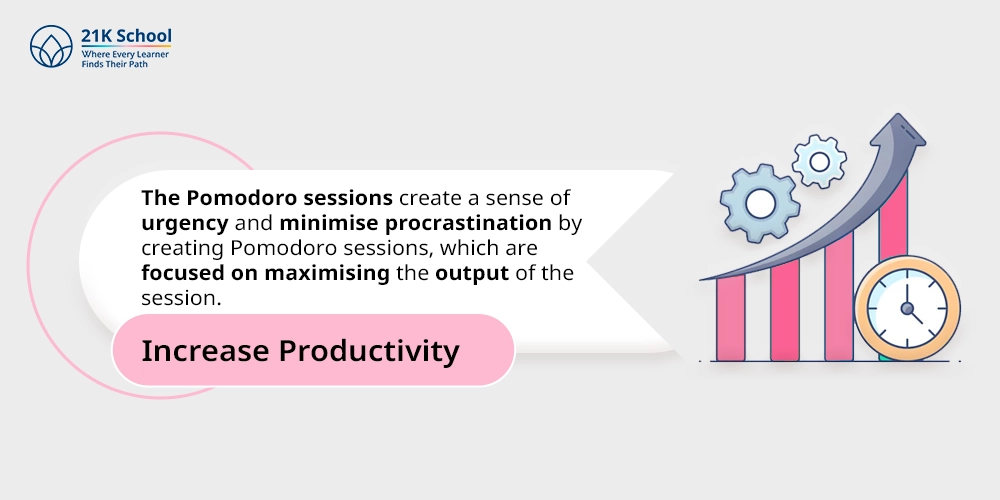
The Pomodoro sessions create a sense of urgency and minimise procrastination by creating Pomodoro sessions, which are focused on maximising the output of the session.
Rest also refreshes the mind, which is always refreshed to proceed with further sessions, work more efficiently and help the student do more in a shorter period.
7. Reduce Stress and Anxiety
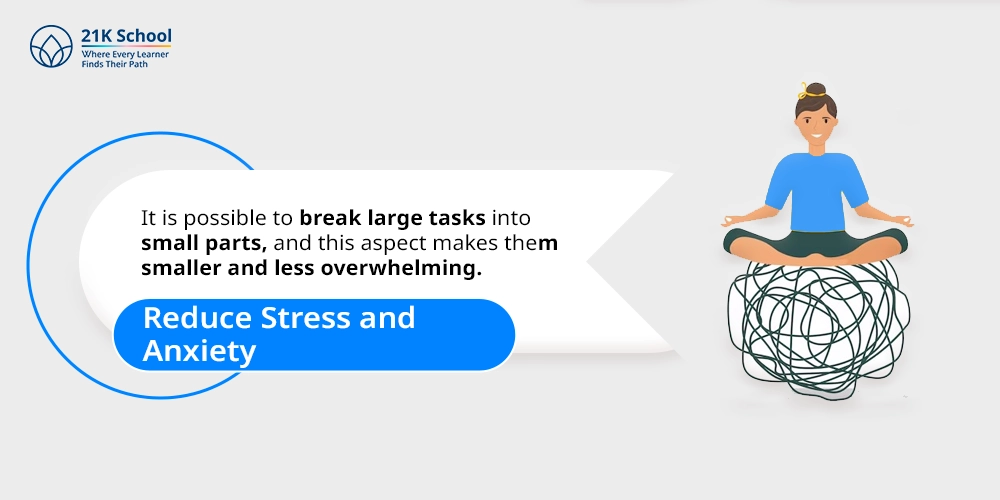
It is possible to break large tasks into small parts, and this aspect makes them smaller and less overwhelming.
Breaks provide rest, and the fact that one is able to notice the progress in the number of Pomodoros done provides a sense of control as well. This organisation eradicates exam stress , establishes confidence and study and examinations become less stressful.
How to Use the Pomodoro Technique: Step-by-Step Guide
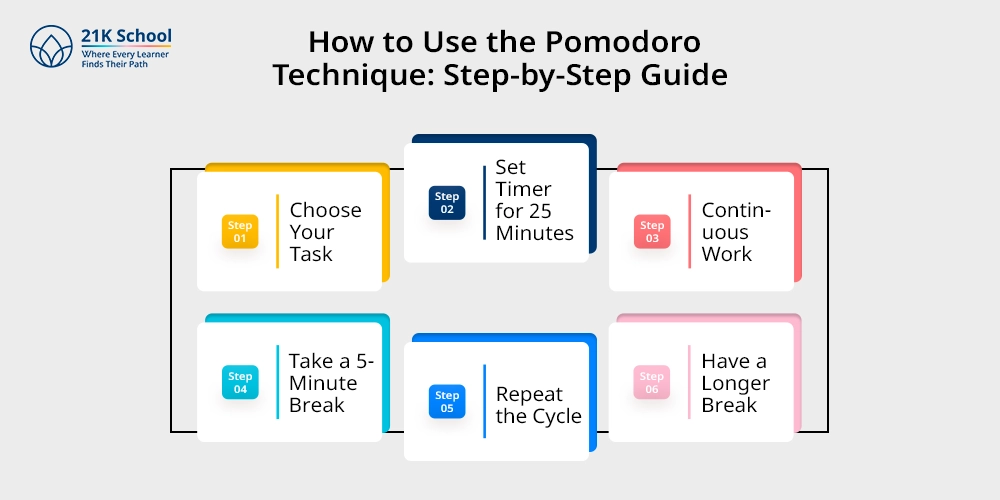
The Pomodoro technique is a gradual method which has been streamlined so that the learners become productive and concentrated. This plan may be used to plan and structure the research and make the research smooth, as the activities may be divided into time-oriented sessions that have a sequence of planned breaks.
Step 1: Choose Your Task
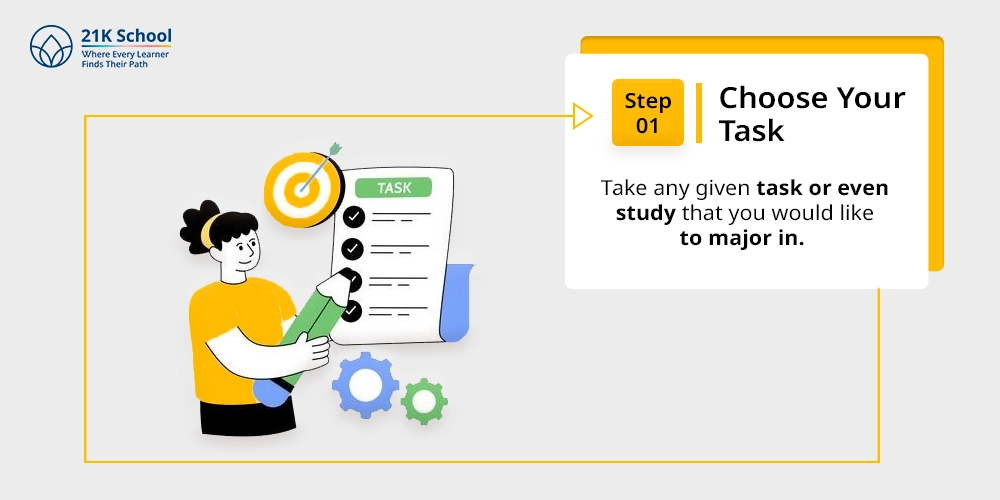
Take any given task or even study that you would like to major in. Recognising what you need to do will serve as an addition to you being better organised, and you will not miss your Pomodoro sessions.
By dividing large tasks, it is possible to make them small and manageable. You do not need to divide your mind because you will be fully engaged during the given time and observe the progress.
Step 2: Set Timer for 25 Minutes
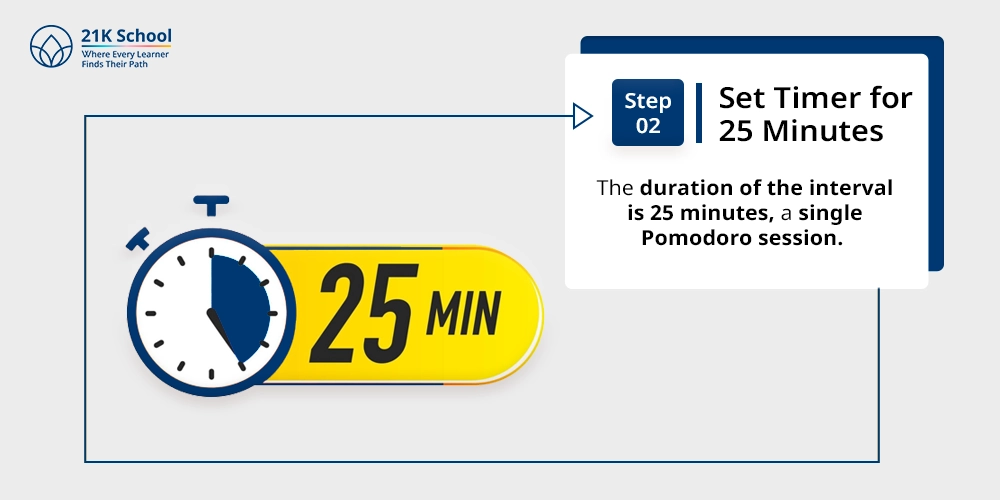
The duration of the interval is 25 minutes, a single Pomodoro session. This set time renders the feeling of urgency whereby you would want to work within it to achieve as much as possible within the time frame.
A timer will avoid overworking and time loss, as well as allow the sessions to be organised and effective. Convenience may be applied using digital applications or hardware timers.
Step 3: Continuous Work
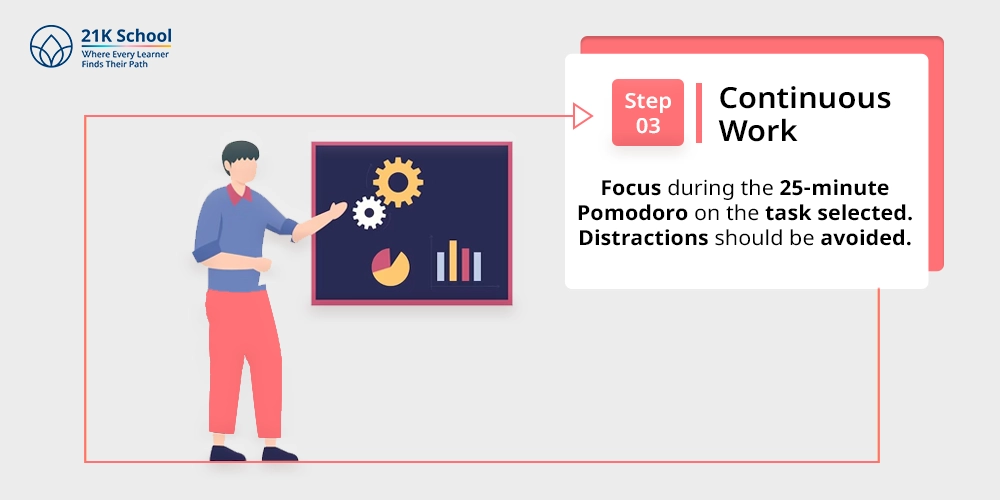
Focus during the 25-minute Pomodoro on the task selected. Distractions should be avoided: phone, social media, and multitasking. The ability to concentrate continuously enables one to do deep work, and it is efficient and a better way to learn faster .
Provided that there is some distraction, then note it down to be covered at a later stage, as good study habits require minimising interruptions. Such a time management technique trains your psyche to be attentive; it will make you more productive, and all the Pomodoro sessions are productive.
Step 4: Take a 5-Minute Break
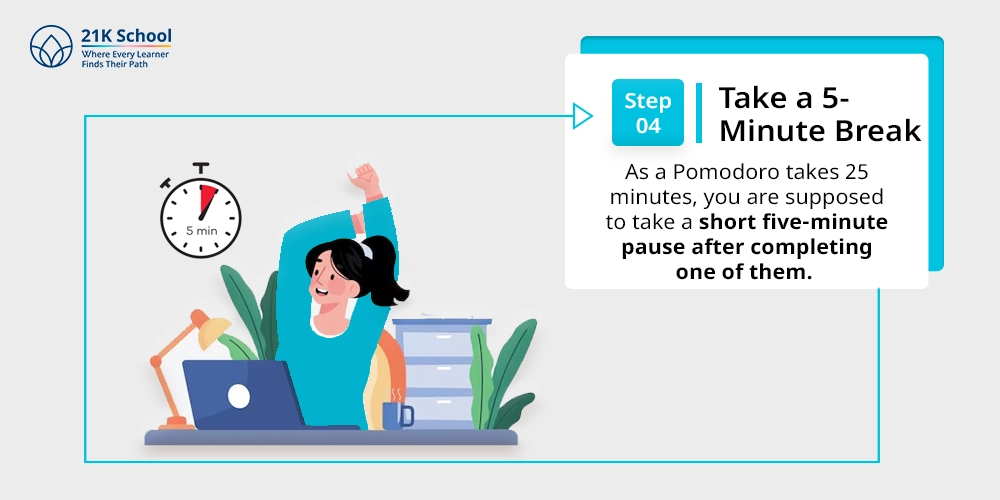
As a Pomodoro takes 25 minutes, you are supposed to take a short five-minute pause after completing one of them. Use this time to stretch, hydrate or take some time to relax the mind.
Taking breaks is one of the methods to prevent mental exhaustion and sharpen your mind to have the next session, and to refresh your energy. During this time, one should not be involved in activities that require great focus.
Step 5: Repeat the Cycle
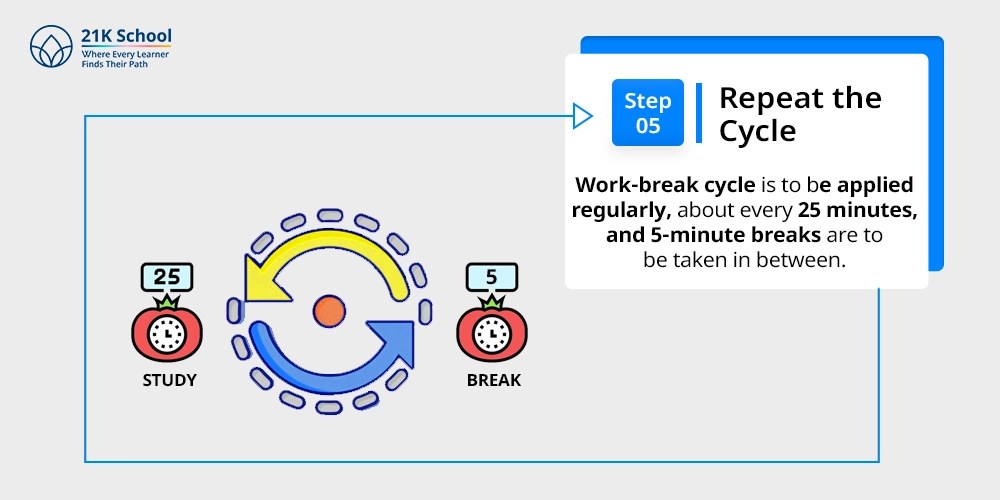
After the break, resume another Pomodoro time with a chosen activity or the one that you were doing. Work-break cycle is to be applied regularly, about every 25 minutes, and 5-minute breaks are to be taken in between.
It is this kind of organisation of repetition that allows the brain to be capable of maintaining its attention, habitual studying, and facilitating gradual improvement.
Step 6: Have a Longer Break (15-30 minutes following 4 Pomodoros)
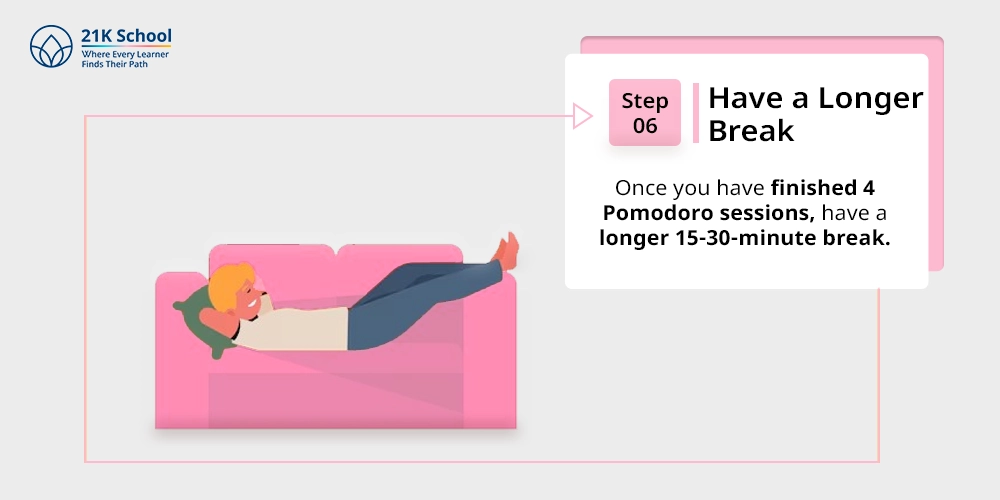
Once you have finished 4 Pomodoro sessions, have a longer 15-30-minute break. Take this time to rest fully, do some light exercises or take a snack. The longer the breaks, the more the brain is able to rest, integrated learning , and experience a mental fatigue which is lessened.
This break is also used to keep the motivation in the next Pomodoros, as it makes sure that the productivity and focus will continue throughout the day without burnout due to long study or work hours.
Disadvantages of the Pomodoro Technique
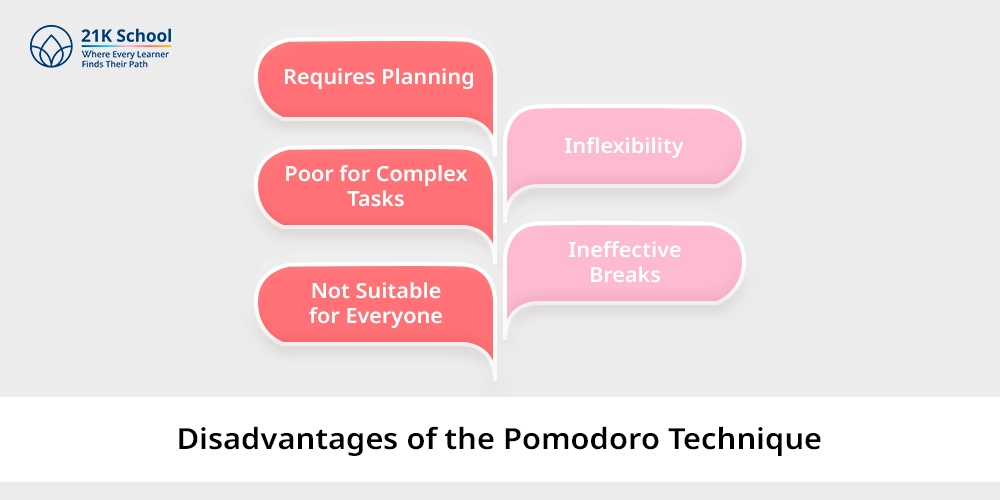
Although the Pomodoro Technique is effective in the case of several learners, it also has its limitations.
Its study routine and regular pauses might not be suitable for everyone or every kind of work. These disadvantages allow students to know when and how to modify the technique in order to achieve improved outcomes.
1. Not Suitable for Everyone

The Pomodoro Technique is not suitable for everybody. There are students or professionals who prefer self-paced learning with longer and continuous periods, and when given short-term periods, they are interrupted.
Highly creative or deep focus activities might cause time pressure on the person, and strictly time-bound activities can impact the performance of the person who requires flexibility to wholly engage in complex topics.
2. Ineffective Breaks
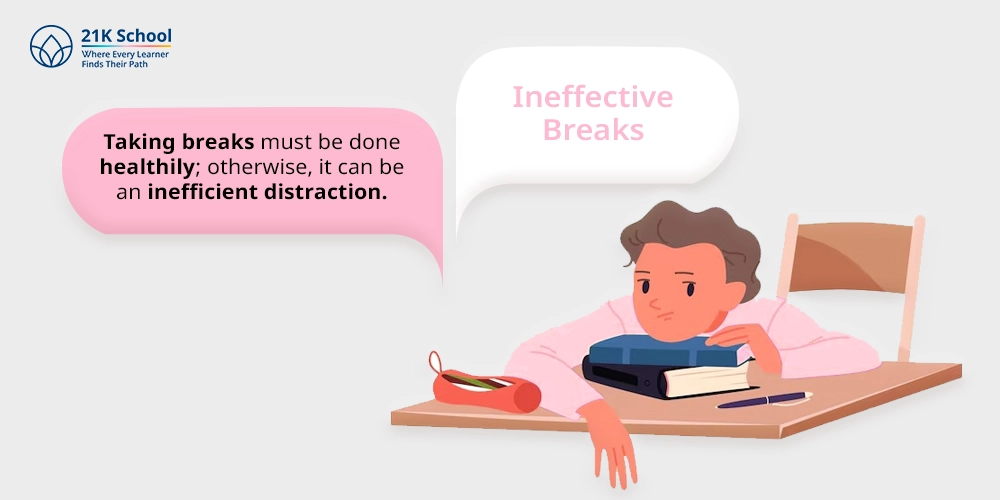
Taking breaks must be done healthily; otherwise, it can be an inefficient distraction. The overall efficiency can be reduced by the use of social media, chatting, or performing a task that consumes a high amount of mental energy during short periods of breaks.
Relaxation is provided by breaks; nevertheless, when a person is abused, they may not be able to focus attention and will spend more time getting tasks done, which is the opposite of what the technique is intended to achieve.
3. Poor for Complex Tasks

Pomodoro time of 25 minutes may not apply to activities that require deep thinking or those that are uninterruptible. Difficult tasks, research or creative tasks may usually take more time to concentrate on the idea.
Constant distractions can disrupt the flow of thought, and one will have a hard time finding a solution or performing more complicated tasks.
4. Inflexibility

The Pomodoro Technique has a rigorous time column, and this may be restricting for students who prefer self-directed learning approaches.
The model of 25-minute work and 5-minute break would not suit at different levels of energy, deadlines and teamwork work and may not be so dynamic for students or professionals who have different schedules and responsibilities.
5. Requires Planning

The Pomodoro Technique requires being prepared to be used effectively. It is necessary to define the tasks and set timers, and follow the progress. Unless it is planned, students will possibly end up wasting time on what to work on or getting lost during the sessions.
The level of inadequate organisation is that the technique will become less efficient and less practical in terms of spontaneous or last-minute study or work sessions.
When to Use the Pomodoro Technique?
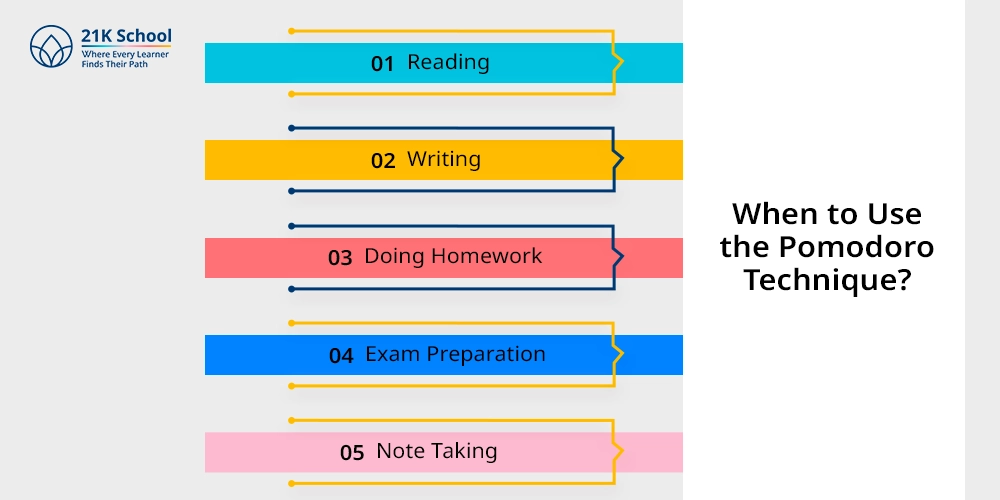
The Pomodoro Technique can be one of the most successful when dealing with tasks that need to be concentrated on, be regular and time-managed.
This is because the understanding of the right time to use this technique helps the learners to study more effectively, plan and do progressive progress in the study without having the feeling of being pressured.
1. Reading
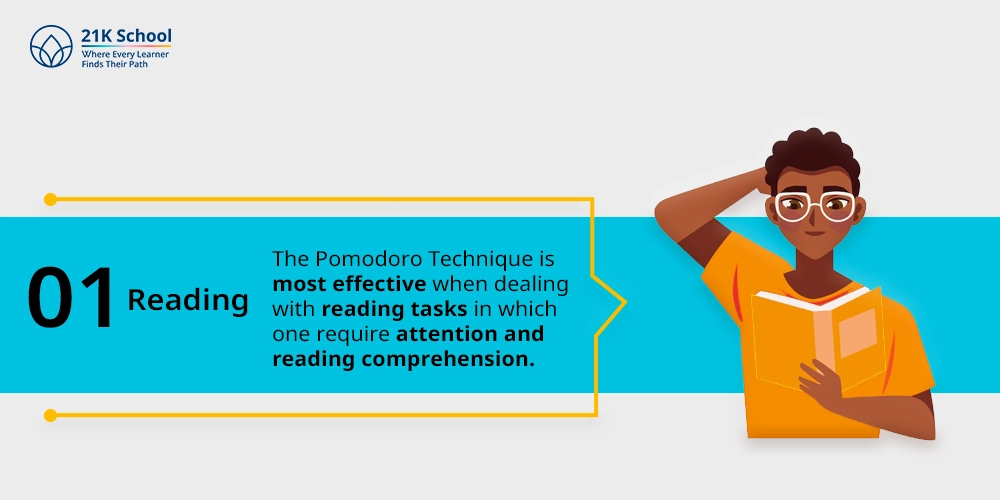
The Pomodoro Technique is most effective when dealing with reading tasks in which one require attention and reading comprehension . The reading is divided into 25 minutes every time, which helps not only to maintain concentration but also to eliminate boredom and comprehend the material that is complicated.
Breaks give the brain time to process information and improve memorisation, and make the length of the reading time productive and worthwhile.
2. Writing
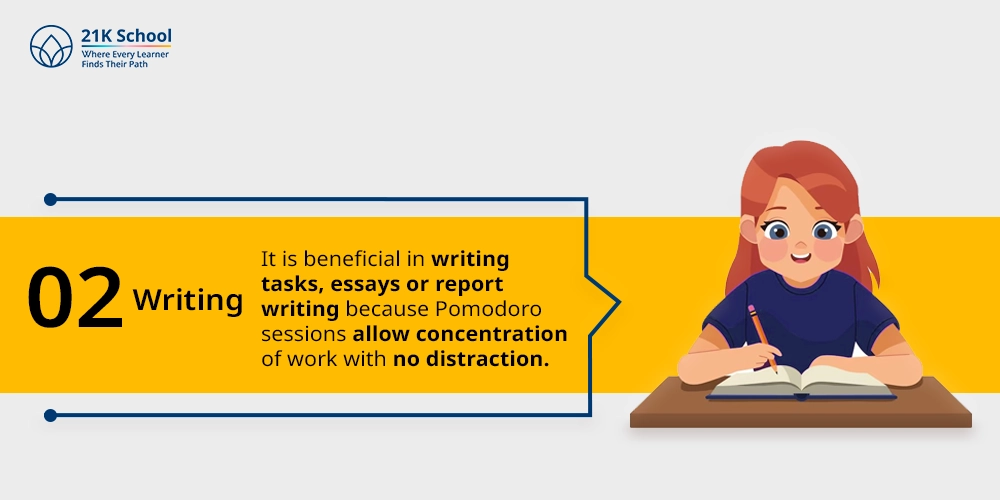
It is beneficial in writing tasks, essays or report writing because Pomodoro sessions allow concentration of work with no distraction. Each of the breaks will provide a chance to work hard on writing, organisation, or revision of the material.
Taking a break enables creativity to revitalise, reduces the depletion of the writer, and makes the production of extended and quality writing activities tolerable and not overwhelming.
3. Doing Homework
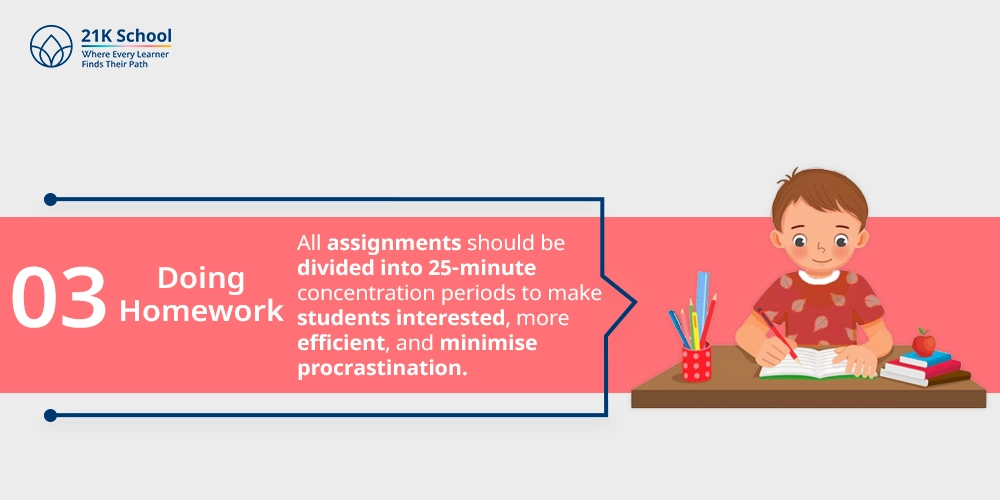
The Pomodoro Technique will help students do homework fast . All assignments should be divided into 25-minute concentration periods to make students interested, more efficient, and minimise procrastination.
Rest periods enable the learner to be energised and focused on more subjects. This organised style helps to avoid being overwhelmed with work as it is done over time.
4. Exam Preparation
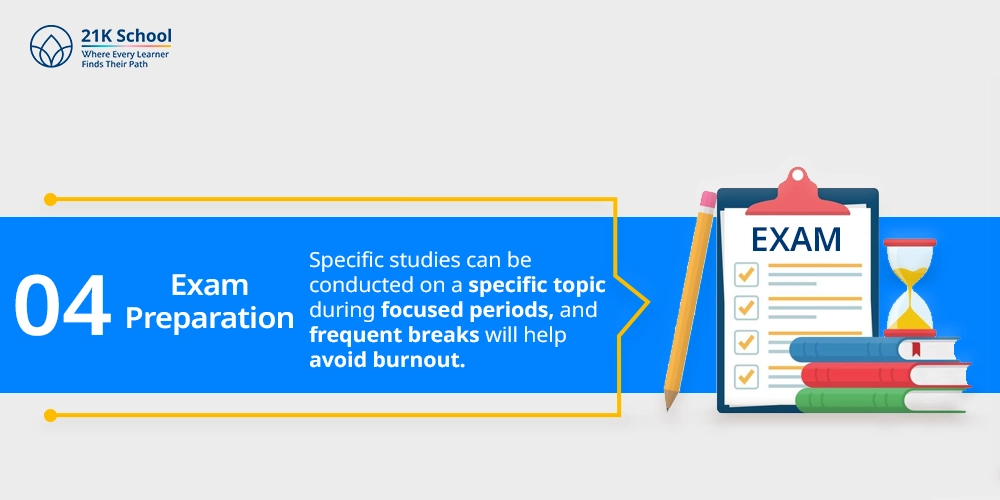
The Pomodoro Technique is useful during revision when studying for exams effectively . Specific studies can be conducted on a specific topic during focused periods, and frequent breaks will help avoid burnout.
Constant repetitions enhance retention, comprehension, and the management of time, whereby students are able to learn the syllabus systematically and lessen pressure just before exams.
5. Note Taking
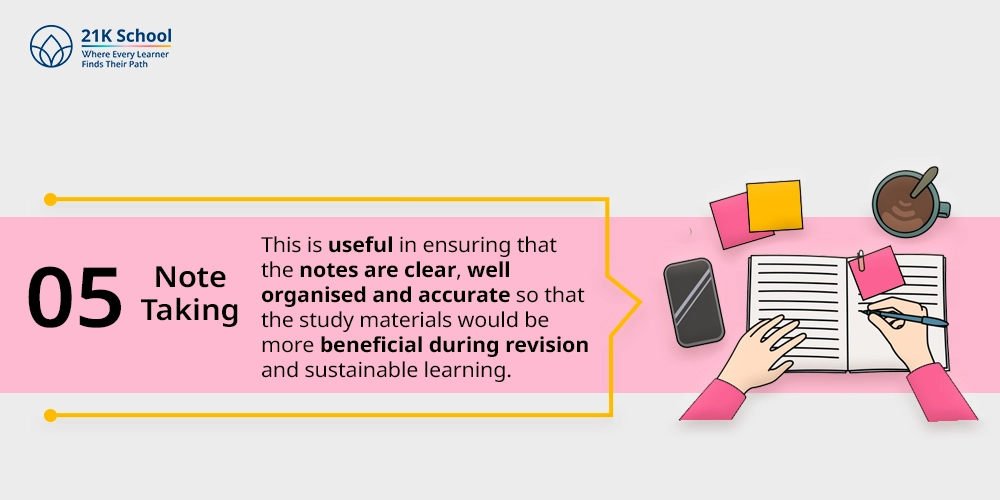
Pomodoro is powerful in taking notes. The high-density sessions enable the students to recap the major issues in a short format, and the brevity of the breaks does not strain the mind to be strained.
This is useful in ensuring that the notes are clear, well organised and accurate so that the study materials would be more beneficial during revision and sustainable learning .
Common Mistakes While Using the Pomodoro Technique
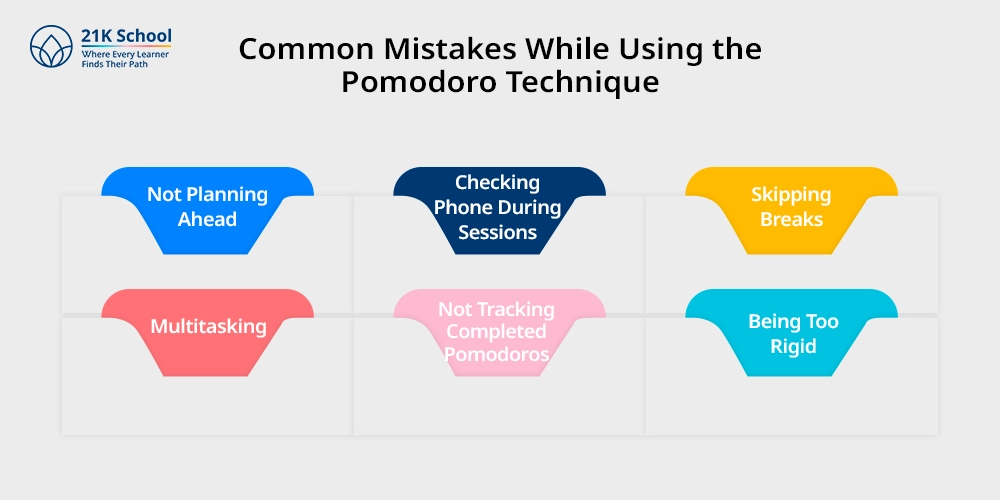
Although the Pomodoro Technique is quite effective, it can not produce the best outcomes when applied incorrectly. Even the basic errors like improper planning, distraction or lack of attention to breaks can diminish its advantages.
Knowing this set of mistakes will assist the learners to apply the trick with better efficiency, to focus and to utilise their learning hours.
1. Not Planning Ahead
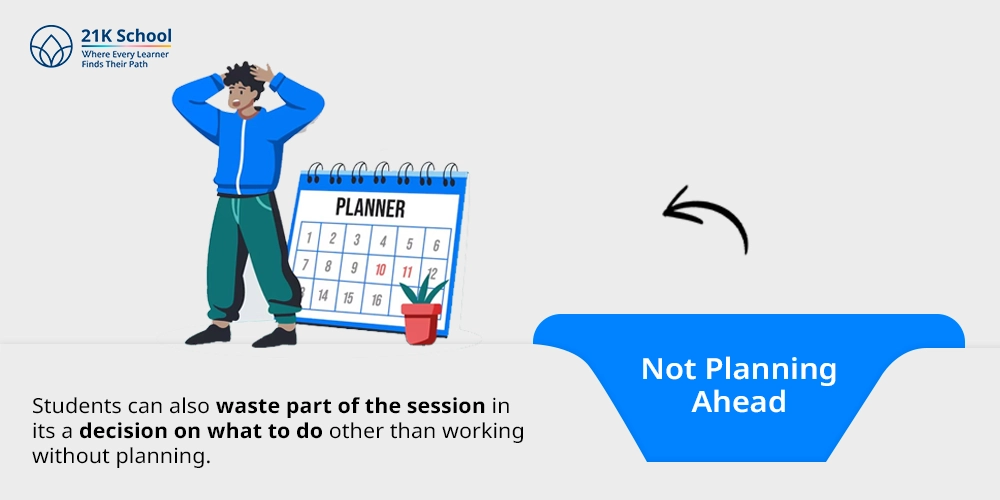
Nominal goals in starting a Pomodoro session may be a waste of time. Students can also waste part of the session in its a decision on what to do other than working without planning.
It is possible to keep prior task selection that can render the Pomodoro productive and meaningful, and simplify concentration and work more effectively.
2. Checking Phone During Sessions
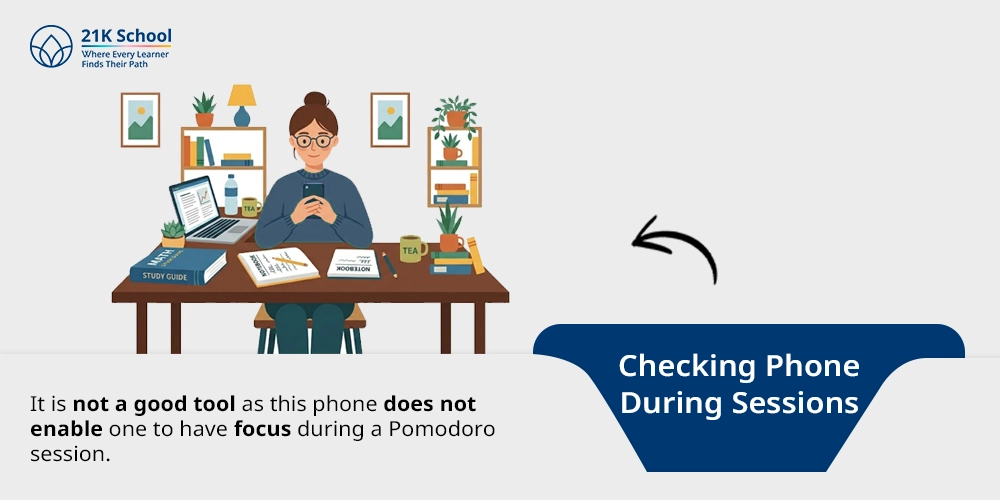
It is not a good tool as this phone does not enable one to have focus during a Pomodoro session. Such distractions and notifications are depressing, and it is harder to resume deep work.
It will also not spend time on the phone trying to evade the flow of thoughts and make out of each available attention time.
3. Skipping Breaks
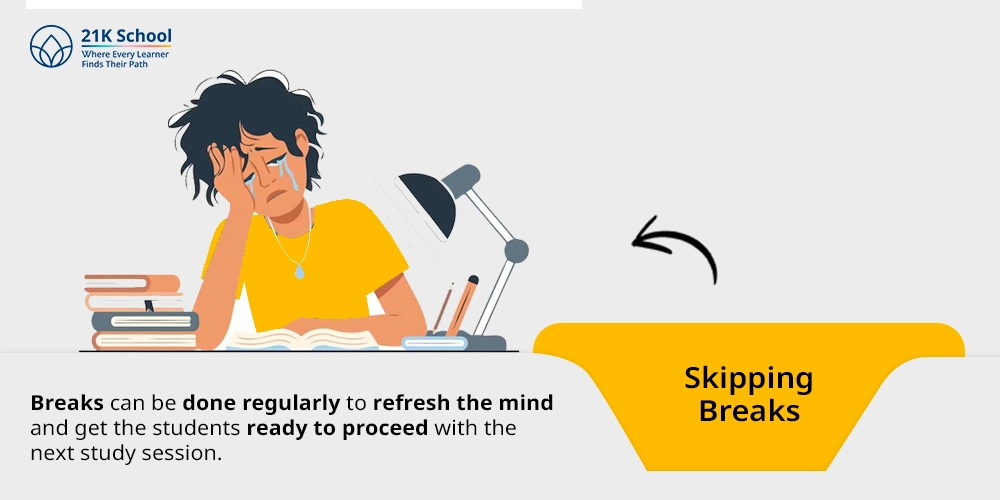
Breaks are supposed to be taken to the letter of the Pomodoro Technique. Taking a break is necessary to have mental recovery and to be able to concentrate. They are necessary, or the fatigue will accumulate fast, and this will decrease concentration and productivity.
Breaks can be done regularly to refresh the mind and get the students ready to proceed with the next study session.
4. Multitasking
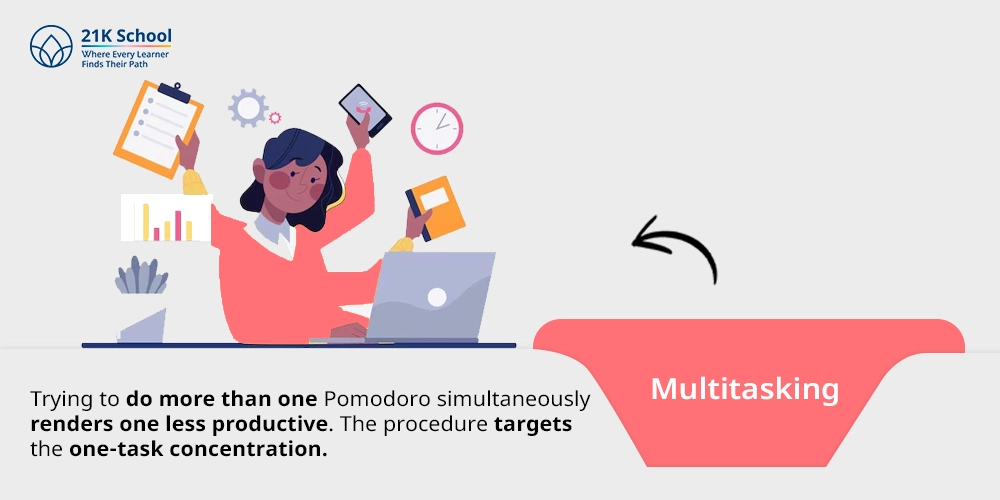
Trying to do more than one Pomodoro simultaneously renders one less productive. The procedure targets the one-task concentration.
Multitasking cuts off concentration, quality of work, and increases errors. It is always preferable to learn a task and do it within a shorter period of time when one is concentrating on it.
5. Not Tracking Completed Pomodoros
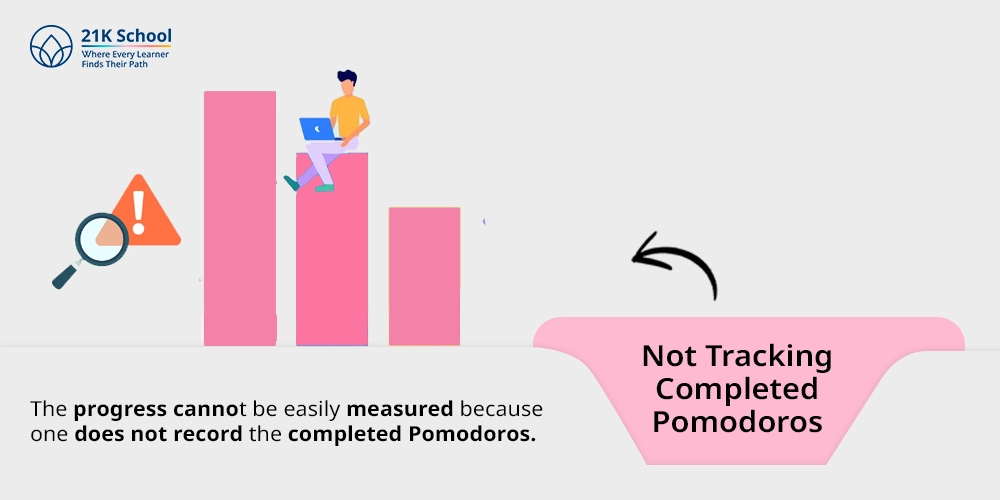
The progress cannot be easily measured because one does not record the completed Pomodoros. They can also be used to monitor students and keep them motivated, as well as to measure productivity and plan further learning.
Without it, learners can under- or over-estimate their work, which reduces responsibility and reliability.
6. Being Too Rigid
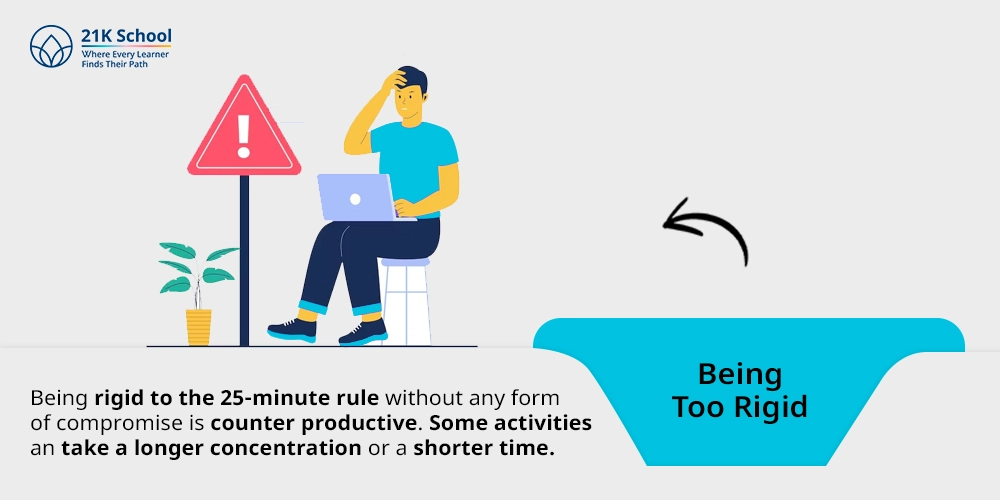
Being rigid to the 25-minute rule without any form of compromise is counterproductive. Some activities can take a longer concentration or a shorter time.
It is also possible to ensure effectiveness, comfort, and productivity while staying productive at the same time and use Pomodoro lengths altered to individual requirements.
Conclusion
The Pomodoro Study Technique is an easy but effective technique of enhancing focus, productivity and time management. It allows learners to be motivated and decrease students stress and burnout by means of short but focused study sessions and breaks.
Although it might not apply to all tasks or people, they can be able to manipulate the technique to fit their needs and thus make the study process effective and easy.
Implemented properly, the Pomodoro Technique promotes steady improvement, increased learning, and a balanced attitude towards both academic and real-life work.
