


Do you know the saying “what you think of most, you become”? Well, it represents how our thoughts generally lead to lasting behaviours, consciously or subconsciously.
Another factor that shapes our feelings and actions is our cognition and our ability to think actively.
We will today look at amazing cognitive behavior examples that can work in our favour, for the betterment of our lives, instead of getting caught in our own mind loops.
This article will also tell you how cognitive behavioural therapy aids in such changes in real life.
Contents
What Is Cognitive Behavior?
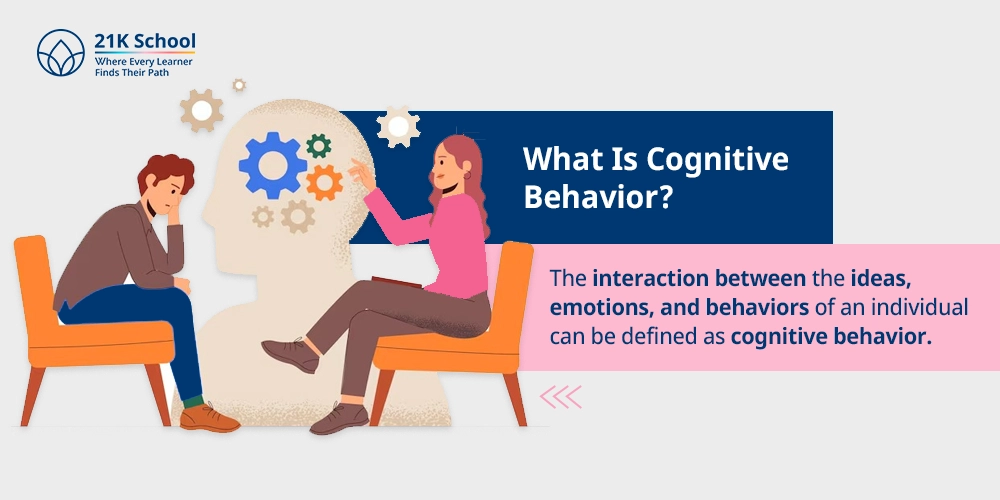
The interaction between the ideas, emotions, and behaviors of an individual can be defined as cognitive behavior.
Let’s assume a situation where two learners from the same class have failed. They might have contradicting ways of thinking. The first learner may think, “I am not good enough” and be discouraged, while the other may think, “I need to study differently and improve”.
Cognitive behaviors include the learned patterns that result from past experiences and formed beliefs.
Our cognitive behaviors and responses decide if we live a satisfactory or positive life ahead.
Negative cognitive behaviors like guilt or fear reduce our ability to cope with challenging situations, while positive ones like compassion and resilience make it easier to live.
14 Cognitive Behavior Examples
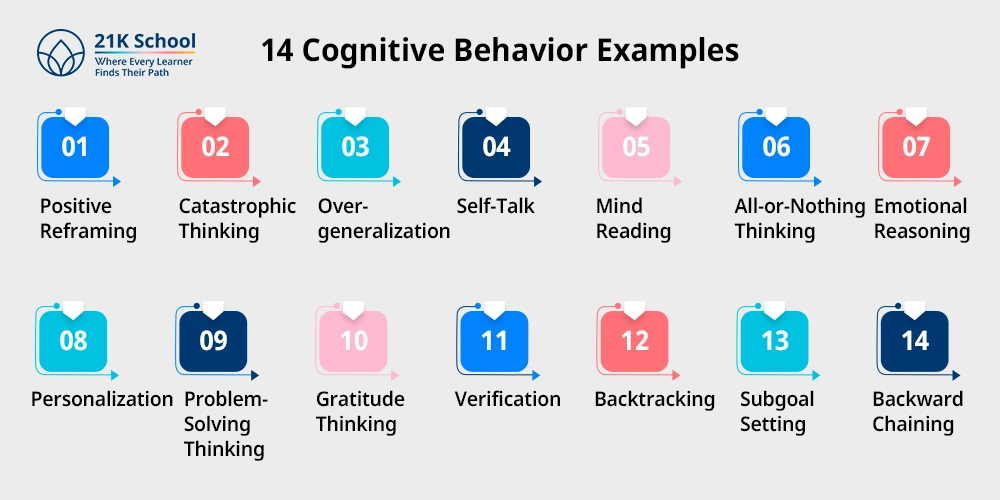
Some major examples of cognitive behavior are as follows:
1. Positive Reframing
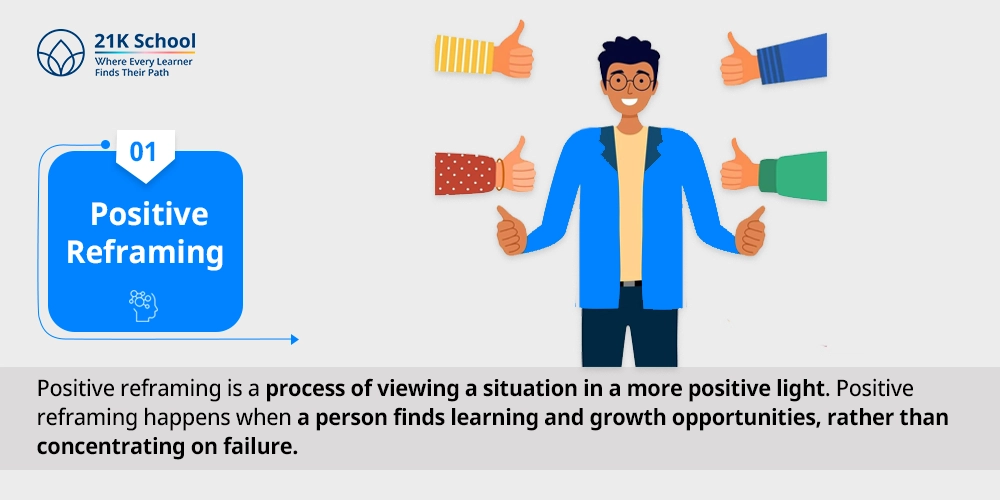
Positive reframing is a process of viewing a situation in a more positive light.
Positive reframing happens when a person finds learning and growth opportunities, rather than concentrating on failure.
As an example, losing a competition can be reframed as an opportunity to learn from mistakes and improve.
2. Catastrophic Thinking
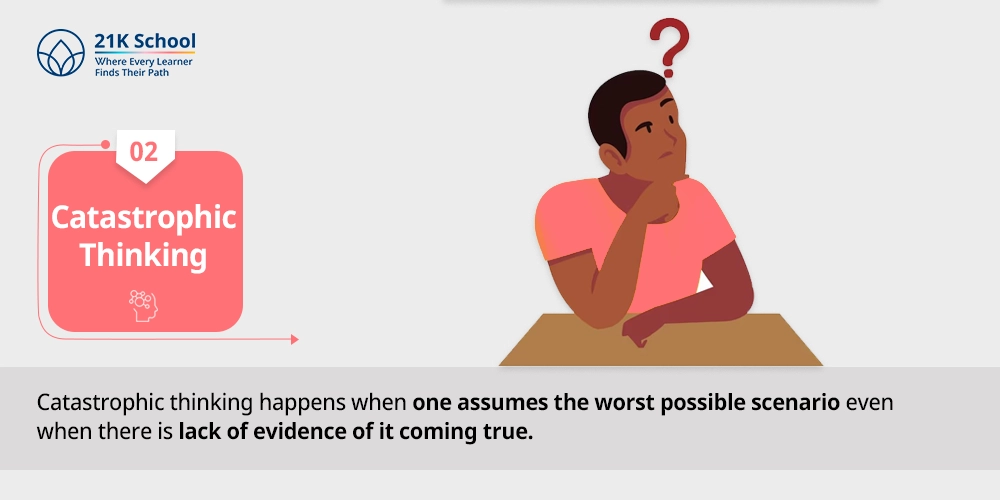
Catastrophic thinking happens when one assumes the worst possible scenario even when there is lack of evidence of it coming true.
As an illustration, a minor mistake in the workplace may cause an individual to think of things such as, “I will be fired”. This might result in needless anxiety.
3. Overgeneralization
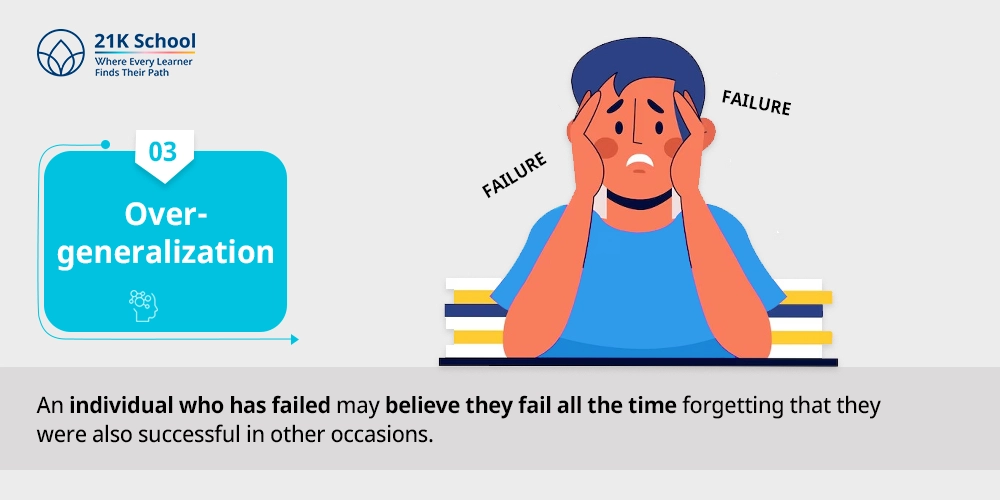
Overgeneralization is the process of generalizing based on one event.
An individual who has failed may believe they fail all the time forgetting that they were also successful in other occasions.
4. Self-Talk
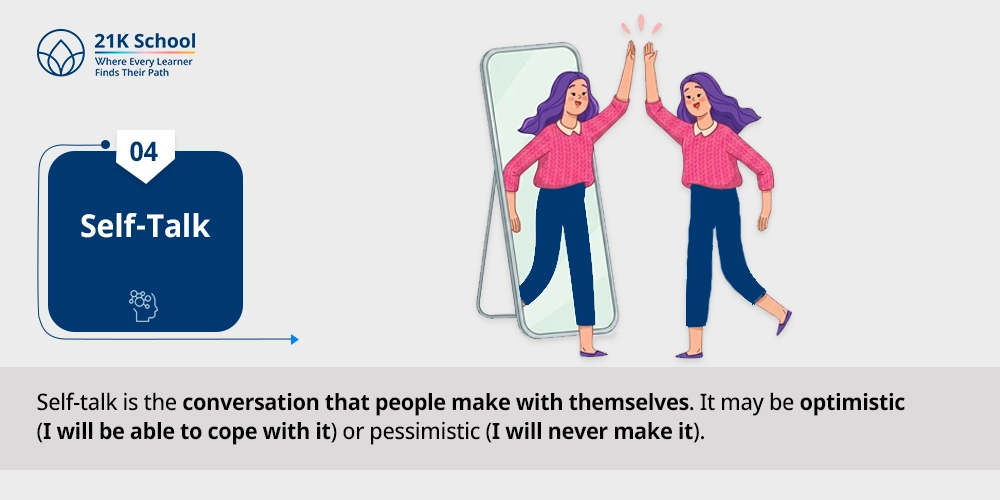
Self-talk is the conversation that people make with themselves. It may be optimistic (I will be able to cope with it) or pessimistic (I will never make it).
This voice in the head has a huge impact on the confidence and emotional state of any individual and their life.
5. Mind Reading
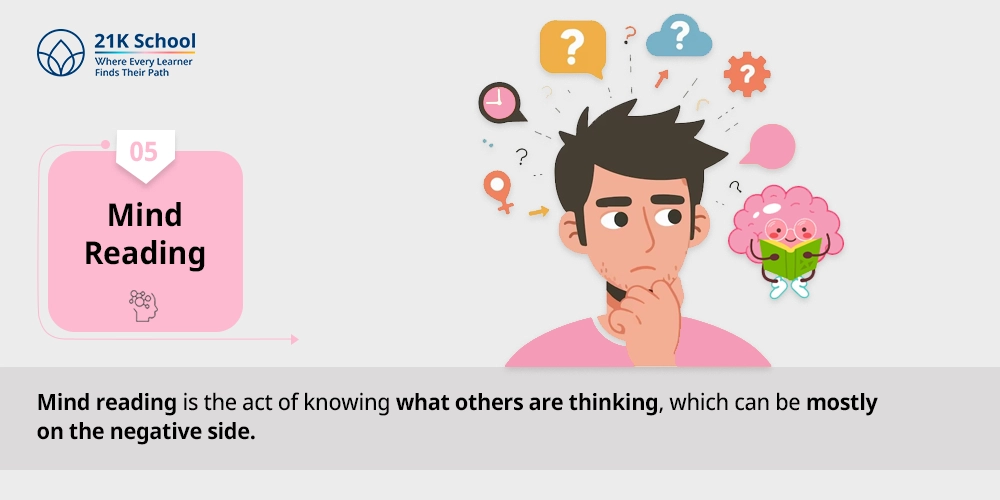
Mind reading is the act of knowing what others are thinking, which can be mostly on the negative side.
As an illustration, you think that a certain person hates you while they are totally unaware of any such thing.
6. All-or-Nothing Thinking
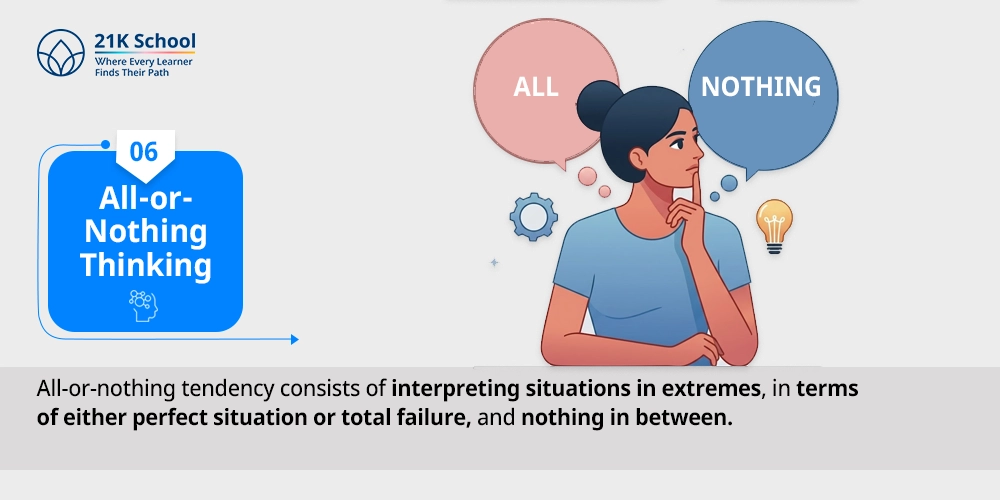
All-or-nothing tendency consists of interpreting situations in extremes, in terms of either perfect situation or total failure, and nothing in between.
It may cause unrealistic expectations and disappointment which can greatly affect the emotional as well as mental state of any human being.
7. Emotional Reasoning
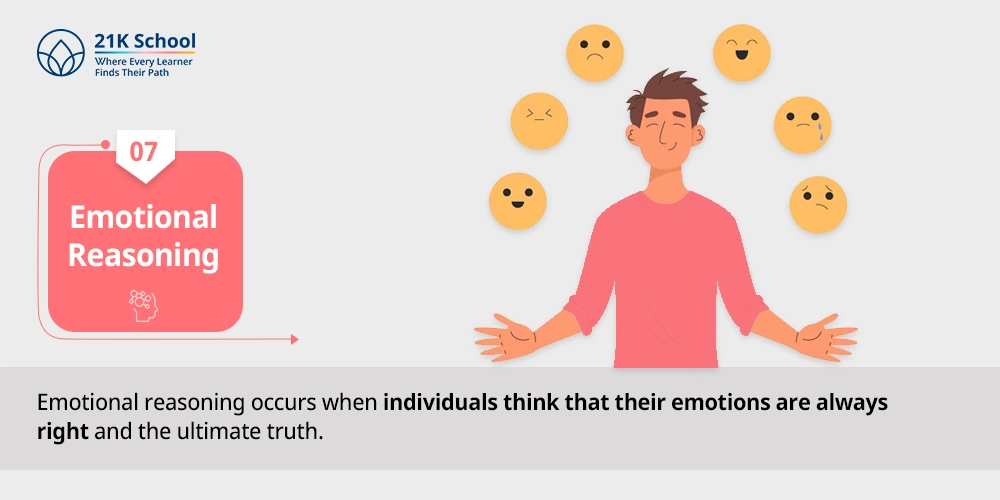
Emotional reasoning occurs when individuals think that their emotions are always right and the ultimate truth.
An example can be when you feel anxious, you might think there must be something wrong even when there is no objective threat.
8. Personalization
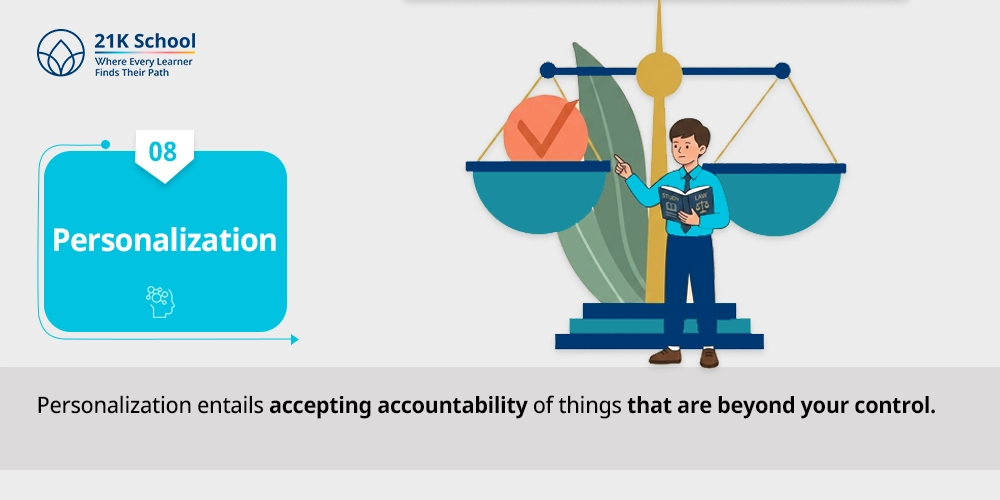
Personalization entails accepting accountability of things that are beyond your control.
As an illustration, thinking a friend is in a bad mood due to your actions, while there is no actual reason behind it.
9. Problem-Solving Thinking
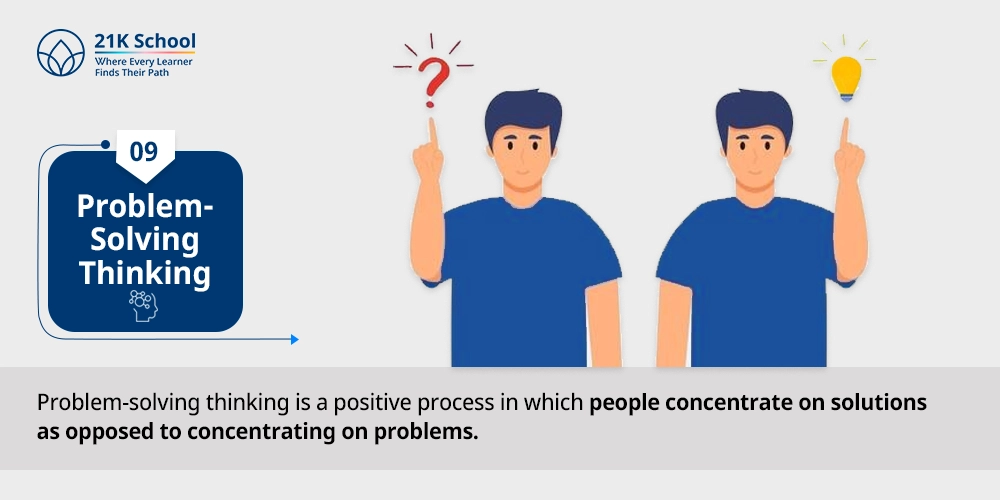
Problem-solving thinking is a positive process in which people concentrate on solutions as opposed to concentrating on problems.
It consists of finding alternatives and making realistic courses of action to get out of a realistic problem.
10. Gratitude Thinking
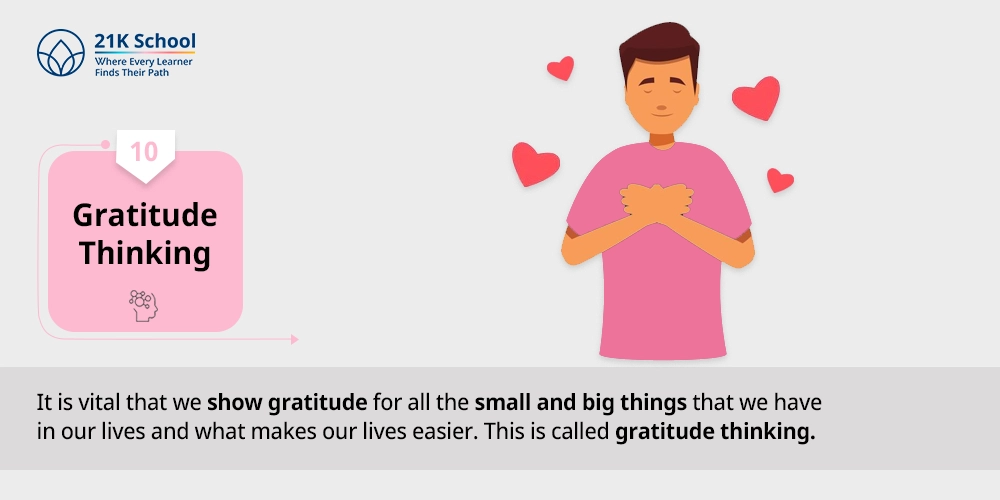
It is vital that we show gratitude for all the small and big things that we have in our lives and what makes our lives easier. This is called gratitude thinking.
In the fast pace of life, we forget to appreciate little things. This practice shifts our consciousness from all the bad things to good things, thus leading to a positive attitude.
11. Verification
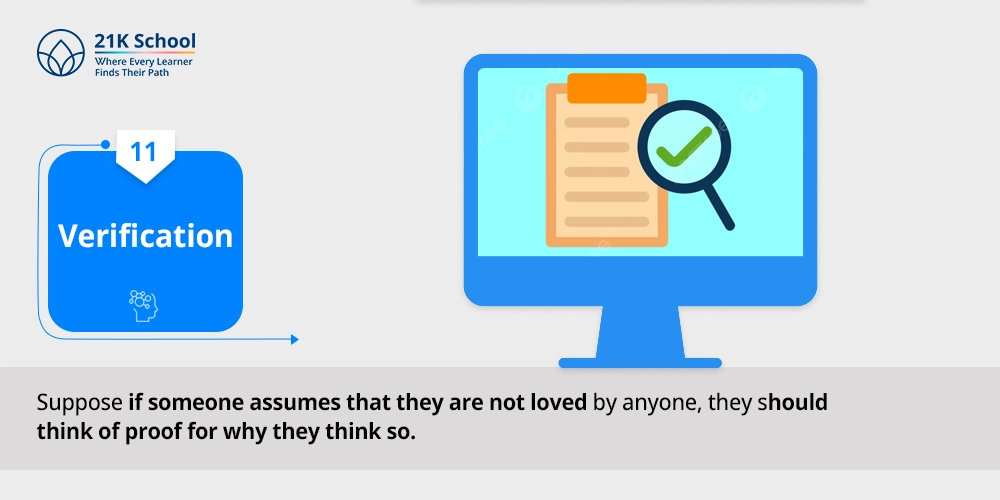
In this cognitive behavior, we have to challenge negative assumptions with real facts.
Suppose if someone assumes that they are not loved by anyone, they should think of proof for why they think so.
12. Backtracking
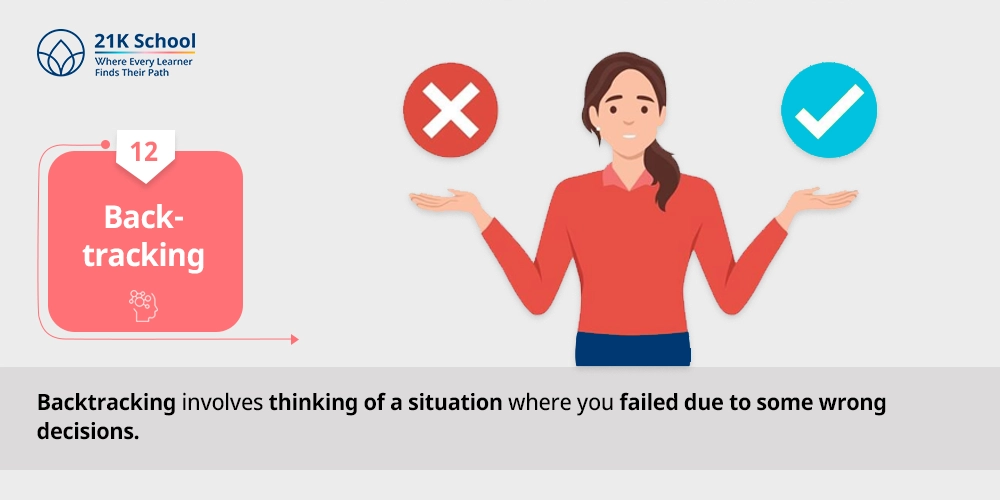
Backtracking involves thinking of a situation where you failed due to some wrong decisions.
It allows us to reconsider all decisions from the past and come up with better ideas for future decision-making .
13. Subgoal Setting
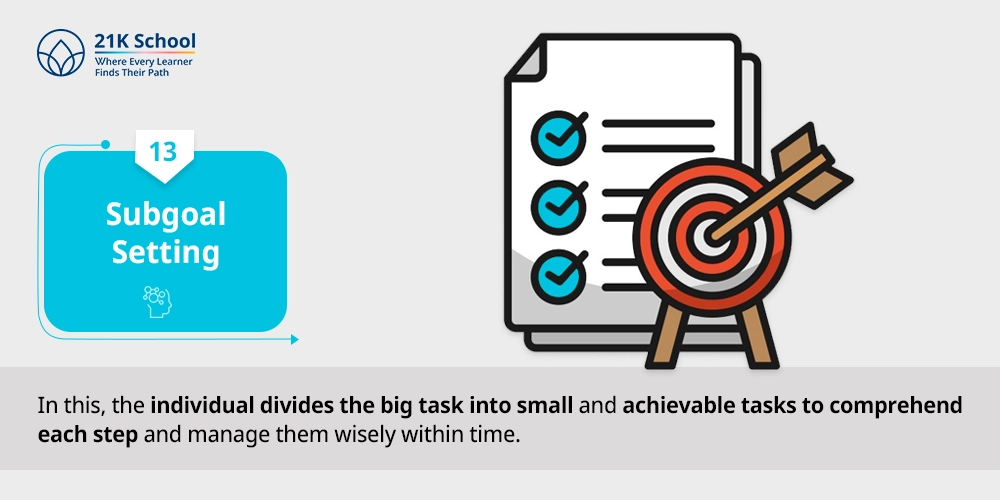
For people who feel overwhelmed while completing complex tasks can adopt this cognitive behavior of subgoal setting.
In this, the individual divides the big task into small and achievable tasks to comprehend each step and manage them wisely within time.
14. Backward Chaining
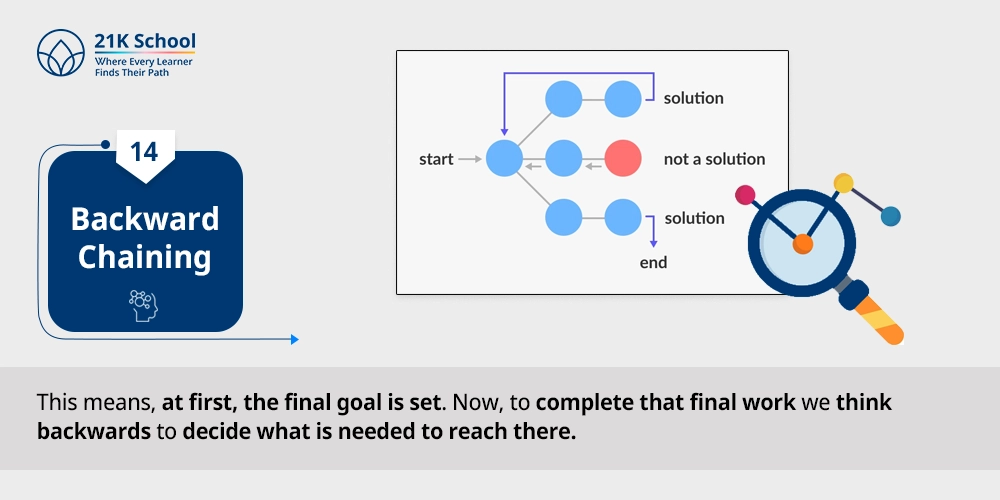
Backward chaining is simply a technique in which we decide each step to finish a task by planning backwards.
This means, at first, the final goal is set. Now, to complete that final work we think backwards to decide what is needed to reach there.
It is great for effective implementation of a given project.
Positive Cognitive Behavior Examples (Healthy Patterns)
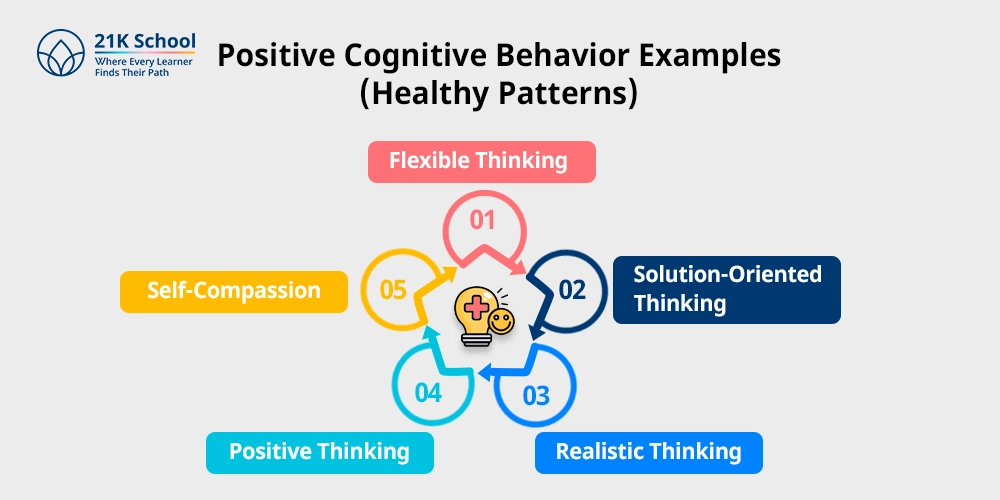
Some positive cognitive behaviour examples that bring a big improvement in how we see and live life are as follows:
- Flexible Thinking: This involves being open to new ideas and perspectives when the situation demands.
- Solution-Oriented Thinking: Thinking about the solution rather than wasting time and energy on the problem is known as “solution-oriented thinking”.
- Realistic Thinking: It is the ability to assess a situation on the basis of facts and not assumptions.
- Positive Thinking: Being realistic and thinking positively.
- Self-Compassion: Becoming kind to oneself rather than being judgemental.
For example, when a bright learner is criticized for poor performance in weekly tests, they can take it as a lesson and improve their scores in the upcoming exams .
How CBT Uses These Examples to Create Change
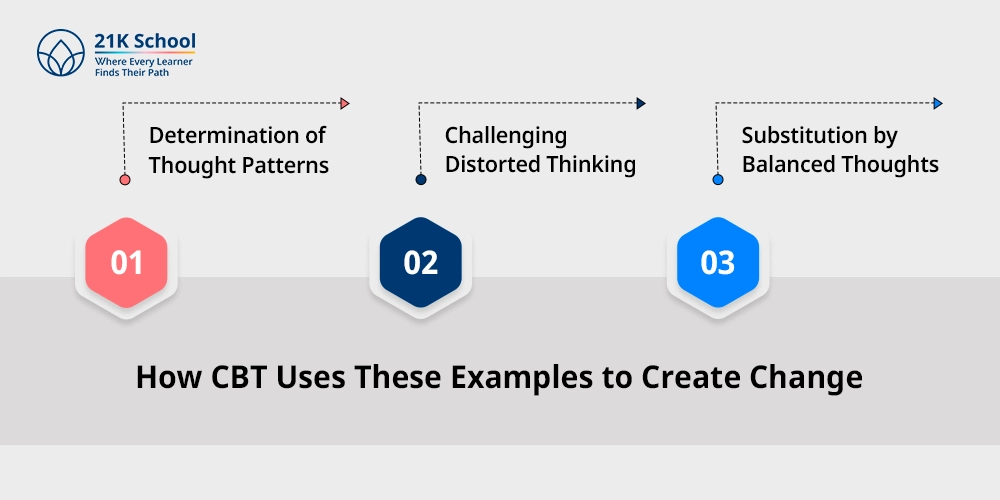
In CBT, therapists employ these cognitive behavior examples to bring changes in common lives by following the given step-by-step process:
1. Determination of Thought Patterns
Before changing your thoughts you need to notice your negative thought patterns that keep you in loops.
2. Challenging Distorted Thinking
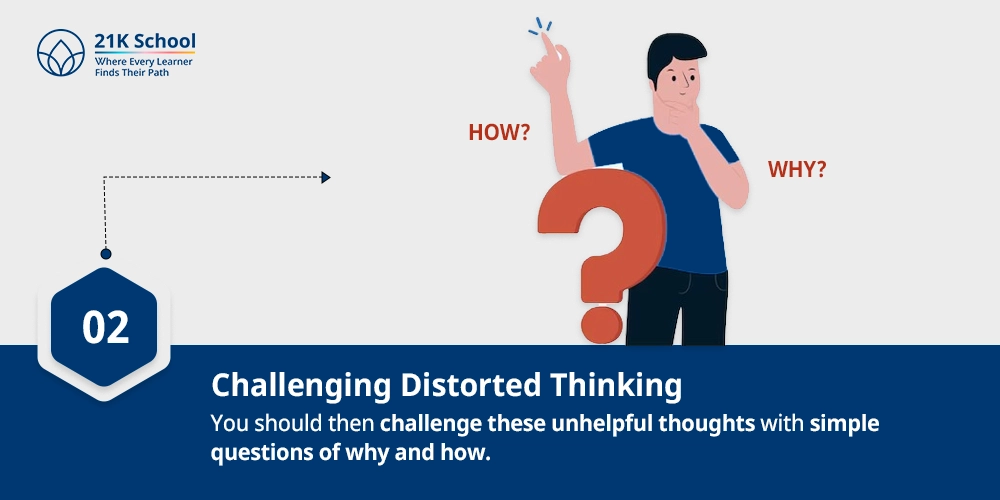
You should then challenge these unhelpful thoughts with simple questions of why and how.
This leads to weakening of such negative patterns of thoughts and makes space for some positive ones.
3. Substitution by Balanced Thoughts
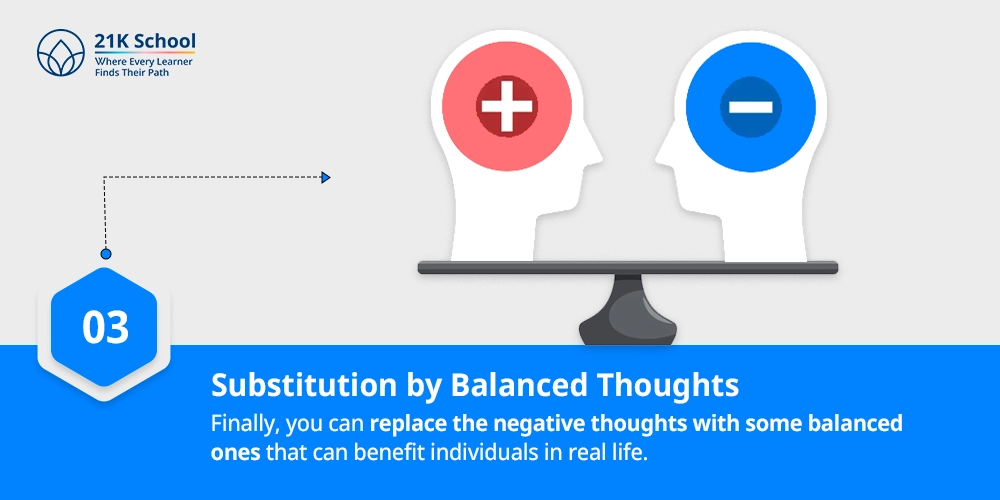
Finally, you can replace the negative thoughts with some balanced ones that can benefit individuals in real life.
Journalling can help in this overall process of finding the negative patterns and substitution.
Why Cognitive Behavior Matters?
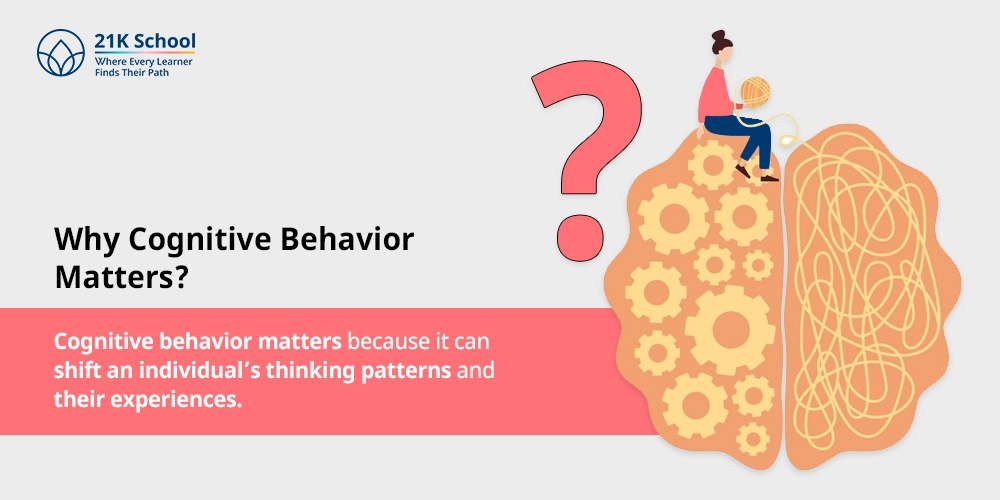
Cognitive behavior matters because it can shift an individual’s thinking patterns and their experiences.
Once the thinking patterns are distorted, they may cause stress, anxiety, depression, and bad decision-making.
In contrast, with constructive problem-solving abilities and balanced thinking we can achieve success and live a meaningful life.
Having awareness about cognitive behavior can also improve mental health in general and let us decide which thoughts are serving us positively and which ones aren’t.
In times of challenges, we can adopt positive cognitive behaviors through self-regulated training.
Whether it’s about personal or career prospects, having an understanding of cognitive behavior examples can always help us out.
Summing Up
Cognitive behavior examples are ways to shape our thoughts and utilize them for our benefits.
Without awareness, we often get stuck in negative loops of thoughts without being able to change our future.
This is why we should know about these behavioral examples and lead a better life.
