

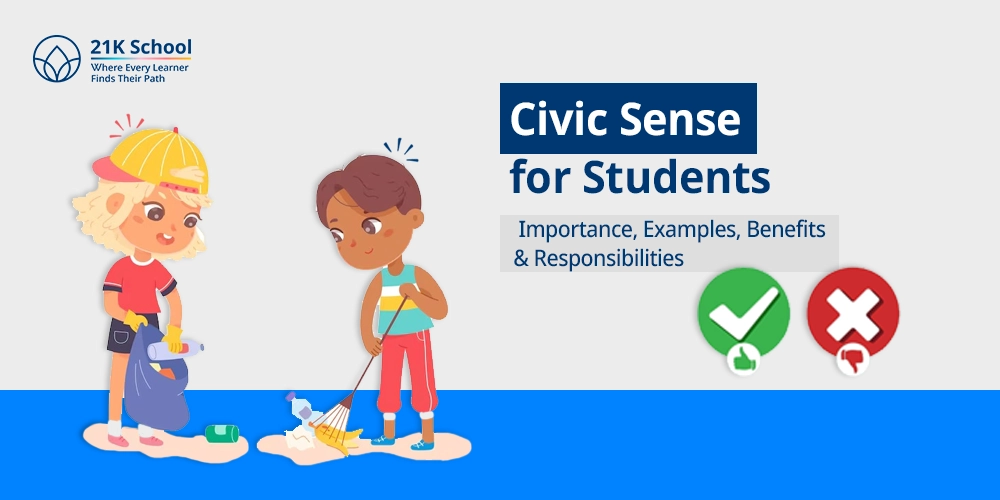
Civic sense is vital to producing responsible and respectful learners. Civic sense makes students good citizens, as they can maintain cleanliness, obey rules, respect people’s property, and assist them.
Cultivating these habits early improves individual behaviour as well as moves the school and the community closer to a clean, safer, and more disciplined environment.
The civic values also turn students into responsible, mature citizens who are eager to transform society for everybody.
Contents
What is Civic Sense?
Civic sense is the awareness and responsible behaviour exhibited by individuals towards society, towards people, and towards others.
It is about order keeping, concern for the wellness of the community property, a clean environment, and being helpful and polite in society.
Civic sense of the students can be seen in doing the right thing, e.g. using dustbins, following school rules, keeping queues, honouring the elderly and respecting the environment.
Civic sense nurtured at a tender age results in the nurturing of responsible and disciplined citizens who can be beneficial to society.
Top 7 Importance of Civic Sense for Students
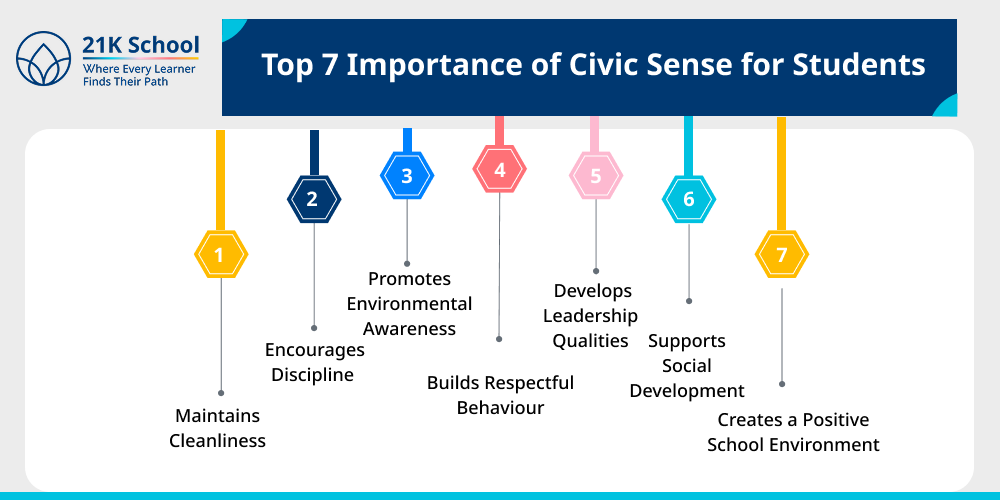
Civic sense plays a significant role in shaping the behaviour and values of students because they make them understand that they are in charge, they are disciplined, they need to be respectful to others, and they also play a role in ensuring that their society is better and more orderly.
1. Maintains Cleanliness
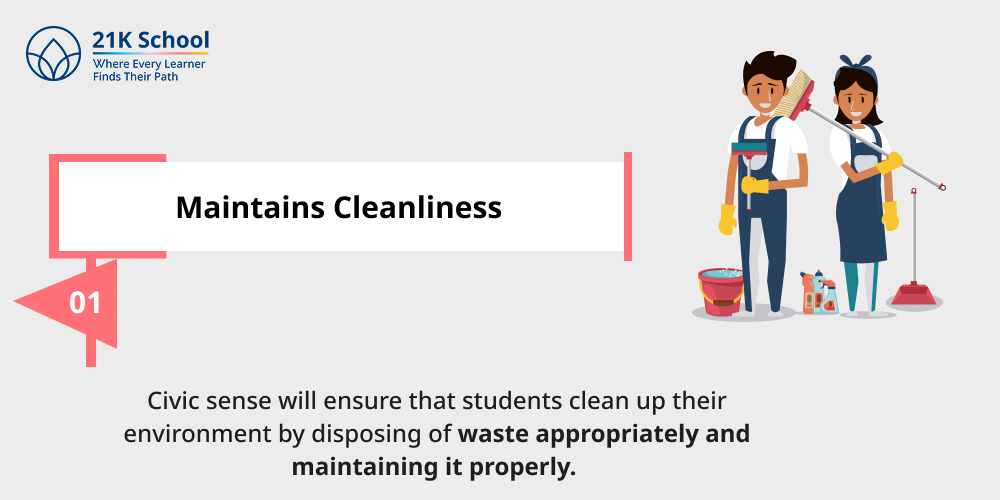
Civic sense will ensure that students clean up their environment by disposing of waste appropriately and maintaining it properly.
A cleaner environment helps prevent disease, enhances people’s health, and provides more appealing, well-ordered schools and communities for all people.
2. Encourages Discipline
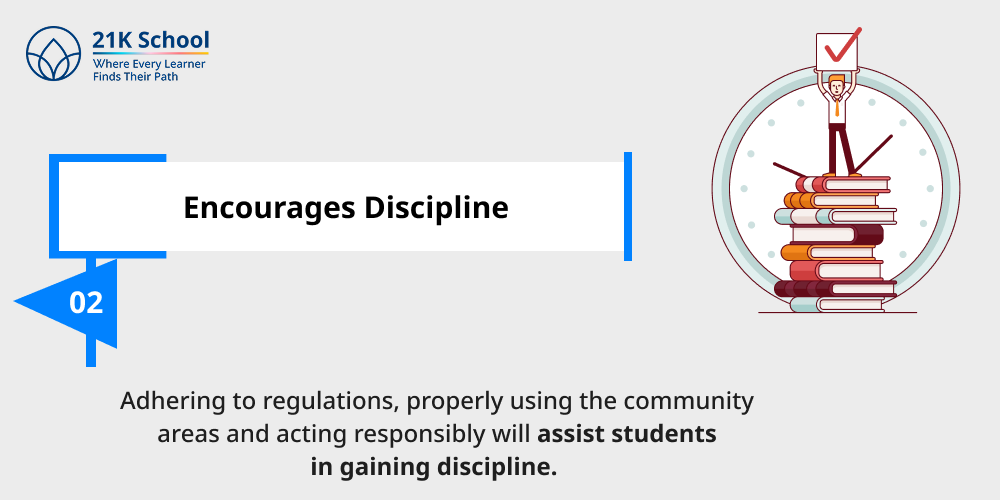
Adhering to regulations, properly using the community areas and acting responsibly will assist students in gaining discipline.
Civic sense also teaches children to be on time, clean and in control, which always impacts positively on the performance of the children in school and their daily behaviour both in school and out of school.
3. Promotes Environmental Awareness
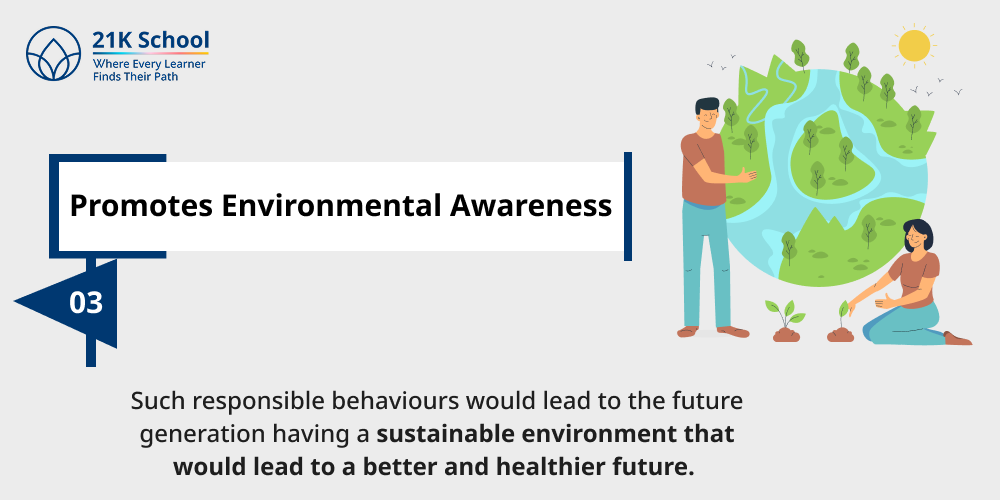
Civic sense will also sensitise the students about the need to conserve the environment by implementing such practices as water conservation, minimisation of waste and environmental pollution.
Such responsible behaviours would lead to the future generation having a sustainable environment that would lead to a better and healthier future.
4. Builds Respectful Behaviour
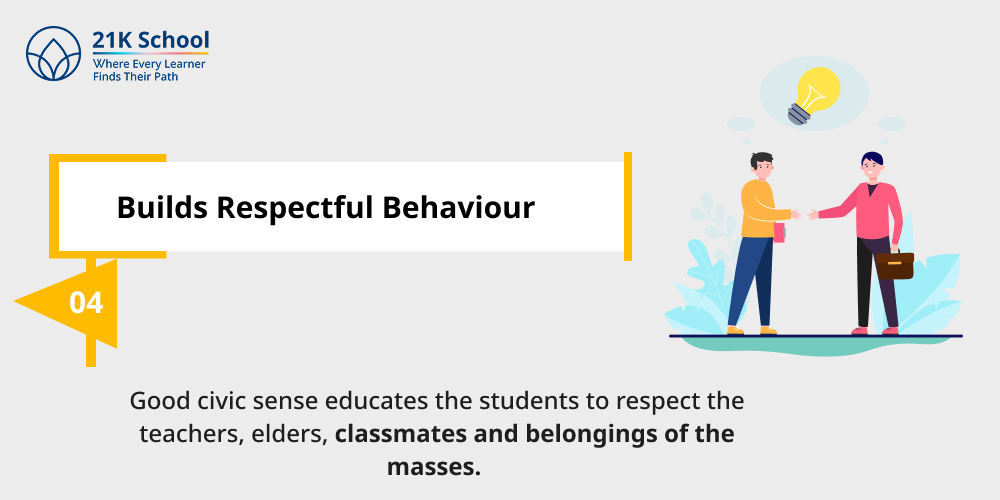
Good civic sense educates the students to respect the teachers, elders, classmates and belongings of the masses.
The positive behaviours improve communication, reduce conflicts, lead to the building of good relations, and make the school and society peaceful, cooperative and socially responsible to all.
5. Develops Leadership Qualities
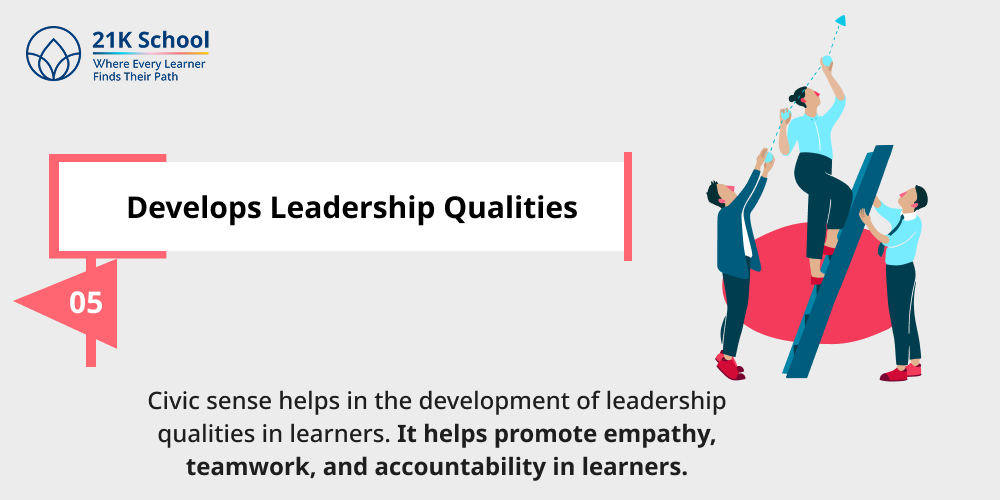
Civic sense helps in the development of leadership qualities in learners. It helps promote empathy, teamwork, and accountability in learners.
It leads to teamwork and discipline, which offer appropriate learning and healthy socialisation among the students.
6. Supports Social Development
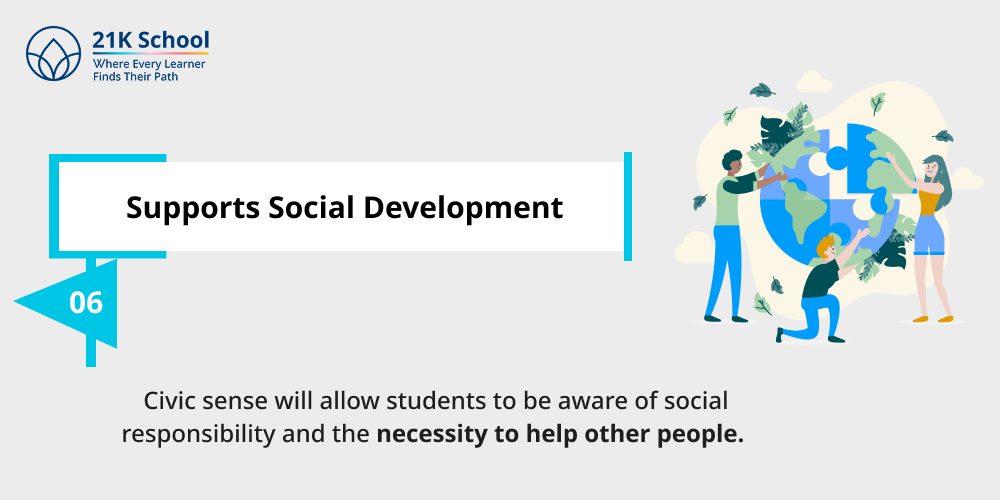
Civic sense will allow students to be aware of social responsibility and the necessity to help other people.
It encourages teamwork, empathy and cooperation that enhance community relationships and motivate students to be positive in community and societal welfare activities.
7. Creates a Positive School Environment
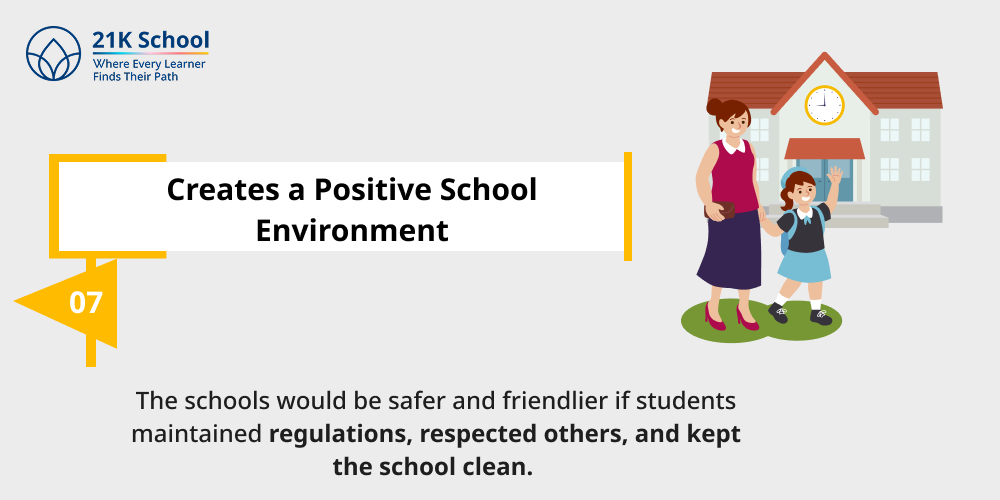
The schools would be safer and friendlier if students maintained regulations, respected others, and kept the school clean.
Teamwork and discipline, fostered by civic sense, create a conducive learning environment that supports academic growth and healthy socialisation among students.
7 Civic Sense Examples for Students
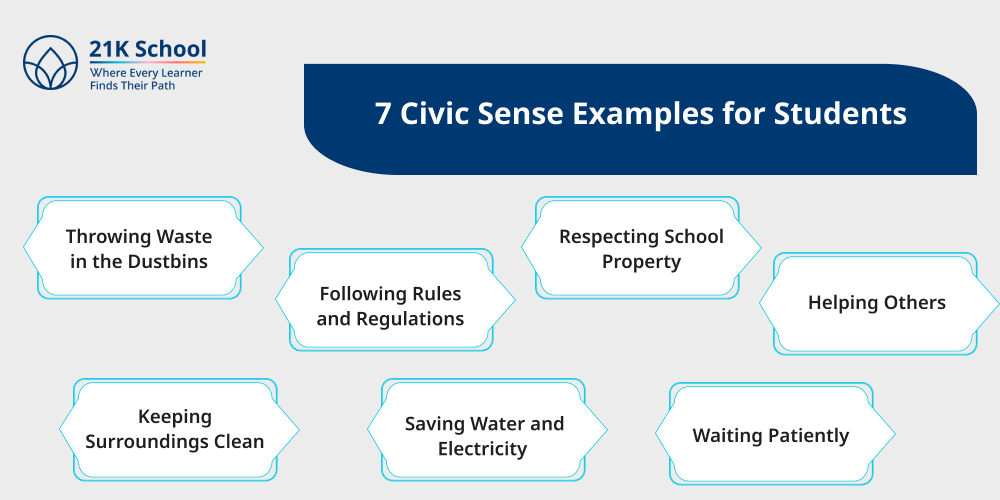
Teaching civic sense shows students how minor and responsible actions in their everyday life can create a clean, safe, and respectful society. The following are examples of civic sense for students.
1. Throwing Waste in the Dustbins
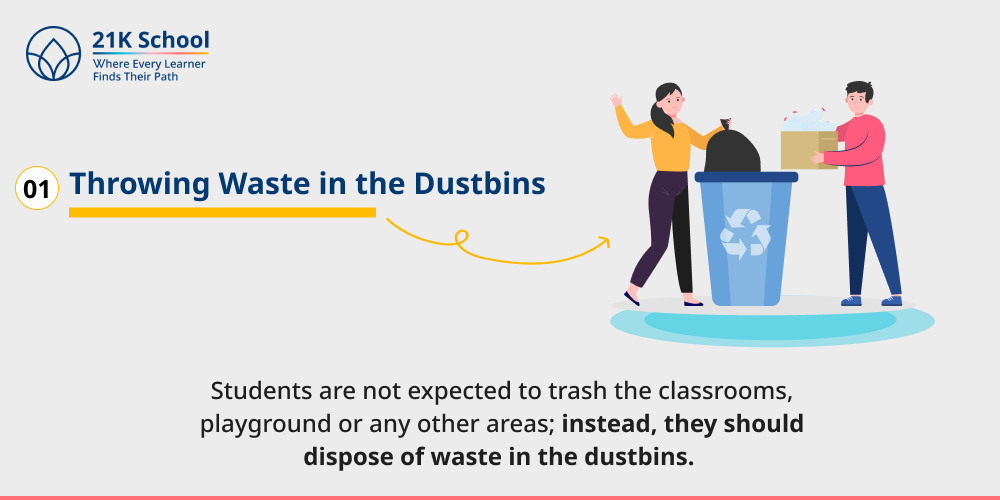
Students are not expected to trash the classrooms, playground or any other areas; instead, they should dispose of waste in the dustbins.
This will assist in maintaining the place clean, prevent pollution, reduce health risks and even come up with a cleaner and healthier environment for all members of the school and society.
2. Following Rules and Regulations
Discipline and responsibility among the students are instilled by following school and community rules.
The laws on the roads, classroom policies, and guidelines in society bring order, safety, and proper behaviour in school and communities among people, irrespective of age group, as long as they embrace the rules and norms.
3. Respecting School Property
School property will include desks, books, walls and playground equipment, which will be maintained by students.
The idea of respecting shared resources will lead to avoiding destruction, waste minimisation, and ensuring the cleaning and systematisation of the learning environment for all learners and teachers.
4. Helping Others
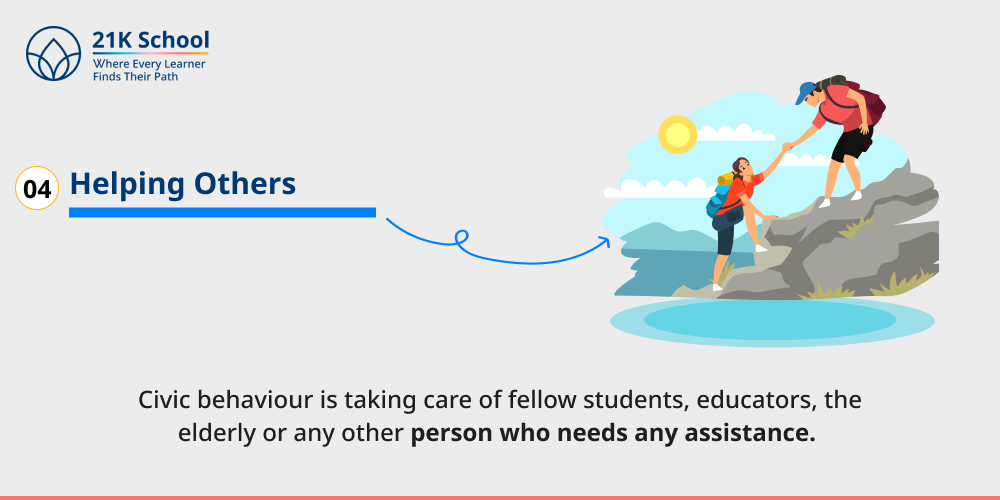
Civic behaviour is taking care of fellow students, educators, the elderly or any other person who needs any assistance.
Kindness gives individuals an empathetic, collaborative, and responsible attitude toward society and creates good relationships and nurturing environments in schools and communities among all.
5. Keeping Surroundings Clean
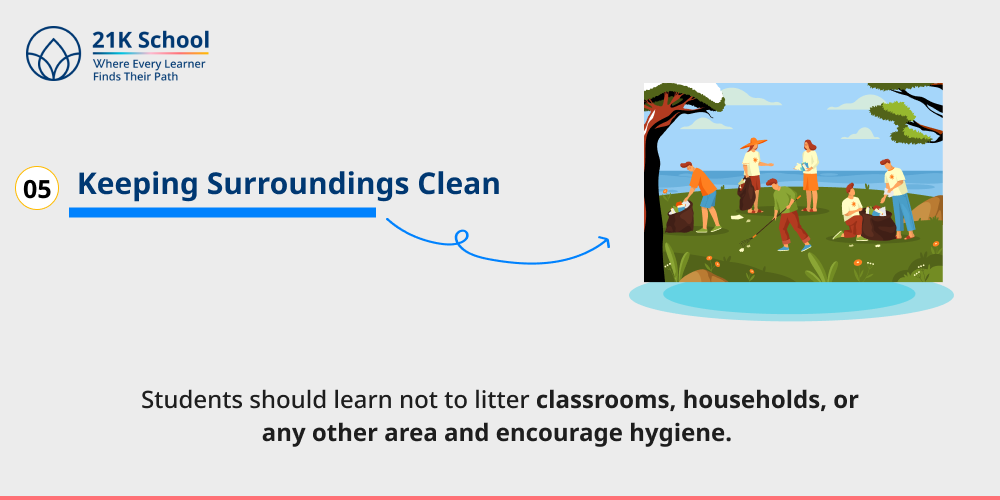
Students should learn not to litter classrooms, households, or any other area and encourage hygiene.
A clean environment will help reduce the spread of the disease, improve individuals’ health, and create a good learning and living environment within the community.
6. Saving Water and Electricity
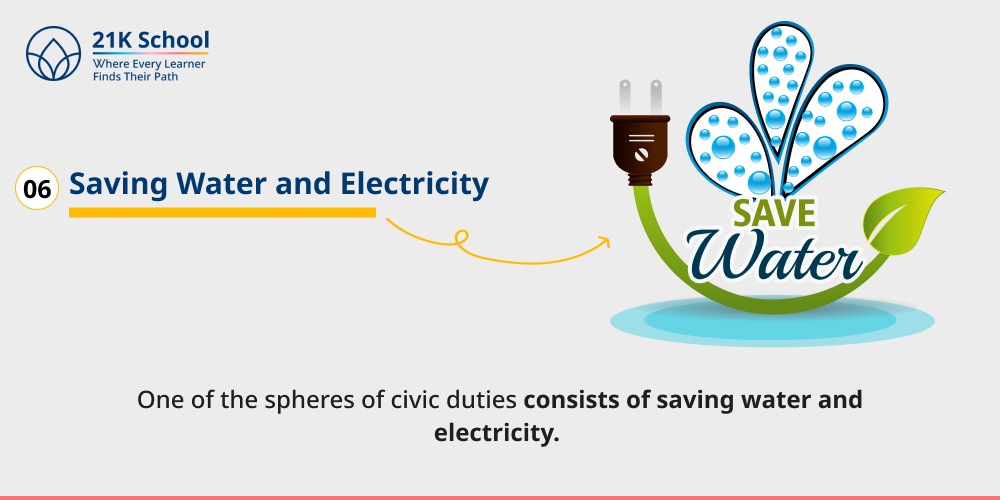
One of the spheres of civic duties consists of saving water and electricity.
The students will turn off lights, fans and taps where they are not necessary to save natural resources, reduce wastage and ensure environmental safety for the upcoming generations and sustainable development.
7. Waiting Patiently
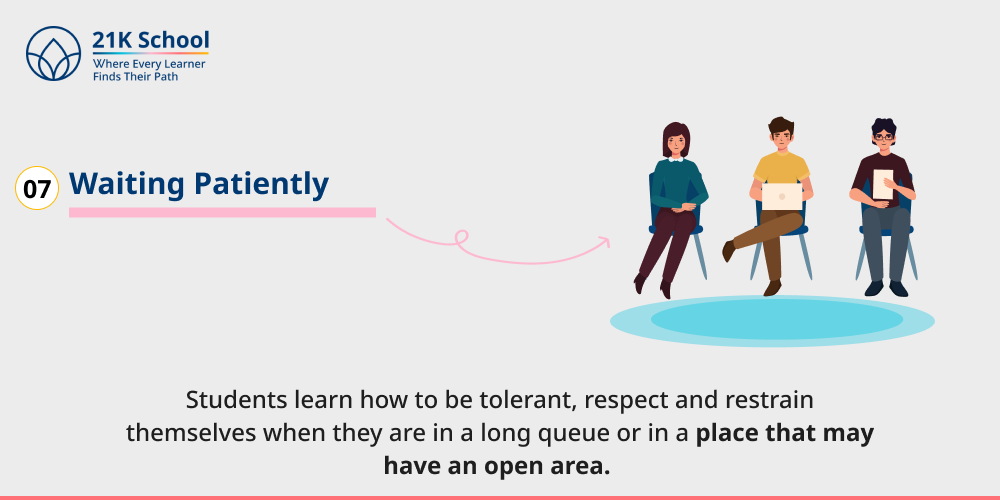
Students learn how to be tolerant, respect and restrain themselves when they are in a long queue or in a place that may have an open area.
This kind of behaviour facilitates order and tolerance, and supports the smooth running of activities in schools, public transport, the shops, and other social places within the community.
4 Benefits of Civic Sense for Students
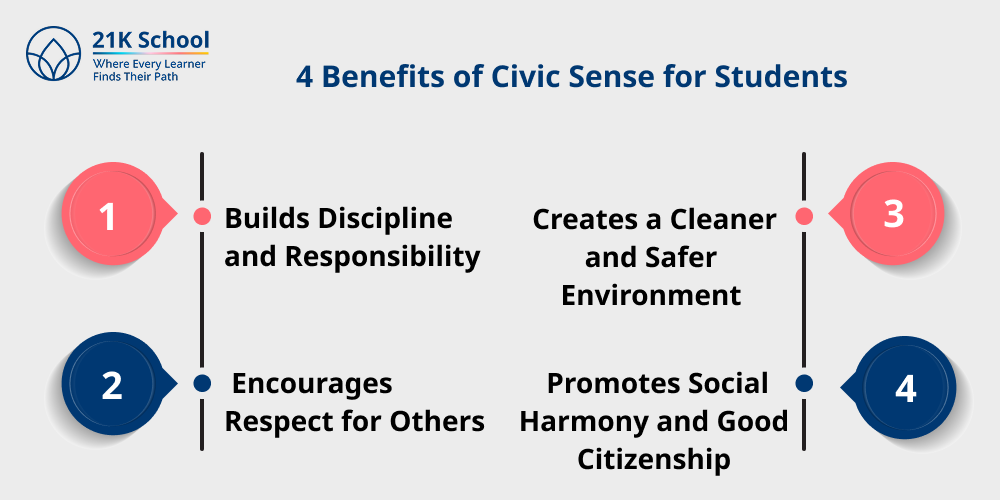
Civic sense not only helps students mature with good behaviour but also ensures socially responsible citizens and helps create a well-behaved, secure and respectful society.
1. Builds Discipline and Responsibility
Civic sense also teaches students about how to be obedient, perform their duties, and behave well in society.
Such habits can assist in the development of self-discipline and responsible behaviour that matter in personal development and academic performance and, most importantly, in being a responsible member of society.
2. Encourages Respect for Others
Civic sense will ensure that the students develop respect and appreciation towards the teachers, classmates, the elderly, and staff.
Adequate behaviour enhances communication skills , builds relationships, minimises conflict, and fosters a positive atmosphere where all people feel valued, safe, and comfortable in schools and societies.
3. Creates a Cleaner and Safer Environment
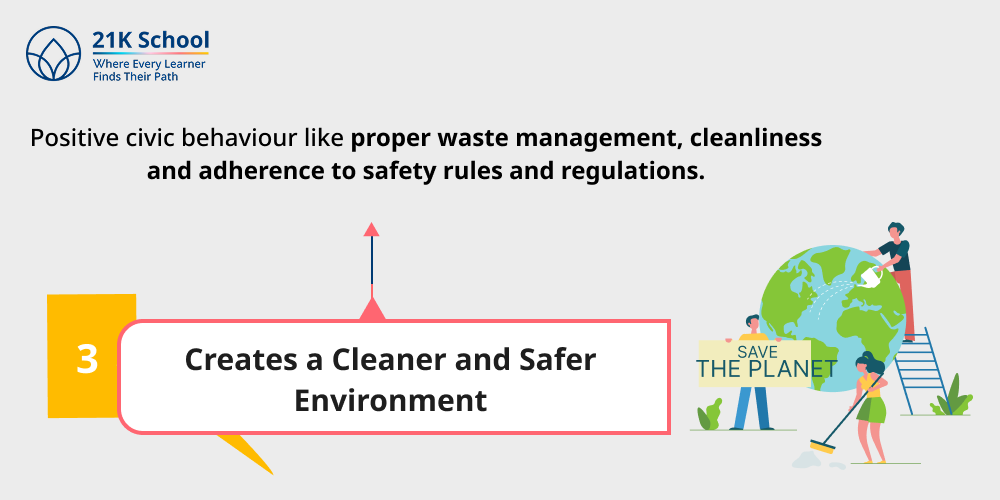
Positive civic behaviour like proper waste management, cleanliness and adherence to safety rules and regulations can help people create healthy environments.
Well-kept and tidy surroundings minimise, pollution and accidents and make schools, roads and other public places safer and more enjoyable for all.
4. Promotes Social Harmony and Good Citizenship
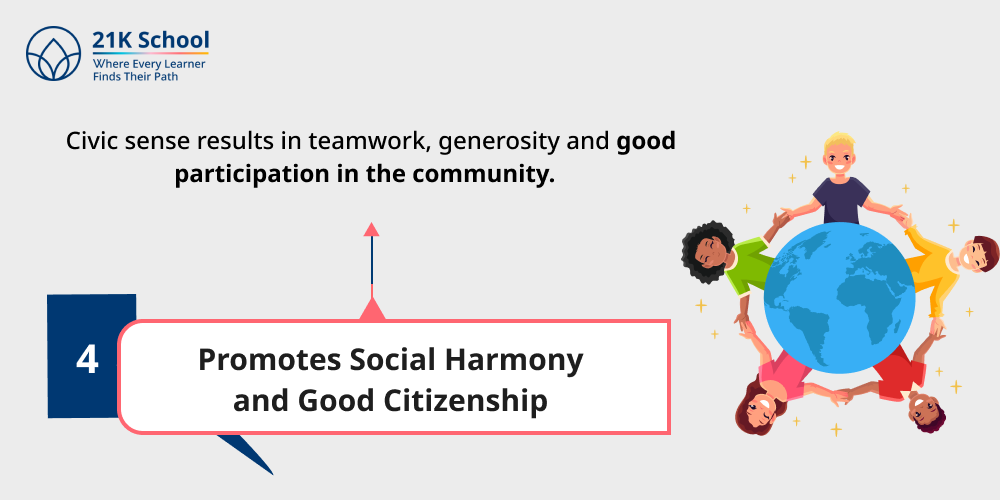
Civic sense results in teamwork, generosity and good participation in the community.
Knowing that they have a role to play in assisting others, appreciating diversity, and making a positive contribution to their communities/societies makes students feel capable of creating social harmony and becoming responsible citizens from an early age.
Role of Parents in Teaching Civic Sense
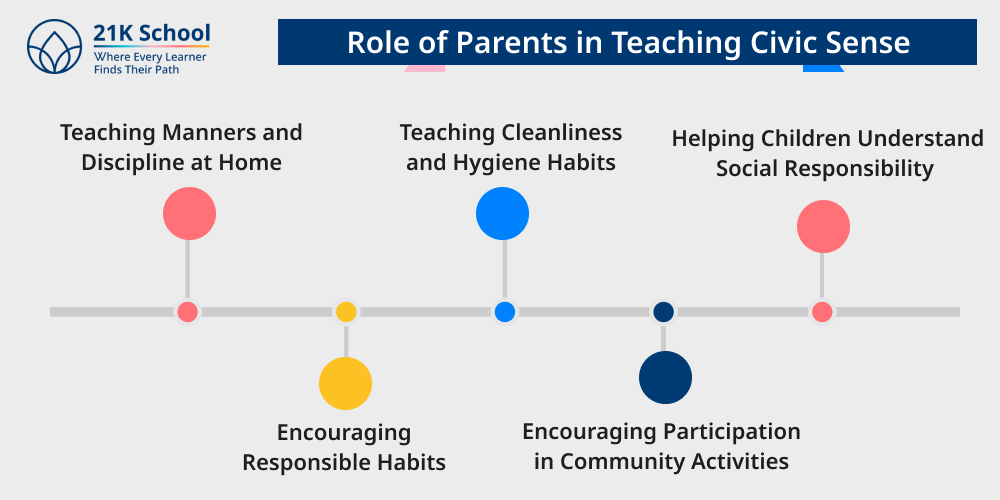
Parents are the first teachers of a child, as they have a greater responsibility to instil their values, behaviour, and social awareness in the child at a very tender age.
1. Teaching Manners and Discipline at Home
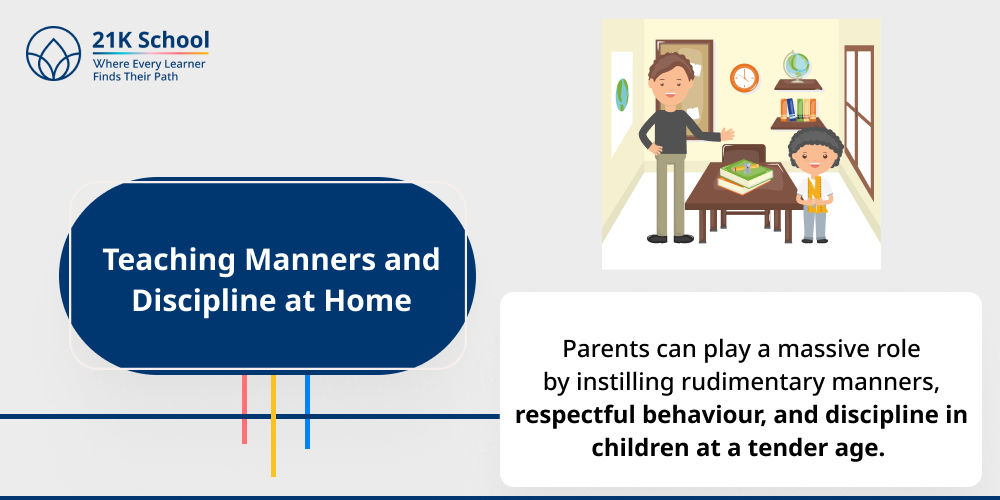
Parents can play a massive role by instilling rudimentary manners, respectful behaviour, and discipline in children at a tender age.
The behaviours that help some children act well in their civic lives are politeness to others, punctuality and respect for the older ones.
2. Encouraging Responsible Habits
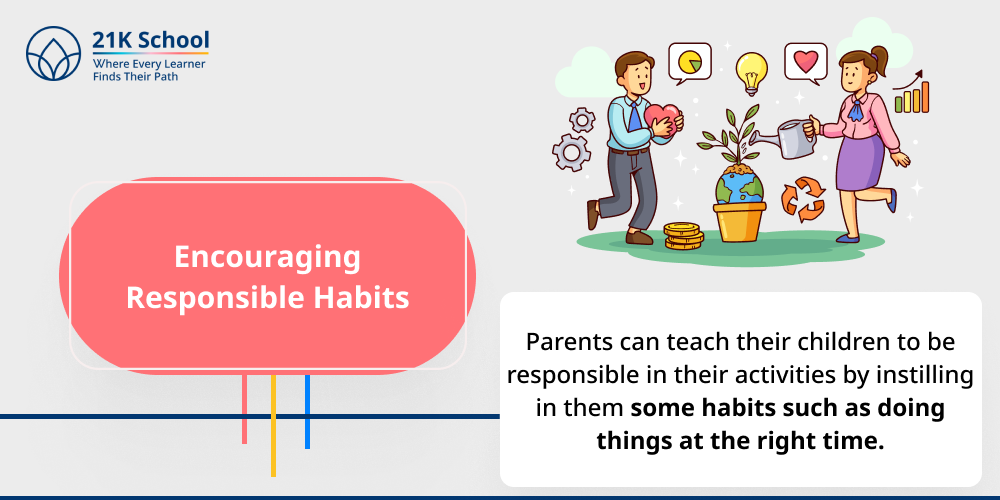
Parents can teach their children to be responsible in their activities by instilling in them some habits such as doing things at the right time, taking care of things properly and obeying rules at home.
It is also through these practices that children are in a better position to achieve better organisation, responsibility and social citizenship.
3. Teaching Cleanliness and Hygiene Habits
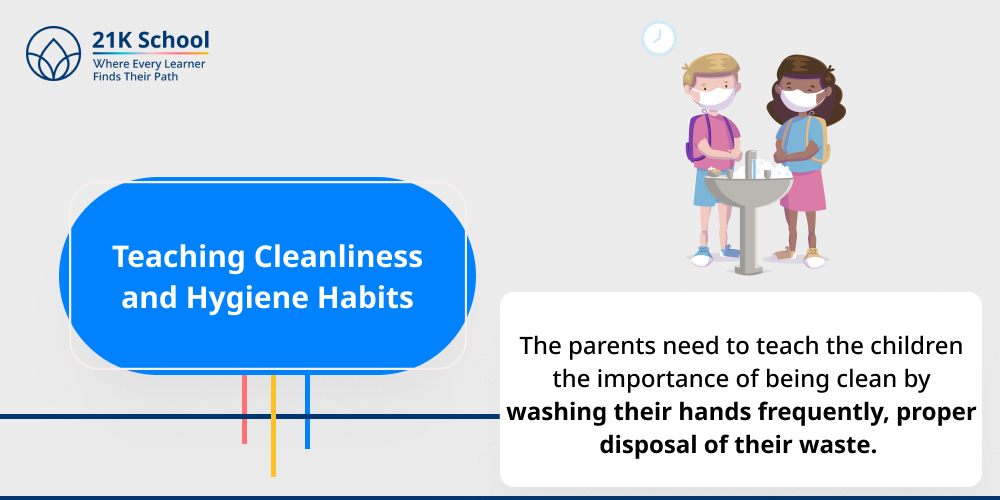
The parents need to teach the children the importance of being clean by washing their hands frequently, proper disposal of their waste, and the need to ensure that their surroundings are clean.
Good hygiene also makes sure that children are healthy, and they understand the need to keep their areas at home, school and in town clean.
4. Encouraging Participation in Community Activities
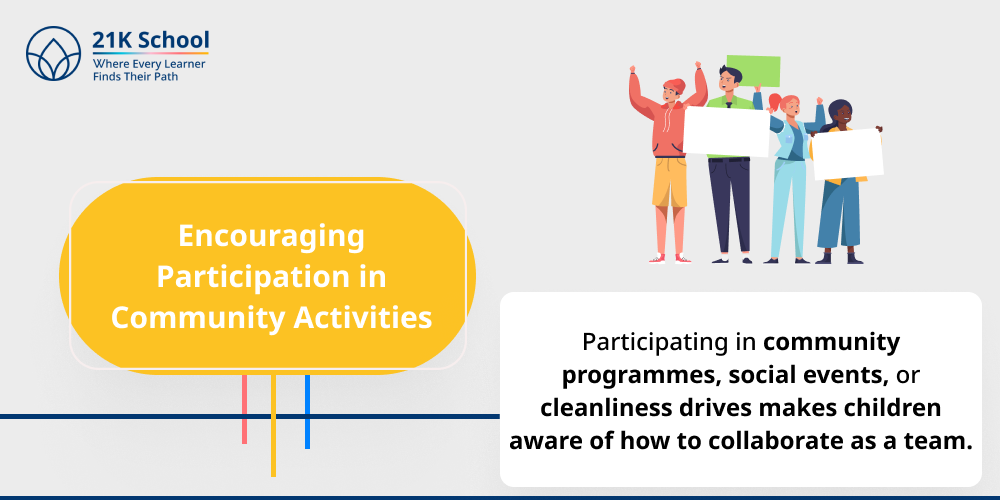
Participating in community programmes, social events, or cleanliness drives makes children aware of how to collaborate as a team or make a contribution to society.
These types of practices encourage a sense of confidence, compassion and concern towards society and the environment.
5. Helping Children Understand Social Responsibility
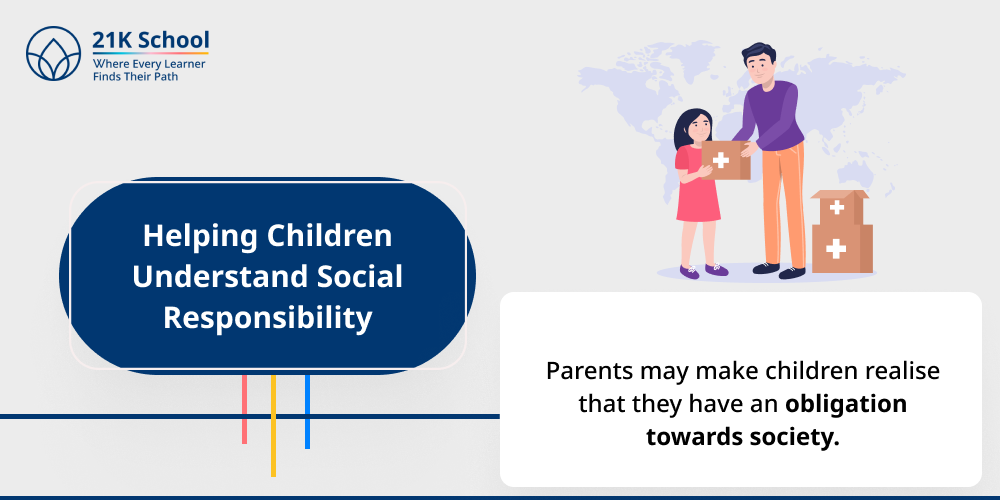
Parents may make children realise that they have an obligation towards society, some of which include respecting property, benefiting and complying with regulations.
Such an awakening will help the children be good citizens who will be able to contribute to their societies.
Concluding Thoughts
The concept of civic sense is an important aspect of the overall development of a student as it determines behaviour, discipline and responsibility to society.
A cleaner environment, better relations and an organised and respectful community are the results of good civic behaviour of students. It also helps them to be conscious of their roles as good citizens and get them prepared to positively contribute to the life of the community.
When educated in the right way by parents and teachers at a young age, civic sense can lead to a more aware, responsible, and socially conscious generation that will go on to help create a better society.

You may also want to read