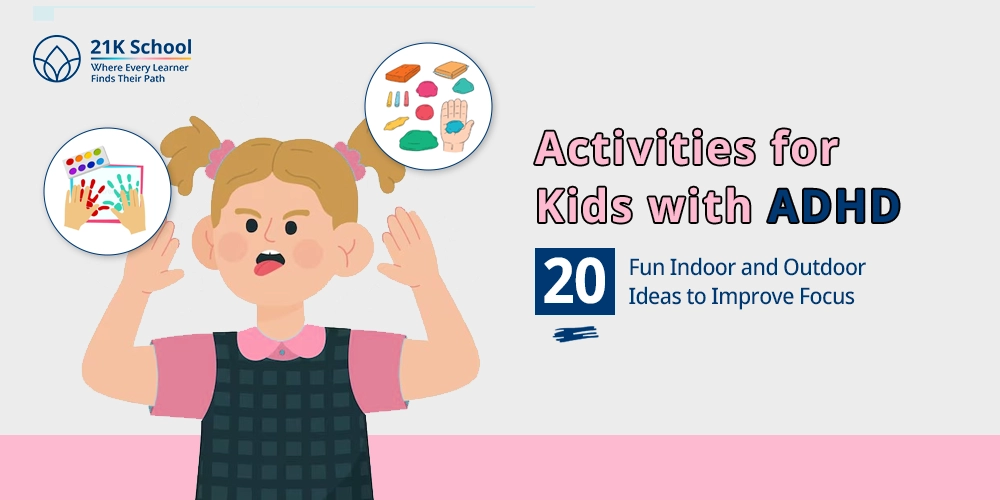
Activities for Kids with ADHD: 20 Fun Indoor and Outdoor Ideas to Improve Focus
 Written byRahul PalContent Specialist
Last modified: Sep 2, 2026 12 min read
Do you know which activities are best for kids with ADHD?
Children with Attention Deficit Hyperactivity Disorder (ADHD) can also take advantage of the activities and attempt to use their energy in a positive manner, learning to concentrate and dealing with emotions.
The attention span, development of social skills and boost of creativity may be promoted by the given tasks that are relevant in an entertaining and interesting manner.
The properly organised activity could have a positive impact on the life of the child and their general development, such as sensory play and movement-related games or outdoor adventures.
What is ADHD?
ADHD (Attention Deficit Hyperactivity Disorder) is a common neurodevelopmental disorder which affects the way an individual concentrates, responds to impulsivity, and becomes hyperactive.
The poor attention span of children, the inability to sit in one place, and the inability to control their emotions may be explained by Attention Deficit Hyperactivity Disorder. The other common symptoms are inattention, hyperactivity, impulsive behaviour, and these can vary in different children.
ADHD is a disorder that usually starts during childhood, which may impair learning, social and day-to-day living. When properly supported, structured and directed, children with ADHD can gain valuable skills and be successful at school and in their personal lives as well.
Top 20 activities for kids with ADHD- indoor and outdoor
Easy and entertaining indoor and outdoor games that assist a child with ADHD to focus, use energy and grow generally.
Indoor activities for kids with ADHD
1. Modelling playdough or clay
For children with ADHD, playdough or clay modelling will help them to build strength in their hands, fine motor coordination and attention. Squeezing and moulding provide a calming routine and effective sensory stimulation and help regulate emotions.
2. Finger painting
It can be imaginative, and any of the senses can be utilised in finger painting. It can help the child develop his/her focus, active learning and expression of emotions, and the sense of touch can be helpful during sensory processing and rest.
3. Kinetic sand
Kinetic sand play is a sensory-rich, calming activity which can possibly assist in calming down a hyperactive child and developing attention. Sand moulding, scooping and shaping will also contribute to the development of fine motor skills , and provide a hands-on and relaxing learning experience.
4. Simon says
Simon Says helps children to learn to listen attentively, to obey instructions and to know how to restrain their impulsive behaviours. It is an organised game which helps in paying attention, self-regulation and body awareness in addition to making learning fun and interactive.
5. Cooking
Even simple cooking procedures allow the children to learn to obey directions, to be systematic and to strive to achieve the desired results. Other tasks, such as mixing or measuring, are also recommended to stimulate motor coordination and foster independence with a hands-on learning approach.
6. Building blocks
Playing with blocks enables children to learn to solve problems, to plan and concentrate. The use of structures promotes patience, creativity and fine motor control, and the sense of accomplishment that children obtain with constructive play.
7. Balloon games
Related activities involving balloons can help not only with motion and coordination, but also make the children more proficient in attention and reflexes.
One of the best and least injurious of the methods by which children can spend their superfluous energy in a highly entertaining manner is play, in motion games, on the principle of using a balloon.
8. Board games
Board games help to exercise such social skills as taking turns, patience and memorising, as well as concentration. The orderliness of the play will help the children train in adhering to rules and controlling emotions in cooperative and competitive situations.
9. Dance party
The dance party will also assist the children in getting rid of their energy, improving coordination, as well as uplifting their mood with music and dance. It can also be utilised to control emotions and help in the development of concentration after training.
10. Hallway hopscotch
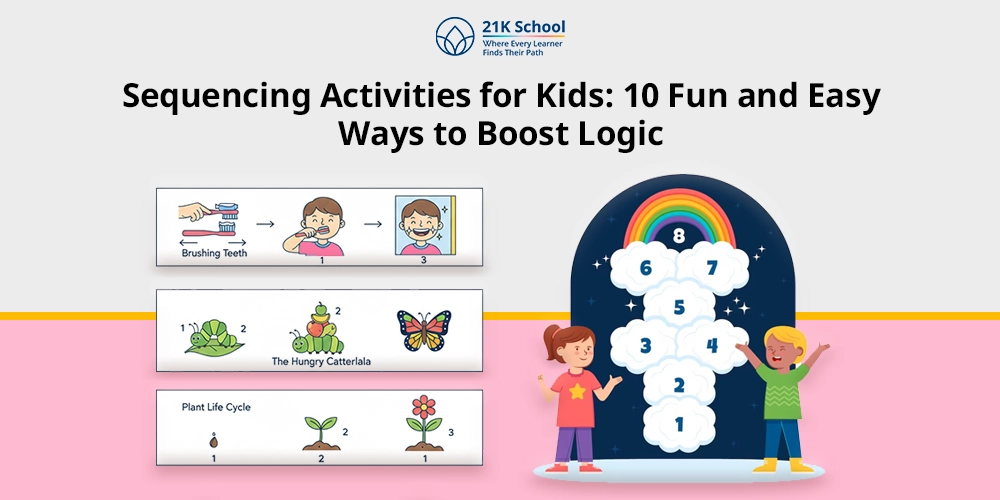
The activity of hopscotch, which can be practised both outside and inside, is an activity that involves physical activity, fine motor skills, hand-eye coordination and attention. Numbers too may be practised by sequencing numbers, and may also be a pleasant distraction to work off the energies indoors.
11. Water bottle bowling ball
A bowling ball game using water bottles will be able to enhance accuracy, motor skills, and attention. The game is a combination of physical games and goal play; it is a far more entertaining game, in addition to being more efficient than coordination.
12. Pillow fight
A well-thought-out pillow fight will be a safe means of energy and stress release. It promotes movement, laughter, sensory stimulation and allows children to control emotions by actively playing.
Outdoor activities for kids with ADHD
1. Gardening
Gardening may also be used to teach the art of patience, responsibility and focus to children with ADHD, where they are introduced to the real-world experience of planting, watering and digging.
It is likewise a superb source of sensory information, and it fosters a connection with nature.
2. Scavenger hunt
Scavenger hunting enhances observation, attention and problem-solving because the children will be encouraged to search to ensure that they find some objects or other clues. It involves both movement and mindfulness, and therefore learning is interesting and interactive.
3. Jump rope
The children will be able to use a jump rope so that they can release all their excess energy as well as improve their coordination, balance and rhythm. Also, it is a great exercise which ADHD children can play to be able to concentrate and exercise self-control, as it is repetitive.
4. Obstacle course
Obstacle courses will also help children obey instructions, schedule other activities and be careful when they come across various obstacles. They promote body awareness, coordination and motor abilities as well as provide a nice way of staying active.
5. Nature walk
Nature walk is a form of free walk, and this may also aid in alleviating stress and enhancing the concentration of the students. Extracurricular activities contribute to the development of curiosity, sensory experiences and activities gentle in nature and are helpful in managing emotions.
6. Walk the dog
Having the dog also provides exercise and responsibility. Being rhythmic could make one think more attentively and feel better, and an outdoor activity will be a good way to get some energy out.
7. Hide and seek
Hide and seek assists in focusing attention, memory and problem-solving, where children will seek or select places to hide. It assists in play, exercise, patience and socialising as well.
8. Hula hoop
Hula hoops help to improve balance, coordination and core strength. Rhythmic exercise is enjoyable and can be enjoyable with the added advantage of being an effective way of getting the physical energy out of the system.
Top 5 benefits of activities for kids with ADHD
It enhances attention, behaviour, emotional, motor, intellectual and general day-to-day functioning. The benefits of exercises on ADHD children are as follows:
1. Better behaviour management
Structured games enable ADHD children to utilise the excess energy positively and to be able to regulate themselves. This impulsive behaviour can be avoided by constant involvement, which promotes control of emotions and reaction to normal day-to-day activities and social behaviour.
2. Sensory regulation
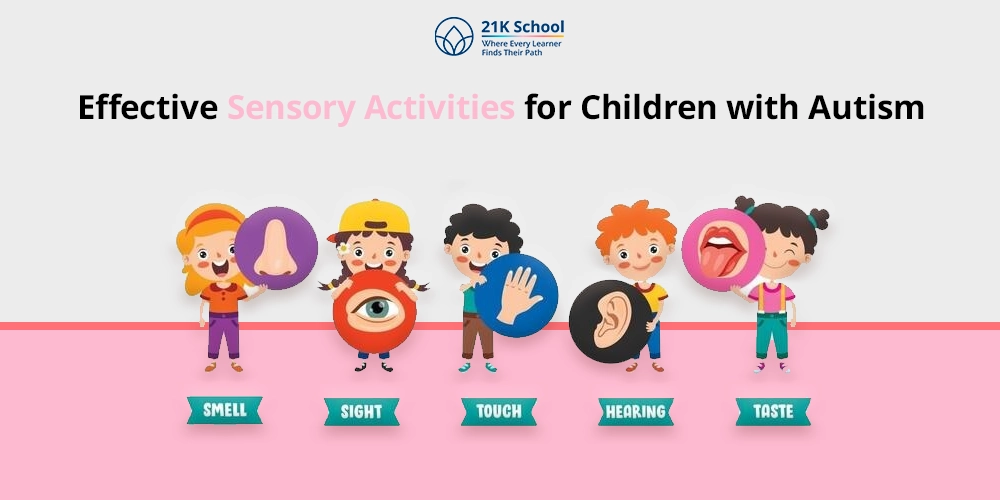
There are numerous activities which offer valuable sensory stimulation and make children feel more relaxed and balanced. Play related to sensory processing can reduce overstimulation, increase attention and assist in keeping better emotional control during the day.
3. Development of gross and fine motor skills
Building, jumping, or drawing are all activities that involve large as well as small muscle activities. These activities enhance balance, coordination and hand control as well as overall physical development in a fun and real-life manner.
4. Improved sleep quality
Physically and mentally engaging activities may be given to the children to allow them to burn off the energy and to calm down their irritability. A daily routine may also lead to relaxation and nighttime sleep patterns as a result of balance.
5. Better cognitive development
Play-based activities help with attention, problem-solving , decision-making , and memory. They can improve their thinking skills through exercise and learn something useful which they can apply at school and in life in general.
5 common mistakes to avoid while selecting activities for kids with ADHD
The most frequent mistakes can be prevented by choosing activities that can make children with ADHD more attentive and interested, manage their emotions more and have a positive developmental outcome.
1. Forcing long-duration tasks
Children with ADHD may be unable to do activities that require a high level of concentration. It is possible to use short tasks with short breaks between them to make sure that we are focused on them and not stressed/emotional because of overworking.
2. Giving too many instructions at once
Since children could be issued with more than one set of instructions at a time, there is a possibility that simultaneous instructions were confusing to children.
Simple, easy-to-follow instructional steps that are easy to comprehend will help with mid- comprehension, instil trust, and participation will be easy as well.
3. Lack of routine or consistency
The issues with the disjointed activity plan are problematic and may result in lost and endangered children.
A routine will also be used to give structure, enhance behaviour and better equip children to cope with transitions.
4. Expecting quick results
Early development of focus, behaviour and skills is realised. By being realistic and celebrating small milestones, motivation and, ultimately, instilling confidence in the long run can be attained.
5. Ignoring the child’s interests
At the time when the activity is selected, there is no consideration of which activities a child will enjoy, and therefore, the activities engaged in will be kept to a bare minimum.
With all the activities being chosen based on their interests, the motivation, participation and the possibility of good developmental results are enhanced.
Top 5 tips for choosing the right activities for kids with ADHD
The following are some of the simple and quite useful suggestions on how the right kind of activities that will enable children with ADHD to grow well in terms of concentration, behavioural and other developmental issues can be chosen.
1. Keep activities short and engaging
Select short, interactive and simple activities. ADHD children tend to respond negatively to rather long activities and become bored; to warm them up or keep them engaged, factors like fun learning activities should be introduced.
2. Follow the child’s interests
Select an activity of choice for the child, i.e. art, movement or outdoor play. Intrinsically motivating activities increase motivation and participation and make learning or acquiring skills a fun and efficient experience.
3. Provide positive reinforcement
Be ready to applaud, reward or even appreciate and motivate through trying and doing well. Positive reinforcement instils confidence , motivates the children to be attentive and helps to change behaviour through activities.
4. Avoid overstimulation and distractions
Select comfortable and well-set-up settings with few distractions and noise. Overstimulation can be reduced to allow the children to focus more, be more engaged when required and feel comfortable doing so.
5. Include variety while maintaining a simple routine
Provide a variety of activities to make sure that children are interested; however, there should be an option of things that are to be done every day. The combination of diversity and routine helps focus, emotional balance and frequent involvement.
Conclusion
Activities play a significant role in the process of assisting children with ADHD, as they help children to expend their energy, enhance their concentration and acquire some basic life skills.
An equal mix of indoor and outdoor, sensory activities and structured activities can enhance the behaviour, emotional control and cognitive development of children .
When selected well, depending on the interests and abilities of the child, these activities will provide an excellent and intriguing learning experience.
Consistency, patience and encouragement are key and should be combined to ensure that the long-term benefits are achieved.
Frequently asked questions
7 questions
What are the best activities for kids with ADHD?
Short and interesting activities such as sensory play, outdoor games, creative arts, physical movement and simple board games will be the most useful activities and will assist in enhancing attention and behaviour.
How do activities help children with ADHD improve focus?
Activities that involve them formally can reduce hyperactivity and help them spend their energy constructively, and the end result will be an increase in attention span, self-control and task completion in kids with Attention Deficit Hyperactivity Disorder.
How long should activities be for kids with ADHD?
Activities should be short and simple to manage most of the time, between 10-20 minutes; this is again based on the age and attention of the child, with a margin between the two to prevent overloading of the child.
Are outdoor activities better for children with ADHD?
Outdoor activities are fine as they engage physical movement, reduce stress, improve mood, and children get to release the excess energy in a healthy and organised way
Can creative activities help manage ADHD symptoms?
Yes, creative activities, such as drawing, painting, or building, can be used to foster attention, self-expression, reduce anxiety and improve emotional regulation in children with ADHD.
Which activity is most appropriate for a child with ADHD?
The best activity depends on the interests of the child, though the most common activities that will be the best ones are sensory-based, movement-based, and structured play activities.
Which activity is best for a hyperactive child in the classroom?
The best activities would be those that are most appropriate, such as Simon Says, board games and short movement breaks, because they are also capable of helping to improve attention as well as manage movements.
About the author
Rahul Pal
Content Specialist
Rahul Pal is an Education Content Specialist at 21K School- India’s fully accredited online school recognised by the Cambridge International (IA702) and Pearson Edexcel (94883). His graduation from Journalism and Mass Communication from Swami Vivekananda University gives him a strong foundation in factual reporting, source verification, and investigative research. With around 2 years of experience at 21K School, he has written extensively for the CGPA conversion guides, marking schemes, and Indian and International boards (IGCSE, GCSE, and A-Levels). His articles are highly relevant for the guardians looking to guide their learners for board exam preparation across 78+ countries. All Rahul’s content is reviewed by the school’s academic team to ensure alignment with the latest board guidelines and latest notifications from the official resources
Every 21K School guide is written by our education team and reviewed by a subject facilitator before publishing.
Exploring a CBSE-pathway online school?
Talk to an advisor about 2026–27 admissions — no obligation.
Talk to an advisorComments
No comments yet — be the first to share your thoughts or ask a question.