


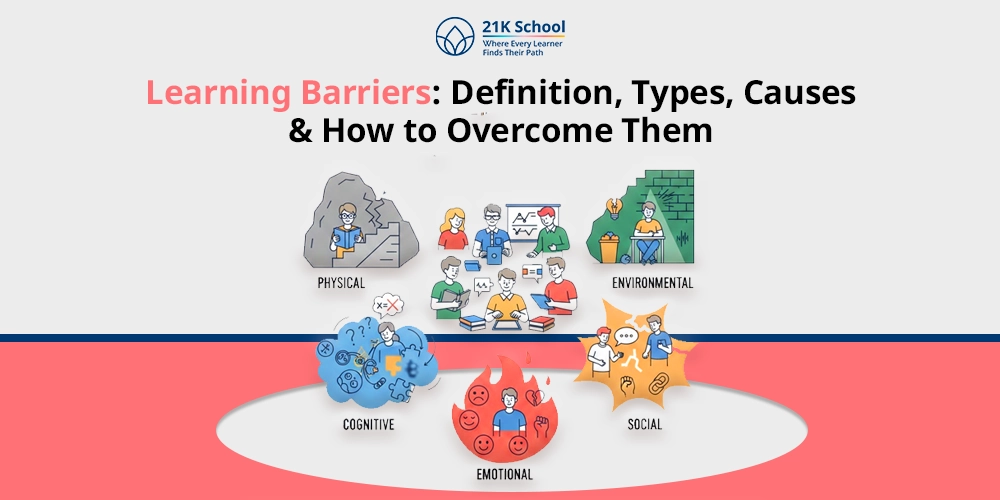
Learning barriers can be said to be those elements that come in between the process of the learner in order to comprehend, process and retain information. These barriers may be personal, psychological, social, environmental or instructional-based and may influence students at any educational level.
The impact of learning barriers is usually low academic performance, low motivation and involvement in learning activities.
These barriers need to be identified and removed to develop inclusive and enabling learning conditions that foster equity, participatory learning experience and a successful education for all learners.
Contents
What are Learning Barriers?
Learning barriers refer to the difficulties or impediments which impede the learning methods of a learner to learn, comprehend and put the knowledge to practical use. These obstacles can be either physical, cognitive, emotional, social or environmental.
Learning disabilities, motivation, language problems, ineffective teaching strategies, and unfavourable learning conditions are some of the factors that may impede learning. Learning barriers may have adverse impacts on academic performance and self-confidence when left unattended.
Learning barriers are also useful in enabling educators to develop inclusive learning approaches that facilitate various learners to attain equal educational opportunities.
Types of Learning Barriers
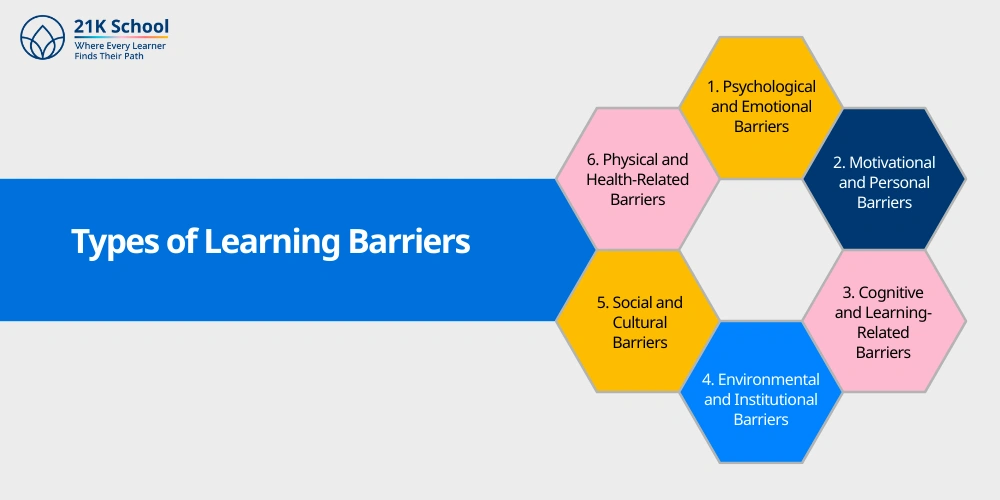
Barriers to learning may be caused by diverse factors that influence the process of knowledge acquisition and processing by the students. Learning about the various learning barriers, emotional, motivational and personal, educationists are able to recognise the challenges and offer constructive assistance to achieve better learning outcomes.
1. Psychological and Emotional Barriers
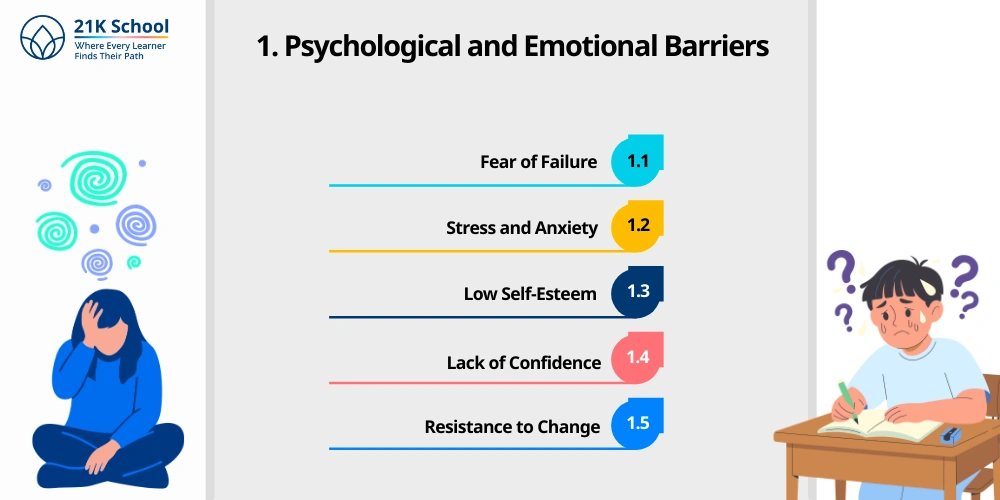
Psychological and emotional obstacles can cause a significant influence on the capability of a learner to concentrate, engage and memorise information. Academic performance can be impeded by factors such as fear, students’ stress, low self-esteem, and opposition to change.
1.1. Fear of Failure
Fear of failure makes the learners avoid risk-taking and never want to engage in hard work. It is usually the result of high expectations, criticism or previous bad experiences. This fear may lessen participation, narrow down problem-solving and slow down learning.
This obstacle can be conquered through positive thinking and taking mistakes as chances to learn and therefore, become tough.
1.2. Stress and Anxiety
The factors of stress and anxiety may be the pressure at school or the exams, or even any personal problem, and these pose an unwanted impact on performance in terms of concentration, memory and learning. Stress at all times can result in burnout and demoralisation.
Being aware of how to handle stress, emotional support and a positive learning environment also assists the students who are efficient in dealing with study stress and are able to stay focused.
1.3. Low Self-Esteem
Low self-esteem will make learners doubt their abilities, and they will not be willing to attend classes. It diminishes contact, motivation and the wish to take up challenges.
The self-esteem enabling the learners to exercise confidence to take part in the learning process can also be increased through good reinforcement, motivation and attainable objectives.
1.4. Lack of Confidence
Insecurity will render the learners incapable of expressing themselves through sharing their ideas, asking questions and engaging in unknown activities. This can halt the development and minimise knowledge.
Learning is supported by positive feedback, encouragement and gradual introduction to the difficult situations, which will help to build up the confidence of the learners and stimulate their active participation in the learning process.
1.5. Resistance to Change
The resistance to change is a process itself that is manifested in situations when learners fail to want to adjust to new things, technologies, or concepts. This may deter interaction, innovation and development.
The step-by-step implementation of the new strategy, the active clarification of the advantages, and the positive recommendations will assist the learners to be more flexible, receptive, and willing to learn.
2. Motivational and Personal Barriers
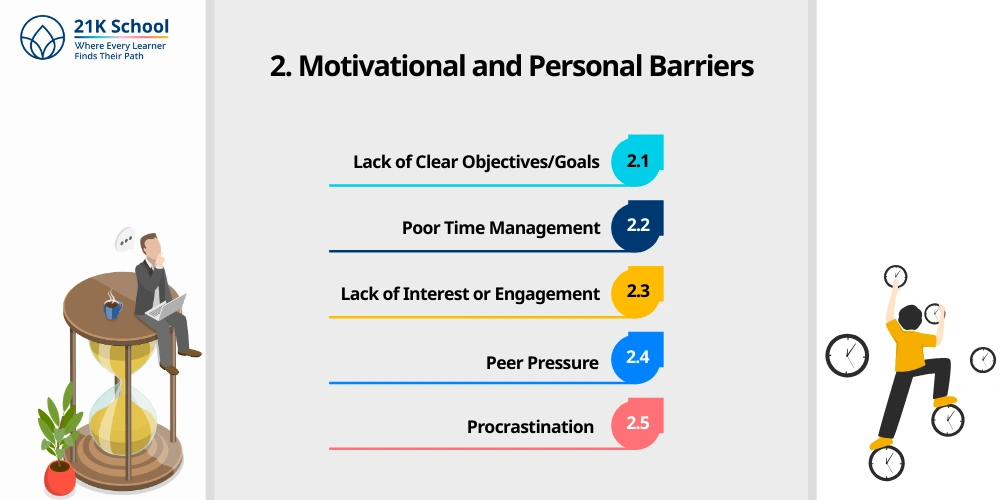
Motivational and personal barriers influence motivation, concentration and interest of a learner, towards the learning process. It can be poor time management skills, lack of a specific goal, no interest, peer pressure and procrastination.
2.1. Lack of Clear Objectives/Goals
In cases where there are no objectives or goals to be achieved, the learners tend to feel lost and demoralised. The lack of particular objectives prevents the assessment of the progress and the comprehension of the learning goal.
Having realistic, attainable goals is also a way of being focused, more motivated and making learners stick to their task completion.
2.2. Poor Time Management
Time mismanagement results in failure to meet deadlines, failure to complete assignments and unwarranted stress. It is also possible that learners cannot prioritise the tasks or set a study timetable, which would lead to poor performance.
A well-designed time, prioritisation and task division into small steps could help to be more productive, decrease stress and improve learning results.
2.3. Lack of Interest or Engagement
When there is no interest or engagement, it will be boring and will decrease retention. The lectures would be missed or absent among the students.
Curiosity, interest and motivation can be stimulated with the help of interactive strategies, information that can be related to and real-life examples that can make the learning process more productive and enjoyable.
2.4. Peer Pressure
Peer pressure may make learners use behaviour or attitudes that prevent academic progress. The fear of being judged or a lack of fit in may result in distraction, avoidance, or bad decisions.
Confidence in oneself, positive peer relations, and a learning atmosphere can prevent negative influences on the learners as well as make them concentrate on their goals.
2.5. Procrastination
The situation is procrastination where the learners avoid work because of fear, have no motivation or otherwise.
The practice adds stress and reduces the rate of learning. The problem of procrastination is resolvable, and it is possible to succeed in studying because it may be divided into smaller parts, and there are deadlines to adhere to and time management techniques to apply.
3. Cognitive and Learning-Related Barriers
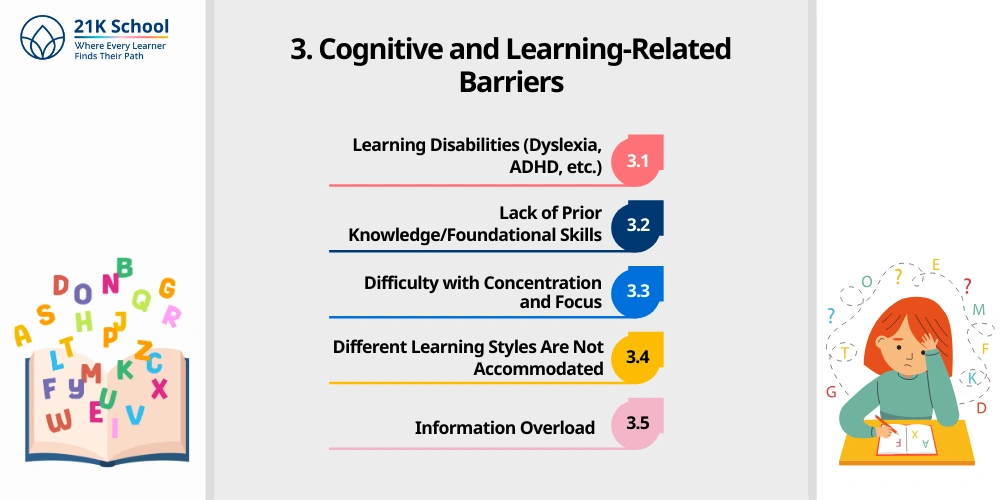
The age-related learning and cognitive learning barriers are the barriers that influence the perception, processing and storage of information among people. These may be the consequences of attention, memory, perception of problems or problems with learning, and they may tend to affect the learning performance and day-to-day learning.
3.1. Learning Disabilities (Dyslexia, ADHD, etc.)
Learning disabilities found in the learning conditions, such as dyslexia, ADHD, or dyscalculia, affect the processing of information, reading, writing or attention of the learners. These psychological problems make it hard to study and could lower grades.
These disabilities do not prevent the learners, because their early identification, personal guidance and special instructions help them to cope with the obstacles and become successful in their education process.
3.2. Lack of Prior Knowledge/Foundational Skills
Students without prior knowledge or background skills can hardly learn new information. Absence of fundamentals makes the lessons confusing and irritating, and the academic development is low.
The process of remedial education and an overview of the main points, as well as gradual acquisition of knowledge, will help the learners to fill the gaps in their knowledge and improve their level of understanding.
3.3. Difficulty with Concentration and Focus
Inability to concentrate and pay attention reduces understanding, education and student engagement. Distractions have the ability to break attention span, multitasking or mental inabilities that lead to incomplete learning.
Creation of the learning structures, minimization of distractions, and adoption of attention promoting measures are beneficial in the process of enabling the learners to be attentive, as well as, enhance the learning process.
3.4. Different Learning Styles Are Not Accommodated
The learning styles that do not resonate with the personal styles of the learners, i.e. visual, auditory or kinesthetic learning, act as hindrances to the interaction and understanding. There is are high chance that one-size-fits-all instruction will cause a lag in the learners.
The presentation of the lesson in the various learning styles will ensure that all learners will have an understanding, interaction and learning.
3.5. Information Overload
Information overload occurs when learners receive excessive information at a particular time, thus becoming confused and stressed. When someone is overwhelmed with information, they do not retain and understand what they are exposed to.
The way the content is divided into parts, which can be handled easily, the necessity to emphasise the main points and effective summarisation techniques will help the learners to internalise information in the most effective way and to remember it.
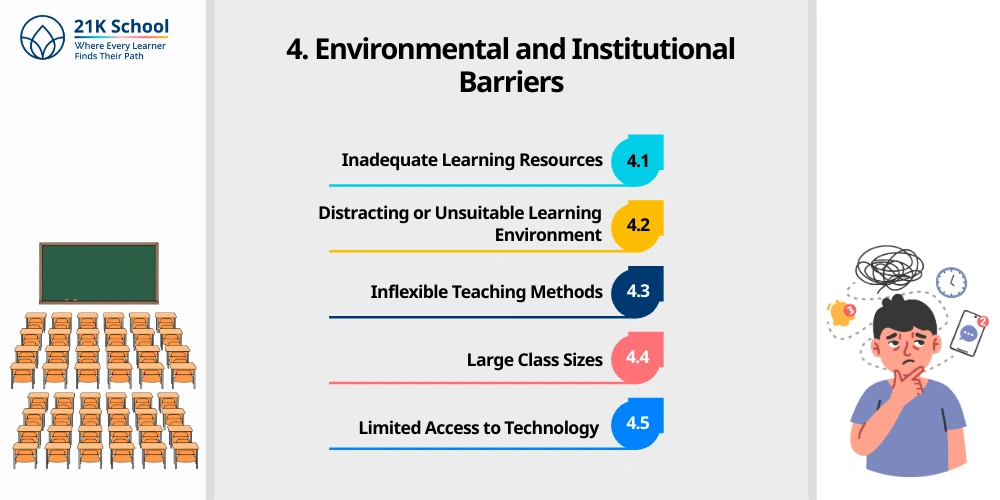
4. Environmental and Institutional Barriers
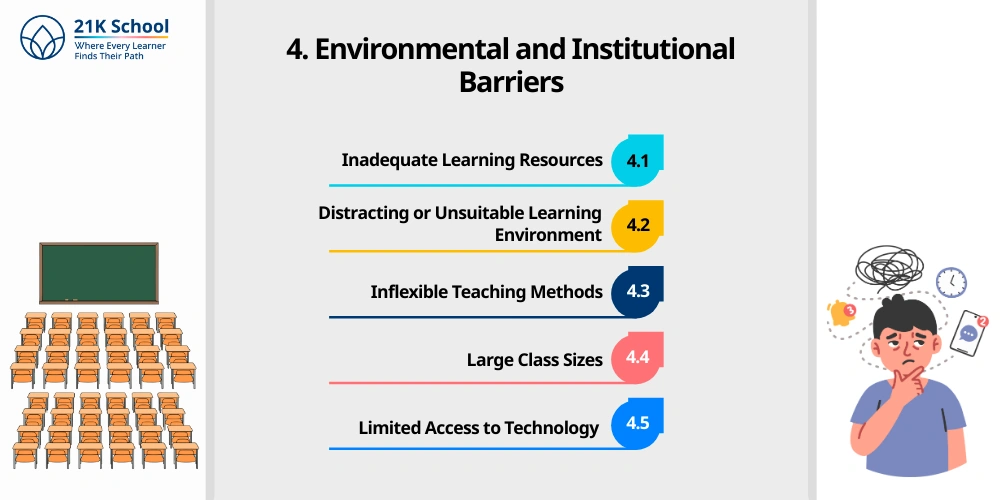
Environmental and institutional barriers are external factors that hinder access to resources, opportunities and support systems.
These can be either physical, social or organisational barriers that can be in the form of a lack of resources, bad policies or even a lack of access to educational and professional facilities.
4.1. Inadequate Learning Resources
The understanding of concepts among the learners is suppressed by the poor textbooks, reference books or other study materials. Lack of adequate resources can leave the students without an opportunity to accomplish their work or learn the subjects.
This will mean that learners will be in a position to learn the required information and advance their academic status since the appropriate learning materials, study methods, libraries and internet resources will be made available.
4.2. Distracting or Unsuitable Learning Environment
Distraction, noise, darkness, crowding and uncomfortable chairs may complicate learning. Poor environment decreases the concentration, motivation and interest.
This is given the fact that it provides soothing light and hygienic learning environments that enable one to concentrate, socialise and make overall improvement in academic performances.
4.3. Inflexible Teaching Methods
Such a strict teaching method, that does not accommodate the learning styles and learning pace can be antithetical to learning.
The interactive lectures can be applied in a manner that the learners can be engaged. Flexible or adaptable pedagogical strategies can be condensed to the requirements of the learners and result in a better understanding, memorisation and motivation in the learners.
4.4. Large Class Sizes
The classes are large, and this limits the attention of the teachers who are trying to accommodate the needs of the whole population of learners. The students will be in a position to develop a sense of being neglected, and this will result in either confusion or no action.
The smaller classes or teacher assistance programmes can be used to achieve personalised learning support and successful learning.
4.5. Limited Access to Technology
This is limited by the fact that this cannot be accessed on a computer, the internet or any other digital tool, limiting access to learning, especially in contemporary learning.
Students who cannot use technology may not access the online facilities, interactive learning, and computer-based learning. The existing gaps can be filled by providing equal access to technology so as to improve learning practices.
5. Social and Cultural Barriers
Social and cultural barriers are caused by the forces of society and its norms, values, and expectations that may restrict the participation and opportunities of people.
These can be discrimination, stereotyping, language barriers or cultural prejudices that can influence communication, learning and resources.
5.1. Language Barriers
Differences in languages may cause barriers to understanding, communication and learning. These students with non-professional knowledge of the instructional language might find it difficult to follow the lessons or share their ideas.
Language support, bilingual resources, as well as inclusion of communication strategies can assist learners to overcome language barriers to succeed in academic performance.
5.2. Cultural Differences in Learning Approaches
Different cultural backgrounds influence learning style, communication and classroom behaviour. The approaches which students are not accustomed to may cause misunderstanding or boredom.
Adhering to various traditions, values, and perspectives with culturally responsive teaching helps the learners in their adaptation and successful participation in the learning process.
5.3. Socioeconomic Challenges
A limitation to books, technology, transportation, or even private tutoring may exist in finance. Economic problems may also be experienced, thereby leading to stress that affects performance and focus.
The provision of scholarships, resources and support programmes assists the learners to overcome socioeconomic barriers and attain education without straining hard.
5.4. Family Responsibilities
Students who have children, elderly parents, or a part-time job will not be able to devote enough time to studying. Family commitments and academic performance may decrease when one tries to balance between family and learning.
The support systems, time management instructions and flexible study routine assist learners to juggle responsibilities and proceed with education.
5.5. Limited Family Support for Education
The lack of encouragement or interest in the family can reduce the desire and desire to learn. Students may develop feelings of not being respected or not being encouraged, and this has an effect on persistence and confidence.
Parents should be educated on their sense of awareness, involvement and positive reinforcement, which would enhance the involvement and performance of the learners.
6. Physical and Health-Related Barriers
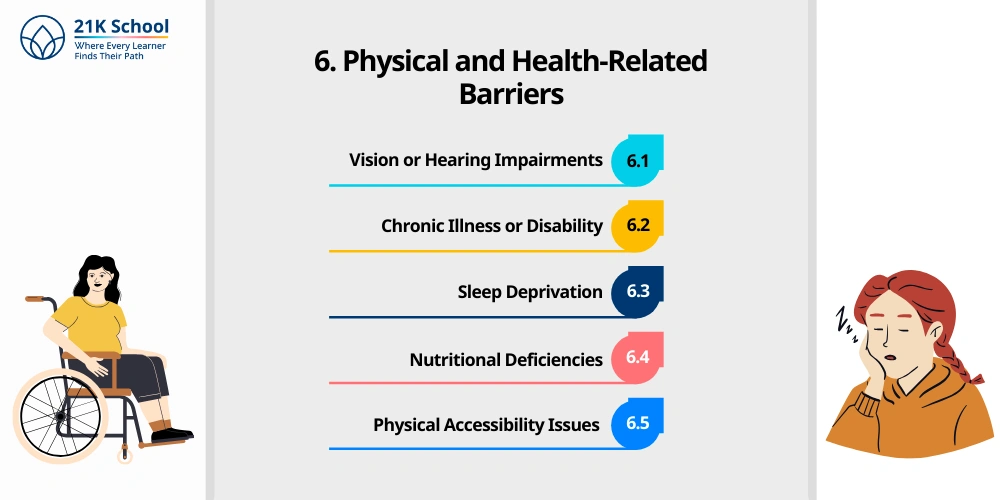
Physical and health-related barriers are barriers that are related to medical conditions, disability, mobility and sensory limitations.
Such barriers may influence the capacity of an individual to gain access to resources, engage in activities fully, as well as to learn or work.
6.1. Vision or Hearing Impairments
The normal learning materials or classroom learning are a disadvantage to the sightless or deaf learners.
Without the right accommodations, which may be assistive devices or modified resources, they will participate and understand very little. This can be done by integrating tools, technologies and teaching techniques to provide equality in education opportunities and within space of no time make the students conquer these challenges.
6.2. Chronic Illness or Disability
The disrupted attendance, reduced energy and engagement may be due to chronic illnesses or physical disability. Students can lose synchronisation with the rest or be within a time frame.
Flexible timetables, medical care, and tailor-made learning programmes are some of the things that such students can afford to make sure they are not burdened with their health so as to accommodate their studies.
6.3. Sleep Deprivation
Lack of sleep reduces memory, cognitive and focus. Learners who lack adequate sleep might end up being weary, nervous and demotivated, and thus lower their grades.
Healthy sleep, schedule and time management can be promoted to help students to improve concentration and learning productivity.
6.4.Nutritional Deficiencies
Malnutrition influences physical and cognitive development of children’s, energy levels, and concentration. Without the necessary nutrients, students might have a problem with concentration, memory and general study performance.
The availability of balanced meals and nutritional awareness, as well as school meal programmes, facilitates learning and the well-being of students.
6.5 Physical Accessibility Issues
Students with mobility issues may not be able to go to school or be a full participant in school because of inaccessible classrooms, facilities, or transportation. Inclusion is inhibited by obstacles like stairs, a narrow pathway, or the unavailability of ramps.
The availability of support services and convenient infrastructure facilitates the participation of every learner in the learning process.
How to Overcome Learning Barriers?
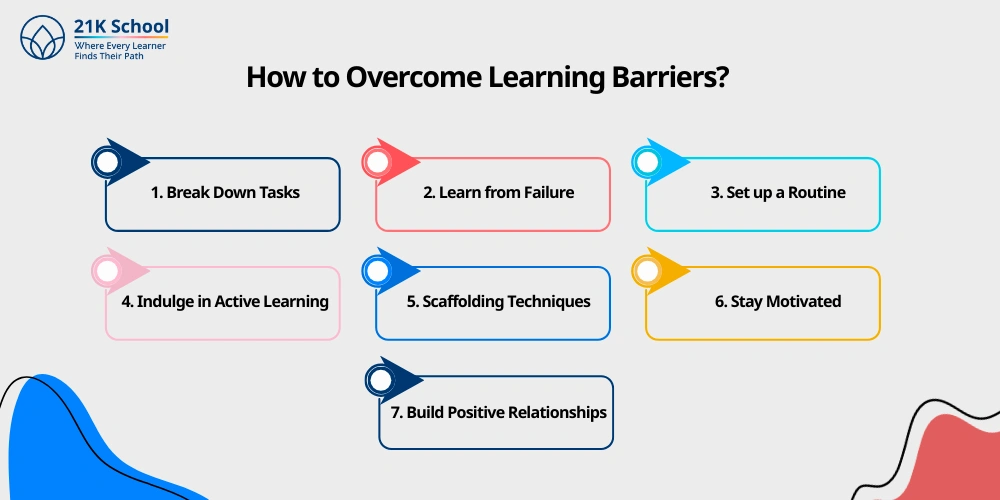
This is required so as to overcome learning barriers to improve understanding, belief, and success. The learners can conquer the challenges through sound strategies and positive learning habits, which will enable them to remain motivated and create a favourable environment. These are the techniques of breaking the learning barriers.
1. Break Down Tasks
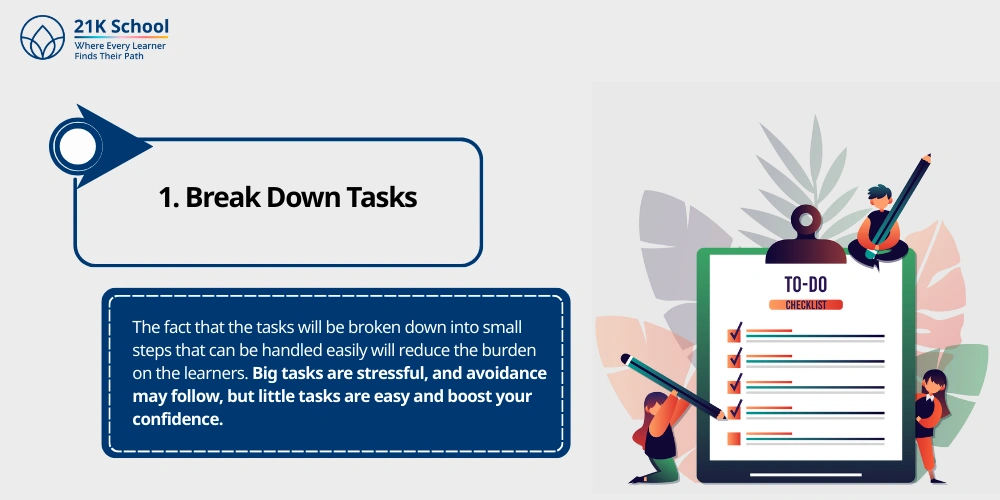
The fact that the tasks will be broken down into small steps that can be handled easily will reduce the burden on the learners. Big tasks are stressful, and avoidance may follow, but little tasks are easy and boost your confidence.
This will increase concentration, time management and knowledge. Achievement of all the steps is an aspect of motivation and a feeling of progressiveness, and therefore learning is more structured, organised and efficient.
2. Learn from Failure
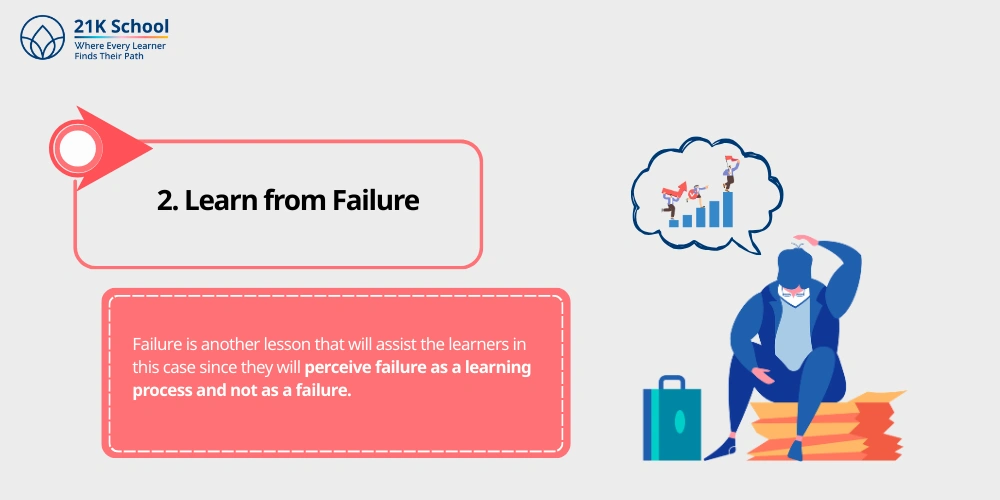
Failure is another lesson that will assist the learners in this case since they will perceive failure as a learning process and not as a failure.
The fear of failure could also be the obstacle to learning yet learning to live by the mistakes made is one of the ways to acquire emotional intelligence and problem solving skills.
3. Set up a Routine
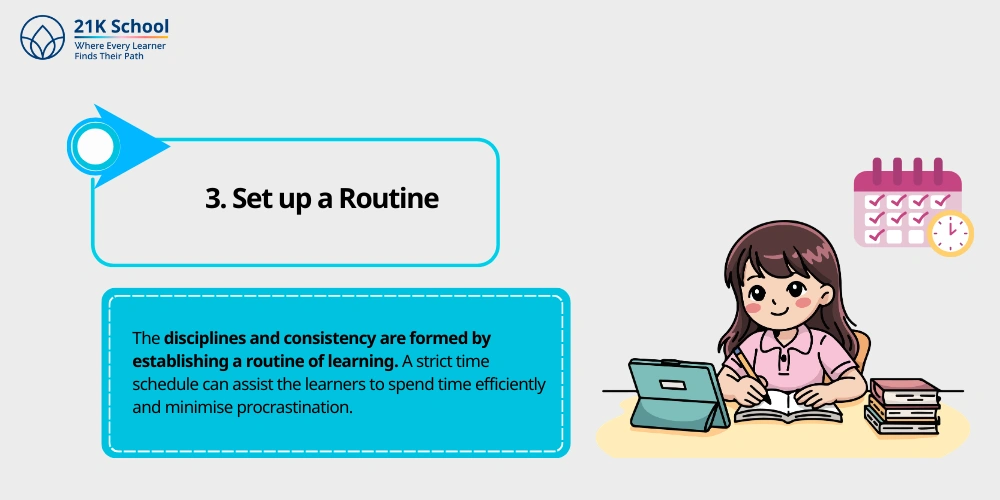
The disciplines and consistency are formed by establishing a routine of learning. A strict time schedule can assist the learners to spend time efficiently and minimise procrastination.
Habits that are created in routine learning enhance focus and effectiveness. Knowledge of when and how the learners will be studying can reduce stress and help them achieve gradual academic progress.
4. Indulge in Active Learning
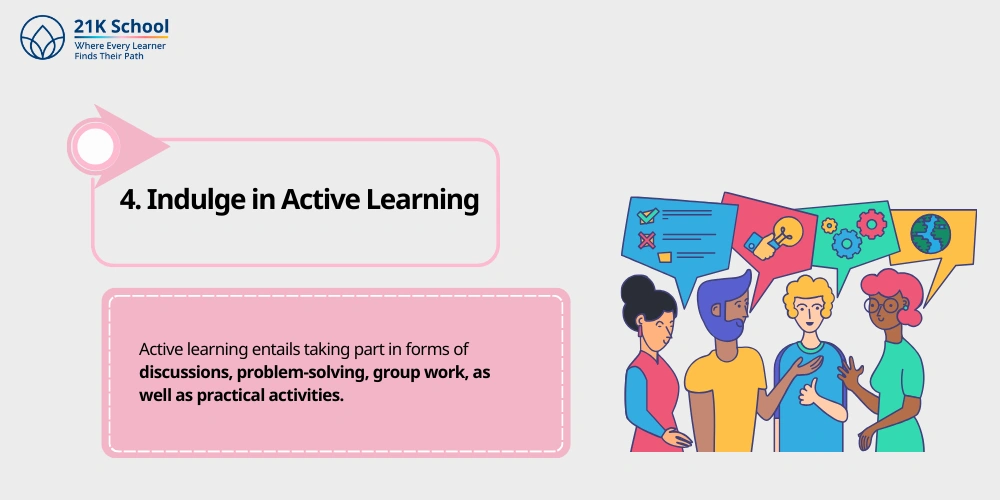
Active learning entails taking part in forms of discussions, problem-solving, group work, as well as practical activities. This strategy enhances the involvement and comprehension, and retention. Learners do not passively listen but rather think and make use of concepts.
Active learning enhances the interest of the lessons, memory, and there is more comprehensiveness of the subject matter.
5. Scaffolding Techniques
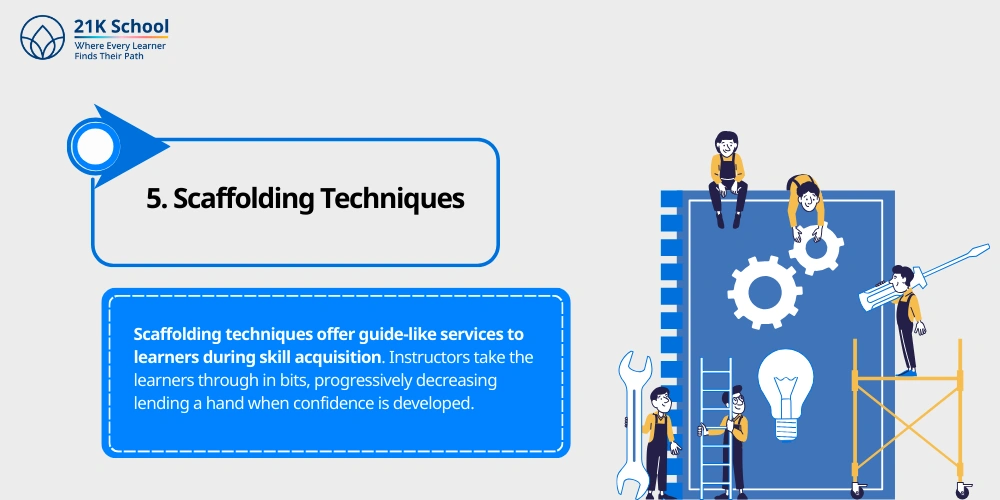
Scaffolding techniques offer guide-like services to learners during skill acquisition. Instructors take the learners through in bits, progressively decreasing lending a hand when confidence is developed.
This technique assists the learners in dealing with complicated ideas without getting frustrated. Scaffolding fosters a sense of independence, enhances learning and learners move at a pace that is comfortable and effective.
6. Stay Motivated
To be able to overcome learning barriers, it is vital to stay motivated. One can motivate oneself by using rewards, positive feedback, and self-motivation.
When learners are made to realise that learning is worth it and they are made to celebrate small successes, they will be involved. Motivation will enable the learners to stick to their difficulties and work relentlessly towards their objectives.
7. Build Positive Relationships
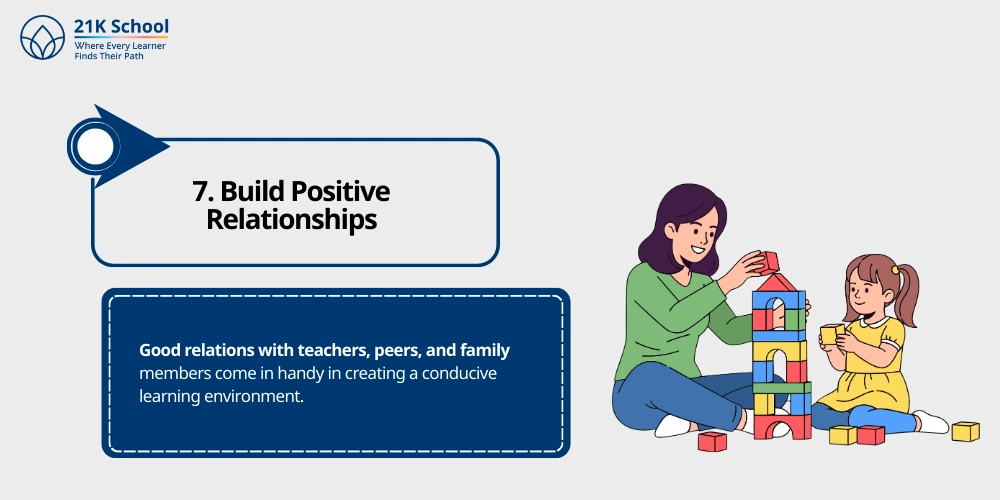
Good relations with teachers, peers, and family members come in handy in creating a conducive learning environment.
Encouragement, trust and open communication increases self-esteem and decreases fear. Students are better placed when they are supported so that they can ask and seek help. Good relations promote emotional well-being and higher academic success.
Role of Teachers in Addressing Learning Barriers
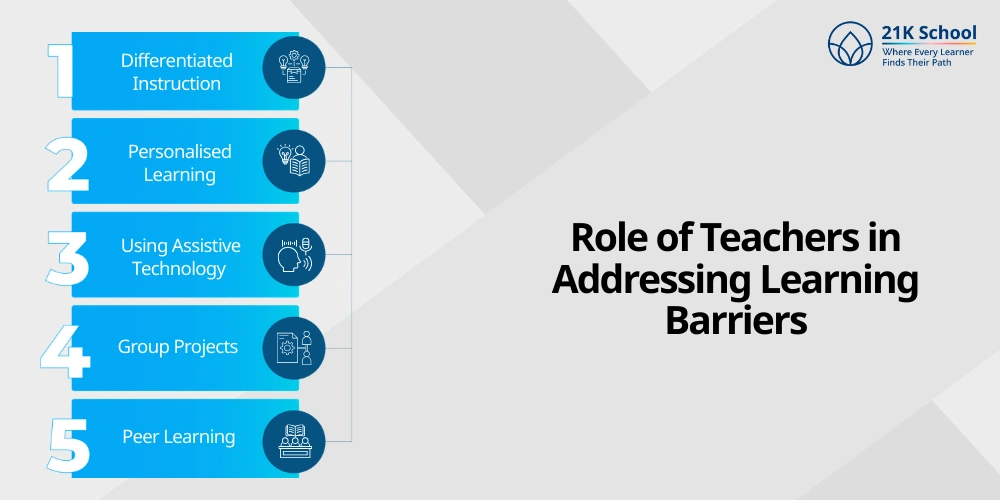
The teacher also plays a crucial role in terms of prevention as well as anticipation of such learning barriers that affect the academic growth of the students. The first signs of difficulties can be observed by noticing the behaviour, performance, and interaction of the learners and taking the required measures.
1. Differentiated Instruction
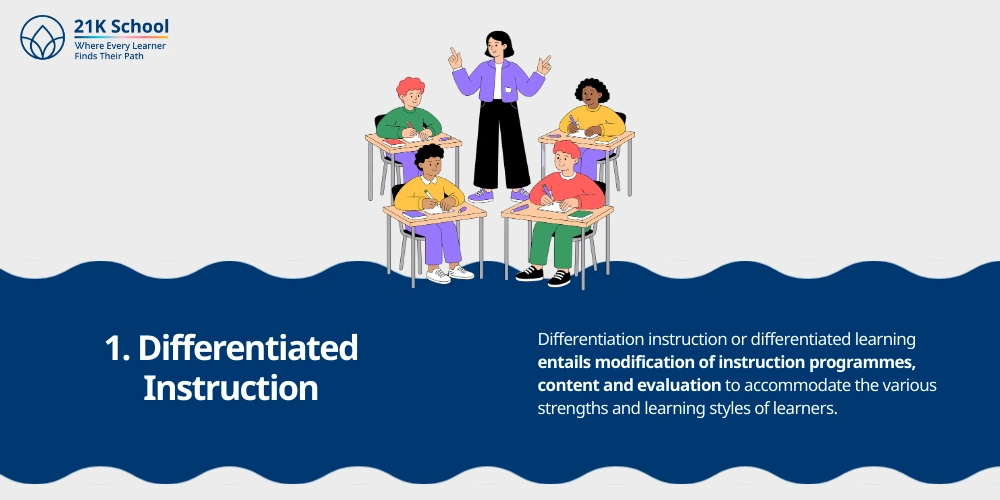
Differentiation instruction or differentiated learning entails modification of instruction programmes, content and evaluation to accommodate the various strengths and learning styles of learners.
The instructors have the liberty to adopt any type of activities, loose grouping/ multiple explanations to make sure that everyone among the students can comprehend the information.
2. Personalised Learning
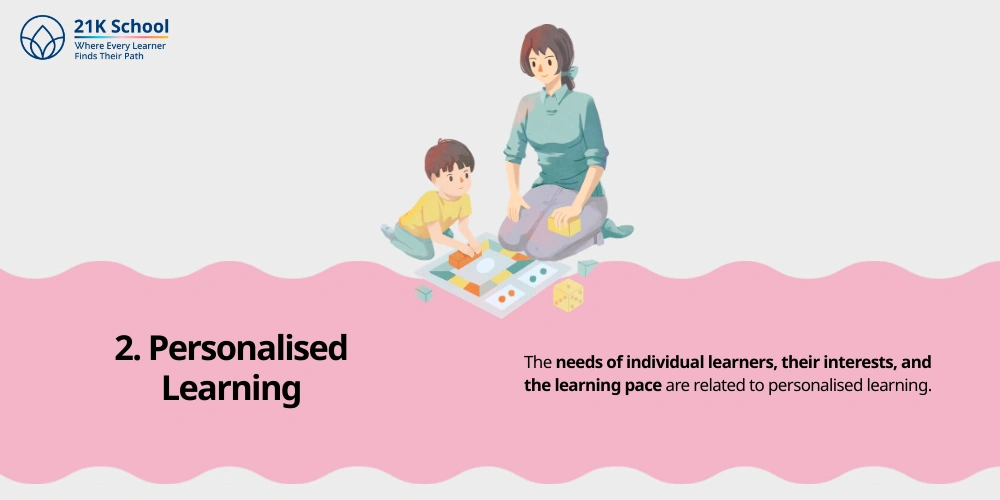
The needs of individual learners, their interests, and the learning pace are related to personalised learning. The teachers plan the learning goals, tasks and support strategies on the basis of the strengths and challenges of the students.
It makes them motivated, feeling of confidence and a feeling of ownership in learning among the learners, therefore making learning process meaningful and effective to all students.
3. Using Assistive Technology
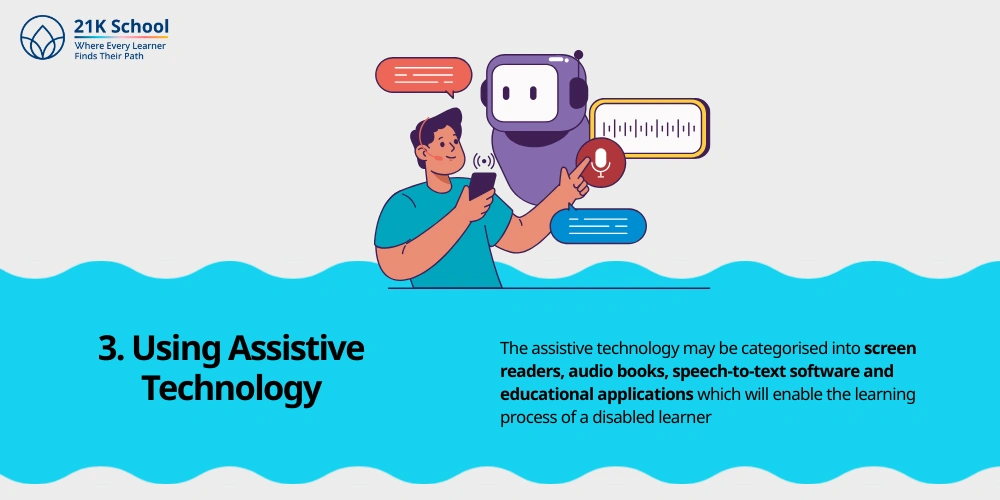
The assistive technology may be categorised into screen readers, audio books, speech-to-text software and educational applications which will enable the learning process of a disabled learner.
These tools are implemented by teachers to enhance access, understanding and involvement. Assistive technology assists the learners to surmount the physical, sensory or cognitive disability and contribute more to the learning process.
4. Group Projects
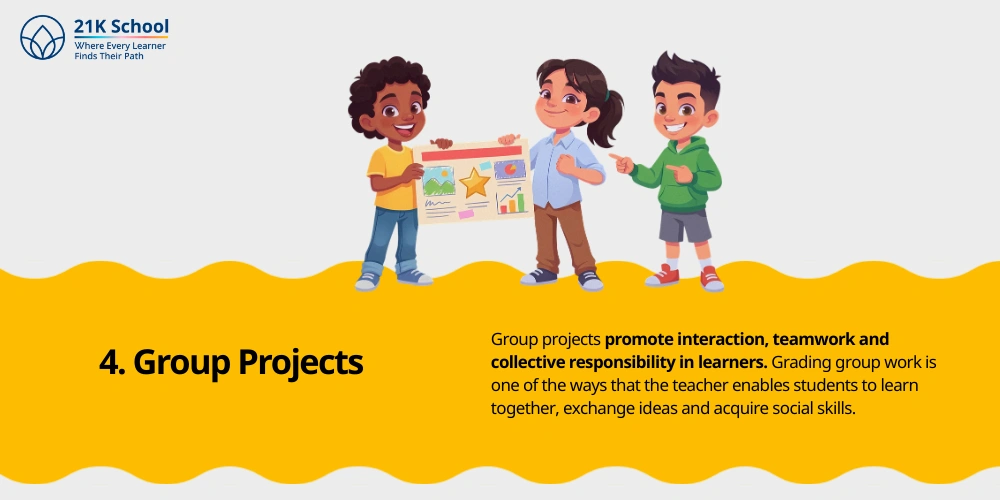
Group projects promote interaction, teamwork and collective responsibility in learners. Grading group work is one of the ways that the teacher enables students to learn together, exchange ideas and acquire social skills.
Group work eliminates the pressure associated with individual work, enhances their engagement and enables the learners to develop confidence as various learning strengths and weaknesses are developed.
5. Peer Learning
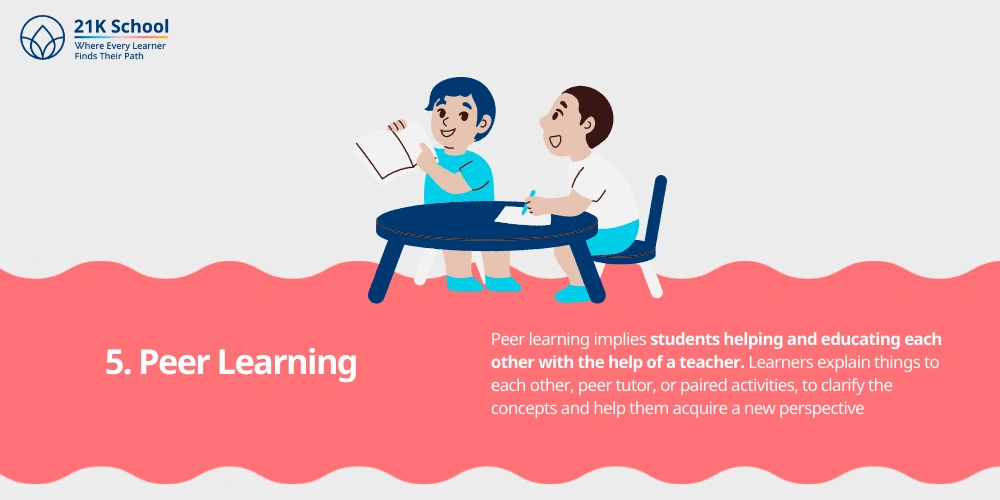
Peer learning implies students helping and educating each other with the help of a teacher. Learners explain things to each other, peer tutor, or paired activities, to clarify the concepts and help them acquire a new perspective.
This style fosters trust, enhances knowledge and creates a conducive learning atmosphere where students will not hesitate to ask questions and learn together.
Conclusion
The learning obstacles affect the ability of the students to learn, interact, and realise learning outcomes. These obstacles may be psychological, cognitive, environmental, social or physical and may influence the learners in different ways.
Learning barriers should be identified and solved to develop inclusive and accommodating educational settings.
Through good planning, positive outlook, and proactive support by teachers, families, and institutions, the learners will be able to overcome obstacles, gain confidence, and deliver valuable learning results.

You may also want to read
CBSE Passing Marks Out of 100: Theory, Practicals & Grading
- Last updated on: 18 Mar, 2026
- 7 min read