
School Trips and Educational Tours at 21K School
Day trips, five-day journeys in India, and international learning journeys
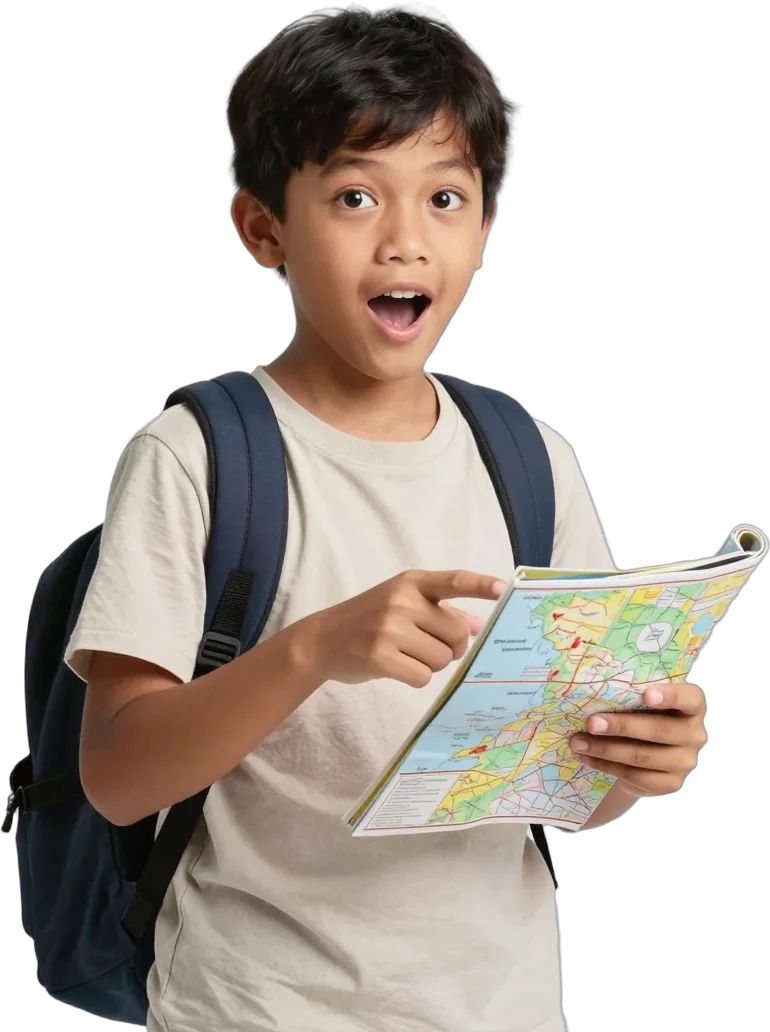



Yes, 21K School learners meet in person. Throughout the year, selected day trips, domestic expeditions and international learning journeys bring learners together to explore places, build friendships and learn through experience. In the 2025–26 academic year alone, over 1,200 learners participated in 18 supervised excursions across India and abroad.
Online school gives families flexibility. Real-world experiences add something equally valuable: the confidence to enter a new setting, communicate with others, take responsibility and discover what a child can do beyond familiar surroundings. At 21K School, travel is not treated as a break from learning, it is another way to learn.
Why trips matter for our online learners
Places make learning tangible, and classmates become real-world friends
A learner may study history in a lesson, but standing inside a centuries-old monument gives that history scale and meaning. A child may understand an ecosystem through books and discussion, but observing nature first-hand can turn knowledge into curiosity and care.
Trips create natural opportunities to practise independence, communication, teamwork, leadership, adaptability and resilience. Learners navigate unfamiliar environments, listen to different perspectives, make decisions within clear boundaries and share responsibility for the group. Most importantly, they meet classmates as people, not only as faces in an online classroom.
These experiences complement live classes, projects and the curriculum. They do not replace them. Their purpose is to help learners connect knowledge with places, people and situations that make learning memorable.
Where 21K learners have travelled
Real-world learning across heritage sites, nature reserves, and global cities-Rishikesh, Jaipur, Udaipur, Dubai and more!
| Destination | Month / Year | Eligible Grades | Key Learning Focus |
|---|---|---|---|
| Rishikesh & Jim Corbett | October 2025 | Grades 4–12 | Environmental science, ecology, and outdoor resilience. |
| Jaipur & Udaipur | December 2025 | Grades 4–12 | Architectural history, heritage preservation, and civic culture. |
| Chennai & Puducherry | February 2026 | Grades 4–12 | Marine biology, coastal geography, and regional heritage. |
| Dubai, UAE | November 2025 | Grades 6–12 | Global enterprise, urban innovation, and cultural diversity. |
| USA Experience (NASA) | May 2025 | Grades 8–12 | Space science exploration at the Kennedy Space Center Visitor Complex. |
- Destination
- Rishikesh & Jim Corbett
- Month / Year
- October 2025
- Eligible Grades
- Grades 4–12
- Key Learning Focus
- Environmental science, ecology, and outdoor resilience.
- Destination
- Jaipur & Udaipur
- Month / Year
- December 2025
- Eligible Grades
- Grades 4–12
- Key Learning Focus
- Architectural history, heritage preservation, and civic culture.
- Destination
- Chennai & Puducherry
- Month / Year
- February 2026
- Eligible Grades
- Grades 4–12
- Key Learning Focus
- Marine biology, coastal geography, and regional heritage.
- Destination
- Dubai, UAE
- Month / Year
- November 2025
- Eligible Grades
- Grades 6–12
- Key Learning Focus
- Global enterprise, urban innovation, and cultural diversity.
- Destination
- USA Experience (NASA)
- Month / Year
- May 2025
- Eligible Grades
- Grades 8–12
- Key Learning Focus
- Space science exploration at the Kennedy Space Center Visitor Complex.
Each destination is selected for the learning, cultural or developmental opportunity it can offer. A heritage city can bring history and civic life into focus. A nature destination can develop environmental awareness and outdoor confidence. A global city can help learners explore innovation, enterprise and cultural diversity.
During the Jaipur expedition, Grade 7 learners conducted hands-on surveys at Jantar Mantar, calculating solar time using historical stone instruments.
The annual calendar changes. Destinations, age eligibility, duration and capacity are confirmed separately for each experience so families can make decisions using current information.
Photos from our learning journeys
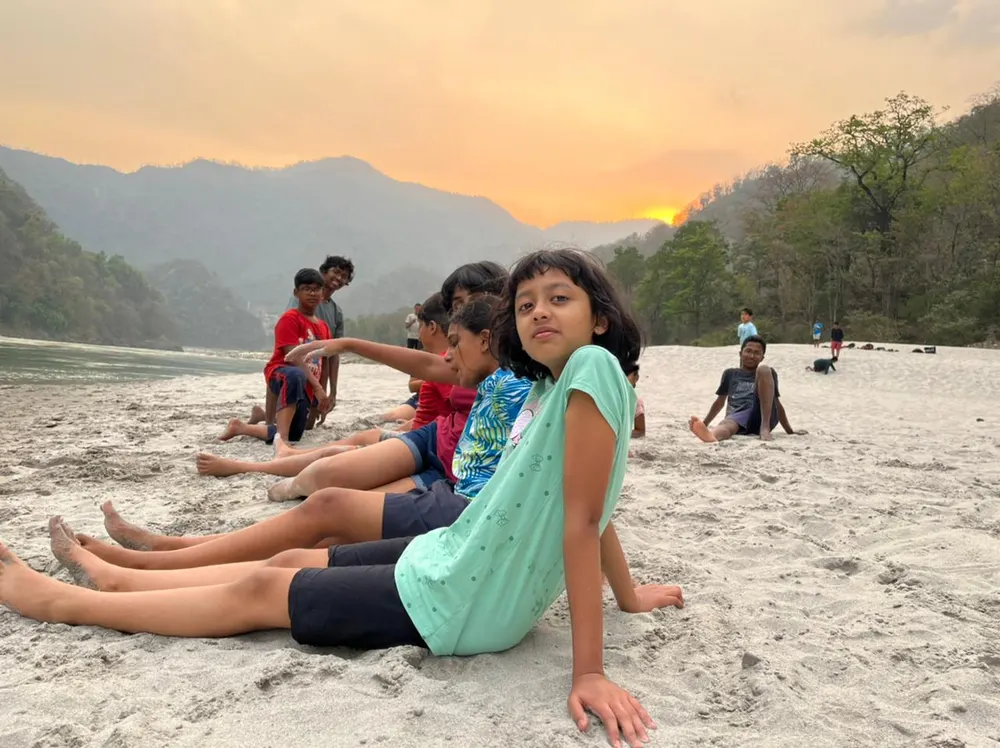
Rishikesh
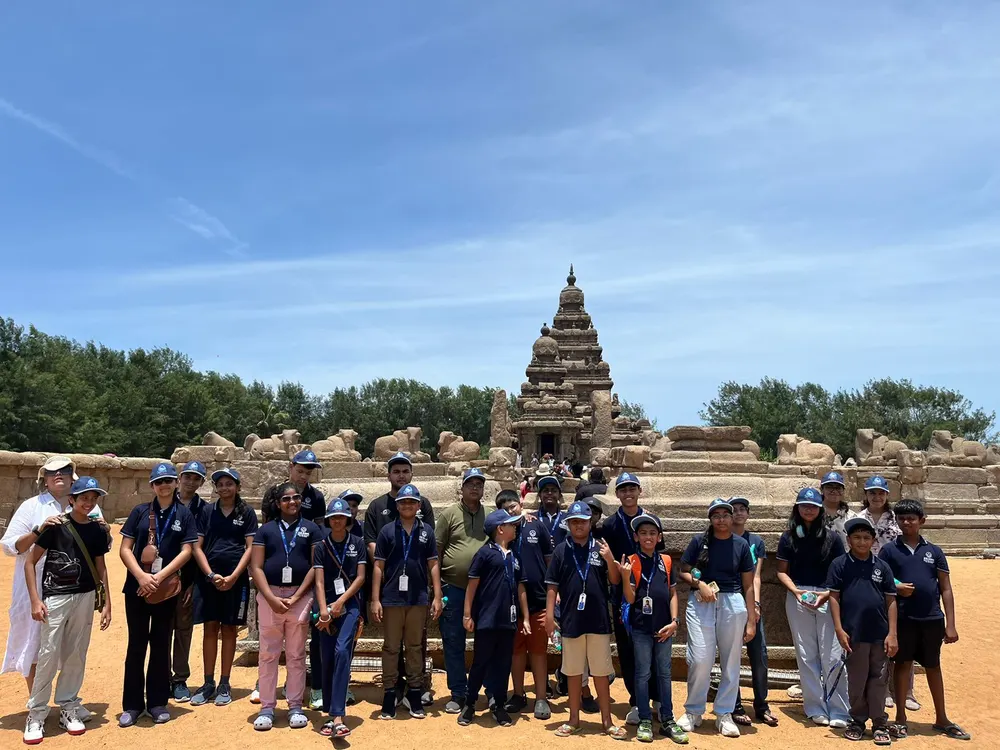
Mahabalipuram and the coast
Dubai
Day trips: Open from pre-primary to Grade 12
One-day educational visits in selected cities
Day trips take place in selected major hubs, including Bengaluru, Mumbai, Delhi NCR, Hyderabad, Chennai, and Kolkata. They are open to learners from Nursery to Grade 12 who reside in the host city or can arrange safe local transportation.
A day trip may include an educational visit, nature exploration, creative workshop, team challenge, cultural experience, recreational activity or a combination of these. Museums, science spaces, parks, heritage sites and community organisations can help learners connect classroom ideas with the world around them.
For younger children, the experience can build comfort away from the usual home routine, social confidence and the joy of discovering something with friends. Older learners have opportunities to collaborate, communicate, lead and take greater responsibility.
Meeting classmates in person
For many learners, a day trip is the first time they meet classmates they already know from live lessons, assemblies or projects. That familiarity often makes the transition easier. Shared games, conversations and challenges help online relationships become tangible friendships and give learners new memories to carry back into class.
Our domestic learning journeys
Five-day, four-night curated journeys for Grades 4 to 12
For learners in Grades 4 to 12, 21K School plans curated domestic journeys that typically span five days and four nights. The programme may include two such opportunities during an academic year, subject to the confirmed calendar, permissions, destination conditions and sufficient participation.
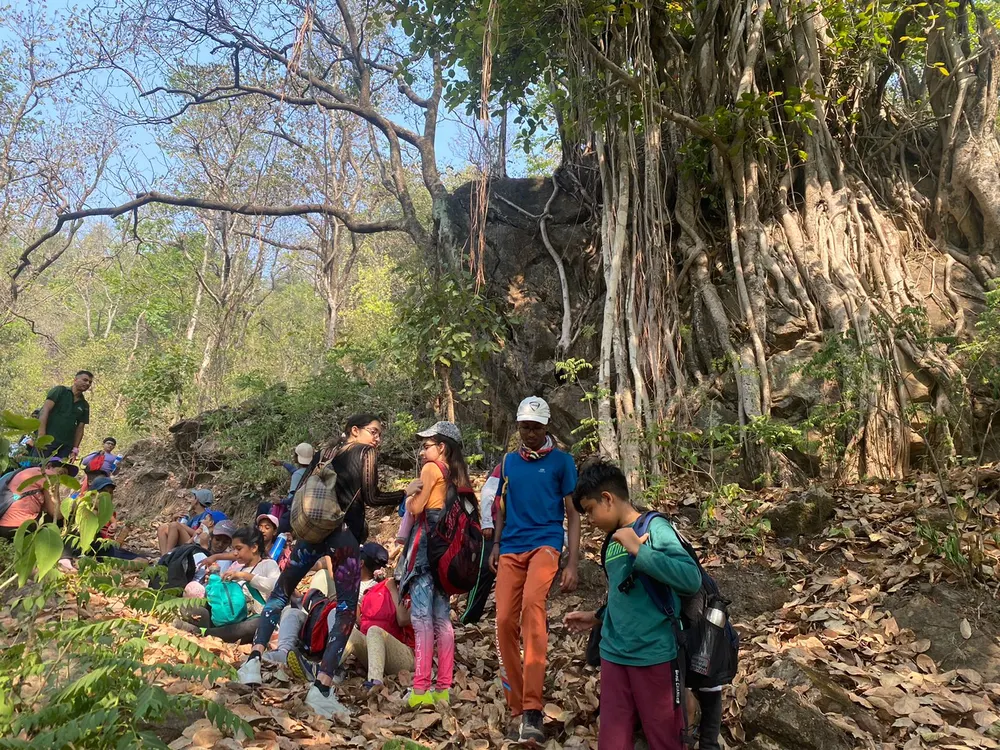
These journeys combine educational visits, adventure or outdoor activities, cultural exposure, teamwork, reflection and age-appropriate personal responsibility. Travelling through India helps learners encounter the country’s history, geography, languages, communities, enterprise and extraordinary diversity directly.
A multi-day journey also creates a different kind of growth. Learners manage routines, belongings, time and group expectations with support from the school team. They learn when to ask for help, how to contribute to the group and how to adapt when plans or surroundings are unfamiliar.
Our international learning journeys
Seven to ten days abroad exploring global learning environments
Selected international educational journeys may be offered to learners in Grades 4 to 12. These experiences typically run for seven to ten days and are designed around global learning, cultural exploration and personal development.
International travel can expand a learner’s sense of possibility. It allows children to encounter different customs, communities, public spaces, institutions and ways of life. The purpose is not simply to visit another country but to help learners observe carefully, communicate respectfully and become more confident in a connected world.
Eligibility, documentation, costs, itinerary and supervision arrangements are specific to each journey. Families receive the complete programme before choosing to participate.
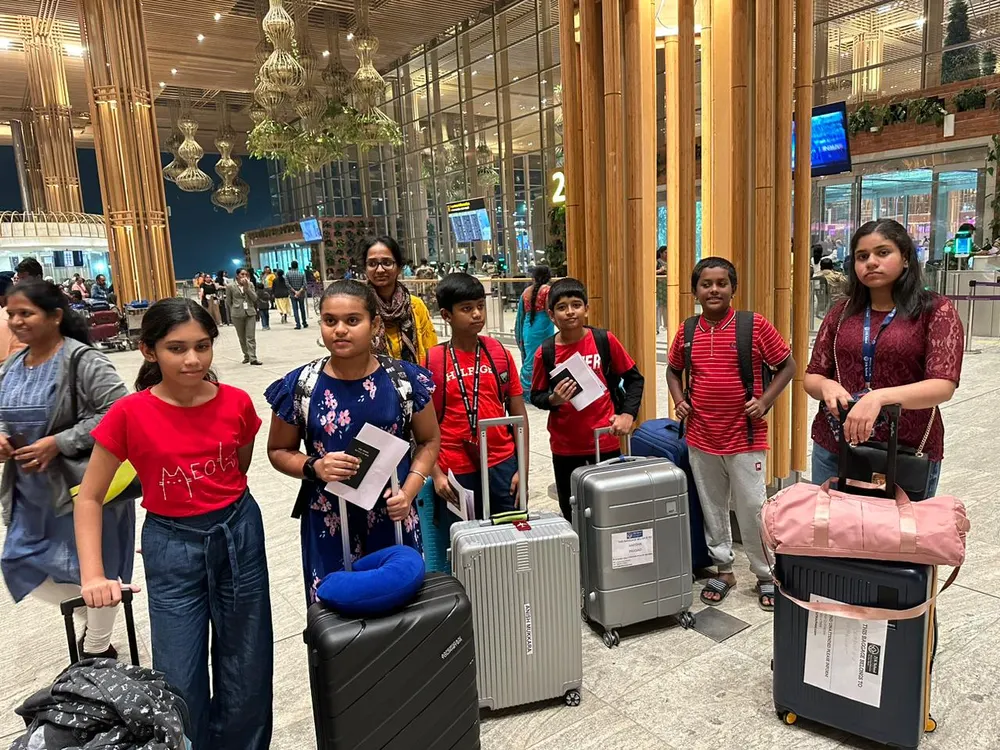
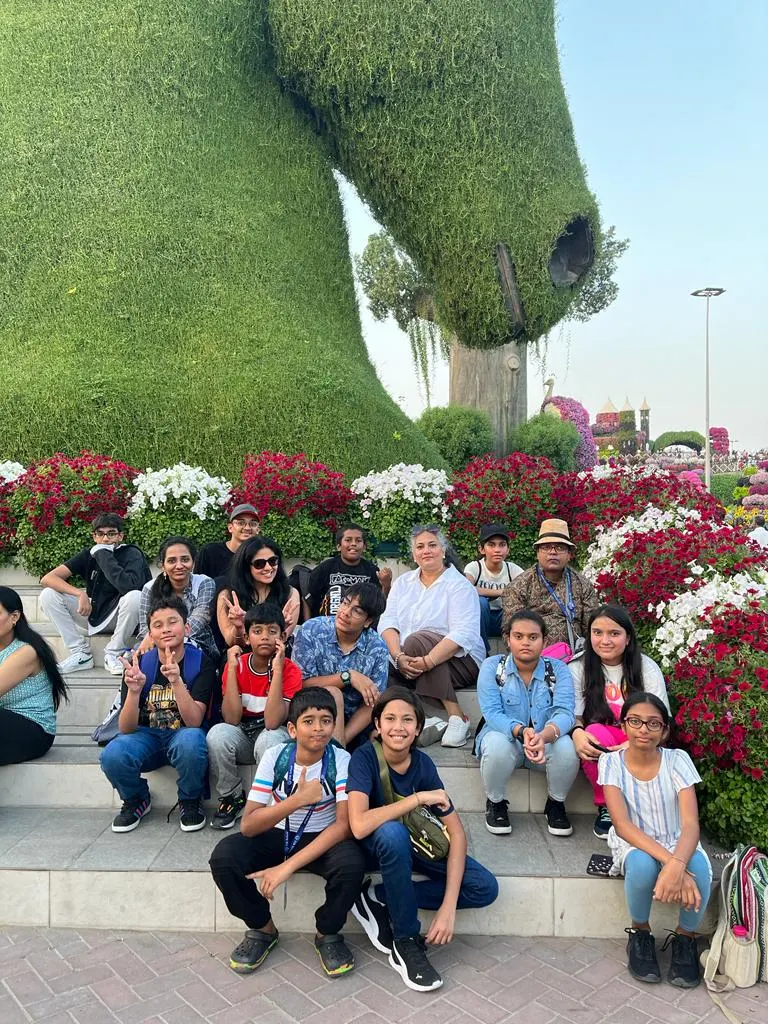
Cultural preparation is part of our journey
Orientation before travel, reflection afterwards
Meaningful cultural exposure requires more than sightseeing. Before a domestic or international journey, learners are oriented to the destination’s history, customs, social practices and appropriate conduct. Depending on the programme, preparation may also introduce local language, food, attire, places of significance and cultural etiquette.
Learners are encouraged to approach communities with curiosity and respect. Guidance covers behaviour at heritage sites, places of worship, community spaces and other culturally significant locations. Interactions with guides, experts, educators or local communities can add context that a visitor may otherwise miss.
Reflection after the experience helps learners connect what they observed with wider historical, environmental, social or cultural questions. This preparation-and-reflection cycle is what helps turn a tour into a learning journey.
What your child brings home from our trip
Core learner attributes strengthened through travel.
Confidence and Independence
Taking age-appropriate self-care responsibility in new environments.
Collaborative Global Citizenship
Experiencing new communities without reducing culture to stereotypes.
Effective Communication
Meeting new peers, participating in group challenges, and building friendships.
Resilient Thinking
Responding constructively when schedules or weather require flexibility.
Practical Curiosity
Connecting academic subjects directly with real physical places.
How we keep our every trip safe
Planning, strict supervision ratios, and real-time updates
We understand that allowing a child to travel with the school is a significant decision. Every confirmed journey therefore has its own planning, consent and safety process appropriate to the destination, age group and activities.
Before registration, families receive information about the itinerary, travel and accommodation arrangements, participation requirements, costs, documentation, health information, conduct expectations and emergency procedures. Transport, accommodation and activity partners are selected against the requirements of the particular programme. Excursions maintain a strict supervision ratio of 1 adult coordinator for every 8 learners
Trips are led by designated coordinators and accompanying adults responsible for learner supervision and support. Learners receive guidance on group protocols, responsible behaviour, cultural etiquette and what to do if they need help. Parents receive official communication and updates through the channels specified for that journey.
It is essential to note here that no generic website page can replace the confirmed trip communication. It remains the source of truth because plans may change due to permissions, weather, partner availability, safety considerations or local conditions.
Participation, consent, and accompaniment
Every trip is optional, with clear consent protocols
Every trip is optional. Eligibility depends on the learner’s grade, age, location, capacity, required documentation and the design of the experience. A parent or guardian must complete the applicable consent and information requirements before participation is confirmed.
Some experiences are designed for learners to participate with the school team without parents. Others may require or allow parent accompaniment, particularly for younger learners or exceptional circumstances. The arrangement is communicated clearly for each programme.
Learners joining from another city may be considered for selected experiences when arrival, departure, supervision and documentation arrangements can be managed safely.
Have safety questions about a trip? Talk to our team before you sign up.
What our trips cost
Priced separately from tuition fees with complete transparency
Trips and tours are optional and priced separately from school fees. Each announcement explains the applicable price, inclusions, exclusions, payment terms and any personal expenses families should plan for. Costs vary according to destination, duration, transport, accommodation, activities and group size.
Review the full trip details before you register. Places may be limited, and a trip may require a minimum level of participation to proceed.
What our trip changes in your child
Deeper confidence, real-world growth, and lasting friendships
The most valuable outcome is not a photograph from a new destination. It is the learner who returns more confident, responsible, curious or open to others. It is the shy child who begins a conversation, or the group that supports one another through a challenge. It can be the learner who discovers a strength outside the usual classroom setting.
Education is not only about what children know. It is also about who they become, and some of that growth happens when they step into the world together.
Questions parents ask about school trips
Are trips available to every learner?
Not every trip is available to every learner. Eligibility depends on age, grade, location, capacity, documentation and the specific programme. The confirmed communication explains who can participate.
Are trips included in school fees?
No. Trips and tours are optional and generally charged separately. The price, inclusions, exclusions and payment terms are shared before registration.
How far in advance are trips announced?
Local day trips are announced 3 to 4 weeks in advance. Domestic and international multi-day journeys are announced 2 to 4 months prior to travel to allow sufficient time for travel arrangements, document processing, and family budgeting.
Can my child join from another city?
Yes. Learners living outside the host city may join domestic or international journeys, provided the family manages travel to the designated starting hub (e.g., meeting the school group at Delhi or Mumbai airport) and satisfies all safety protocols.
Can parents or siblings join?
Selected journeys for younger learners allow or require parent accompaniment. Most multi-day expeditions for older grades are designed exclusively for students and school staff. Sibling participation depends on whether the sibling meets the age and eligibility criteria for that specific trip.
How are dietary, medical or accessibility needs handled?
Families are asked to disclose relevant needs during registration. The trip team reviews the information against the destination, activities, travel arrangements and available support. Participation can be confirmed only where the learner’s needs can be managed responsibly.
How is safety managed?
Safety planning is specific to the trip and may cover supervision, transport and accommodation, health information, emergency contacts, activity protocols, learner conduct and parent communication. Complete requirements are shared before consent and payment.
What happens if plans change or a trip is cancelled?
Trips may change because of weather, permissions, partner availability, safety considerations, insufficient participation or other circumstances. The applicable communication and payment terms explain how changes or cancellations will be handled.
Do trips replace regular classes?
No. Trips complement the academic program. When a trip overlaps with scheduled live classes, participating learners receive excused absences and access recorded sessions and learning materials on the portal.