


Do you also think that the student-teacher ratio is the same as the class size? Because if that’s true then you are wrong.
Student-teacher ratio is the number of students that are taught under the same teacher.
But, as simple as it sounds, student-teacher ratio is a really important aspect to depict the educational development
of a nation.
The more you will learn about student-teacher ratio, the more you will understand the benefits, challenges, and strategies in implementing it.
This article will take you through everything that you would need to know about student-teacher ratio and some data that are necessary to be known.
Table of Contents
- What is Student-Teacher Ratio?
- Formula for Student-Teacher Ratio
- 5 Importance of Student-Teacher Ratio
- Student-Teacher Ratio at Different Levels of Education
- Global Perspective on Student-Teacher Ratio
- 5 Common Factors Affecting Student-Teacher Ratio
- 4 Impact of High Student-Teacher Ratio
- 4 Best Benefits of Low Student-Teacher Ratio
- Limitations of Student-Teacher Ratio as an Indicator
- 5 Top Strategies to Improve Student-Teacher Ratio
- Relationship between Student-Teacher Ratio and Educational Quality
- Role of Policy and Planning in Maintaining Student-Teacher Ratio
- Conclusion
What is Student-Teacher Ratio?
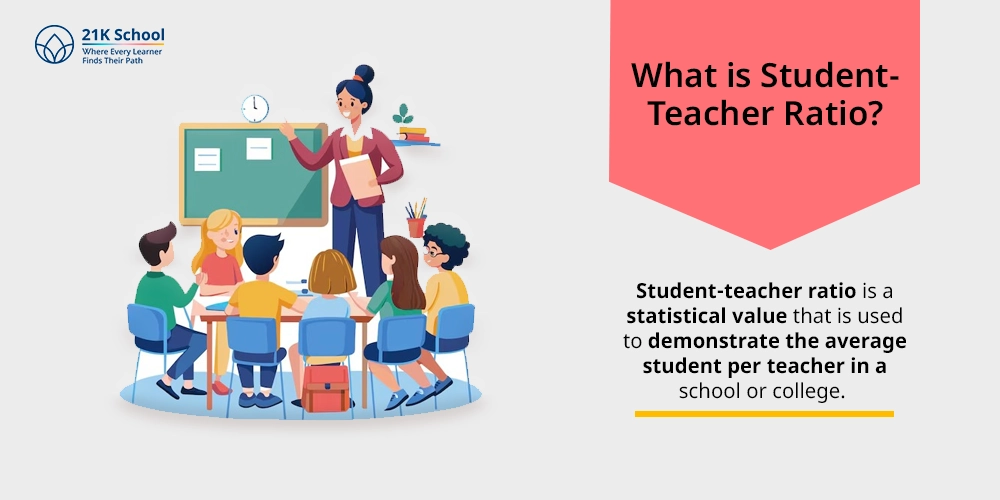
Student-teacher ratio is a statistical value that is used to demonstrate the average student per teacher in a school or college.
It is usually utilized as a measure to find the ability of an institution to deliver individualized instructions and quality learning .
To state simply, the student-teacher ratio illustrates the average number of students taught by a teacher.
For example, if a teacher-to-student ratio is 30:1, it implies that a teacher has thirty students.
This does not always indicate the actual size of the class, since teachers might have various other tasks like administration or back-to-back classes.
It gives a general idea on the number of academic staff in comparison with student enrollment.
Governments and other educational organizations tend to use the student-teacher ratio to:
- Evaluate the sufficiency of teaching personnel.
- Teachers training and their recruitments.
- Compare education systems of different areas or nations like the American vs Indian education system .
- Follow up on educational objectives.
A reduced student-teacher ratio is most often regarded as good, implying reduced class size and more chances of individualized attention.
Still, the preferred ratio can change based on the factors like students age, courses, as well as accessibility of learning materials.
Formula for Student-Teacher Ratio
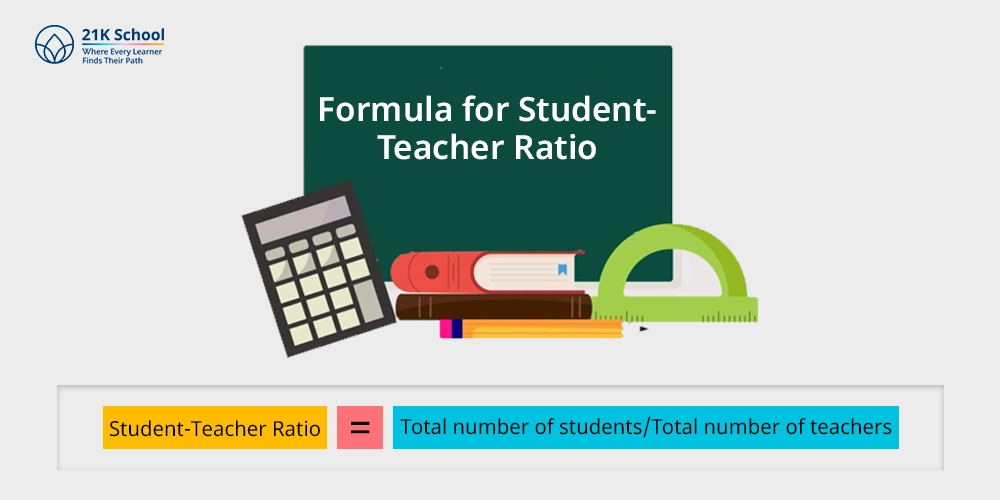
Student-teacher ratio can be determined by using a simple mathematical equation:
Student-Teacher Ratio = Total number of students/Total number of teachers
Total Number of Students: Typically the total number of students enrolled at a given time within a school or a given educational system.
Total Number of Teachers: It is a sum of all the full-time teachers working in the institution.
If a school has 600 students and 30 teachers, subsequently the student-teacher ratio would be:
600/30 = 20
This implies that the student-teacher ratio is 20:1 meaning that there are twenty students to a teacher.
Although the formula is simple, understanding of the ratio should be done carefully.
When the ratio is low, it does not necessarily reflect quality education and when it is high it does not necessarily imply poor performance.
The ratio is an effective measure of educational status and its development.
5 Importance of Student-Teacher Ratio
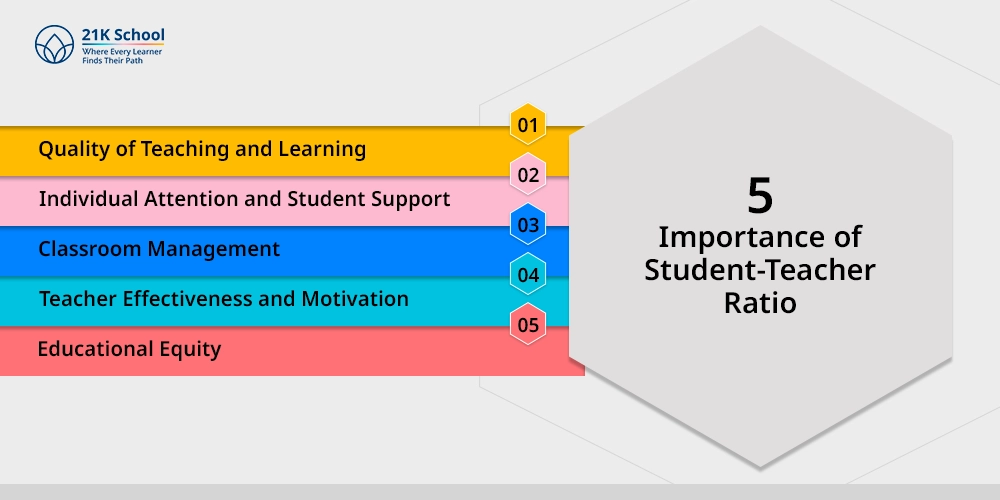
Student-teacher ratio has the following importance:
1. Quality of Teaching and Learning
The quality of teaching and learning in schools is one of the greatest measurements from student-teacher ratio.
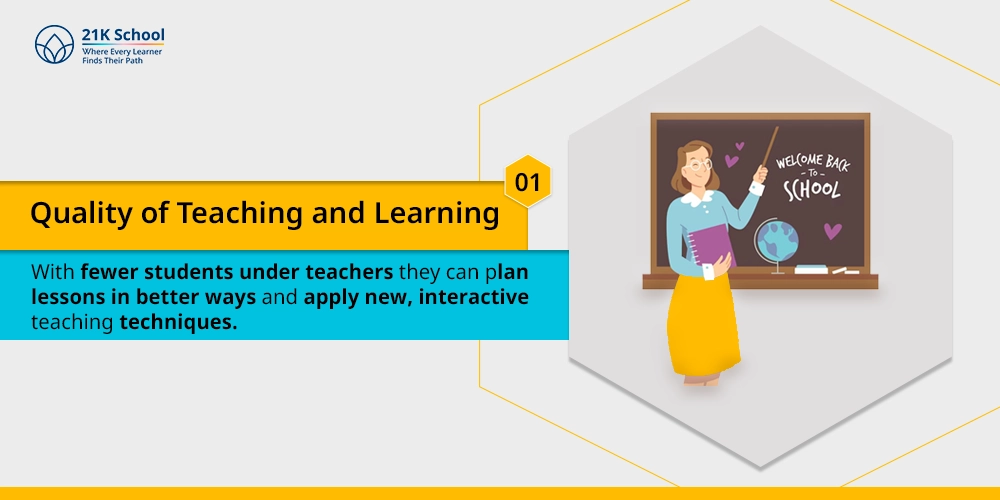
With fewer students under teachers they can plan lessons in better ways and apply new, interactive teaching techniques.
Differentiated instructions can also be formulated to be in line with different learning styles .
Smaller ratios will enable teachers to involve students in discussions, group work, and problem-solving activities , instead of just relying on lectures.
The result would be higher levels of comprehension, retention of knowledge as well as better critical thinking ability.
When the student-teacher ratio is small, students get a better understanding of lessons that are covered by the teachers from the syllabus .
2. Individual Attention and Student Support
Each student has different strengths, weaknesses, interests, and learning needs.
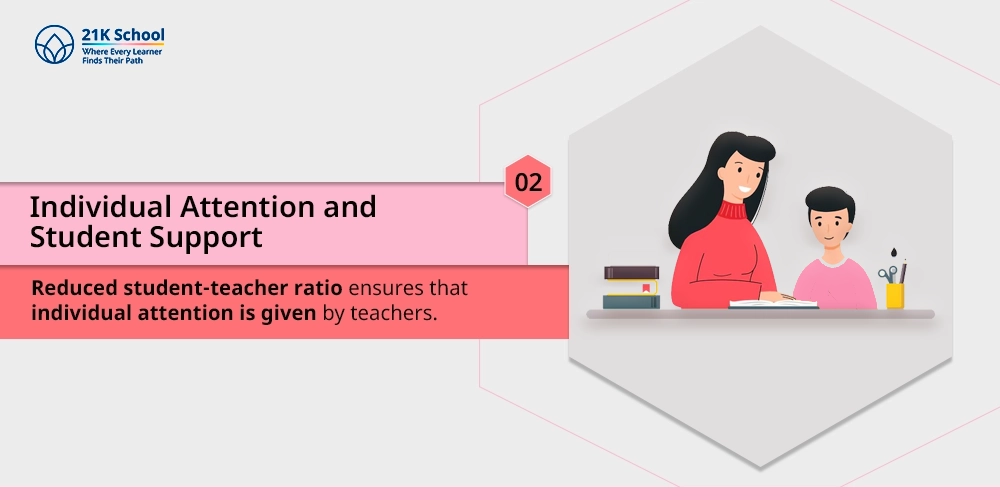
Reduced student-teacher ratio ensures that individual attention is given by teachers.
This would be particularly important for academically weak students or students who have learning disabilities .
With a smaller number of students in the class, teachers are able to detect the learning gaps , and offer feedback and guidance on time.
This individualized attention makes the students feel confident and lets them have a positive attitude towards studying.
When the student-teacher ratio is large, then the attention given to the students is low.
Socially awkward students and slow learners remain unnoticed which might result in learning differences and demotivation.
3. Classroom Management
Student-teacher ratio is important to establish a learning environment that is safe and productive through effective classroom management strategies .
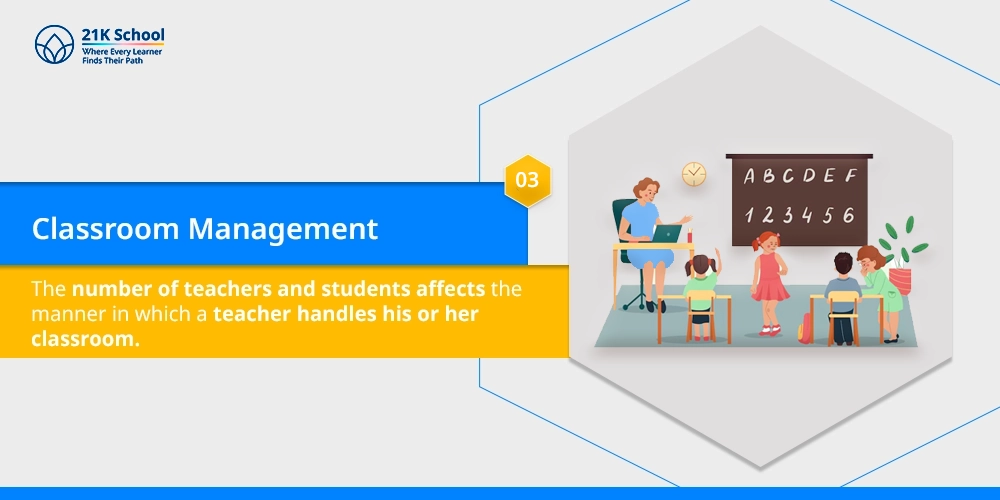
The number of teachers and students affects the manner in which a teacher handles his or her classroom.
By having fewer students, teachers can pay more attention to the behavior of students and address their disciplinary problems at the right time.
They can also enforce a good and well-organized classroom decorum when they have fewer students to attend.
Smaller classes can have lesser distractions and help teachers to concentrate more on educating students and not handling them.
This forms a peaceful atmosphere where students are respected and active. Classrooms with too many students may be hard to deal with.
This has adverse impacts on the effectiveness of teaching and learning by students.
4. Teacher Effectiveness and Motivation

The student-teacher ratio also has an impact on the workload of teachers, job satisfaction, and motivation.
Teachers prefer to teach a manageable number of students, where they are in charge of a set of students.
This can lead to reduced stress and burnout, greater job satisfaction, and increased career advancement.
Smaller classes allow the teachers to have more time to plan their classes, evaluate the work of students, and reflect on their teaching.
This increases their performance and teaching spirit.
On the contrary, the workload and emotional burnout tend to be experienced by the teachers with high student-teacher ratios.
This overtime may lower the motivation of teachers together with raising the rate of stress which worsens the situation.
5. Educational Equity
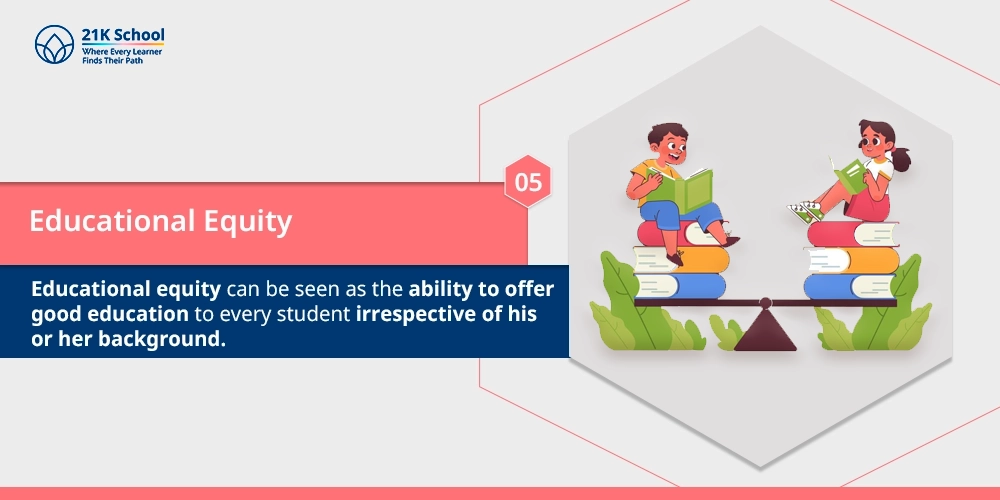
Educational equity can be seen as the ability to offer good education to every student irrespective of his or her background.
Student-teacher ratio is very important in fostering equity.
The schools which belong to the disadvantaged community have a bigger student-teacher ratio as a result of lack of resources and teachers in those schools.
This disadvantage demotivates students even more.
It is beneficial to maintain fair student-teacher ratios, so that there are reduced learning gaps, better mainstream education, and equity and equal opportunities.
When teaching support is adequate and all students receive it, educational systems can strive to achieve more fairness and inclusiveness.
Student-Teacher Ratio at Different Levels of Education
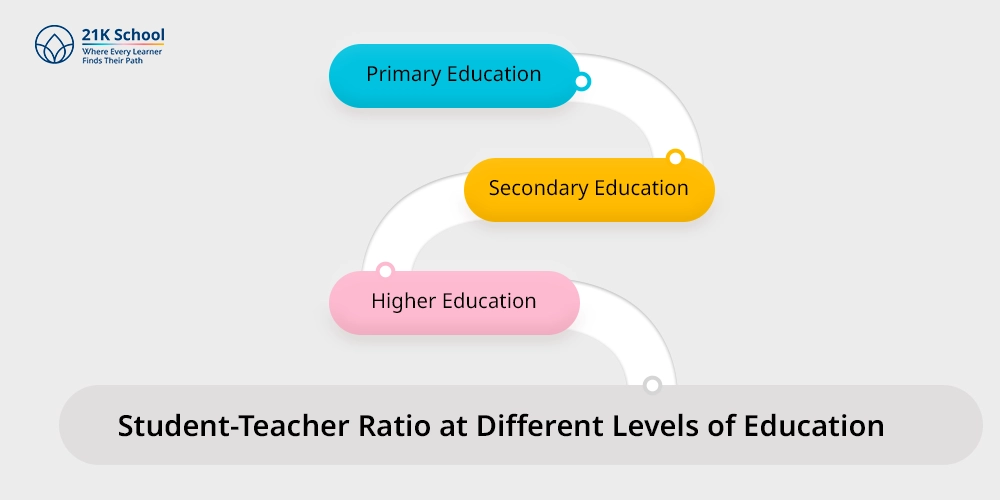
Student-teacher ratio is different at different levels of education in India which supports the various levels of growth needed at each stage.
1. Primary Education
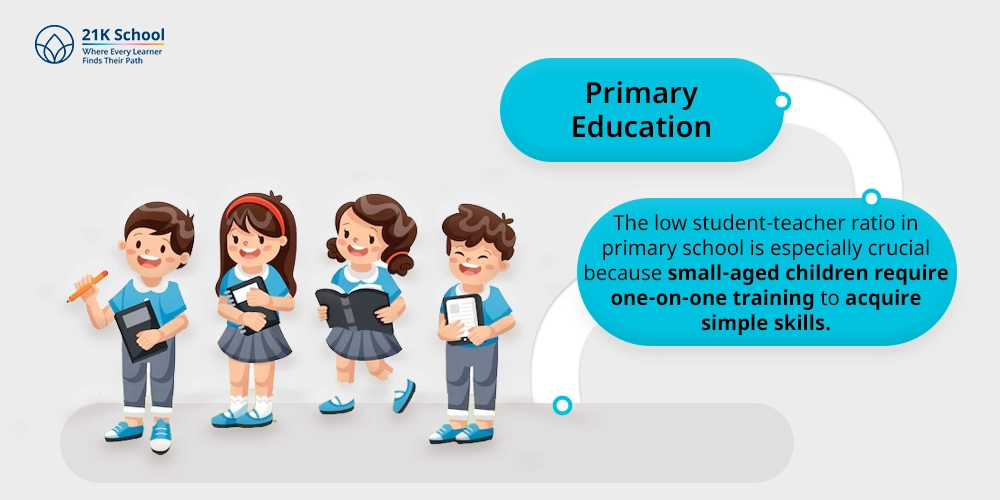
Primary education preconditions cognitive, social and emotional development of a child.
Students at this level need strict observation, advice and support.
The low student-teacher ratio in primary school is especially crucial because small-aged children require one-on-one training to acquire simple skills.
Educators need to record improvement in numeracy, writing, and reading, and also notice if there are any learning problems that require early intervention.
By limiting the number of pupils in primary schools, smaller classes are formed, which contribute to a protective atmosphere around the child.
These classrooms can provide the small children the feeling of security, assistance, and encouragement to study.
2. Secondary Education
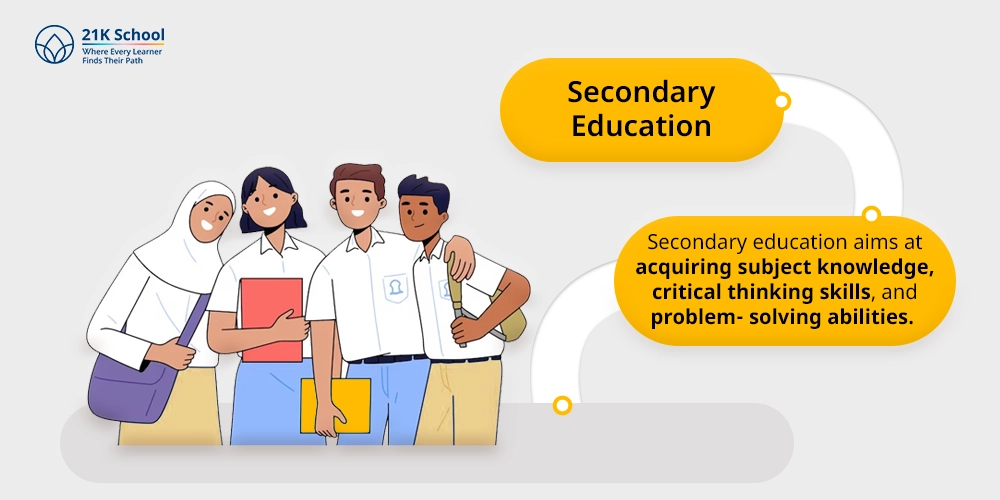
Secondary education aims at acquiring subject knowledge, critical thinking skills , and problem-solving abilities .
Students are more empowered and at the same time they receive the guidance of the teacher.
At the secondary level, the student-teacher ratios can be moderate in order to teach the subjects properly.
Academic counseling and career guidance can be given by teachers. At this stage, discussions and practical activities in the classroom are more meaningful.
Although it might be manageable with slightly higher ratios than with primary education, an excessive size of classes could still hinder interaction and decrease the quality of learning.
3. Higher Education
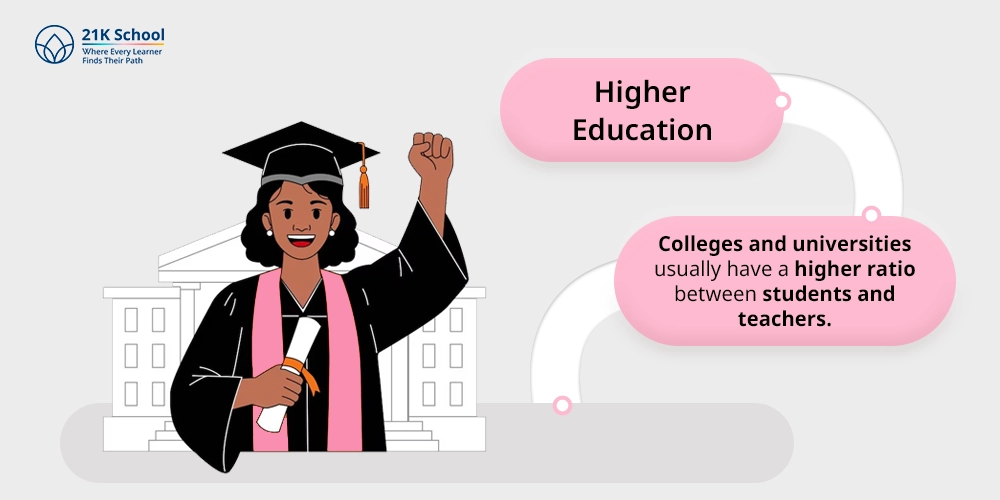
Colleges and universities usually have a higher ratio between students and teachers.
But, effects of the ratio vary across the field and instruction methods.
In higher education , a higher number of students are seated and taught by a few teachers while conducting seminars and research in the laboratories.
Mentoring and academic development require a face-to-face interaction between faculty and students.
With proper student-teacher ratio in higher learning institutions, research, innovation and student-achievement can be encouraged.
Global Perspective on Student-Teacher Ratio
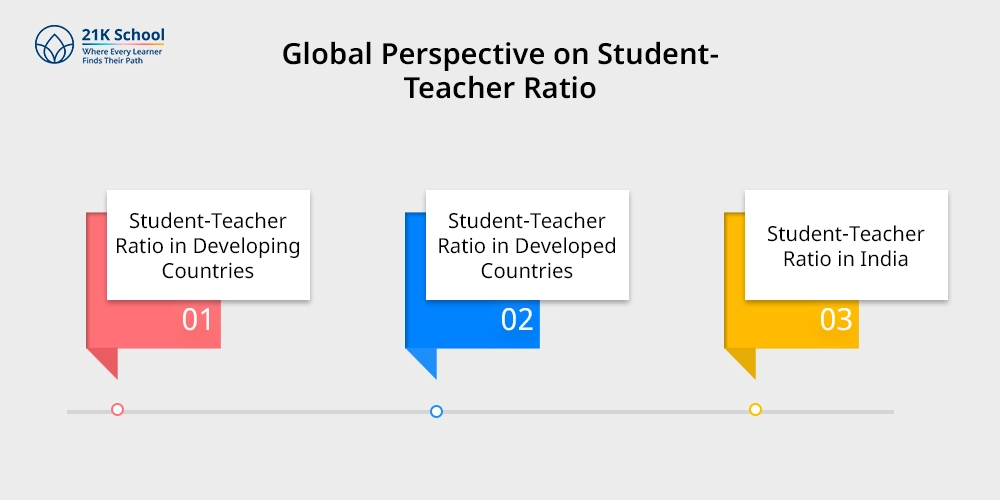
Now, let’s see how the student-teacher ratio actually looks globally.
1. Student-Teacher Ratio in Developing Countries
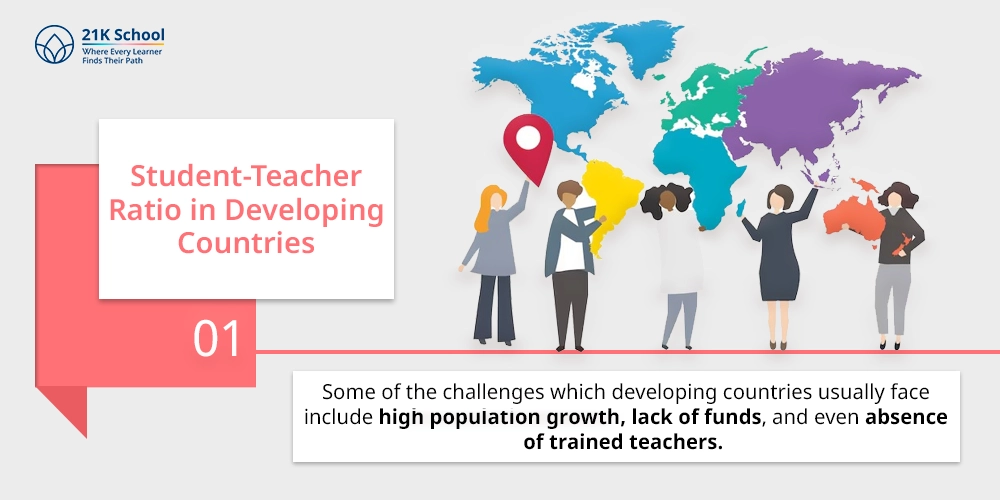
Some of the challenges which developing countries usually face include high population growth, lack of funds, and even absence of trained teachers.
This would result in increased student-teacher ratios, as in 2021 data indicates the average student-teacher ratio was 37:1 in primary and 20:1 in secondary for Sub-Saharan Africa.
Some typical features could be overcrowded classrooms, no personal attention given to students, and high teacher workloads.
These difficulties may have adverse impacts on the learning process and also lead to high dropout rates.
Governments and the global community are making efforts to handle these problems by recruiting more teachers, training them, and reforming education.
2. Student-Teacher Ratio in Developed Countries
In developed nations, the student- teacher ratios are usually lower as 14:1 to 16:1 in primary and secondary education.
This is majorly because of better funding, excellent education systems, and management of teachers.
Advantages would include smaller class sizes, increased application of student-centered learning
, and effective student support systems for students with special needs.
A reduced student-teacher ratio could lead to improved academic performance, teacher satisfaction, and fairer systems of education.
3. Student-Teacher Ratio in India
This needs to be improved to reach the goal of NEP 2020 of 30:1 student-teacher ratio.
With millions of students spread throughout different locations, the Indian educational system has one of the highest student-teacher ratios in the world.
In India, the student-teacher ratio ranges between urban and rural areas, government and private schools, or various state-level or national-level schools.
In spite of the policies like the Right to Educations (RTE) Act that have established standards regarding the student-to-teacher ratios at primary level, there are problems with implementation.
There are still teacher shortages, unequaled distribution, and infrastructure limitations, which play a role in poor classroom conditions.
You would be surprised but even today there are around 1 lakh single-teacher schools affecting nearly 3.37 million students and their education quality.
To address the problem of student-teacher ratio in India, it is necessary to have good teacher recruitment, placement, and investment into teacher education.
5 Common Factors Affecting Student-Teacher Ratio
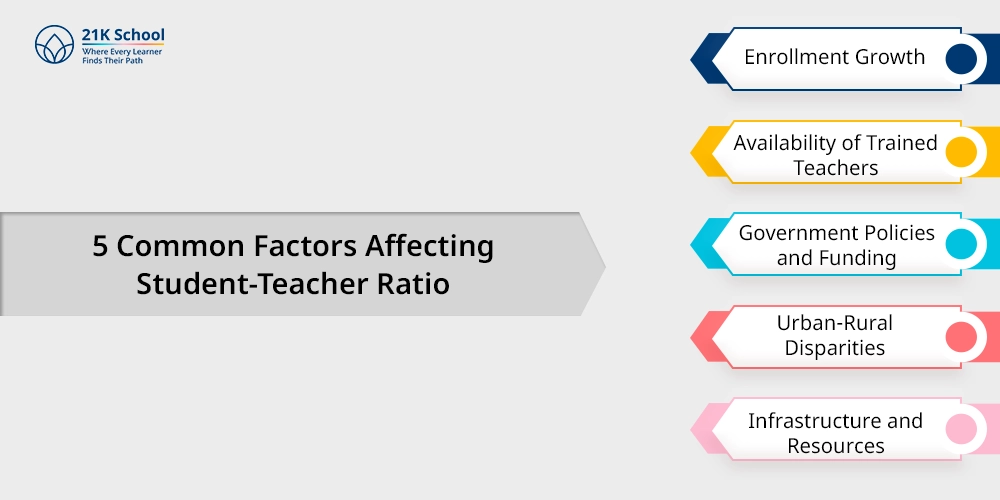
Student-teacher ratio can be impacted by the following 5 major factors including:
1. Enrollment Growth
Increase in student enrollment is one of the biggest influences of the student-teacher ratio.
As the student population grows at a high rate because of more numbers of students joining schools, the educational facilities may face challenges in providing sufficient teachers.
In case of failure in matching teacher recruitments with the enrollment, the classrooms get overcrowded, and the student-teacher ratio increases.
This can be observed in the fast developing parts of the world and cities, where schools experience abrupt growth in students.
2. Availability of Trained Teachers
The presence of good and trained teachers is very crucial in identifying the student-teacher ratio.
Even when the governments or institutions may be keen on employing additional teachers, the lack of availability of trained professionals may disrupt the process.
Low salary, absence of career growth, and strenuous working conditions may not keep people in the teaching profession.
This means that the number of students that current teachers have to deal with is higher, thereby raising the ratio.
3. Government Policies and Funding
Student-teacher ratios highly depend on government policies and funding priorities in the state-education systems.
Most of the policies establishing an ethical standard regarding the size of classes and hiring of teachers ensure that there are balanced ratios.
Governments can use adequate funding to hire more teachers, enhance teacher development.
Contrarily, low education funding or ineffective policy execution usually makes students-teacher ratio larger, especially in underfunded schools.
4. Urban-Rural Disparities
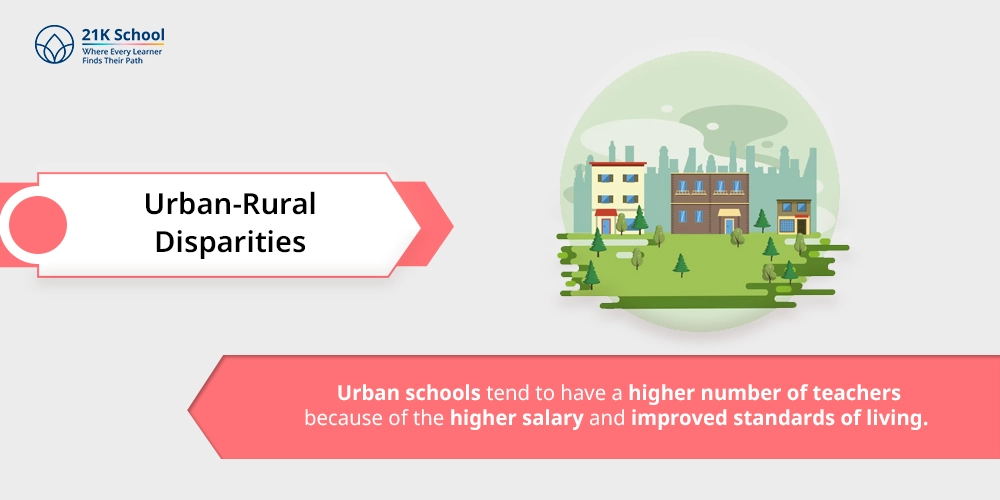
Urban-rural disparities produce a great impact on student-teacher ratios.
Urban schools tend to have a higher number of teachers because of the higher salary and improved standards of living.
However, regions with a large rural population often experience the problem of teacher shortage. As a result schools in urban areas can even have quite low ratios.
Overcrowded classes are a common occurrence in rural schools. These inequalities lead to unequal education access of the urban and rural students.
5. Infrastructure and Resources
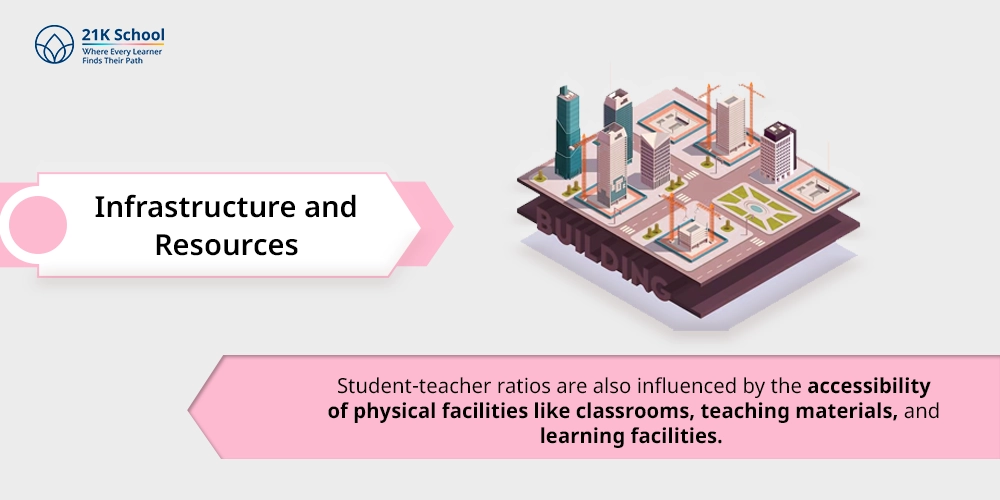
Student-teacher ratios are also influenced by the accessibility of physical facilities like classrooms, teaching materials, and learning facilities.
Smaller schools might not be able to divide students into smaller classes despite having the teachers.
Resource shortage compels institutions to merge classes or to increase the class size, therefore, increasing the student-teacher ratio.
So, better schools will be able to have smaller classes and offer a better education environment.
4 Impact of High Student-Teacher Ratio
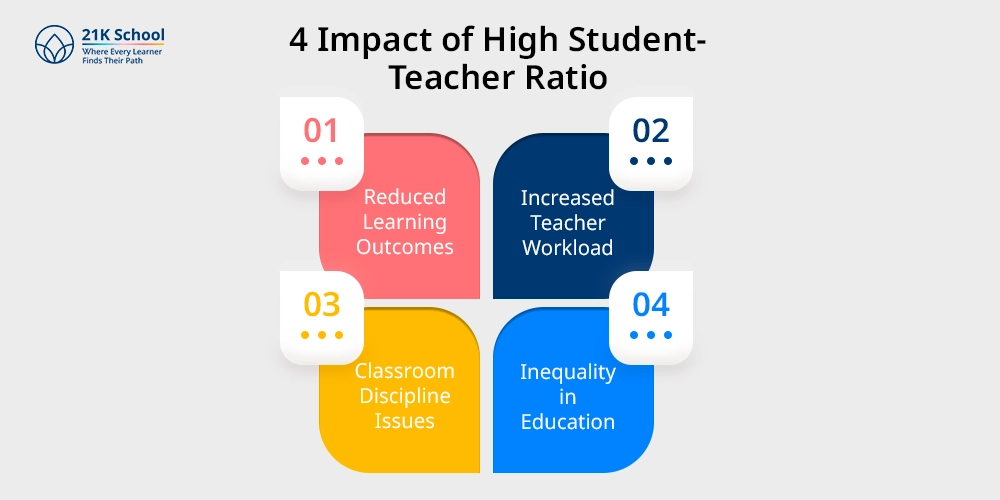
A high student-teacher ratio would impact the following:
1. Reduced Learning Outcomes
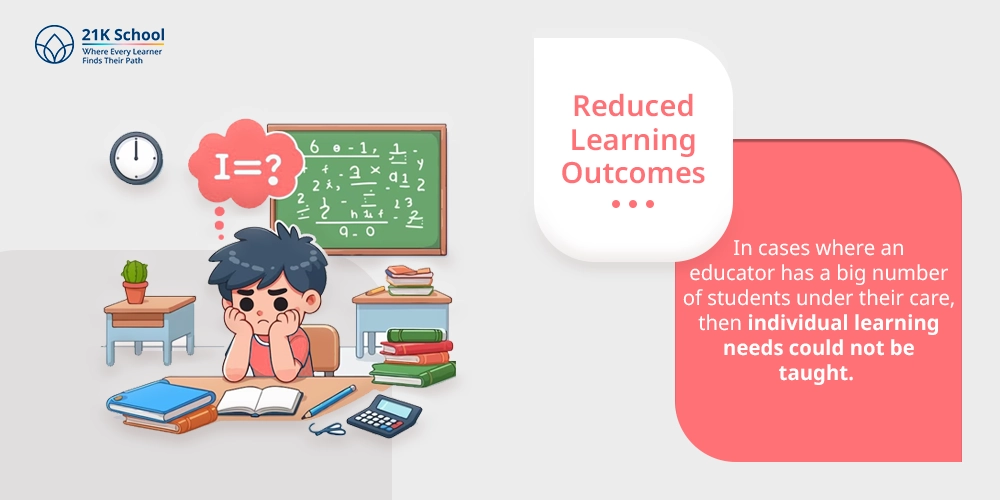
In cases where an educator has a big number of students under their care, then individual learning needs could not be taught.
There is also the tendency of lessons being teacher-centered, limited interaction, and feedback.
There is a risk that the students could not grasp concepts in a comprehensive way, which would result in lower academic performance and poor conceptual clarity.
This further reduces the interest in learning which negatively impacts learning outcomes in the long run.
2. Increased Teacher Workload

When the student-teacher ratios are high, the work of teachers is greatly burdened.
Educators have to deal with a bigger number of students and have more administrative duties.
This overwork may result in stress and burnout, less effective teaching, and lower job satisfaction.
When educators get exhausted, it adversely affects their teaching process.
3. Classroom Discipline Issues
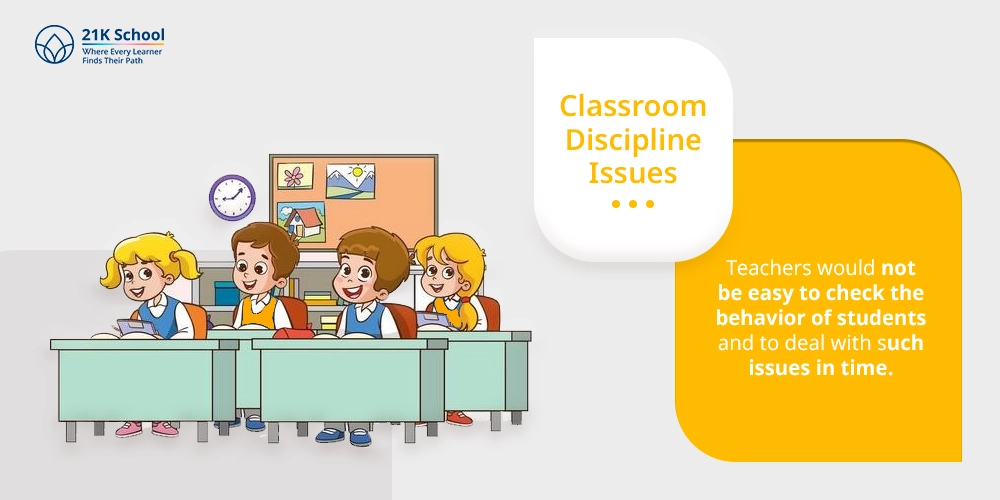
It can be difficult to uphold discipline in the classrooms which are overcrowded.
Teachers would not be easy to check the behavior of students and to deal with such issues in time.
As a result, there is an increase in classroom disruptions including less instructional time and ineffective educational atmosphere.
Indiscipline is not the only thing impacted by poor management of classes, student-engagement and motivation are also affected.
4. Inequality in Education
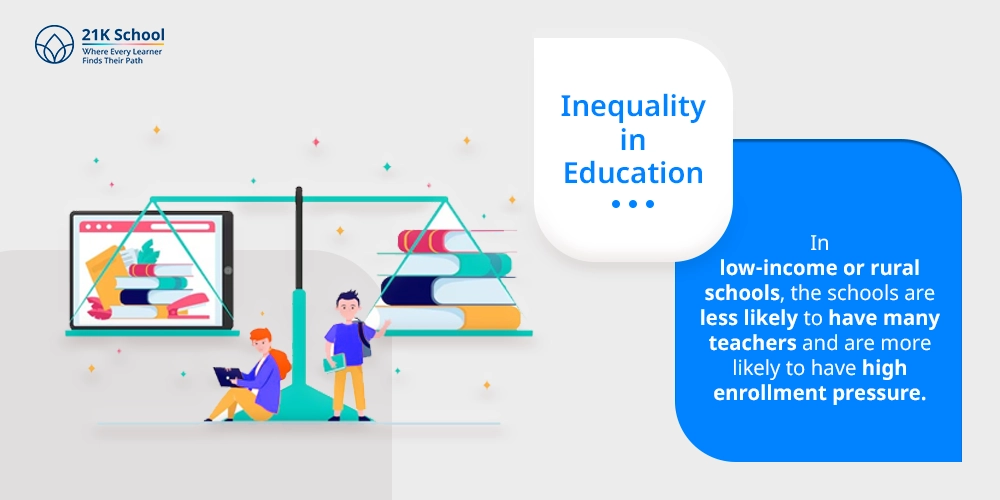
Students with disadvantaged backgrounds are usually affected due to high student-teacher ratios.
In low-income or rural schools, the schools are less likely to have many teachers and are more likely to have high enrollment pressure.
This causes disparities in obtaining good education and results in the increased difference between fortunate and disadvantaged students.
This contradicts the idea of educational equity.
4 Best Benefits of Low Student-Teacher Ratio
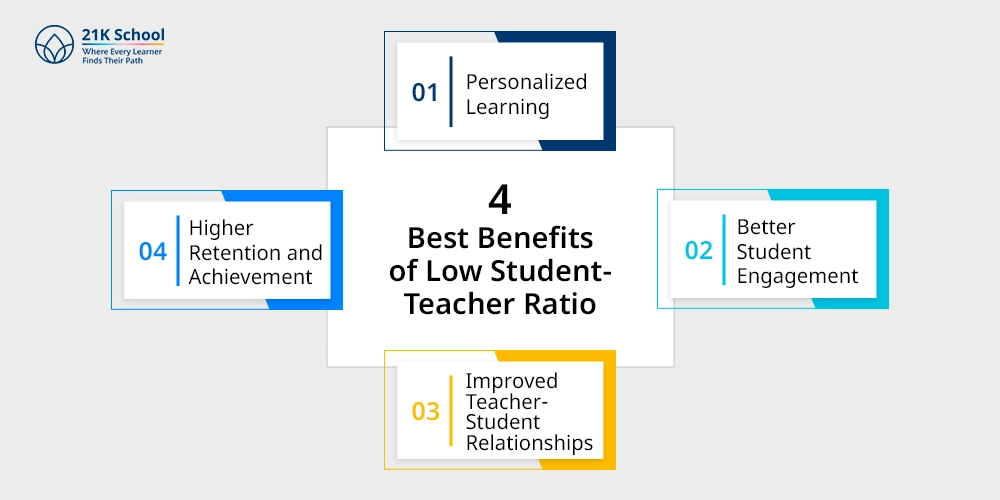
A low student-teacher ratio would deliver the following benefits:
1. Personalized Learning
A low-student-teacher ratio would help the teachers to customize the personalized learning requirements as there are fewer students in a classroom.
They are able to recognize their strengths and weaknesses at an early stage, and modify the teaching strategies.
Personalized learning makes the students build confidence and learn at their own pace, which leads to improved academic performance.
2. Better Student Engagement
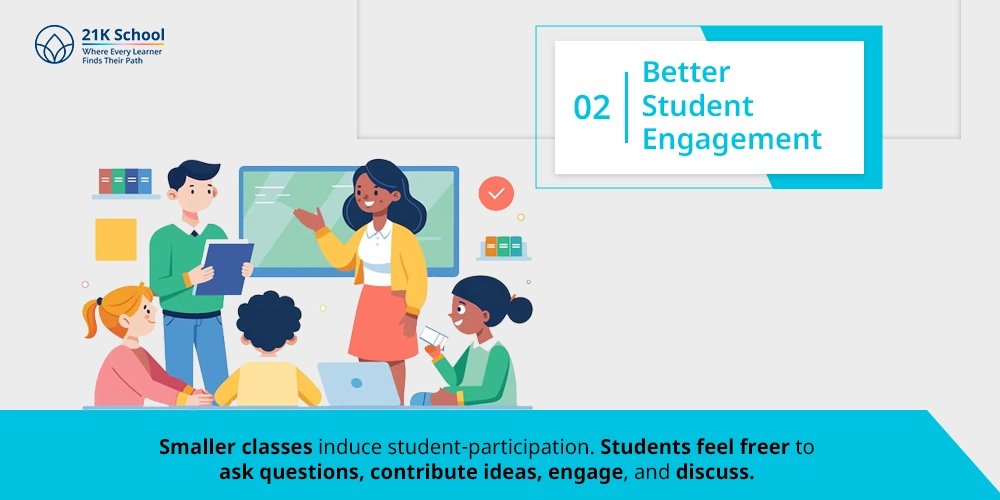
Smaller classes induce student-participation. Students feel freer to ask questions, contribute ideas, engage, and discuss.
Higher student engagement leads to improved understanding, better critical thinking capabilities, and more curiosity towards learning.
3. Improved Teacher-Student Relationships
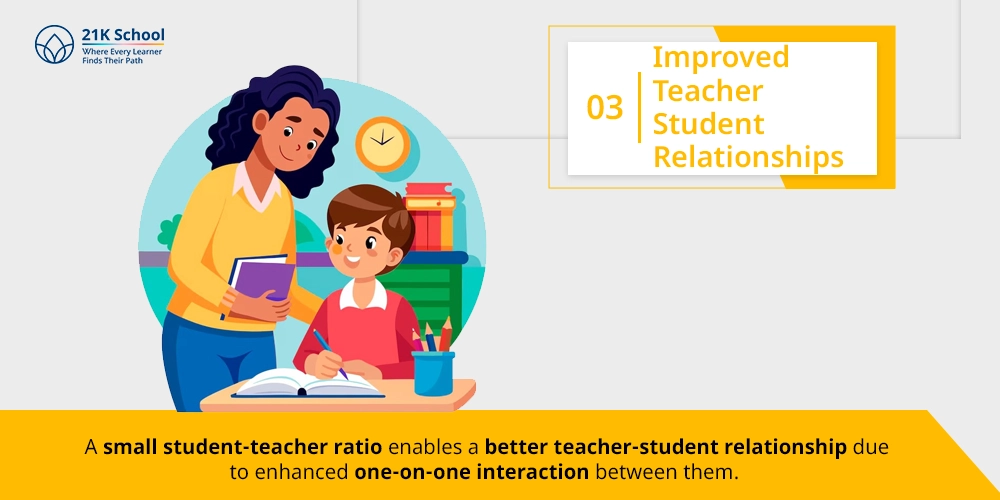
A small student-teacher ratio enables a better teacher-student relationship due to enhanced one-on-one interaction between them.
The teachers are able to grasp the academic and emotional needs of the students.
This leads to a favorable classroom atmosphere, greater trust, communication, improved student-discipline , and motivation.
4. Higher Retention and Achievement
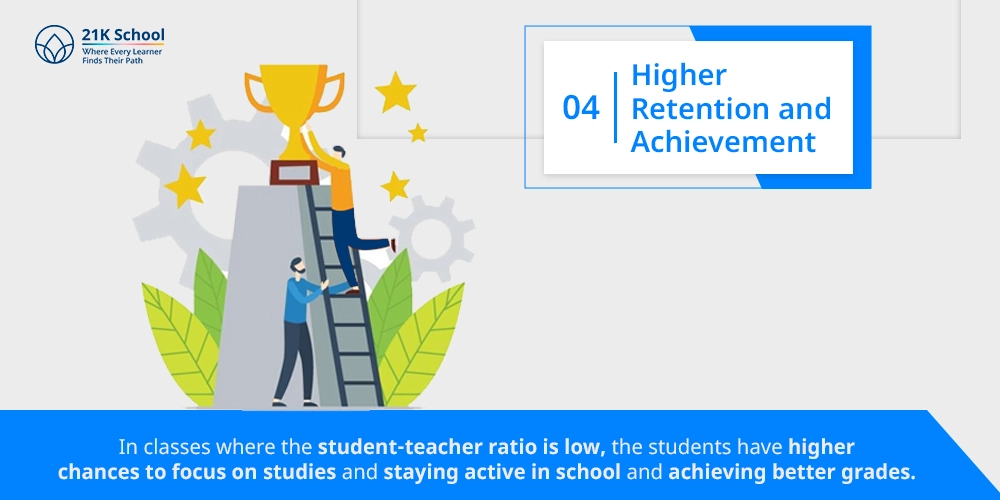
In classes where the student-teacher ratio is low, the students have higher chances to focus on studies and staying active in school and achieving better grades
Personal assistance and motivational programs decrease the levels of dropout and ensure future success.
In general, the low student-teacher ratio enhances the retention, achievement level, as well as the efficiency of the education system.
Limitations of Student-Teacher Ratio as an Indicator
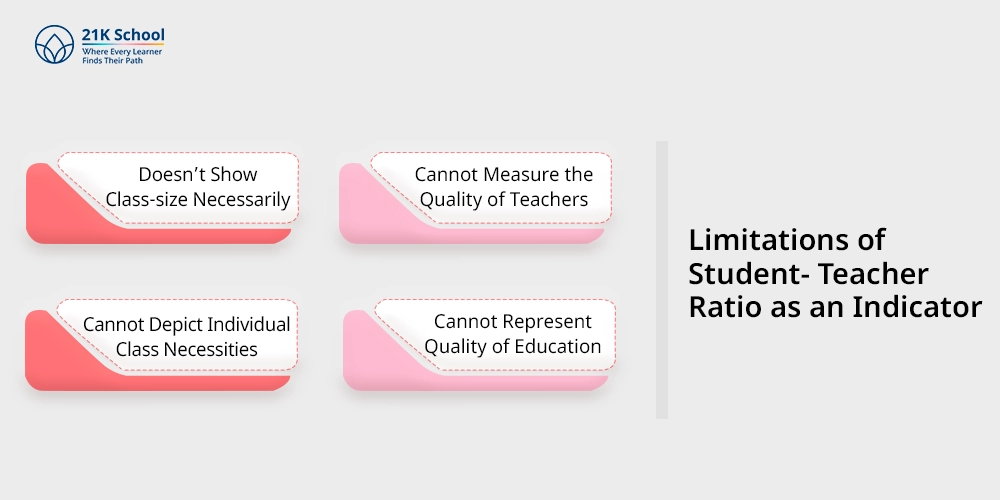
Though student-teacher ratio demonstrates the number of students per teacher in a school, it lags behind as an indicator because it:
1. Doesn’t Show Class-size Necessarily
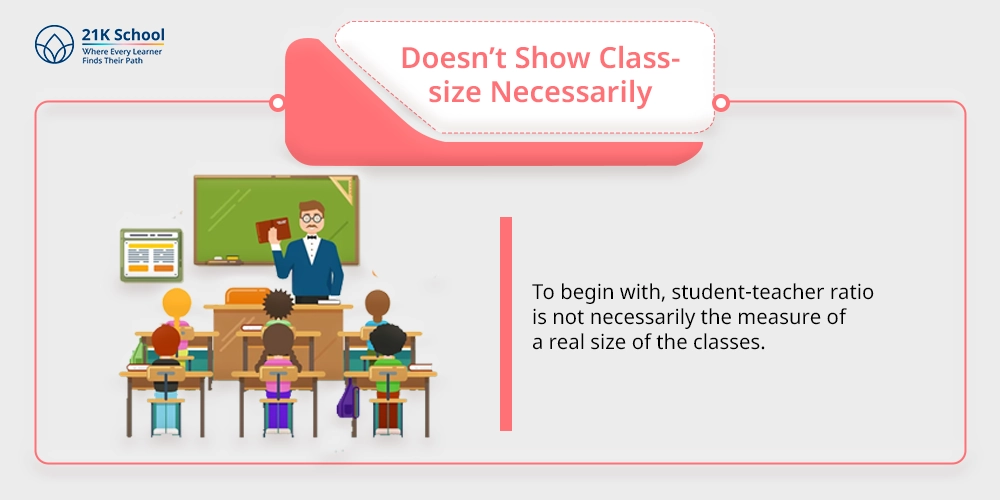
To begin with, student-teacher ratio is not necessarily the measure of a real size of the classes.
The student-teacher ratio may be low, but the students may still learn in large groups as teachers are given other non-teaching responsibilities.
2. Cannot Measure the Quality of Teachers
The student-teacher ratio fails to take into consideration the quality of teachers, experience, and their ability to teach.
An adequately trained and motivated teacher can handle a larger population well, whereas a teacher that has not been trained may have problems handling a small group of people.
3. Cannot Depict Individual Class Necessities
The indicator of student-teacher ratio does not take into account individual distinctions.
Smaller groups work better in some classes, including those at the science laboratories or while learning a language, but larger groups can be used in lecture classes.
4. Cannot Represent Quality of Education
The student-teacher ratio fails to account for the support staff, learning materials, or technology which also have an impact on learning.
Thus, the ratio is an important planning tool.
But, it must be combined with other qualitative and quantitative indicators to measure the quality of education properly.
5 Top Strategies to Improve Student-Teacher Ratio
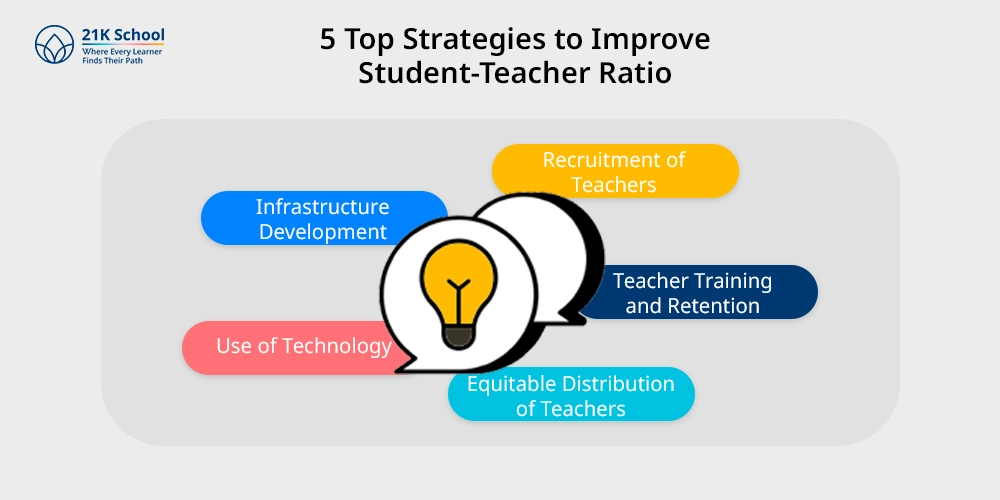
The government and other educational administrators can improve student-teacher ratio only if they focus on the following:
1. Recruitment of Teachers
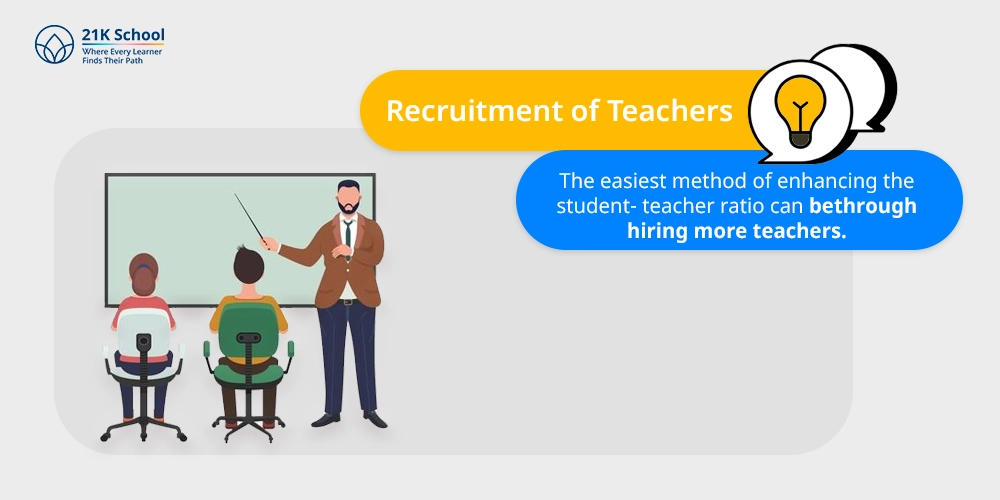
The easiest method of enhancing the student-teacher ratio can be through hiring more teachers.
Educational institutions and governments should invest in the employment of skilled teachers to meet the increasing enrollment requirements.
Recruitment drives and desirable employment terms may facilitate the provision of sufficient supply of teachers, especially in areas that have high demand.
2. Teacher Training and Retention
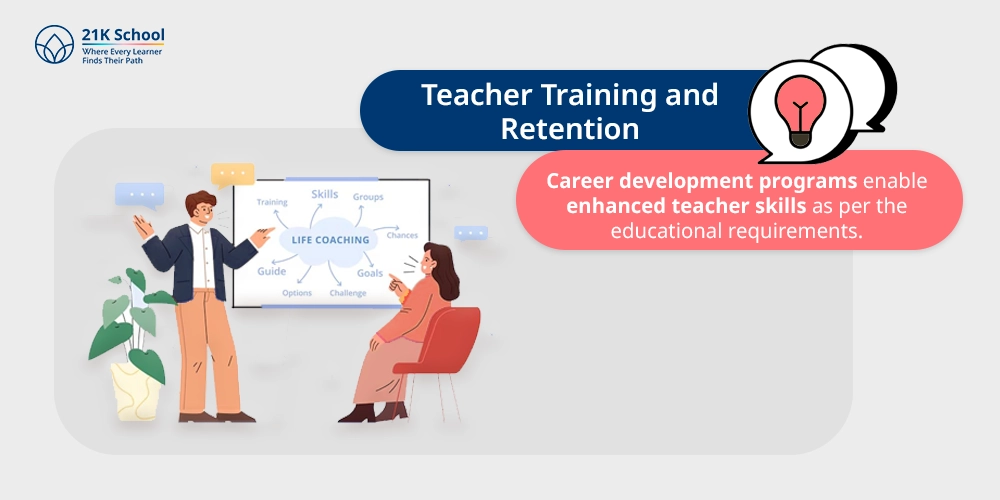
It is not only crucial to recruit trained teachers, but retain them as well.
Career development programs enable enhanced teacher skills as per the educational requirements.
Enhanced working conditions, good pay, job security, and friendly working environments decreases the rate of teachers leaving their jobs.
Thus, this brings long-term consistency in student-teacher ratios.
3. Equitable Distribution of Teachers
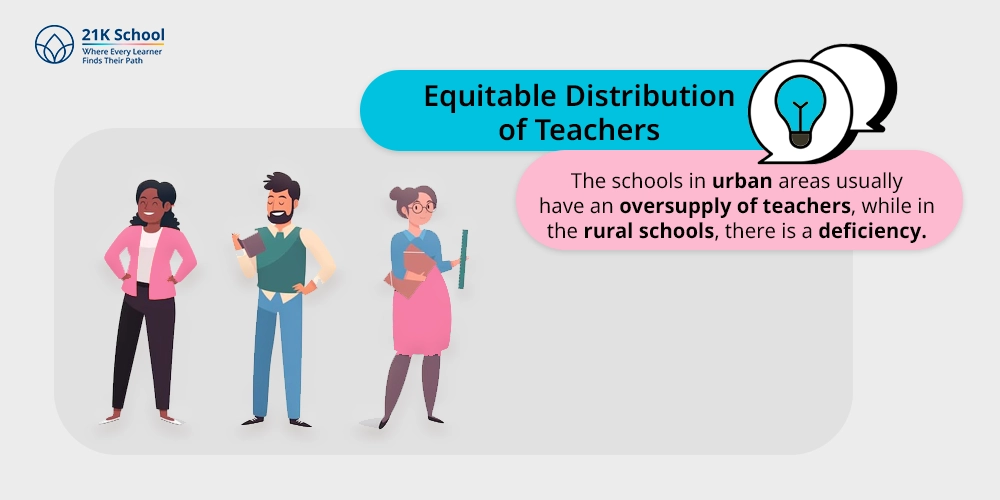
In most of the countries, there is an unequal distribution of teachers within regions.
The schools in urban areas usually have an oversupply of teachers, while in the rural schools, there is a deficiency.
Incentives to encourage rural postings and teacher training in the area can facilitate the effective allocation of teachers and reduce the difference in regional student-teacher ratios.
4. Use of Technology

Technology can assist the teachers in classrooms with high student-teacher ratios.
Online learning platforms and resource materials including video lectures can also complement face-to-face teaching methods .
Technology cannot work as a substitute for teachers but can improve the effectiveness of instruction.
This can be done by offering customized learning experiences and helping teachers to work with larger groups of learners.
5. Infrastructure Development
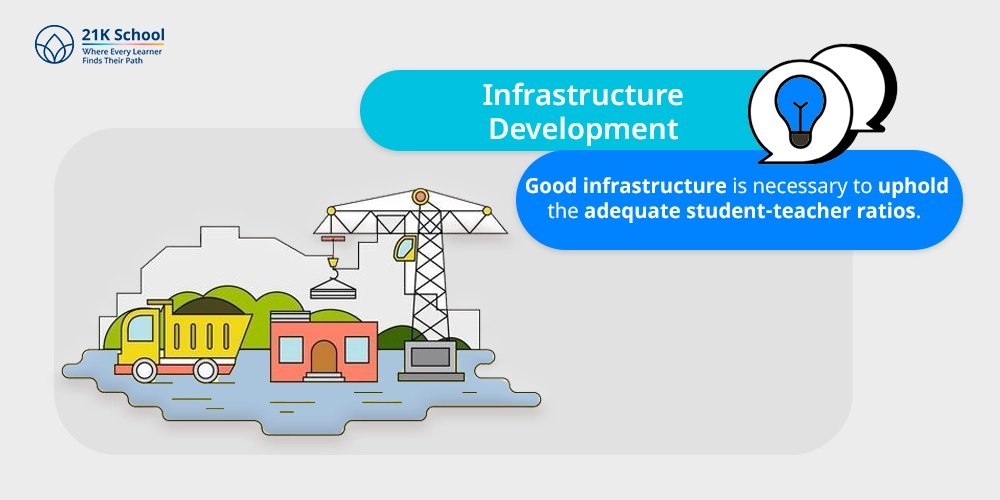
Good infrastructure is necessary to uphold the adequate student-teacher ratios.
The construction of additional classrooms, laboratories, and other learning facilities will ensure that students are separated into small groups in schools.
Better infrastructure also attracts teachers and ensures a better learning environment, boosting the overall quality of education.
Relationship between Student-Teacher Ratio and Educational Quality
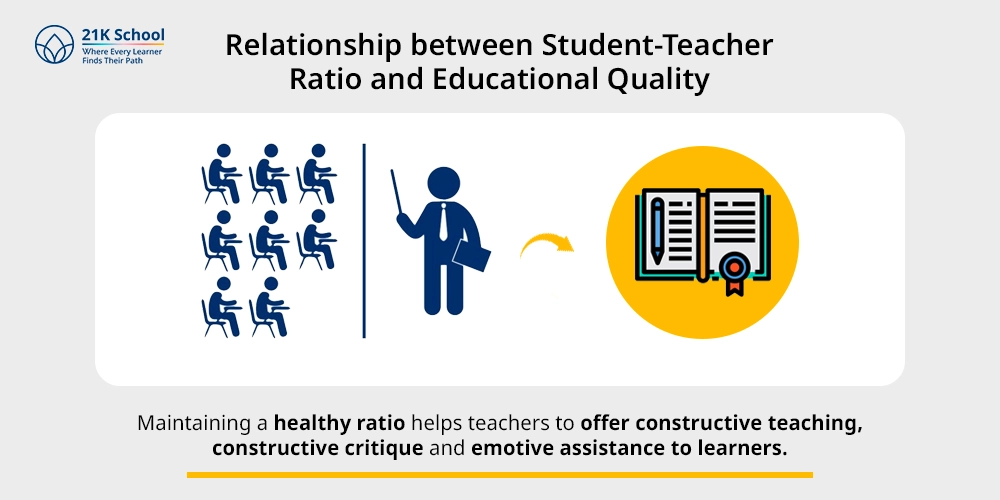
The student-teacher ratio and level of education are closely associated.
Maintaining a healthy ratio helps teachers to offer constructive teaching, constructive critique and emotive assistance to learners.
Reduced student-teacher ratios are related to higher performance at school, higher student-engagement, more effective classroom-management, and better teacher-student relationships.
The student-teacher ratio, however, does not determine the quality of education.
Relevance of curriculum , teacher competence, leadership skills of teachers, and learning resources are also very important factors in ensuring a quality education.
Role of Policy and Planning in Maintaining Student-Teacher Ratio
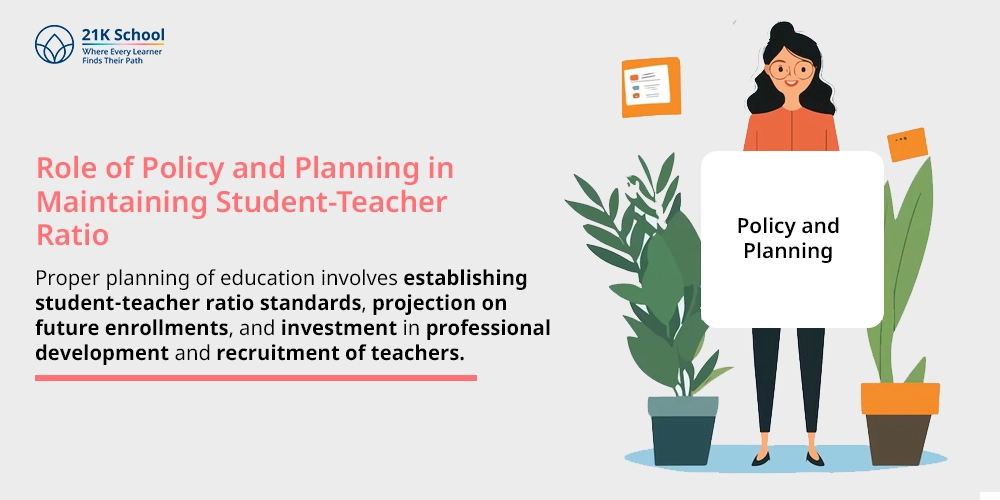
Long-term planning and good policies are essential in ensuring that there is a proper student-teacher ratio.
The governments are mostly focused on forming guidelines, approval of budgets, and supervision.
Proper planning of education involves establishing student-teacher ratio standards, projection on future enrollments, and investment in professional development and recruitment of teachers.
Follow-ups on the implementation of rules are also necessary at local or regional levels.
The policies that focus on investment in education and the well-being of teachers assist in guaranteeing long-term changes in the student-teacher ratios.
Still, these well-formulated policies can never yield the desired results without planning.
Conclusion
Student-teacher ratio states the average number of students that are taught under the supervision of a single teacher.
It assists government authorities to curate future plans on hiring teachers and setting up good school environments.
A higher student-teacher ratio means that students might be lacking individual attention and assistance in learning.
While, low student-teacher ratio is considered good, it needs proper teacher recruitment, training, infrastructure, and use of digital technology in education .
