


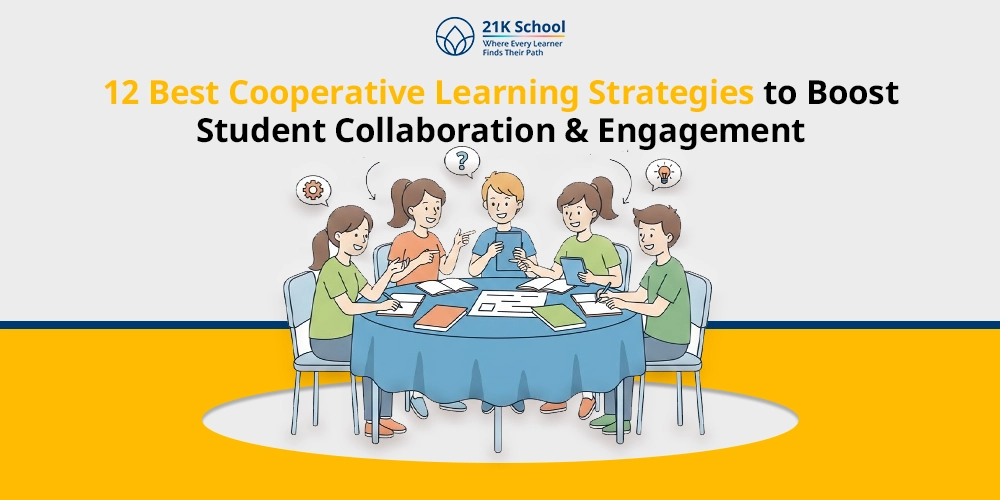
Have you ever thought of how cooperative learning strategies can be used with students?
Cooperative learning strategies are those teaching techniques which involve engaging small groups, which prompt students to learn and attain shared academic results.
Learners are also active creators of knowledge since they construct knowledge through dialogue, collaboration and shared accountability rather than passively receiving information.
They also lead to increased achievement, critical thinking and deeper knowledge, as well as fostering social skills, e.g. communication, teamwork and respect towards different views in the classroom, and positive peer relations among all learners in a very effective manner.
What is Cooperative Learning?
Cooperative learning is a pedagogical approach in which students work in groups to share learning objectives. Every member actively participates and has the role of learning individually and helping others.
TThis facilitates involvement, enhance academic performance and impart essential social skills, including communication, collaboration, responsibility and respect towards different opinions, and establish a good and inclusive learning atmosphere for all learners.
Top 12 Cooperative Learning Strategies
The strategies of cooperative learning are directed at the development of collaboration, active-participatory learning and collective responsibility among students, contributing towards effective learning among students, through team-learning, discussion and peer support in the classroom.
1. Teamwork
Educational Teamwork implies that students collaborate to achieve a common objective. Every member is assigned a certain role and responsibility, thus ensuring equal participation. This is a plan to establish communication, trust and problem-solving.
Through dependence on each other, students get to learn how to respect different ideas, support their peers, and get a sense of responsibility towards the success of individuals and groups.
2. Group Projects
Group projects involve students working together within a specified duration to accomplish a task or assignment. Learners work on plans, research and present jointly and divide the responsibilities. This tactic encourages a more in-depth appreciation, reasoning and innovation.
It also enables students to learn how to work in teams, and time management, cooperation, leadership skills, and accountability skills are also developed.
3. Team Word Webbing
Team word webbing promotes the idea of brainstorming among students around a central concept. The group members develop a visual network of words, ideas, or facts which are related.
The strategy facilitates vocabulary, clarity of concepts and creative thinking skills. It enables the students to extend on the knowledge of the other students, as well as group information in a purposeful and cooperative manner.
4. Team Game Tournament
Team Game Tournament is a learning and competitive activity. Students work in teams to review content, followed by the team having to play academic games with other teams.
Teamwork and preparation are the keys to success, which can make students remain active and minimise student stress and foster collective success.
5. Speed Quizzes
Speed quizzes are simple, short-answer assessments in which students are given questions and have to answer within a set time. Students converse, help each other out, and then reply.
The strategy will enhance peer learning, increase recall and confidence. It promotes participation and facilitates faster processing of information via discussion among students.
6. Puzzle Race
Puzzle race requires students to solve academic puzzles or tasks in teams and within the shortest possible time. Every member contributes information that is required to solve the problem.
Teamwork, critical thinking and problem-solving skills are all created under this strategy and movement and collaboration make learning fun and enjoyable.
7. Classmate Interviews
Classmate interviews involve the students interviewing each other about a given topic and reporting what they learned with the group or class.
The technique enhances listening, speaking, and questioning. It promotes communication skills, fosters trust, and allows students to learn among themselves as well as appreciate other views and understand their perspectives.
8. Student Expertise
Student expertise allows learners to specialise in a subject and share it with members of their group. Every learner is expected to learn and describe part of the content. Such an approach fosters duty, trust and better insight.
The teaching method makes learning stronger and also makes all the students competitive in ensuring successful groups.
9. Freeride Elimination
Freeride elimination allows every student contribute equally in group work. Members are expected to make contributions so that they do not have to depend on the effort of a single individual. Such an approach encourages equality, accountability and participation.
It also makes students feel that they are in charge of their learning experience and that they can contribute equally.
10. Numbered Heads Together
Numbered heads together involves students working in groups and being assigned numbers. A question is given by the teacher, and the groups discuss it.
One number is then called, and such a student responds. The strategy is the means to be accountable, interact and talk, because every student will be prepared to answer.
11. Team Jigsaw
The Team Jigsaw split a lesson into sections, and each of the students will be trained on one piece and then teach it to the group. This plan will foster teamwork, responsibility and improved knowledge.
Students rely on each other in order to complete the entire lesson, promote active student engagement, listening, and respect towards the input of each member.
12. Round Robin
Round Robin entails the students taking turns when giving ideas, answers or opinions in a group. Every member will be involved in turn, and there will be equal participation.
The provided strategy also improves the skills of communicators, encourages active listening, and avoids the domination of a single student. It offers a supportive and positive learning environment in which all people are made to feel valued and liberated to express themselves.
Conclusion
The strategies of cooperative learning are important in establishing an active, engaging, and inclusive classroom environment. These strategies improve academic performance and the training of necessary social and communication skills by fostering teamwork, collective accountability, and interaction between peers.
Learning to listen with respect to other ideas, developing confidence, and responsibility in the learning process are some of the lessons learned when students collaborate.

You may also want to read
Types of Studies: Everything You Need to Know with Examples
- Last updated on: 13 Mar, 2026
- 7 min read