


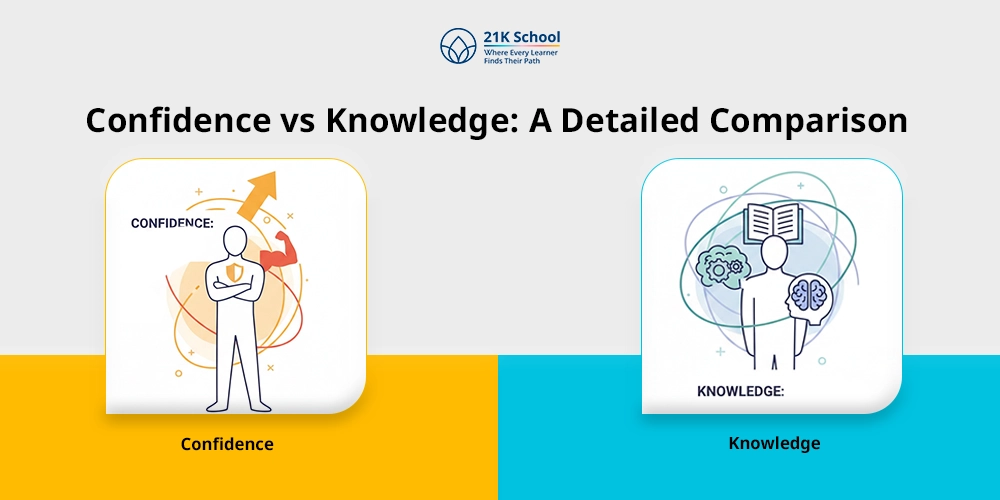
Have you ever wondered what the difference between confidence and knowledge is?
Two of the best strengths that influence how individuals think, act, and succeed are knowledge and confidence. Though learning, experience and knowledge of facts and sources of knowledge, confidence is the faith one has in their capabilities.
The two are important, only that they affect the performance in different ways. Being informed about the confidence-knowledge balance will help individuals to make the right decision, communicate more, and succeed in their lives and studies.
Table of Contents
What is Confidence?
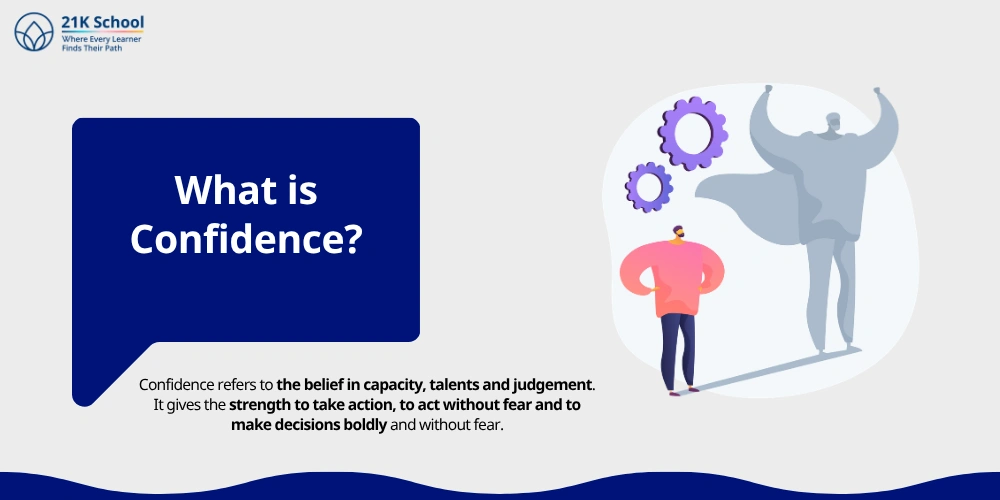
Confidence refers to the belief in capacity, talents and judgement. It gives the strength to take action, to act without fear and to make decisions boldly and without fear.
Confident people believe in themselves, talk and are motivated. Confidence reduces self-doubt, which also leads to improved performance, which is an admirable attribute to personal development and success.
What is Knowledge?
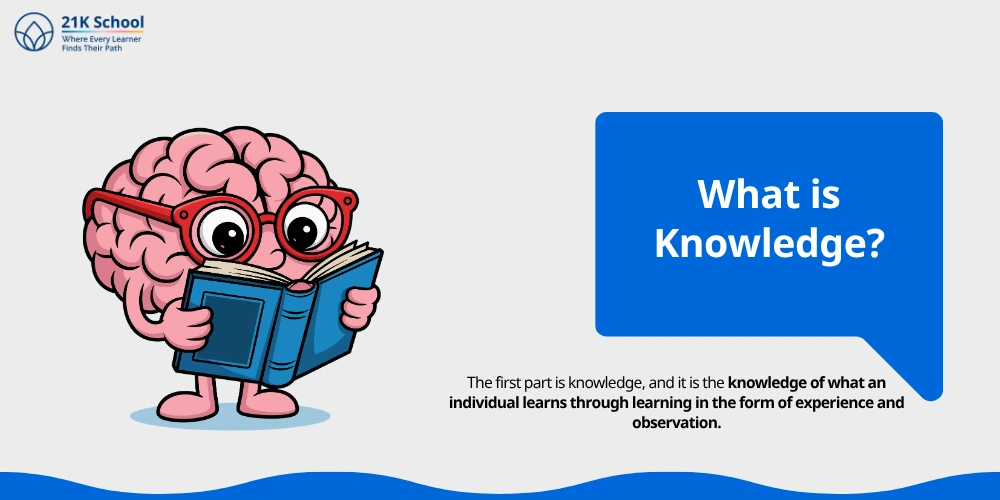
The first part is knowledge, and it is the knowledge of what an individual learns through learning in the form of experience and observation. It helps individuals to make rightful decisions, solve issues, and understand the surrounding world.
Knowledge can be theoretical or practical, critical thinking, personal development and academic/professional achievement are all based on knowledge.
Also explore about the15 key types of knowledge.
Key Difference Between Knowledge and Confidence
Knowledge and confidence have two aspects. Knowledge refers to the information and experience gained in the process of experience or learning, and confidence is the belief in oneself and judgment. The differences in knowledge and confidence are explained below.
| Aspect | Knowledge | Confidence |
| Meaning | Knowledge is what is learnt and known through experience and learning. | Confidence refers to the faith or trust in oneself and the choices made. |
| Basis | Knowledge is founded on facts, learning, observation and experience. | Confidence is founded on belief in oneself, attitude and perceptions. |
| Reliability | Knowledge is more truthful since it is based on truth and facts. | Self-assurance is not consistent in case it is not backed up by real knowledge. |
| Outcome | Knowledge results in informed decisions, precision and the solution of problems. | Confidence will make a person act, communicate and take risks. |
| Nature | Knowledge is objective and quantifiable. | Self-confidence is very personal, and it is influenced by emotions and self-conception. |
| Consistency | Knowledge does not change with time until new information is acquired. | Moods, surroundings and experiences can make or break confidence. |
| Example | A student who has the right answer in mathematics displays knowledge. | A student who takes the risk and raises his hand to respond to the question demonstrates confidence. |
1. Meaning
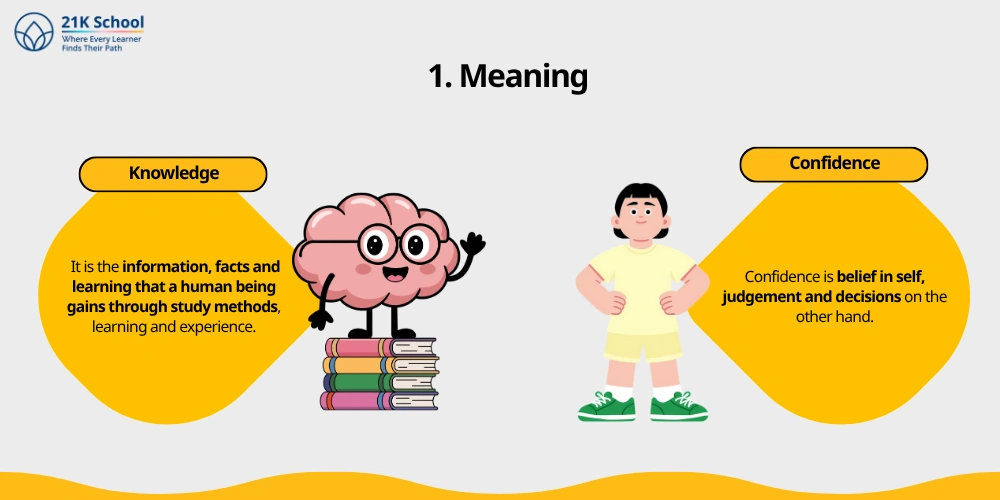
Knowledge: It is the information, facts and learning that a human being gains through study methods, learning and experience. It displays the true knowledge an individual has.
Confidence: Confidence is belief in self, judgement and decisions on the other hand. It shows the level of confidence that a certain individual has in performing the tasks regardless of the level of knowledge he or she possesses.
2. Basis
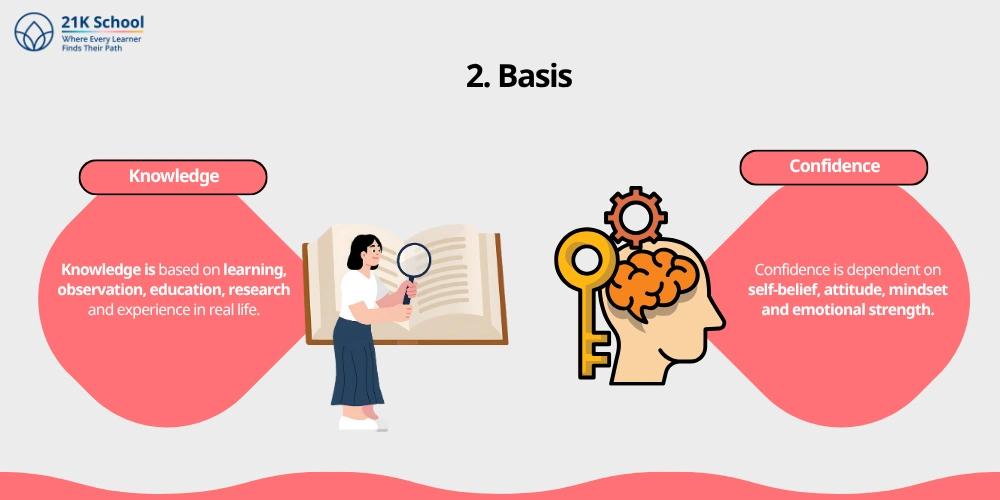
Knowledge: Knowledge is based on learning, observation, education, research and experience in real life. It is based on confirmed facts and rational knowledge.
Confidence: Contrarily, Confidence is dependent on self-belief, attitude, mindset and emotional strength.
3. Reliability
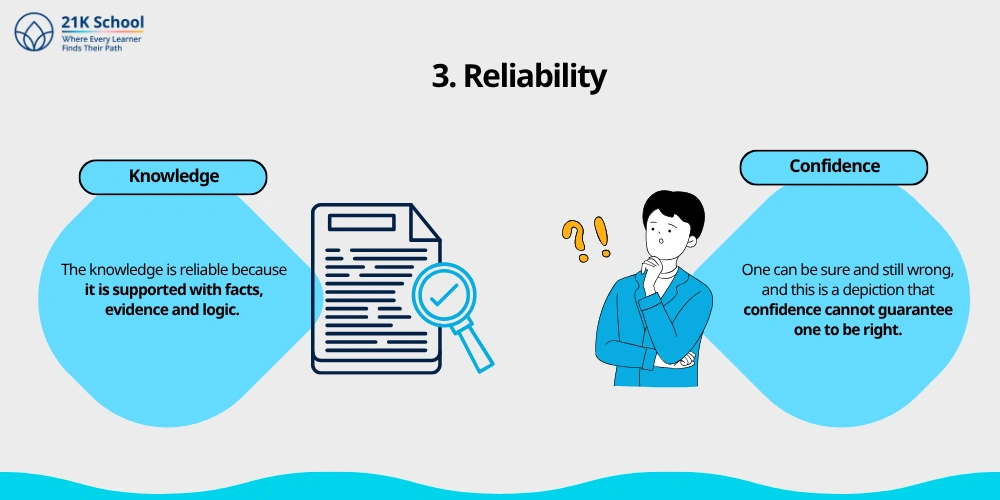
Knowledge: The knowledge is reliable because it is supported with facts, evidence and logic. It comes in handy to make the correct decisions and ensure accuracy.
Confidence: Confidence is not necessarily accurate when it is not based on true knowledge. One can be sure and still wrong, and this is a depiction that confidence cannot guarantee one to be right.
4. Outcome
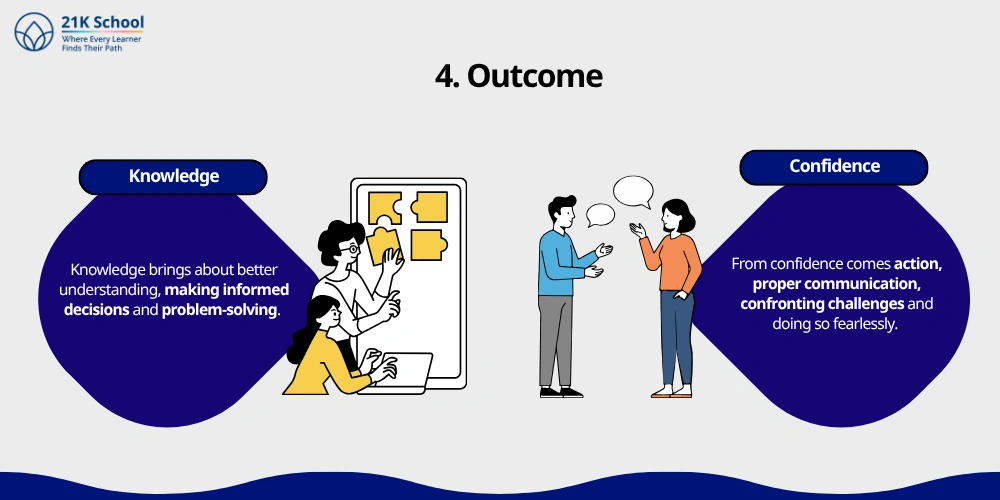
Knowledge: Knowledge brings about better understanding, making informed decisions and problem-solving. It helps individuals to think and take action in a wise way.
Confidence: From confidence comes action, proper communication, confronting challenges and doing so fearlessly. Confidence is required to utilise knowledge even when it exists in a real-life situation.
5. Nature
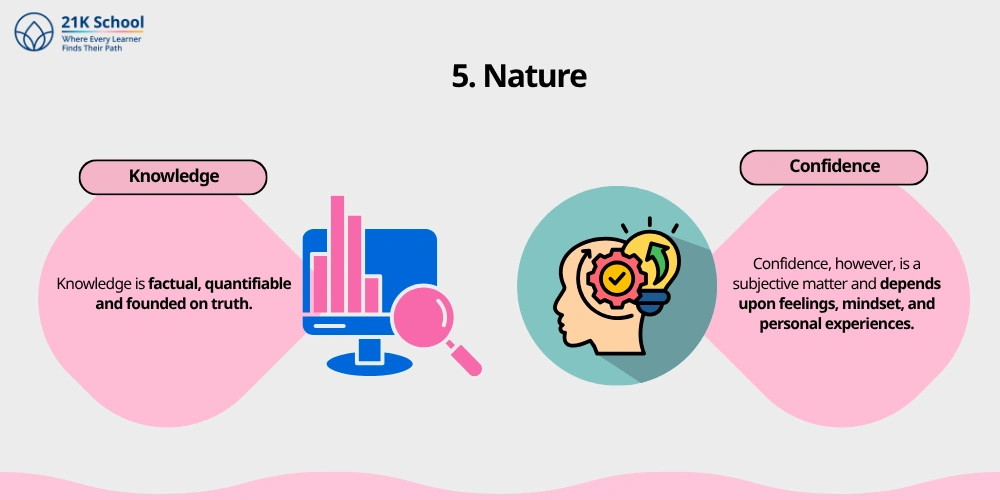
Knowledge: Knowledge is factual, quantifiable and founded on truth. It is not emotive and is constant in different individuals.
Confidence: Confidence, however, is a subjective matter and depends upon feelings, mindset, and personal experiences.
6. Consistency
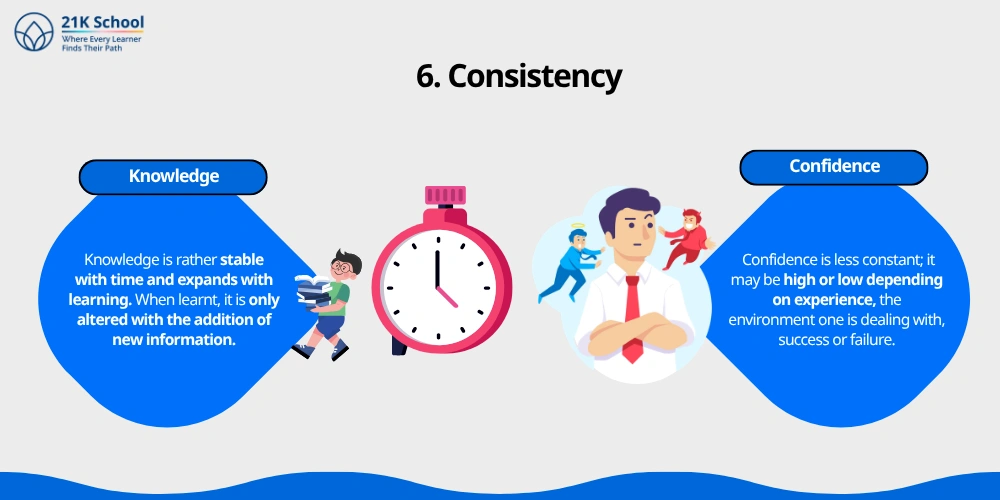
Knowledge: Knowledge is rather stable with time and expands with learning. When learnt, it is only altered with the addition of new information.
Confidence: Confidence is less constant; it may be high or low depending on experience, the environment one is dealing with, success or failure. One day, a person can be confident, and the next day he or she can not be sure.
7. Example
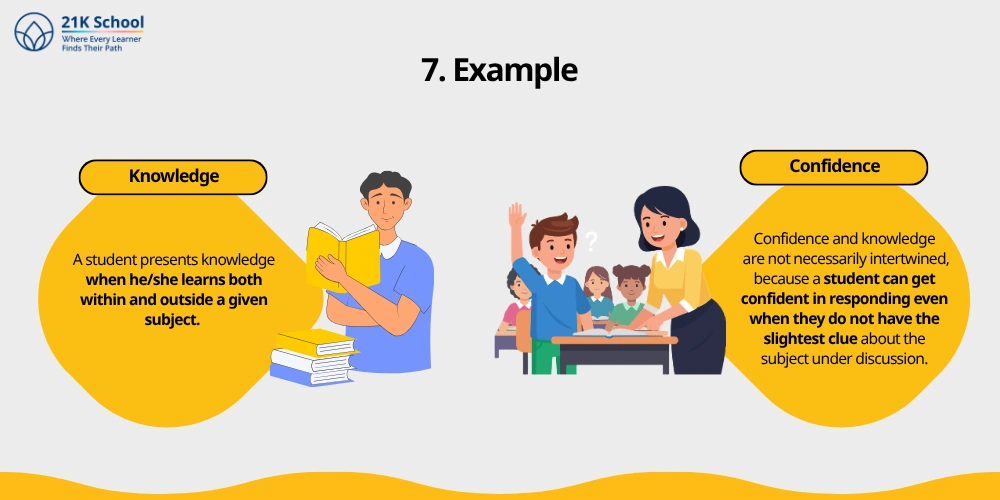
Knowledge: A student presents knowledge when he/she learns both within and outside a given subject. Such confidence is portrayed when the same student in the classroom raises his hand to reply with confidence.
Confidence: The difference between confidence and knowledge can be proved by an example of how confidence and knowledge are not necessarily intertwined, because a student can get confident in responding even when they do not have the slightest clue about the subject under discussion.
Final Thought
Confidence and knowledge go hand in hand, though they are used in different roles. Knowledge gives a good ground to gain knowledge and make informed decisions, whereas confidence gives the strength to make the most of the knowledge.
At the state of balance, they lead one to make wise choices, share their ideas and thoughts and overcome challenges. In simple words, knowledge will lead you in the right direction and confidence will give you the power to go over.

You may also want to read
Types of Studies: Everything You Need to Know with Examples
- Last updated on: 30 Mar, 2026
- 7 min read