


The National Institute of Open Schooling (NIOS) has released the dates of the 10th and 12th admission process. The NIOS Admission for Block 1 has commenced from 16th March 2026, and the last date to fill the form is 31st July 2026.
Students who meet the eligibility requirements for NIOS can apply online. Students who have completed class 10 may also apply for admission to class 12, and children who have completed class 8 are eligible to enroll in NIOS for the same reason.
The admission window for the April session 2026-27 will soon be released by the NIOS on their official websites. Candidates need to fill up the application form after paying the application fee to complete their admission process for different streams.
Admissions for classes 10 and 12 are held by the NIOS twice a year the dates may vary based on the schedule. All applicants who have failed their exams or are unable to finish their education for any reason are eligible to apply for admission to NIOS.
Table of Contents
- NIOS Admission Last Date 2026-27: Block 1 and Block 2
- What Happens if You Miss the NIOS Deadline?
- NIOS Admission Streams Overview
- Step-by-Step Guide to Apply for NIOS Admission 2026
- Why You Shouldn’t Wait Till the Last Date for NIOS Admission?
- NIOS Admission Fee Structure
- Things to Do After NIOS Admission
- Conclusion
NIOS Admission Last Date 2026-27: Block 1 and Block 2
The NIOS deadline for admission in 2026 is July 31, 2026 for Block 1 and January 31, 2027 for Block 2. Exams for classes 10 and 12 are administered by NIOS twice a year.
For April 2027 the admissions process started on March 16, 2026 for Block 1 and for Block 2 it will start on September 16, 2026 for the October 2027 exam.
Candidates who miss the deadline can still complete the form by paying the late application fee within a certain amount of time. The specific dates for NIOS admission for Blocks 1 and 2 are listed below.
NIOS Admission Dates for Block 1
| Particulars | Dates |
| Start Date of Registration | 16th March 2026 |
| Last Date for Registration | 31st July 2026 |
| Admission with a late fee of 260 | 1st to 15th August 2026 |
| Admission with a late fee of 520 | 16th to 31st August 2026 |
| Admission with a late fee of 910 | 1st to 15th September 2026 |
| Commencement of Exams | April 2027 |
NIOS Admission Dates for Block 2
| Particulars | Dates |
| Start Date of Registration | 16th September 2026, |
| Last Date for Registration | 31st January 2027 |
| Admission with a late fee of 260 | 1st to 15th February 2027 |
| Admission with a late fee of 520 | 16th to 28th February 2027 |
| Admission with a late fee of 910 | 1st to 15th March 2027 |
| Commencement of Exams | October 2027 |
Learners are requested to follow the NIOS official website for all latest fee details.
What Happens if You Miss the NIOS Deadline?
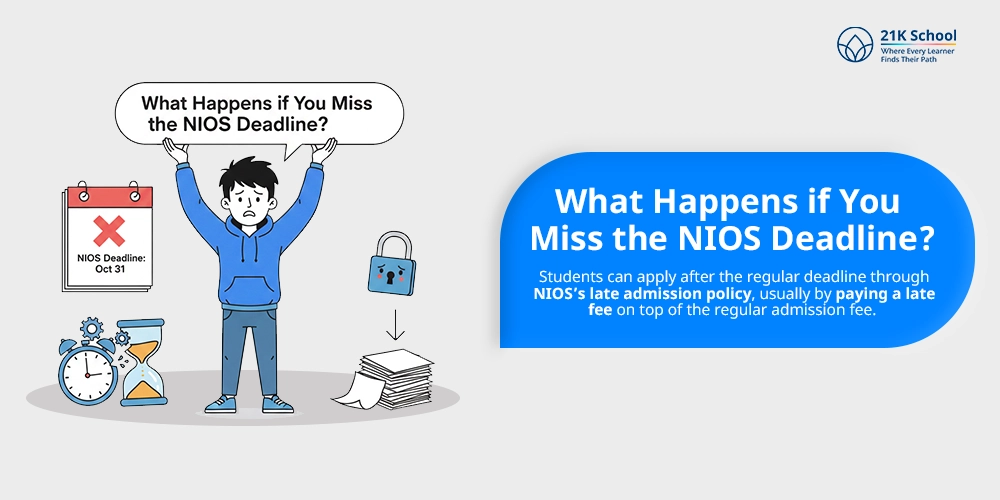
There are a number of choices and consequences that could occur if you miss the admissions deadline. Students can apply after the regular deadline through NIOS’s late admission policy, usually by paying a late fee on top of the regular admission fee.
It is important to check the official NIOS website or get in touch with the exam centre for any considerations as this late admission window is typically limited. As a result, if you miss the admissions deadline, you might have to wait until the next cycle of admissions, which could delay your academic progress.
Students should speak with NIOS officials directly if they missed the deadline so they can discuss their options and potential solutions for being admitted later than anticipated. To prevent a last-minute rush, candidates are encouraged to complete the application form within the allotted time.
NIOS Admission Streams Overview
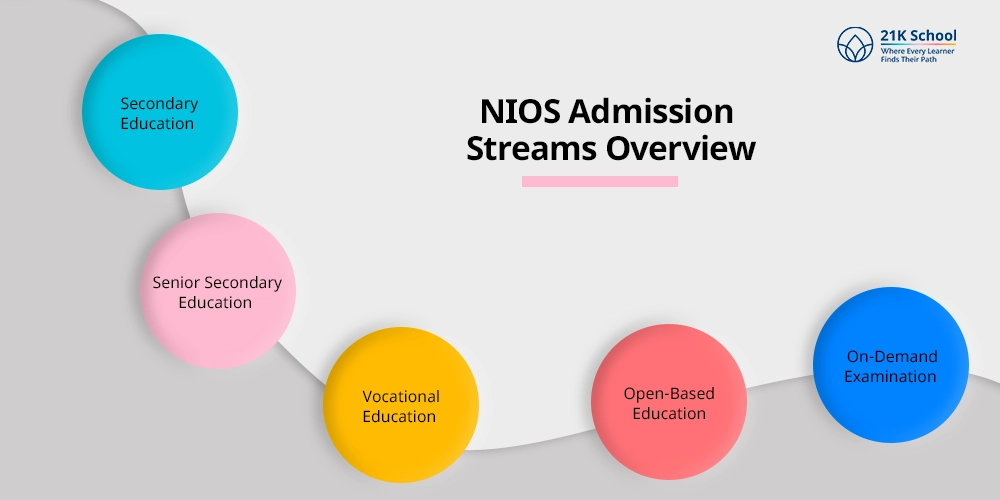
For students of all ages and backgrounds, the National Institute of Open Schooling (NIOS) offers a variety of admission streams to meet their varied educational needs and goals. Candidates can choose from a variety of learning preferences offered by NIOS.
Students have the freedom to attend their classes because NIOS grants them autonomy. The NIOS streams that are available are listed below.
1. Secondary Education
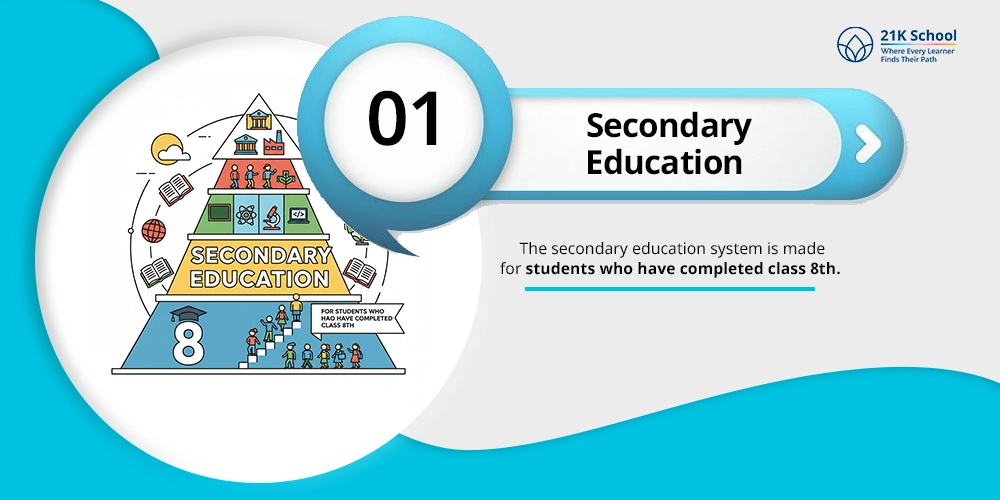
The secondary education system is made for students who have completed class 8th. NIOS provides students with the freedom to enroll in class 10 without any restrictions.
Students can select from a variety of subjects based on their interests, future academic objectives and desired careers. This track places a strong emphasis on developing critical thinking skills , and problem-solving abilities , in addition to academic knowledge.
2. Senior Secondary Education
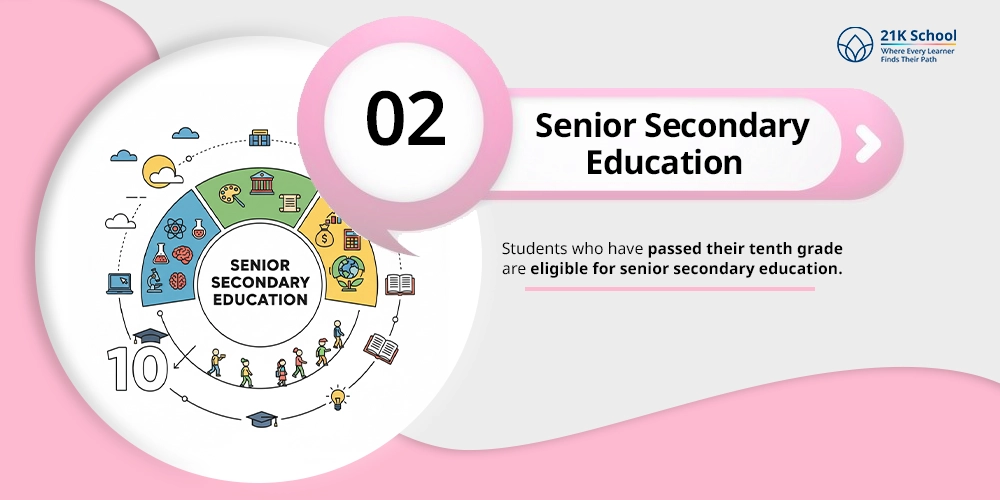
Students who have passed their tenth grade are eligible for senior secondary education. Candidates can enroll in class 12 or senior secondary education through NIOS.
It is important to note that the Grade 10 qualification falls under the 10+2 system; therefore, there must be a minimum gap of two years between the completion of Grade 10 and Grade 12.
This program gives them the chance to earn a higher secondary certificate, which is necessary for further education. This stream allows students to choose courses in commerce, the sciences or the humanities that align with their intended career paths.
3. Vocational Education

NIOS offers vocational courses designed to improve employability because of the significance of skill development in the modern job market.
This stream will be especially helpful to students who wish to gain real-world experience in specific fields like healthcare IT, hospitality and various trades. Vocational education equips students for future employment by fusing academic knowledge with real-world skills.
4. Open-Based Education
The Open Basic Education stream is intended for students who have not been able to finish their basic education or who may not have access to formal education.
This curriculum emphasises fundamental reading, writing and math skills in a flexible learning environment. The main aim of open-based education is to bridge the educational gap for marginalised and disadvantaged groups.
5. On-Demand Examination
The On-Demand Examination System is offered by NIOS to students who require greater freedom and flexibility.
Instead of following a set schedule, this creative system enables students to take exams whenever it is most convenient for them. People who work have personal obligations or are students who might need more time to get ready will especially benefit from this flexibility.
Step-by-Step Guide to Apply for NIOS Admission 2026
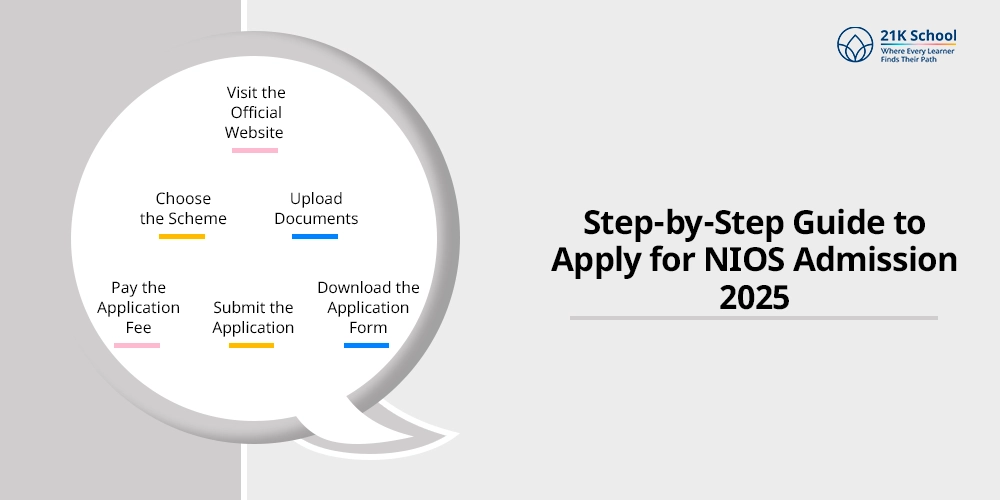
Candidates can apply for the 2027 session until July 31 2026, as NIOS admissions for 2026 are currently open. Through the official website of NIOS, students can complete the application online.
Stream-wise registration, which includes four streams, is open to candidates. A few key documents and application fees must be turned in by students who are enrolling for the tenth and twelfth grades.
Eligibility requirements, including age limit, nationality, qualifications, etc., must be carefully reviewed when applying for NIOS admission. The steps to apply for admission to NIOS in 2026 are as follows.
1. Visit the Official Website
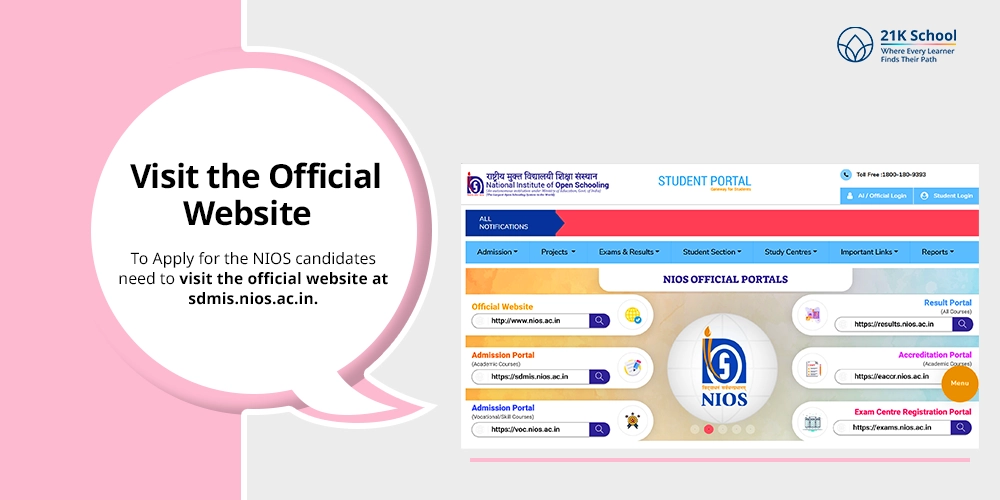
To Apply for the NIOS candidates need to visit the official website at sdmis.nios.ac.in. On the homepage, candidates need to click on the admission tab.
2. Choose the Scheme
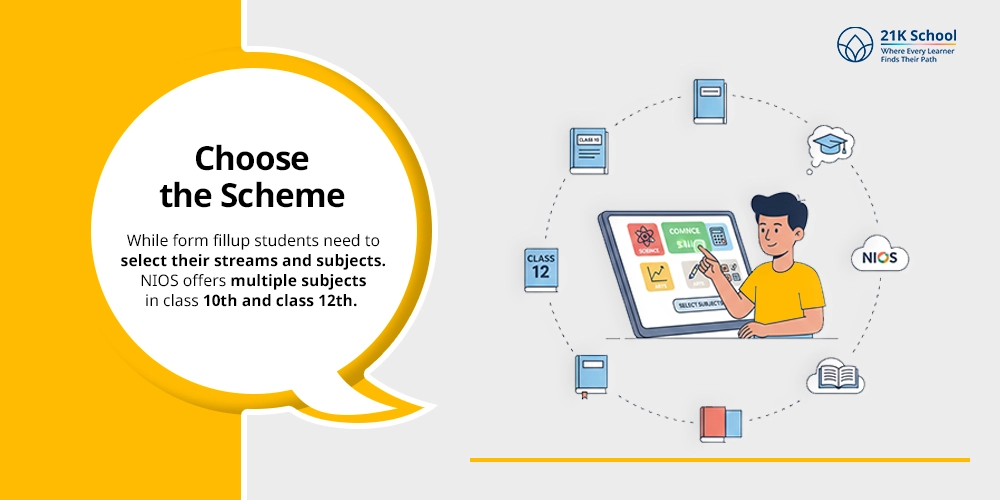
While form fillup students need to select their streams and subjects. NIOS offers multiple subjects in class 10th and class 12th.
After that, candidates are also required to select their state and UT. Each stream has different eligibility criteria; it is important for children to check the eligibility criteria before filling out the application form.
3. Upload Documents

Candidates must now upload a few necessary documents after being redirected to a new page. Passport-size photos, a photo identity card such as an Aadhar card or voter ID card, marksheets, transfer certificates, caste certificates if applicable, and so forth are examples of documents. Students must upload documents that are clearly scanned and in the right format.
4. Pay the Application Fee
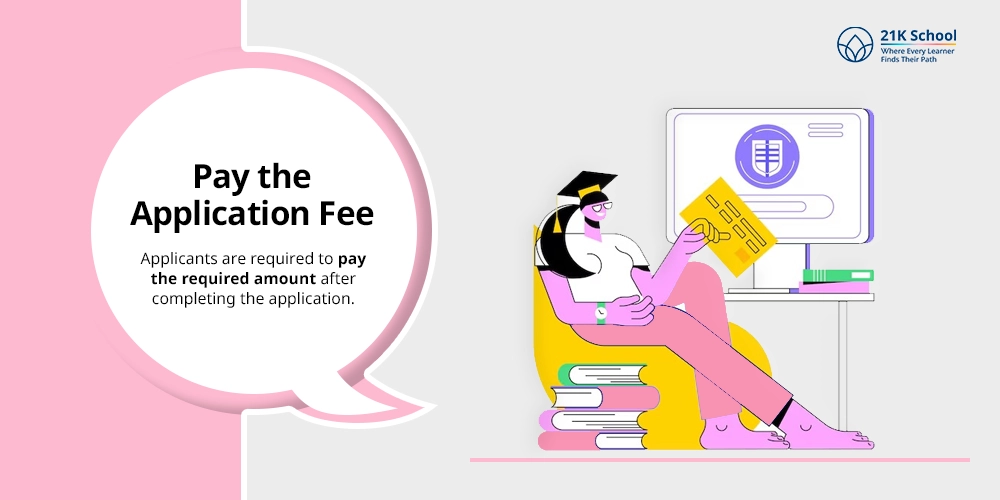
Applicants are required to pay the required amount after completing the application. The application fee will vary based on the candidate’s caste and section. Applicants can pay the application fee online using mobile wallets, net banking or credit/debit cards.
5. Submit the Application
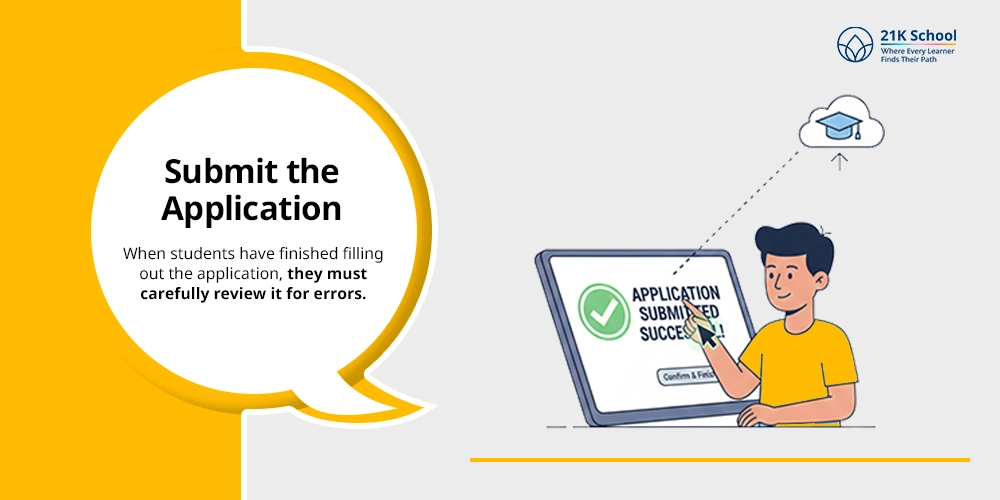
When students have finished filling out the application, they must carefully review it for errors. Once candidates are happy with the application, they can submit it. Candidates will receive an email containing their application form after submitting it successfully.
6. Download the Application Form

Upon successfully paying the fee, candidates will receive an email with a copy of their application. Currently, in order to prevent any inconvenience or for future use, candidates must download their application fees.
Why You Shouldn’t Wait Till the Last Date for NIOS Admission?
Waiting until the very last minute to be admitted to NIOS can cause needless anxiety and problems. Students who enroll early are guaranteed to avoid last-minute rushes and have ample time to finish the required paperwork and get ready for tests.
Early admission enables students to focus on learning the material rather than rapidly memorising it and it gives them more time to study and take tests. However, candidates can apply after the regular deadline if they miss the NIOS application deadline.
Usually, they will have to pay a late fee in addition to the regular admission fee. However, candidates must complete the form as soon as possible because the time is limited. Students can customise their education based on their interests and strengths thanks to this.
NIOS Admission Fee Structure
The candidate’s choice of category and number of subjects depends on the NIOS 2026 admission cost. While female applicants have to pay Rs. 1450, male applicants in the general category need to pay Rs. 1800 for five subjects.
Candidates must pay Rs. 250 for theory courses and Rs. 120 for practical courses. Caste will affect admission fees, and members of that caste will be given consideration. A detailed schedule of the NIOS admission fees is provided below.
NIOS Category Wise Fee Structure
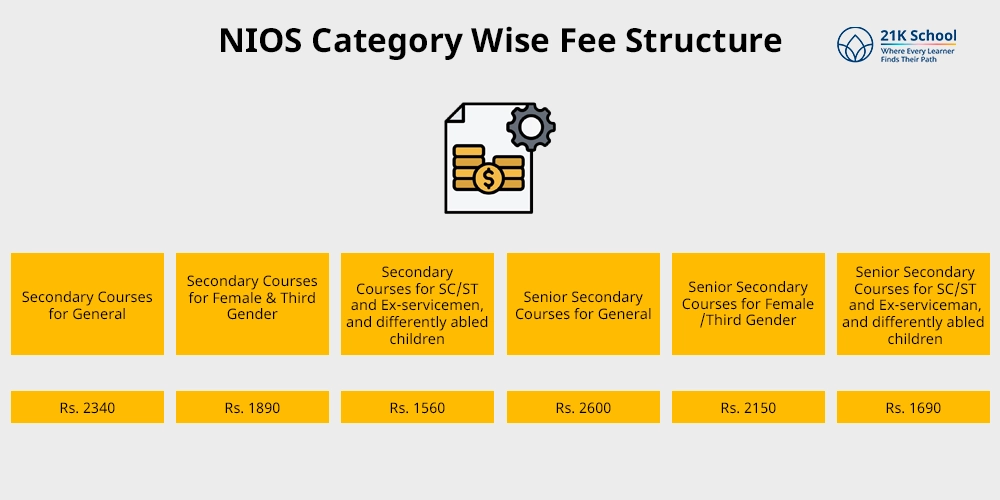
| Category | Fees |
| Secondary Courses for General | Rs. 2340 |
| Secondary Courses for Female & Third Gender | Rs. 1890 |
| Secondary Courses for SC/ST and Ex-servicemen, and differently abled children | Rs. 1560 |
| Senior Secondary Courses for General | Rs. 2600 |
| Senior Secondary Courses for Female /Third Gender | Rs. 2150 |
| Senior Secondary Courses for SC/ST and Ex-serviceman, and differently abled children | Rs. 1690 |
NIOS Public Exam Fee Structure 2026 and 2027
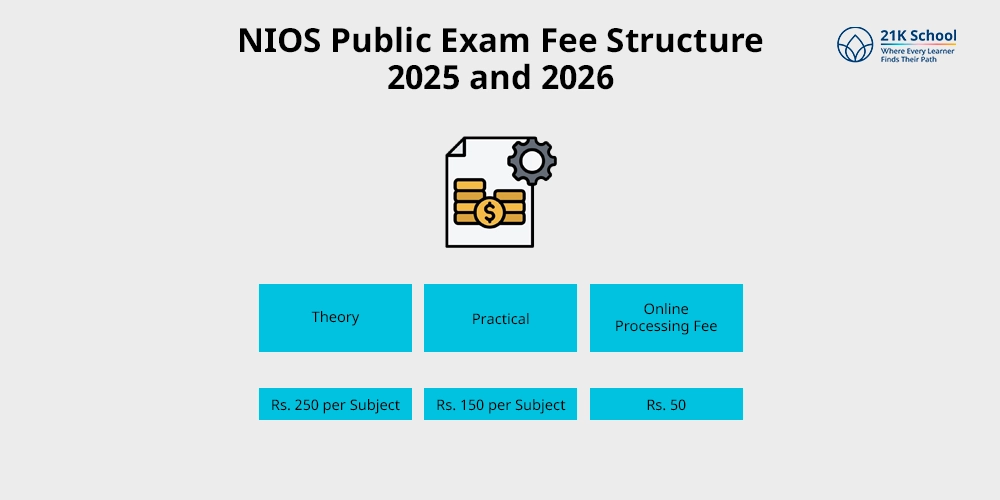
| Subjects | Fees |
| Theory | Rs. 250 per Subject |
| Practical | Rs. 150 per Subject |
| Online Processing Fee | Rs. 50 |
NIOS Exam Fees Structure – On-Demand Examinations
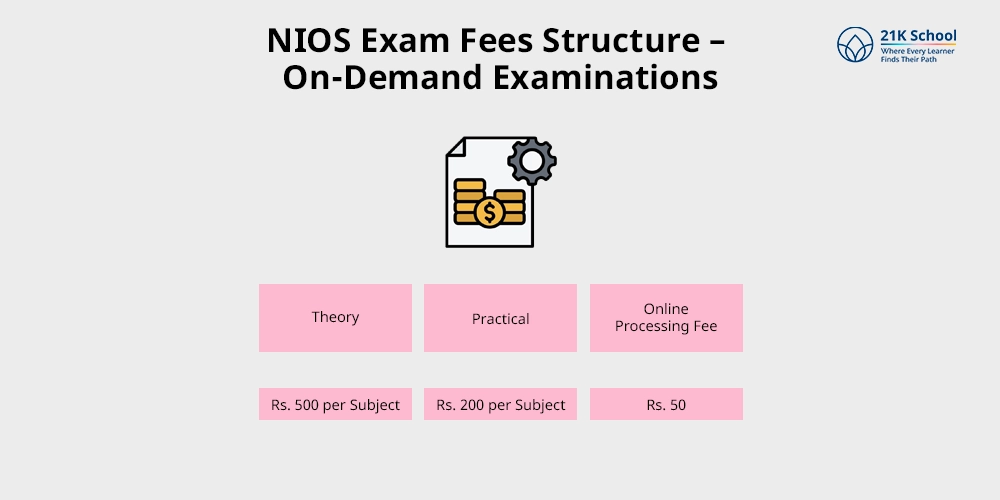
| Subjects | Fees |
| Theory | Rs. 500 per Subject |
| Practical | Rs. 200 per Subject |
| Online Processing Fee | Rs. 50 |
Things to Do After NIOS Admission
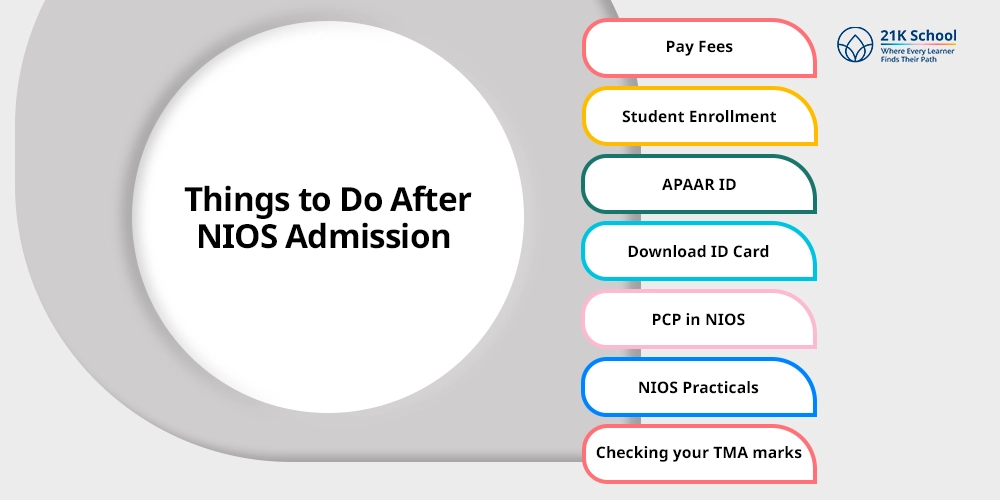
Candidates can enrol in the program after being admitted to NIOS. Usually, this entails verifying the accuracy of the information you provide on the NIOS portal.
Applicants must also pay the application fee for subjects and programs and generate their enrollment number.
Students can lay a strong foundation for their academic journey and make sure they are prepared by following these steps after being admitted to NIOS.
1. Pay Fees

You can proceed with the required payments including the price of signing up for the courses you have selected, any additional expenses for registering for an exam, and any fees for practical subjects.
Mobile wallets, net banking and credit/debit cards are among the online payment methods available for application fees.
Once a payment has been made, always keep the receipt for your records. For more details you can check how to pay NIOS exam fees.
2. Student Enrollment
Once you have finished the admissions process, it is important to confirm your enrollment. This typically means verifying your information and ensuring that all of the information on the NIOS portal is accurate.
Enrollment is crucial for maintaining current records and other essential data for later use.
3. APAAR ID
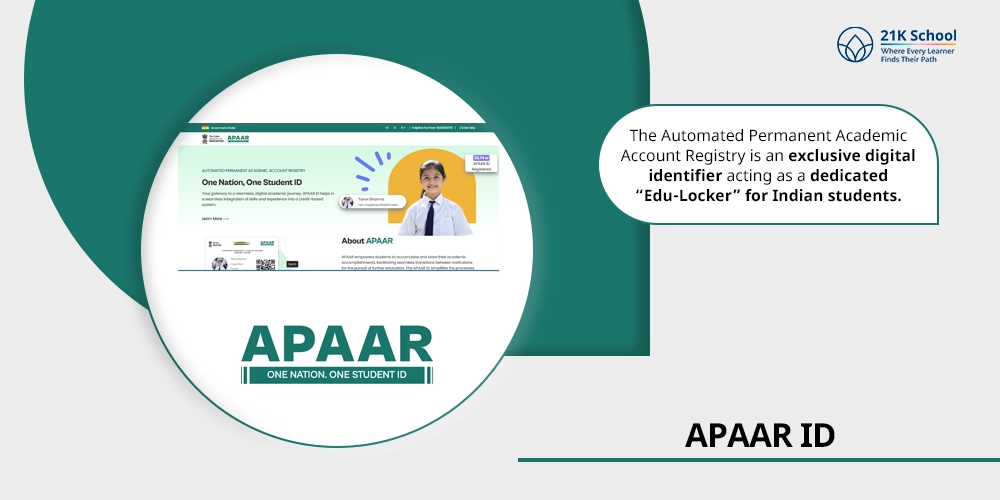
The Automated Permanent Academic Account Registry is an exclusive digital identifier acting as a dedicated “Edu-Locker” for Indian students to store academic records, co-curricular achievements, and degrees.
APAAR ID is introduced under the “One Nation, One Student ID” initiative as per the National Education Policy 2020.
Learners can visit APAAR official website to obtain their APAAR ID and keep it safely with them for further reference.
4. Download ID Card
After enrolling, students should visit the NIOS website to download their ID card. Apart from being a legitimate identity document, the ID card is required for several functions, such as registering for exams and using NIOS facilities.
Verifying the ID card details is also crucial because they will be needed when taking the test.
5. PCP in NIOS
The Personal Contact Program classes in NIOS help learners to participate in the face-to-face classes at the designated study centers for enhanced support and guidance. You can go to what is PCP in NIOS for more details on it.
6. NIOS Practicals
You must keep a check on the schedule of the NIOS practical exams and prepare yourself accordingly as per your subject selection to avoid any last-minute delays. It is easy to apply for NIOS practicals, and understand its marking scheme.
7. Checking Your TMA Marks
You can check your Tutor Marked Assignment (TMA) marks in NIOS with easy steps. It follows a structured evaluation and helps you to get an idea on your evaluation based on your specific subject understanding.
Conclusion
The NIOS admissions process for 2026 offers students a flexible and accessible pathway to complete their secondary and senior secondary education.
In order to avoid issues, candidates must follow the application timeline, which includes precise deadlines for admission to Blocks 1 and 2. With so many educational options available, students can select classes that align with their interests and career goals.
Confirming enrollment, downloading the ID card and paying the necessary fees are necessary to lay a solid foundation for academic success after admission.
If students take proactive measures and refrain from last-minute rushing, they can navigate their academic journey with clarity and confidence.
