
The Mastery Diagnostic: A Starting Point, Not a Verdict
The assessment helps identify what a learner can do now and what they may be ready to learn next.




Why the diagnostic matters
Age and school grade do not reveal a learner’s complete skill profile.
A diagnostic can show that a learner has strong comprehension but needs support structuring writing, or understands whole-number operations but has a gap in fractions. This evidence helps the programme recommend a relevant starting point.
The diagnostic is not a pass/fail school examination. It does not rank learners or determine their worth. It supports placement and learning priorities.
When it happens
The diagnostic takes place after registration and before level placement.
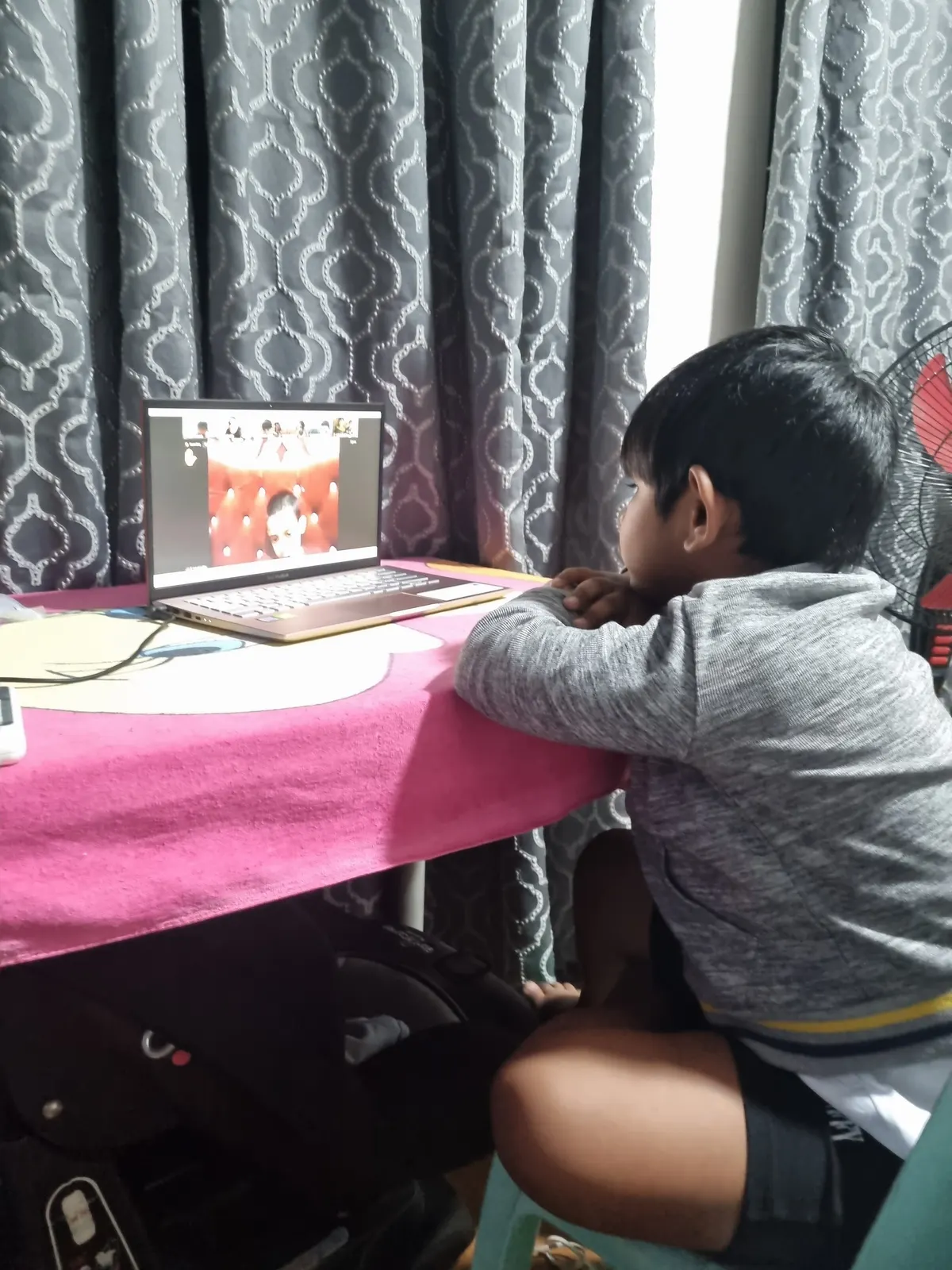
Families first select English or Mathematics Mastery. The learner then completes the relevant subject diagnostic. The programme team reviews the results and confirms a starting level before live classes begin.
What it may assess
English and Mathematics require separate evidence.
English may assess reading, comprehension, vocabulary, grammar, writing and communication. Mathematics may assess number, operations, fractions, measurement, geometry, patterns, data, reasoning and problem-solving. The final domains, duration and task formats must match the live assessment.
How results are used
Diagnostic results support placement, learning priorities and appropriate challenge.
The result may show different strengths within one subject. The programme should not reduce this to one simplistic label. Facilitators combine diagnostic evidence with ongoing observation and formative assessment.
Access and accommodations
The diagnostic should be accessible to eligible learners.
Parents should disclose relevant learning needs before the assessment so the team can consider reasonable accommodations. The final process must state available adjustments, supervision requirements, technology needs and data-protection controls.
What happens after placement
Placement begins the pathway; it does not permanently fix the learner’s level.
Facilitators continue to review practice, application, reflection and progress. A learner may consolidate a skill or move into greater challenge as evidence develops.
Questions parents ask
Reassurance about the assessment process.
Is the diagnostic compulsory?
It is required for English and Mathematics Mastery placement unless the programme team approves an alternative based on recent valid evidence.
Can my child fail?
No. It is not a pass/fail examination. It identifies an appropriate starting point.
Is there one combined test?
English and Mathematics use separate diagnostics because they assess different skills.
Will parents receive the results?
A parent-facing summary should be provided. The exact report and turnaround time require programme confirmation.
Can a placement be reviewed?
Yes. Parents may request a review and share relevant evidence; the programme team makes the final decision.