
Capstone + Tinkering: Make an Idea Your Own
Open-ended exploration and structured capstones give ready learners space to combine skills, test choices and present original work.
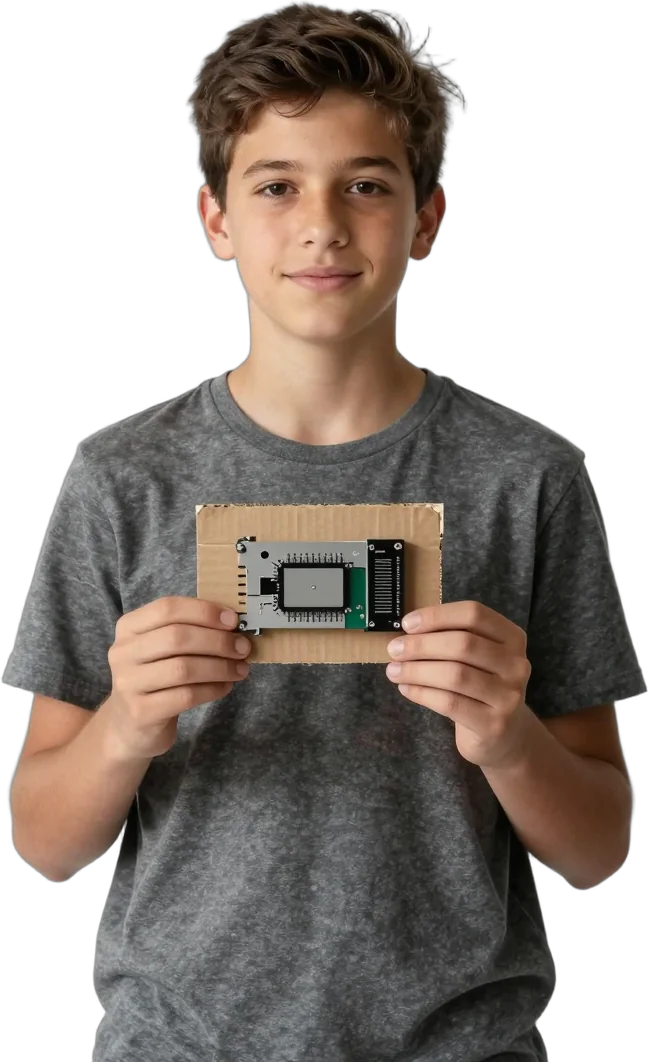



Two different forms of learner ownership
Tinkering creates room to explore; a capstone provides a longer framework for solving a defined problem.
They are connected, but they are not the same product promise. Tinkering may appear when a learner has enough familiarity, time and safe access to tools. A capstone is an optional advanced experience for Builder-ready learners, not an automatic conclusion to every module.
What tinkering means
Tinkering is purposeful experimentation without one prescribed final answer.
Learners use familiar tools and concepts to try an idea, take something apart conceptually, modify a design or combine techniques in a new way. A facilitator sets safety boundaries, asks useful questions and helps locate resources, while the learner decides what to test next. The outcome may be a working model, a partial prototype or a well-understood failure that informs another attempt.
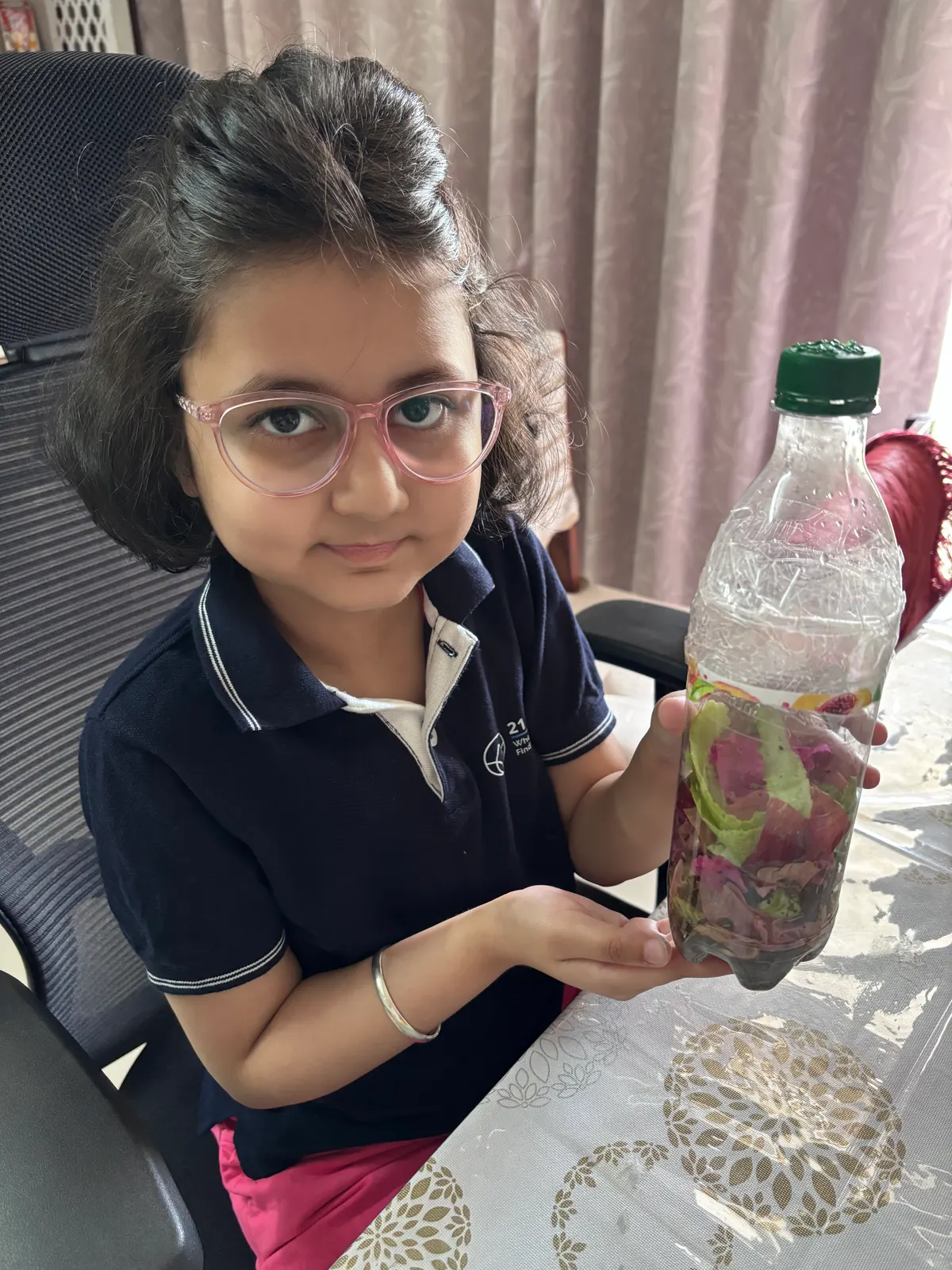
What a Capstone means
A capstone is a sustained, learner-led project with a defined problem, process and presentation.
It may bring together Robotics + Design, Coding + Gaming, Electronics and AI + IoT. The scope is agreed according to readiness, time, tools and safety. A capstone should demonstrate how the learner thinks and iterates, not only whether the final prototype works.
Phase 1: Define and plan
The learner turns an interest or problem into a feasible project direction.
Work can include problem identification, research, brainstorming, choosing an approach, sketching or digital design, defining success criteria and planning a prototype. The facilitator helps the learner narrow the scope and identify constraints without taking over the decisions.
Phase 2: Build and improve
The learner develops evidence through repeated cycles of making and testing.
They build or code, test assumptions, debug faults, collect feedback, improve the prototype and prepare a demonstration or presentation. Documentation may include notes, diagrams, code, photographs, test results and explanations of what changed.
Possible combinations
A strong project can connect more than one pathway when the connection serves the problem.
A learner might design and program a robotic device, create an app that responds to sensor data, prototype an electronic alert system or build a game with a custom physical controller. These are examples, not guaranteed project briefs.
What facilitators do
Facilitators protect safety and momentum while leaving intellectual ownership with the learner.
They help learners access tools, break down an obstacle, check feasibility and reflect on evidence. They do not prescribe every step or quietly complete the difficult parts. This distinction is central to authentic project work.
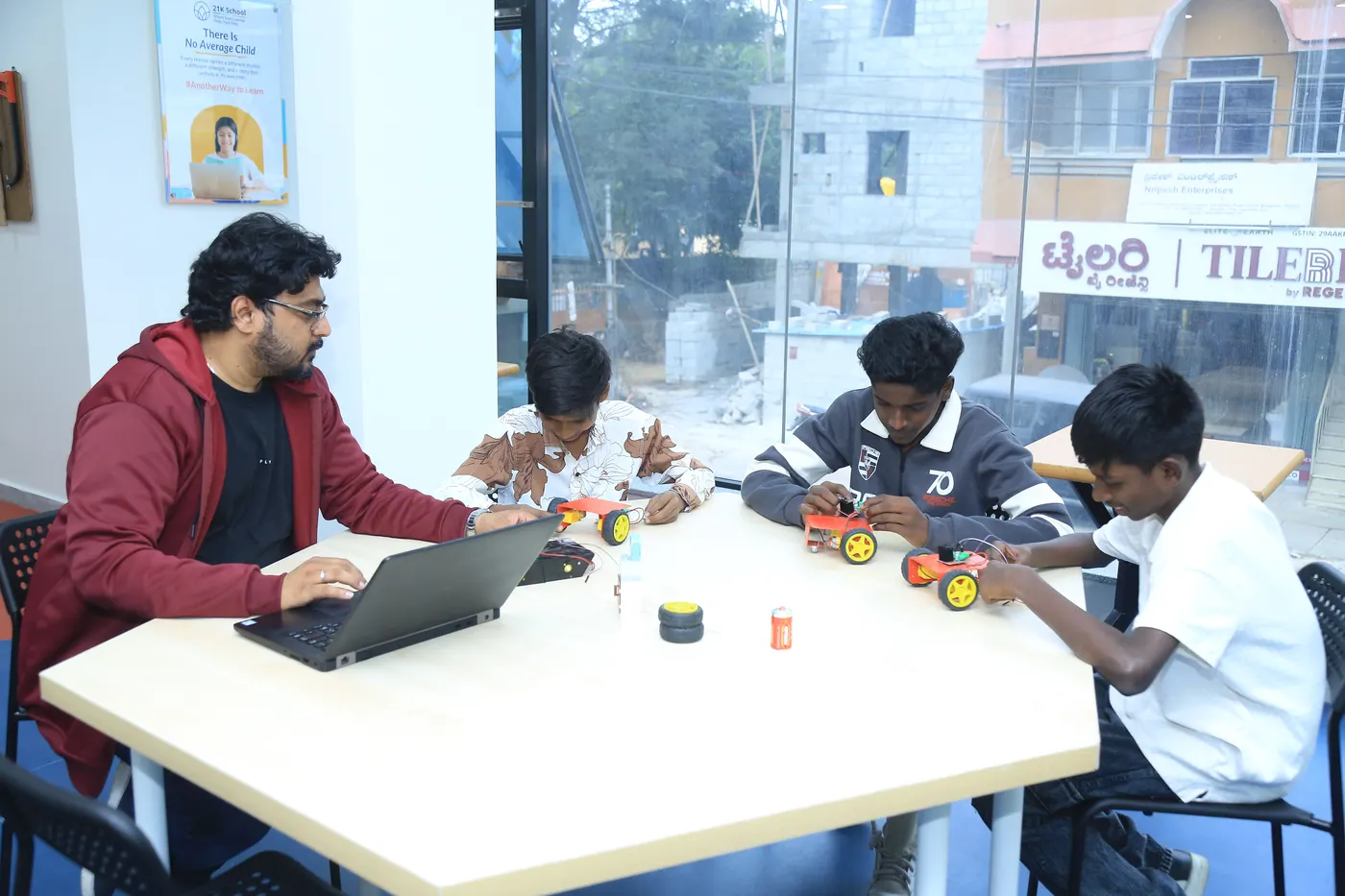
What learners can show
The process produces evidence that can support reflection and a broader learning portfolio.
Useful evidence may include the initial problem statement, planning documentation, prototype iterations, code or design files, testing notes and a final demonstration. Public display or publication depends on consent and centre policy.
Questions parents ask
Clear distinctions between these advanced learning experiences.
Does every Starter, Explorer or Builder module include tinkering?
No. Tinkering may be included when appropriate, but it is not guaranteed as the closing activity of every tier.
Is a capstone compulsory?
No. It is an optional pathway for learners with the readiness, time and foundational skills to sustain a larger project.
Can a capstone combine several subjects?
Yes. It can combine robotics, design, coding, gaming, electronics, AI or IoT when the combination supports a coherent problem.
Will the facilitator choose the project?
The facilitator helps define a safe, feasible scope, but the learner should own the key choices, iteration and explanation.
Can capstone work be used in a portfolio?
The planning, iterations and final demonstration can provide useful portfolio evidence. Suitability for any specific application depends on that institution’s requirements.