
Public Speaking: Turn Ideas into Clear Communication
Learners build the confidence and practical skill to organise ideas, address an audience and respond thoughtfully.




More than stage confidence
Speaking well involves thinking, listening and adapting—not simply speaking loudly.
The programme helps learners structure ideas, choose language for an audience, use voice and body language, and communicate with purpose. Confidence develops through repeated participation and specific feedback rather than pressure to perform perfectly.
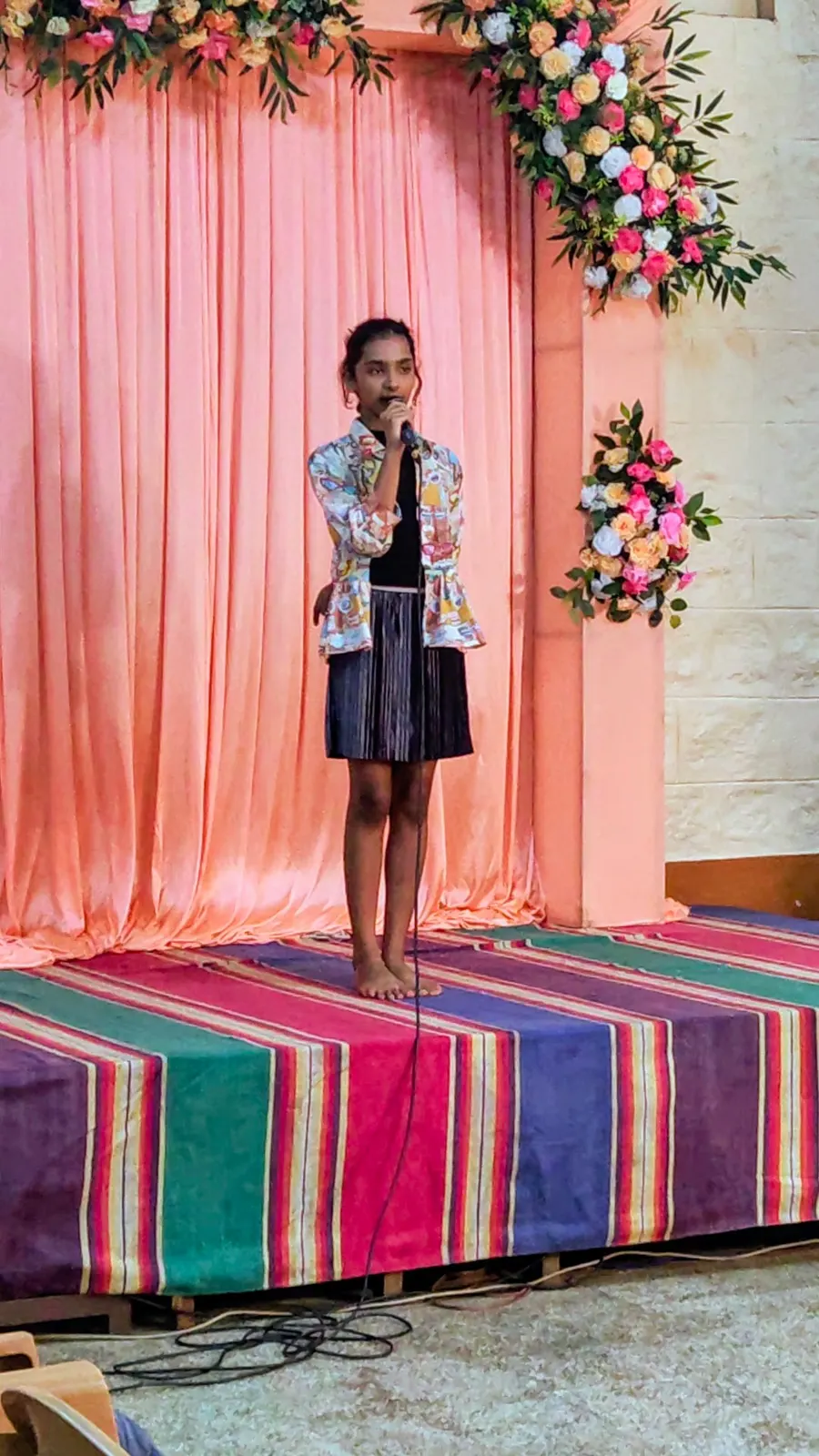
Learning by speaking
Every live session creates opportunities to practise.
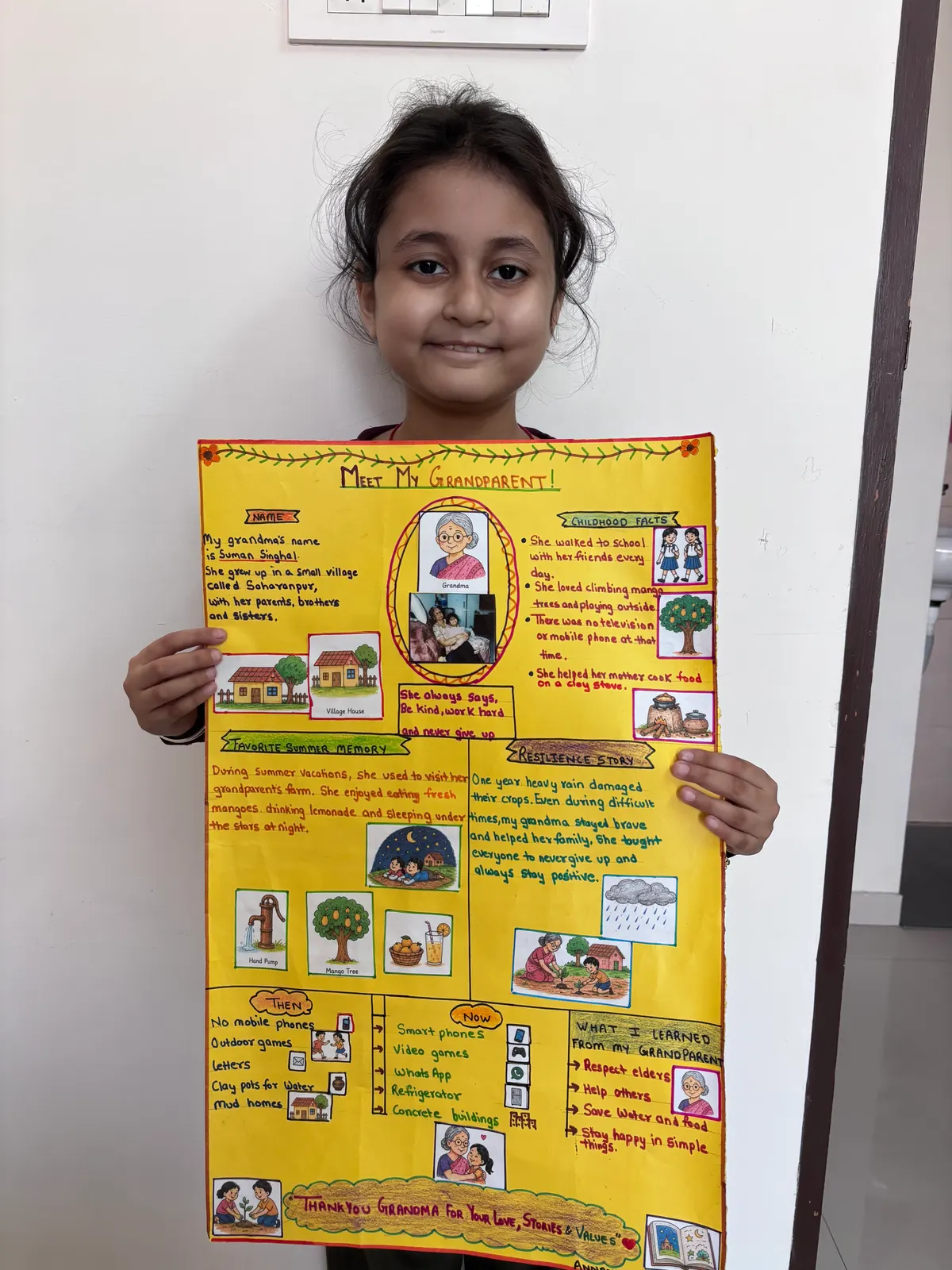
Activities may include
- Storytelling
- Role Play
- Speeches
- Presentations
- Discussions
- Debates
- Persuasive Communication
- Interviews
- Panels
- Pitching
- Facilitation
Learners reflect on what worked, listen to peers and improve through another attempt.
Three levels
Level 1: Build confidence and structure
The first level establishes foundational speaking habits.
Learners may work on articulation, listening, idea organisation, storytelling, short presentations, interaction and audience awareness. The emphasis is on participating safely and expressing a complete thought with increasing clarity.
Level 2: Communicate with purpose
The second level develops greater range and responsiveness.
Learners may practise debates, interviews, persuasive speaking, visual presentations, innovation pitches, podcast-style conversations and group facilitation. They learn to adapt a message to context and engage with questions or different viewpoints.
Level 3: Lead communication
The third level should move towards strategic communication and independent performance.
How progress is assessed
Assessment is continuous and performance-based.
Facilitators may consider clarity, organisation, articulation, delivery, audience engagement, listening, responsiveness and improvement. Activities are learning opportunities rather than high-stakes competitions. Individual feedback is provided within the group format, with depth depending on the activity and cohort size.
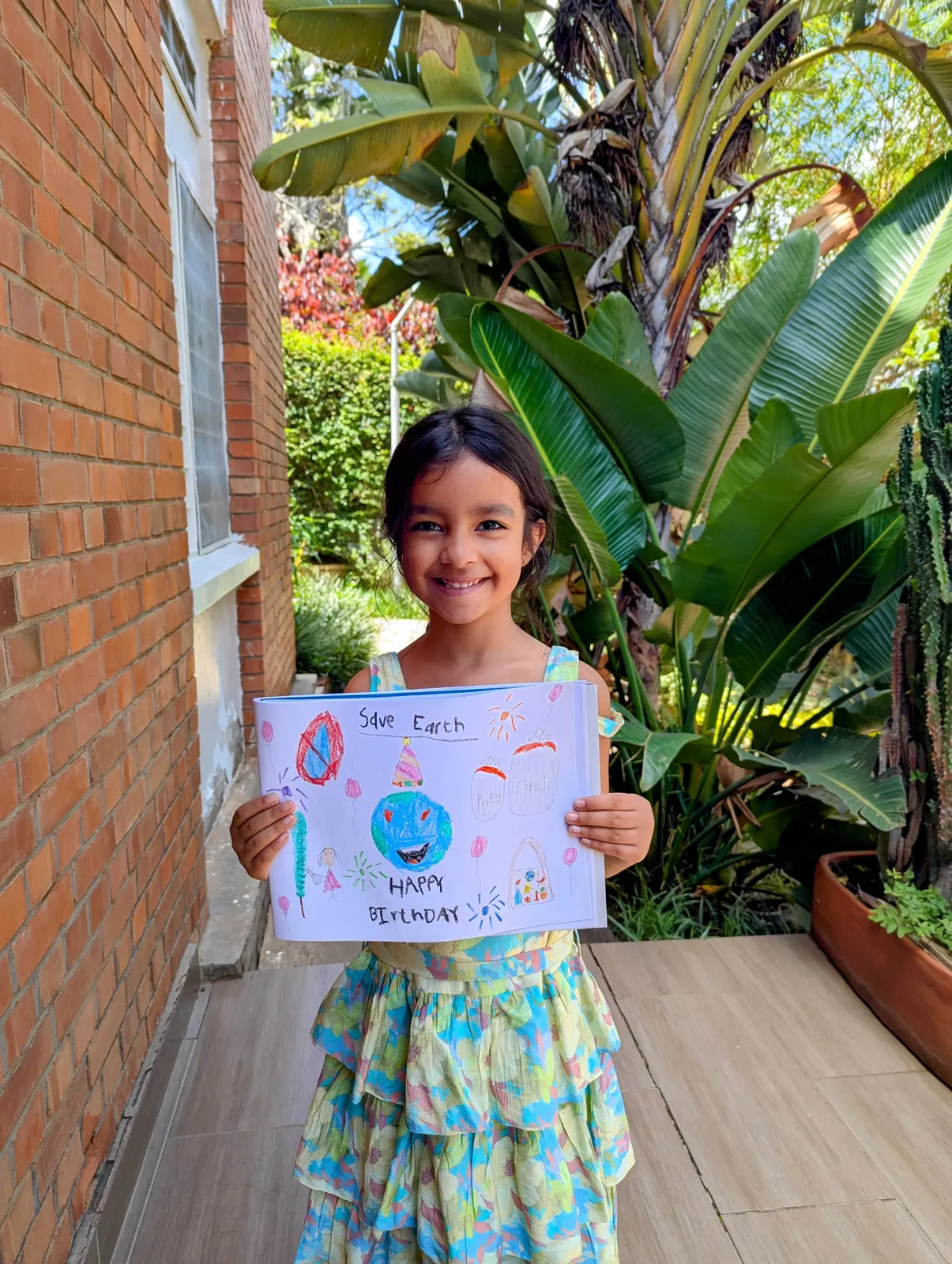
Safe participation and recordings
Learner voice, image and identity require appropriate protection.
Sessions or showcases should be recorded or published only under the approved privacy and consent process. No learner performance should be used for promotion without documented consent.
Programme structure and fee
Public speaking serves Grades 3–12.
Each level runs for three months through 24 live sessions of 40 minutes. The fee is ₹9,000 plus GST for Grades 3–6, ₹11,000 plus GST for Grades 7–8 and ₹12,000 plus GST for Grades 9–12.
Questions parents ask
How the programme supports different speakers.
Can a hesitant learner join?
Yes. Level 1 is designed to build participation progressively in a supportive group.
Is this only for speeches?
No. Learners practise conversations, storytelling, presentations, debates, interviews, pitching and facilitation according to level.
How is individual feedback given?
Facilitators provide observations during and after activities. The approved frequency and format will be confirmed for each cohort.
Are performances recorded?
Only where the programme has an approved purpose and the required learner and parent consent.
Will this guarantee success in interviews or admissions?
No. The programme builds communication capability but does not guarantee any external selection outcome.