

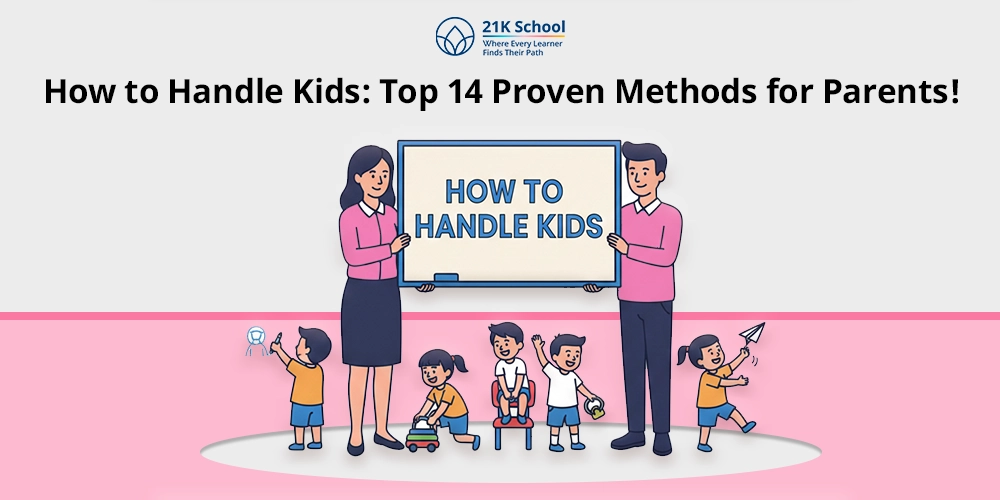
Kids, especially at a young age are curious and cheerful to explore beyond their limits. It is advantageous for them to learn new concepts quickly.
But, sometimes it may lead them in trouble. That’s why handling kids is important to offer them the right environment to learn through play without any obstacles.
If you are a parent of a young child or a teacher then this blog is for your support. Here, we will understand 14 helpful ways on how to handle kids. Let’s begin!
Table of Contents
- How to Handle Kids- 14 Helpful Ways for You
- 1. Involve Your Child
- 2. Model Good Behavior
- 3. Praise Proper Behavior
- 4. Teach Empathy
- 5. Catch Kids Being Good
- 6. Enforce Consequences
- 7. Listen Carefully
- 8. Make Time for Your Kids
- 9. Have a Good Offense
- 10. Help Kids Practice Patience
- 11. Help them Label Emotions
- 12. Set Clear Expectations
- 13. Set Limits
- 14. Stay Consistent
- Conclusion
How to Handle Kids- 14 Helpful Ways for You
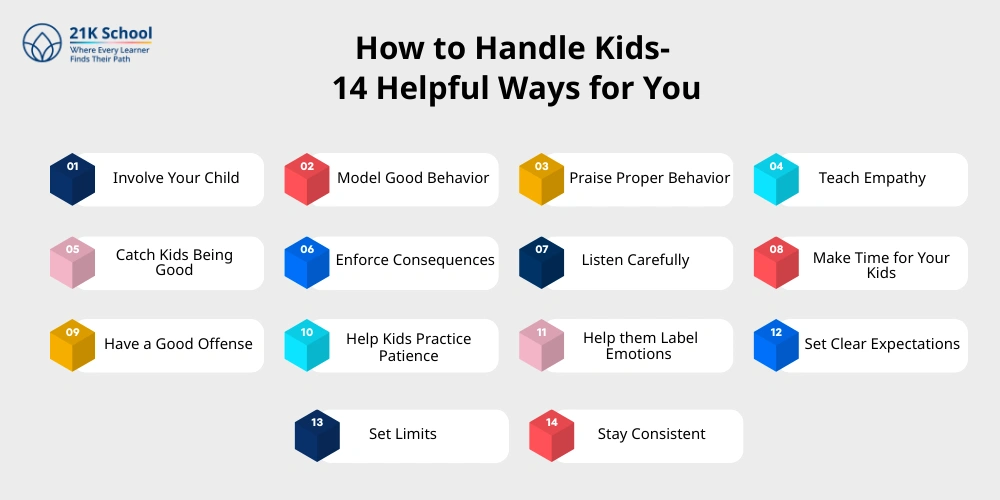
Parents and teachers often worry about how to handle kids. Go through 14 helpful ways to handle kids:
1. Involve Your Child
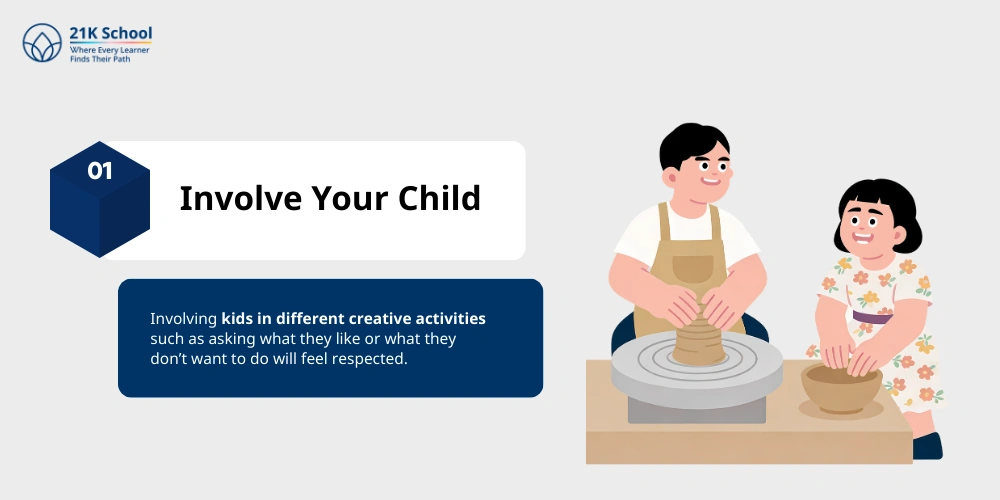
Involving kids in different creative activities such as asking what they like or what they don’t want to do will feel respected.
In this way, kids automatically participate and make decisions for themselves from a young age.
Some common examples such as parents asking which book they like to read before going to bed or the colour of the wall they want in the room.
2. Model Good Behavior
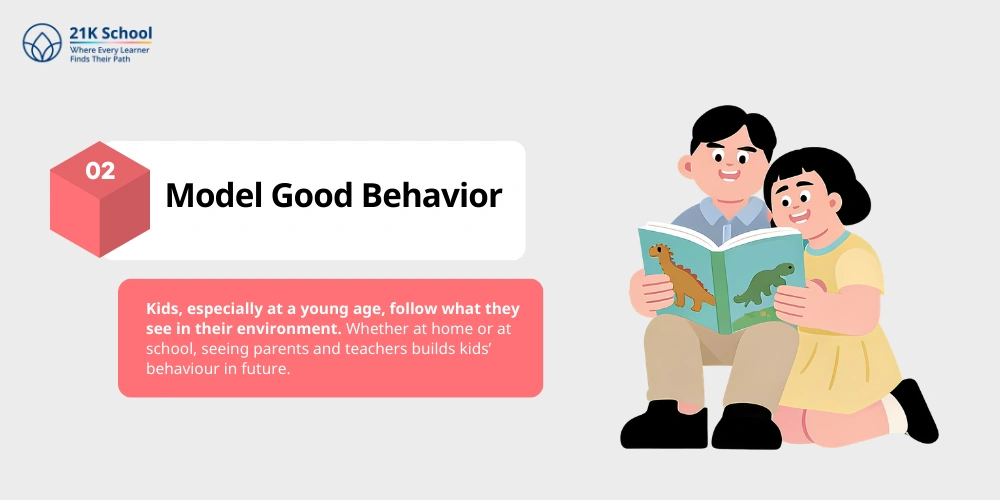
Kids, especially at a young age, follow what they see in their environment. Whether at home or at school, seeing parents and teachers builds kids’ behaviour in future.
So it’s important to create an environment in which people speak with politeness, respect, and dedication instead of frustration and anxiety which can have a negative impact.
3. Praise Proper Behavior
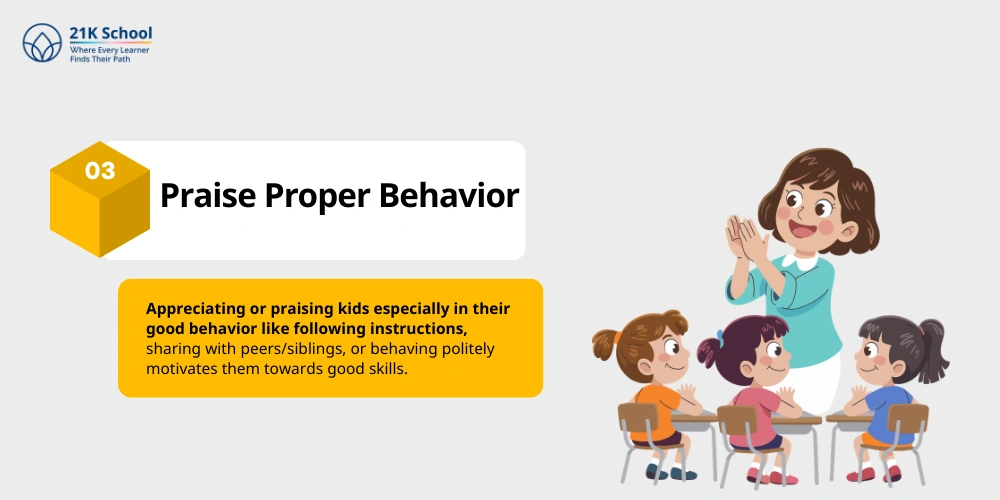
Appreciating or praising kids especially in their good behavior like following instructions, sharing with peers/siblings, or behaving politely motivates them towards good skills.
Rather than saying good job or keep it up teachers and parents can also choose different techniques to praise kids.
For example:
- Give them a start or batch
- Clapping in front of classroom
- Give useful resource like pen
4. Teach Empathy
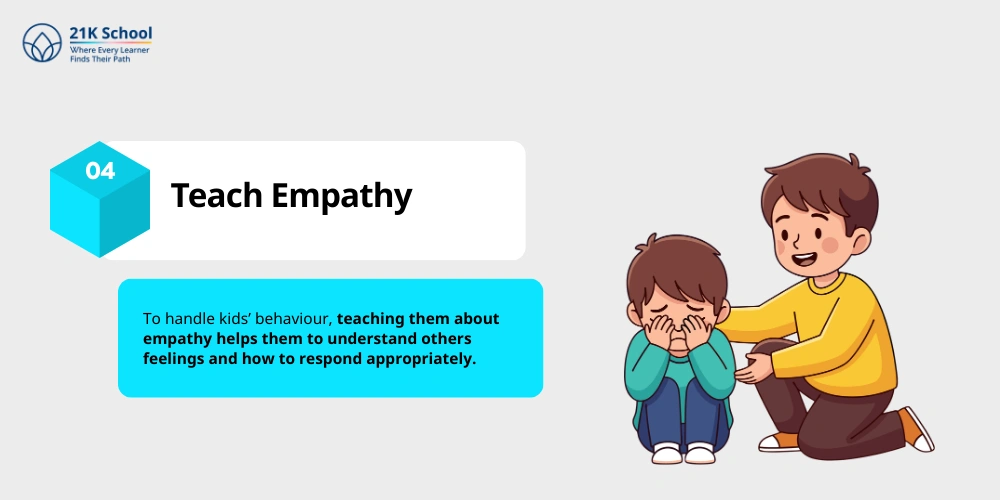
To handle kids’ behaviour, teaching them about empathy helps them to understand others feelings and how to respond appropriately.
To teach empathy one can use different activities for example, roleplay, discuss emotions, emotion collage, empathy display, story time etc.
5. Catch Kids Being Good
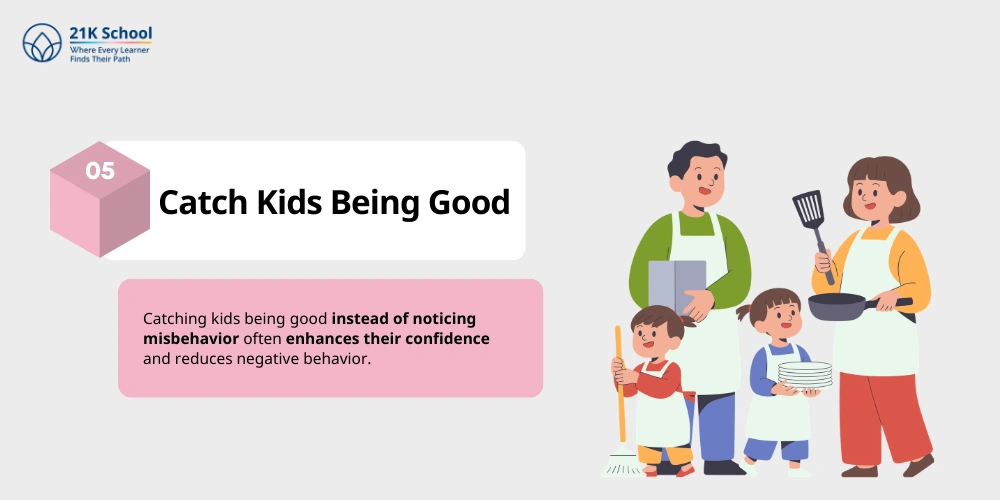
Catching kids being good instead of noticing misbehavior often enhances their confidence and reduces negative behavior.
For example, if a child is doing something wrong or making the space messy instead of punishing them, join and help them in the correct way.
6. Enforce Consequences
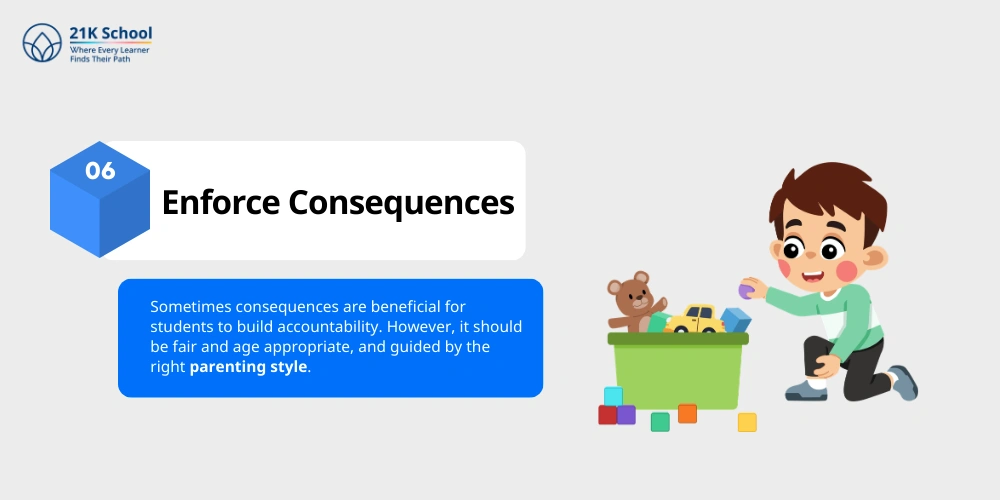
Sometimes consequences are beneficial for students to build accountability. However, it should be fair and age appropriate, and guided by the right parenting style.
Some common examples includes:
- Reducing kids screen time until the homework is finished.
- Clean up the space after playing.
- Accept and apologise for bad behaviour.
7. Listen Carefully
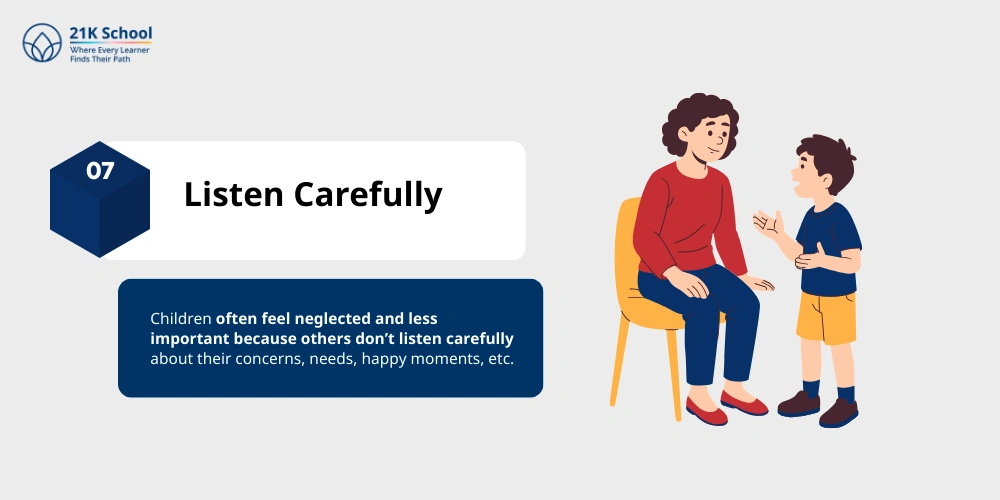
Children often feel neglected and less important because others don’t listen carefully about their concerns, needs, happy moments, etc.
It is crucial to listen carefully and react accurately by maintaining eye contact, avoid interrupting, and acknowledge their feelings throughout the conversation.
8. Make Time for Your Kids
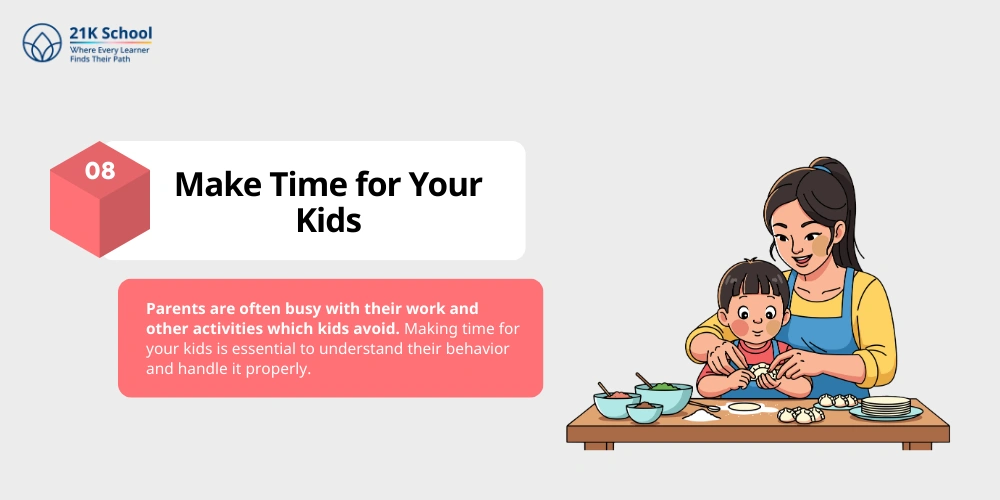
Parents are often busy with their work and other activities which kids avoid. Making time for your kids is essential to understand their behavior and handle it properly.
Full attention helps to avoid anxiety, distraction, and wrong behavior in the initial period.
9. Have a Good Offense
For parents, prevention is better than solving in the end. It means taking care of all the daily needs of your kid.
Some common areas every parent should keep their eye on:
- Pack snacks before going out
- Carry toys or books during long waits
- Ensure they get enough sleep
- Prepare them before transitions
10. Help Kids Practice Patience
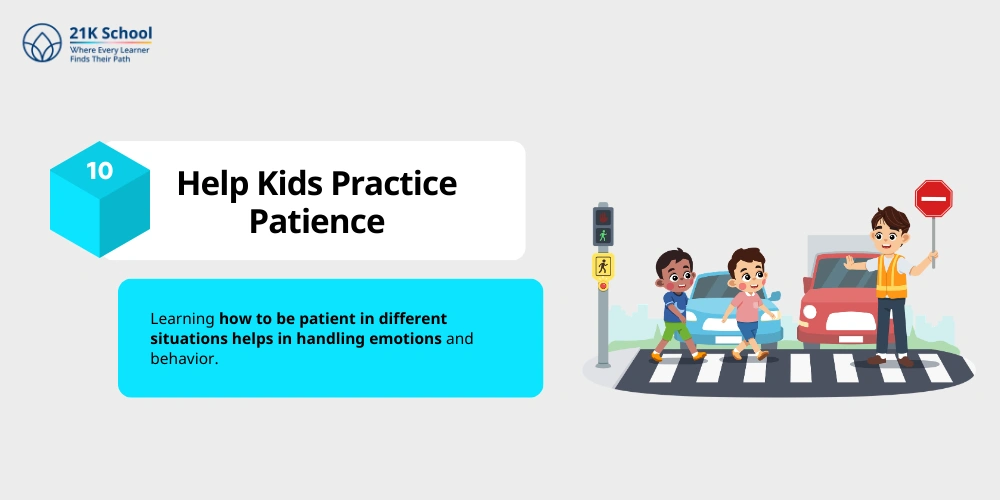
Learning how to be patient in different situations helps in handling emotions and behavior. One must help kids practice patience to control their emotions.
Through simple and quick tasks this can be done. For example:
- Waiting for their turn
- Doing puzzles
- Playing board games
11. Help them Label Emotions
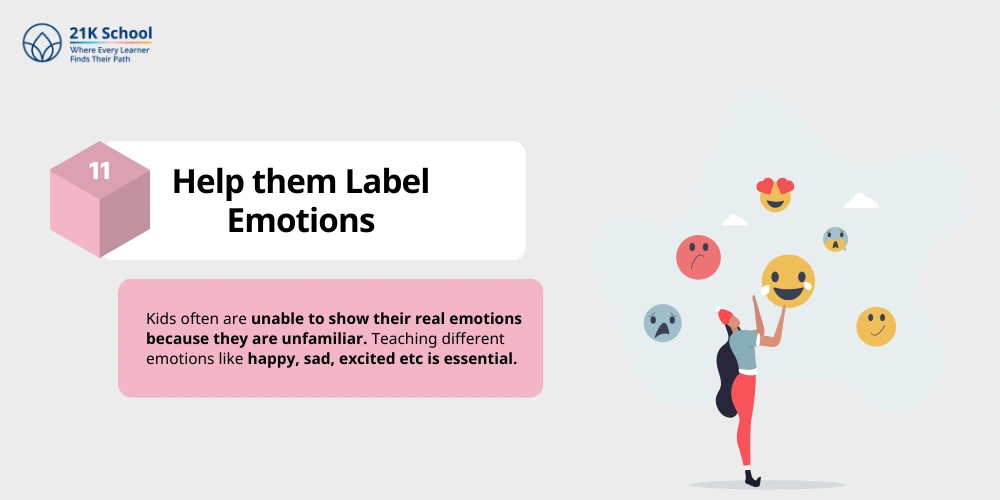
Kids often are unable to show their real emotions because they are unfamiliar. Teaching different emotions like happy, sad, excited etc is essential.
By labeling emotions, it helps kids to express themselves in the most appropriate ways.
12. Set Clear Expectations
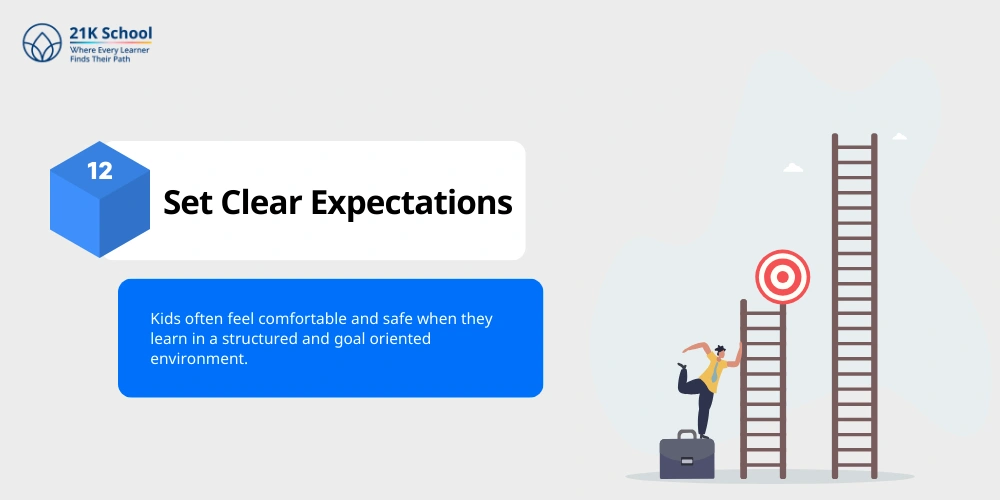
Kids often feel comfortable and safe when they learn in a structured and goal oriented environment.
However, setting achievable and clear expectations help them to become consistent and confident to achieve their short-term and long-term goals.
13. Set Limits
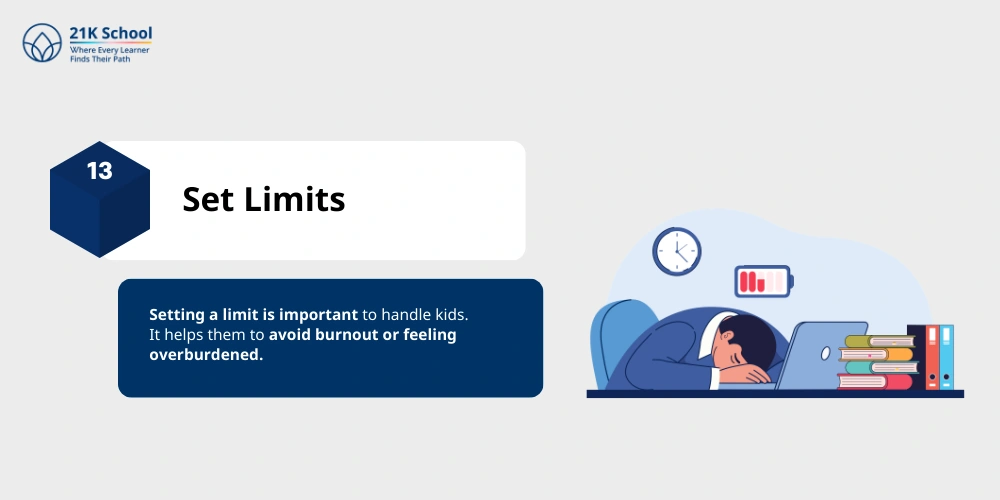
Setting a limit is important to handle kids. It helps them to avoid burnout or feeling overburdened. In this way, kids learn discipline, self-control, and respect for rules.
Some common examples like screen time is limited to an hour or daily bedtime rule. Check here to understand why a bedtime routine is important for kids.
14. Stay Consistent
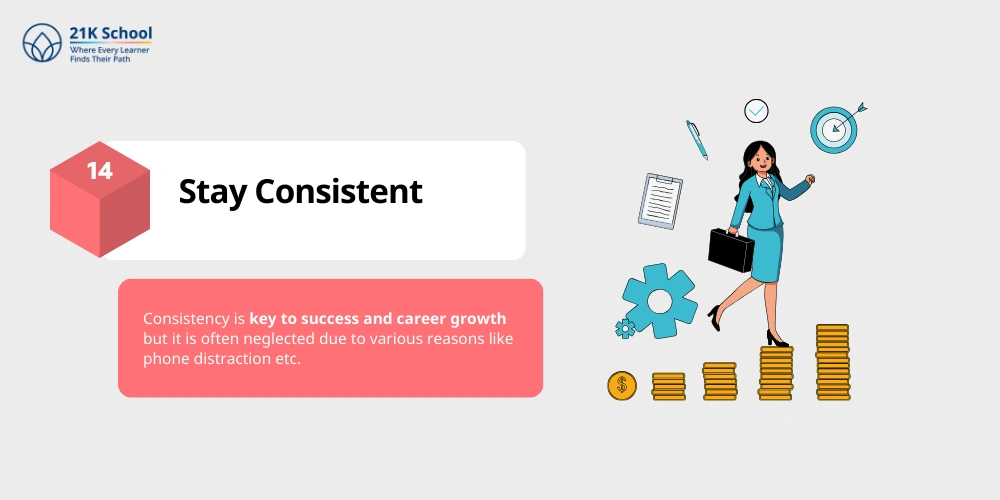
Consistency is key to success and career growth but it is often neglected due to various reasons like phone distraction etc.
To handle kids, let them know the importance of becoming consistent. In this way, kids feel more secure and behave more responsibly.
Conclusion
Parents and teachers always look for strategies that help them to handle kids in home and school.
The above-mentioned strategies are not only helpful for kids’ behaviour but also overall growth for future success.
To create a healthy environment where kids can learn and play without obstacles, go through the 14 most popular ways to handle kids.

You may also want to read