
Indian Languages: Keep Identity in Active Use
Learners build the confidence to understand, speak, read and write a language that connects them with family, culture and community.
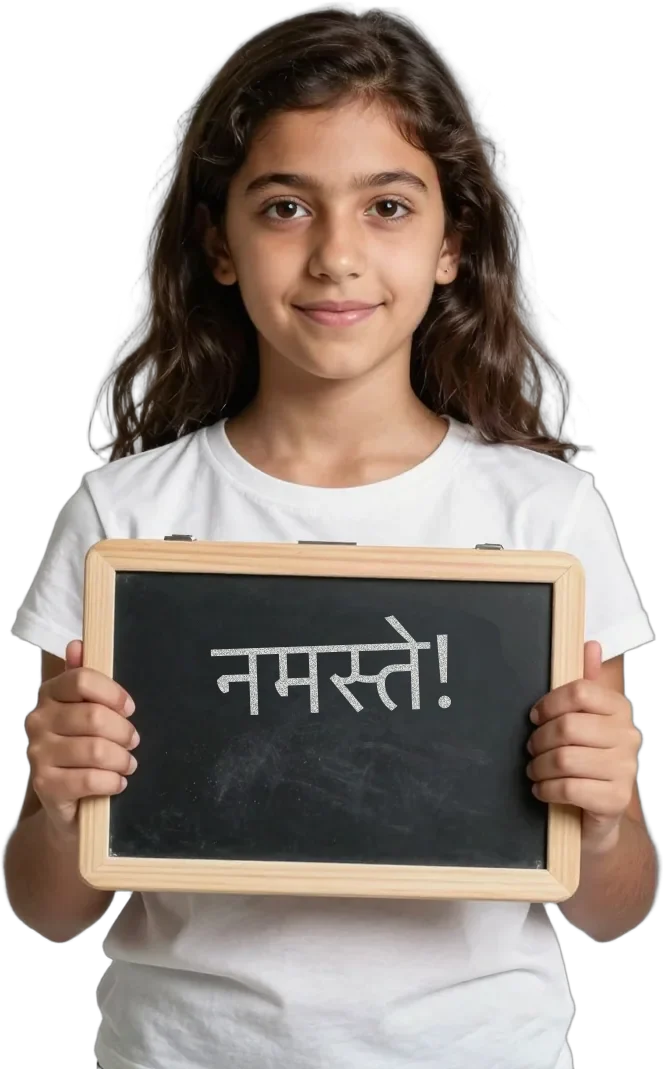



Eight Indian languages
Families can select the language that is meaningful to their learner.
FLOWW currently offers Hindi, Kannada, Malayalam, Marathi, Sanskrit, Tamil, Telugu and Urdu. Each programme uses the standard academic script and commonly accepted language form. Regional usage and cultural variation may be introduced where it helps learners understand authentic communication.
Why families choose an Indian language
The reason may be personal, academic or practical.
A learner may want to speak more confidently in their heritage language making them feel more at home with family, read and write a home language, understand regional literature, or gain functional ability in a language used by friends and community. Others begin with no family connection and choose a language out of interest.
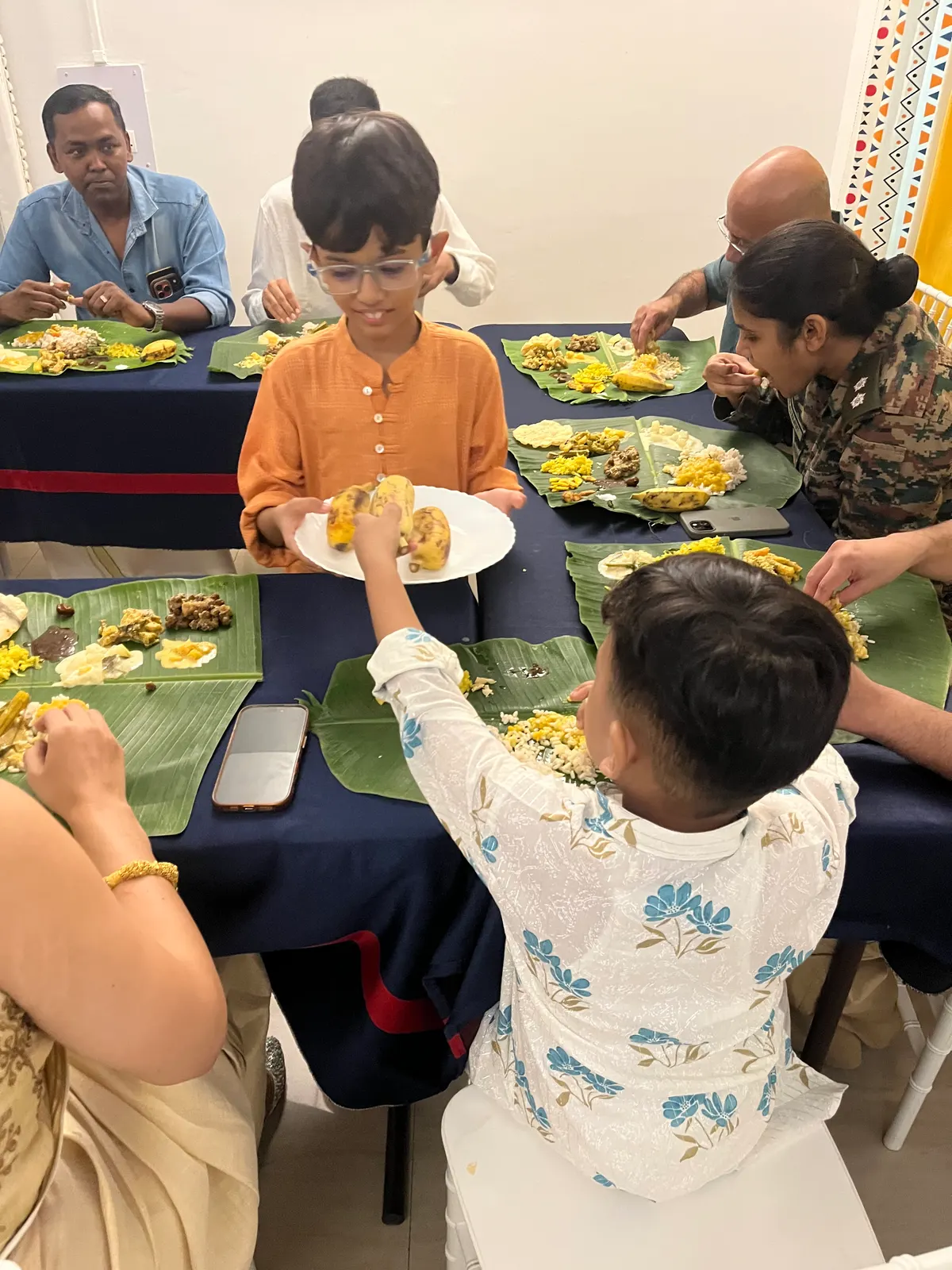
How learning progresses
Listening, speaking, reading and writing develop together, but not always at the same pace.
Early learning builds familiar vocabulary, sound recognition, greetings, simple exchanges and script awareness. Learners then move towards sentence formation, reading fluency, comprehension, grammar, structured writing and independent expression. Across the pathway, stories, poems, role play, discussions, projects and cultural themes connect language with family life, community, festivals, literature and everyday situations. The exact sequence remains language-specific because each script and language structure develops differently.
Heritage speakers and beginners
Prior exposure is useful information, not a shortcut to placement.
A heritage speaker may understand everyday speech but need systematic support with script, spelling or formal expression. A beginner may need more listening and sound–symbol practice. Placement considers what the learner can currently do across all four skills.
Live online learning
Language develops through interaction and repeated use.
Sessions may include guided conversation, songs and audio, storytelling, role play, reading aloud, comprehension, vocabulary and grammar in context, writing tasks, projects and short presentations. Learners might introduce family members, describe routines, interpret a poem, retell a story or present a cultural topic. Facilitators use internal, level-wise resources rather than relying on one external textbook.
The programme runs for ten months with two live 40-minute classes per week. June is the main start, with additional cohorts where available.
Who teaches
Indian Languages are facilitated by qualified language educators.
Facilitators are expected to understand language pedagogy, script acquisition, pronunciation and the cultural context of the language they teach.
What progress looks like
Parents should see specific evidence of what a learner can now understand and communicate.
Progress may be evidenced through speaking activities, reading fluency, comprehension responses, writing samples, projects and facilitator observations. Families receive parent connects during the year and an overall report at programme completion.
Questions parents ask
Common questions about Indian Languages.
Which grades can join?
The current programme serves Grades 1–8, subject to language and cohort availability.
Can my child join as a complete beginner?
Yes, where a beginner level is available. Previous exposure and readiness help determine placement.
Can my child learn a family language they already speak?
Yes. Heritage speakers can strengthen reading, writing, vocabulary and formal communication through appropriate placement.
Do you teach regional dialects?
Programmes use the standard academic form. Facilitators may introduce relevant regional usage without replacing the core curriculum.
What is the programme fee?
The current listed fee is ₹12,000 for ten months. GST, invoicing and payment terms depend on learner type and must be confirmed at enrolment.