
Senior School in Puducherry for Grades 9 to 12
A planned pathway for board success, university readiness and life beyond school




Senior school with purpose, depth and direction
The senior years ask learners to make increasingly consequential choices: which subjects to pursue, how to prepare for Board examinations, what strengths to develop and which possibilities to explore after school.
21K School, Puducherry plans to introduce Grades 9–12 progressively, with a pathway towards the Indian Certificate of Secondary Education examination in Grade 10 and the Indian School Certificate examination in Grade 12.
The programme is intended to combine strong subject teaching, disciplined Board preparation, laboratories, technology, personal guidance, career exploration, wellbeing support and the wider opportunities of the 21K learning ecosystem.
Senior School is not part of the inaugural 2027–28 intake. Its introduction remains subject to statutory permissions, CISCE affiliation and applicable requirements.
A deliberately limited senior school
- Maximum 24 learners in a section
- Maximum two sections per grade
- Monday to Friday
- Subject-specialist facilitators
- Dedicated academic leadership
Senior School will be housed in Anantha—The Infinite—within La Lumière, the campus identity of 21K School, Puducherry. Anantha includes separate science laboratories, the Learning Garage, activity and recreation spaces, and open learning areas for discussion, collaboration and technology-enabled independent work.
Why families will choose senior school at 21K School, Puducherry
Board preparation without reducing school to examination coaching
Board examinations require knowledge, disciplined practice, command of the syllabus and the ability to perform under formal conditions. The planned Senior School will prepare learners systematically while continuing to value understanding, application, communication, practical work and intellectual curiosity.
Subject decisions made with evidence and conversation
Choices at Grades 9 and 11 can shape later study. Learners and parents will receive structured guidance that considers interests, prior academic evidence, aptitude, future prerequisites and the learner’s willingness to engage deeply with a subject.
Academic challenge for ambitious learners
Small cohorts, subject specialists, advanced learning opportunities, Mastery programmes, laboratory access and benchmark-led planning will help capable learners go beyond minimum requirements and develop greater academic independence.
Support that recognises the pressure of these years
Senior School learners need more than timetable and syllabus management. Counsellors and the learner-support system will address stress, examination pressure, peer and parental expectations, setbacks, decision-making and the emotional demands of transition.
Preparation for the next institution—not only the next examination
Career exploration, university guidance, subject counselling, portfolios, recommendations and exposure to different pathways will help learners understand what comes after school and what they must begin doing now.
A planned progression through Grades 9 to 12
- 1
Grade 9: Building the discipline of secondary study
Grade 9 will establish the conceptual, writing, problem-solving, practical and organisational foundations required for ICSE study. Learners will be expected to manage subject-specific demands, use feedback intelligently and build consistent study habits before the Board year.
- 2
Grade 10: Preparing for the ICSE examination
Grade 10 will focus on syllabus completion, revision planning, application, examination technique, timed writing, past-paper practice and mock examinations. Feedback will help learners identify patterns in performance rather than merely react to individual scores.
- 3
Grade 11: Choosing direction with care
Grade 11 will mark a shift towards greater specialisation. Subject selection will consider university prerequisites, career interests, learner strengths and the academic demands of each course. The first year of ISC study will build depth, independent reading, practical work and sustained analytical writing.
- 4
Grade 12: Completing school with clarity and confidence
Grade 12 will combine ISC preparation with university applications, career planning, recommendations, essays or statements where required, and individual guidance. Learners will be expected to manage competing priorities with increasing maturity.
The intended ICSE and ISC pathway
- 1
Grades 9–10: ICSE
The school intends to prepare learners for the Indian Certificate of Secondary Education examination in Grade 10. The academic programme will follow the applicable CISCE regulations, syllabuses, subject requirements, internal-assessment provisions and examination procedures in force at the time.
- 2
Grades 11–12: ISC
The school intends to prepare learners for the Indian School Certificate examination in Grade 12. Subject combinations will be designed in accordance with CISCE requirements, learner progression needs, timetable feasibility, qualified faculty availability and the school’s approved offering.
Traditional labels such as Science, Commerce or Humanities may help families navigate broad directions, but the actual choice must be based on approved subjects, prerequisites and the learner’s intended progression.
Subject choice: Breadth with academic coherence
A long subject list is not the same as meaningful choice. The right combination must keep future pathways open while remaining academically coherent and manageable for the learner.
Before confirming subjects, the school will review previous records, discuss interests and goals, explain workload and prerequisites, and help families understand the implications for further study. The exact counselling and approval process will be published before Senior School admissions open.
Where regulations and school availability permit, learners will be encouraged to build combinations that reflect genuine strengths and future requirements rather than follow a stream label by default.
Board preparation built across the year
A clear academic plan
Each subject will follow a structured plan for content coverage, consolidation, practical work, revision and assessment. Learners and families should understand what is expected, how progress is being evaluated and where intervention is needed.
Past-paper and question practice
Learners will practise applying knowledge to Board-style questions, interpreting command words, organising responses, showing working and managing time. Practice will be followed by specific feedback and revision—not simply a score.
Mock examinations
Mock examinations will help learners experience formal conditions, assess readiness and build stamina. Their purpose is diagnostic: to identify the concepts, techniques or habits that must improve before the Board examination.
Practical and internal assessment
Science laboratories and specialist spaces will support supervised practical work. Projects, practical records and internal-assessment components will be planned and documented in accordance with the applicable CISCE requirements.
Intervention and enrichment
Assessment evidence will inform Zero Period support, targeted revision, one-to-one guidance, small-group intervention and deeper challenges for learners who are ready to advance.
Learning that remains larger than the board
Board success matters, but education cannot become a four-year test-preparation exercise. Learners must still investigate, build, debate, write, create, collaborate and develop informed positions on complex questions.
Laboratory work, Learning Garage projects, Capstones, research, presentations, field experiences, arts, sport and service help learners connect subject knowledge with real problems and real audiences.
The school’s Habits of Mind and learning dimensions will continue to develop persistence, precision, reflection, curiosity, responsible risk-taking and the ability to think flexibly.
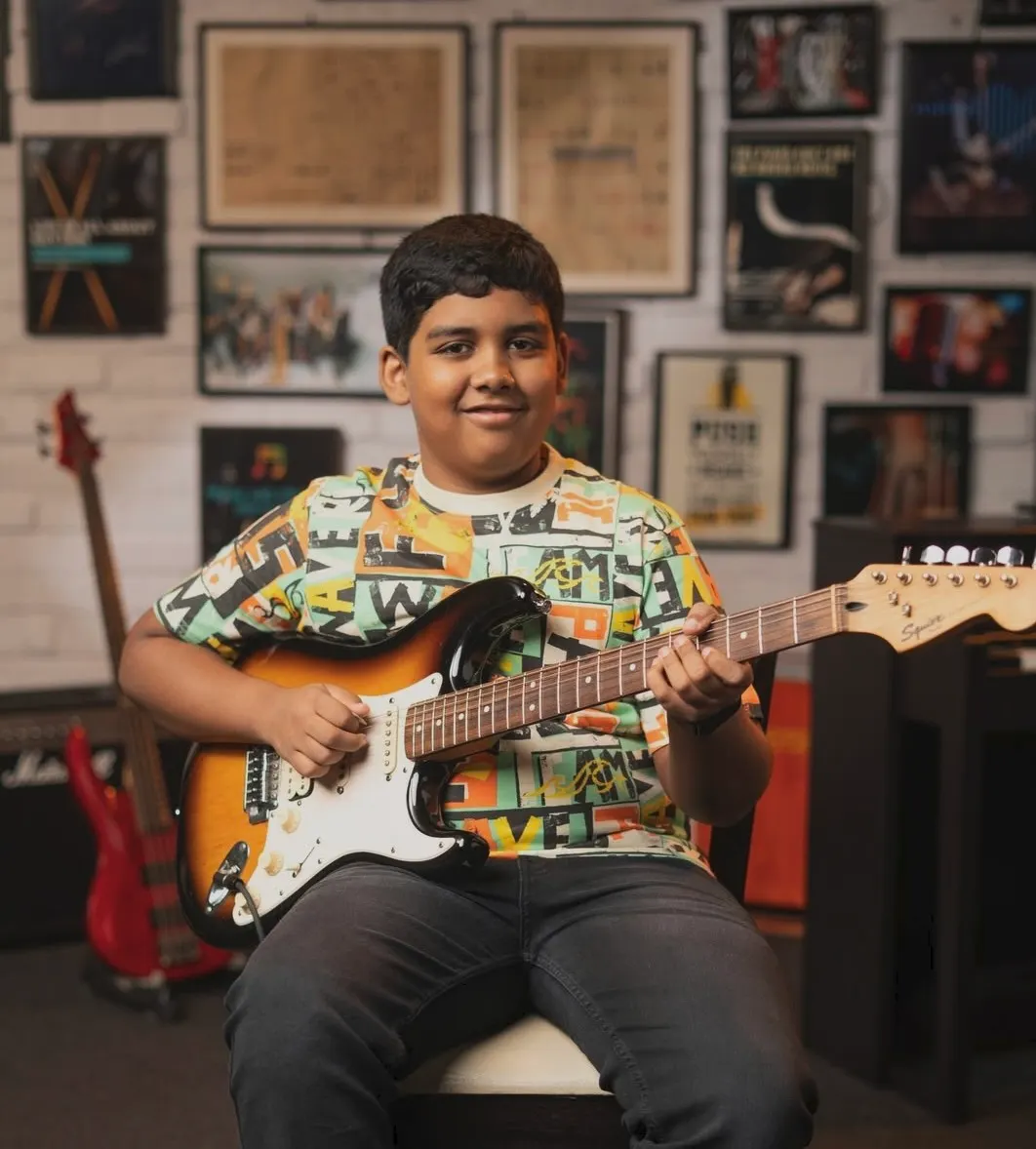
University and career guidance
Understanding the learner
Career and aptitude assessments, academic evidence and guided conversations will help learners recognise patterns in their interests, strengths, working preferences and aspirations. No assessment will be treated as a verdict on what a learner can become.
Choosing subjects and pathways
Guidance will support critical transition points, particularly entry into Grade 9 and the move from Grade 10 to Grade 11. Learners and parents will understand subject prerequisites, possible routes and the level of commitment different choices require.
Exploring universities and careers
Career fairs, university interactions, information sessions and individual counselling will expose learners to programmes and institutions in India and abroad. Guidance will help families compare fit, recognition, entry criteria and longer-term progression.
Application support
As learners approach graduation, the school plans to support university shortlisting, application planning, school records, recommendations and essays or personal statements where applicable. Final services will depend on the destination, programme and requirements in force at that time.
The school will provide guidance but will not position its academic programme as coaching for competitive entrance examinations.
A senior school day built around chosen subjects
Senior School will operate as a full-day, Monday-to-Friday campus programme. The timetable will be organised around the approved subject offering, practical requirements, guidance, physical education, enrichment and independent work.
Zero Period will remain part of the model, providing time for reinforcement, enrichment, revision, feedback, counselling or focused academic support.
Technology for research, practice and creation
Senior School learners will bring a prescribed laptop with a webcam and headphones each day. Technology will support research, personalised practice, coding, formative assessment, presentations, academic collaboration, virtual resources and selected global programmes.
The campus will also provide library-based day-loan laptops in limited numbers. Device use will remain purposeful; direct teaching, books, written work, laboratory practice, discussion, arts, sport and face-to-face collaboration remain essential.
Learners will be expected to use technology with academic integrity, protect personal information, evaluate sources and understand the responsible use of AI and other emerging tools.
Assessment, reporting and certification
The Senior School assessment system will align with applicable CISCE syllabus, internal-assessment and examination requirements. It is expected to include formative work, projects, practicals, school examinations, mock examinations and Board-directed components.
Families will receive formal reports, parent–teacher meetings, on-demand conversations, dashboard information and individual guidance at critical decision points. Learners will be expected to understand their own evidence, identify gaps and take responsibility for improvement.
Final ICSE and ISC examinations, results and certificates will be governed and issued in accordance with CISCE regulations applicable to affiliated schools and registered candidates.
Teachers and academic leadership for the senior years
Senior School requires subject specialists who can teach advanced content, prepare learners for formal assessment and guide them towards independent study. Educators will be graduates or postgraduates with B.Ed. qualifications or other relevant credentials and will continue professional development through 21K’s Learning Excellence system.
The programme will have dedicated academic leadership appropriate to Grades 9–12.
Wellbeing and learner support during high-pressure years
The senior years bring examination pressure, subject decisions, changing friendships, parental expectations and uncertainty about the future. Support should be available before a learner reaches crisis.
Learners will have access to counsellors and a wider support system for stress management, study habits, peer concerns, setbacks, motivation and responsible decision-making. Parent and learner conversations will help align expectations and identify where academic, emotional or specialist support is needed.
Learning support will include both remediation and enrichment. Gifted and advanced learners require challenge, deeper work and opportunities to pursue interests with greater independence.
Leadership, clubs and life beyond academics
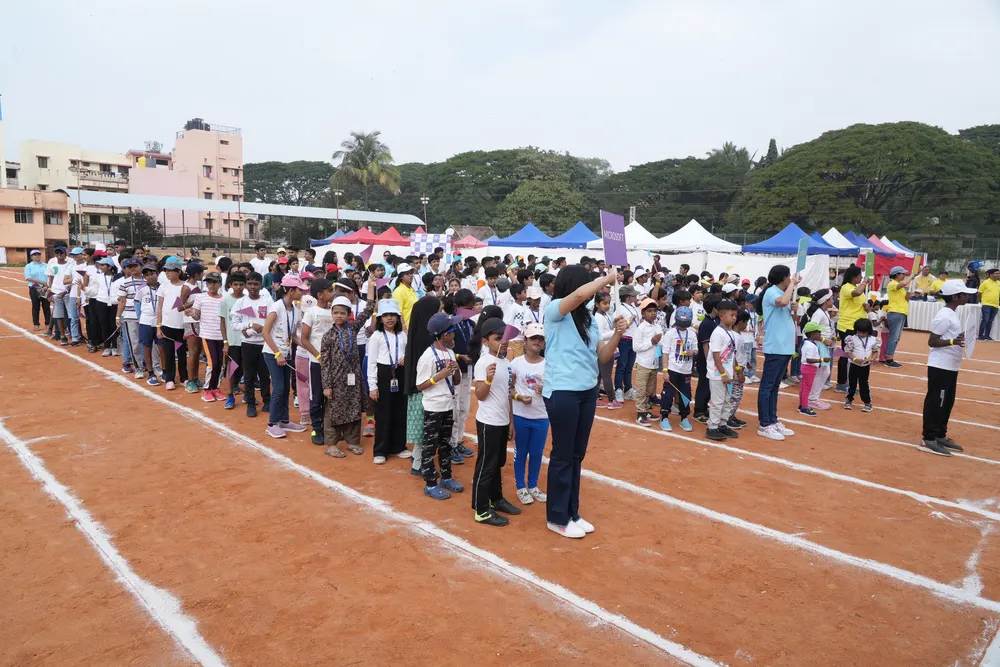
Senior learners will be encouraged to contribute to the school community through leadership, service, mentoring, learner-led conferences, assemblies, clubs and public events.
Clubs may include the TED-Ed Student Talks Program, Book Reading Club and experiences in innovation, entrepreneurship, science, technology, arts, communication and practical life skills. Learners select at least one and no more than two clubs during the academic year.
Sports, visual and performing arts, Learning Garage, the House system, Sports Day, Arts Festival, Science Fest, Literary Festival, Annual Day, exhibitions, cultural celebrations and the School Carnival remain part of a complete school experience.
The House system—Google, Amazon, Microsoft and Apple—focuses on belonging, participation, leadership and service rather than competitive points or rank.
Global access from Anantha
Core academic learning will be conducted face-to-face on campus. Selected languages, Mastery programmes, Capstones, benchmark testing, events, advanced learning and collaborative experiences may connect Senior School learners with the wider 21K ecosystem.
This gives learners access to additional educators, peers, perspectives and learning opportunities beyond Puducherry while retaining the relationships and accountability of a physical school.
Trips, tours and real-world exposure
Senior learners may participate in local field experiences, domestic learning journeys and selected international programmes, subject to age, readiness, calendar and programme availability. Career fairs, university visits, community engagement and applied projects extend learning beyond the classroom.
Safety, safeguarding and health
Anantha and the wider campus will be supported by a full-time qualified nurse, infirmary, hospital tie-up, trained staff and defined emergency procedures.
Safeguarding will include a designated lead, POCSO and POSH compliance, background and police verification for staff, controlled visitor access, CCTV in classrooms, entrances and appropriate common areas, campus security, professional housekeeping, cybersecurity controls and digital citizenship education. CCTV footage will remain restricted to authorised personnel and will not be available for routine parent viewing.
21K School, Puducherry is being developed as an inclusive and physically accessible campus.
Admission to the planned senior school
Senior School admissions will open only after the relevant grades, approvals, subject offerings and academic requirements are confirmed.
Admission is expected to consider age eligibility, previous school records, a parent and learner interaction, subject readiness, the school’s ability to support the learner appropriately and seat availability. Additional requirements may apply in Board years or where subject prerequisites must be demonstrated.
No admission promise is made for Grades 9–12 as part of the inaugural 2027–28 intake.
Questions parents ask
Will Grades 9–12 open in 2027–28?
No. The inaugural intake is for Nursery to Grade 8. Grades 9–12 will be introduced progressively, subject to statutory permissions, CISCE affiliation and applicable requirements.
Which Board examinations does the school intend to prepare learners for?
The school intends to prepare learners for the ICSE examination in Grade 10 and the ISC examination in Grade 12, subject to CISCE affiliation and the regulations applicable at the time.
When will Senior School admissions open?
Admissions will open only after the school confirms the relevant approvals, grade launch, subject offering and entry requirements. Families may register interest to receive future updates.
Which subjects will be available?
The final ICSE and ISC subject offering and permitted combinations will be published before admissions open. Availability will depend on CISCE requirements, learner progression, qualified faculty, timetable feasibility and the school’s approved programme.
Will learners be forced into rigid streams?
The school will begin with the learner’s intended progression and the approved subjects available. Conventional stream labels may help explain broad directions, but the actual combination must follow CISCE rules, prerequisites and school availability.
How will Grade 10 and Grade 12 learners prepare for Board examinations?
The planned model includes structured syllabus coverage, revision, Board-style questions, past-paper practice, mock examinations, feedback, intervention and practical or internal-assessment preparation where required.
Will the school offer science laboratories?
Yes. Anantha includes separate Physics, Chemistry and Biology laboratories to support supervised practical work and investigation.
Will competitive-examination coaching be provided?
The school will provide academic foundations, subject and career guidance, but will not position its programme as coaching for competitive entrance examinations. Families may select external coaching where they consider it necessary.
How will university guidance work?
The planned system includes career and aptitude assessments, subject-choice counselling, career fairs, university exploration, individual conversations and support with school-generated application materials where applicable.
Will learners need a laptop?
Yes. Senior School learners will bring a prescribed laptop with a webcam and headphones each day.
How many learners will be in each section?
The planned maximum is 24 learners in a section, with no more than two sections per grade.
Will sport, arts and clubs continue in Senior School?
Yes. Senior School is intended to remain a complete educational experience, including physical education, sports, visual and performing arts, Learning Garage, clubs, leadership, service and school events.
What support will be available for stress and wellbeing?
Learners will have access to counsellors and a wider learner-support system addressing academic pressure, study habits, peer concerns, setbacks, motivation and future decisions.
Prepare for the examination. Build for everything after it.
A strong Senior School should help learners earn credible qualifications, but its responsibility does not end there. Learners should leave with knowledge, judgement, self-direction, confidence and a clearer sense of the possibilities ahead.
At 21K School, Puducherry, the planned Senior School will bring together Board preparation, individual guidance, real-world learning and the wider reach of a global learning ecosystem.
Regulatory disclosure
21K School, Puducherry is a proposed school, subject to recognition by the Directorate of School Education, Government of Puducherry.
The school intends to seek affiliation with the Council for the Indian School Certificate Examinations (CISCE), New Delhi. Senior School, ICSE and ISC programmes will be introduced only subject to statutory permissions, CISCE affiliation, approved subjects and the requirements applicable at the time.