



Ever wondered why self-education is good among students?
Self-study refers to a situation of learning without being under the direct guidance of a teacher or an instructor. It entails self-initiating, planning and organising self learning activities to obtain knowledge , skills or even understanding.
Self-study promotes discipline , critical thinking, and personal responsibility and gives a learner a chance to study on their own time and in their own interests and requirements. It is a very important aspect of education as it encourages lifelong learning and self-motivation.
Table of Contents
What is Self-Study?
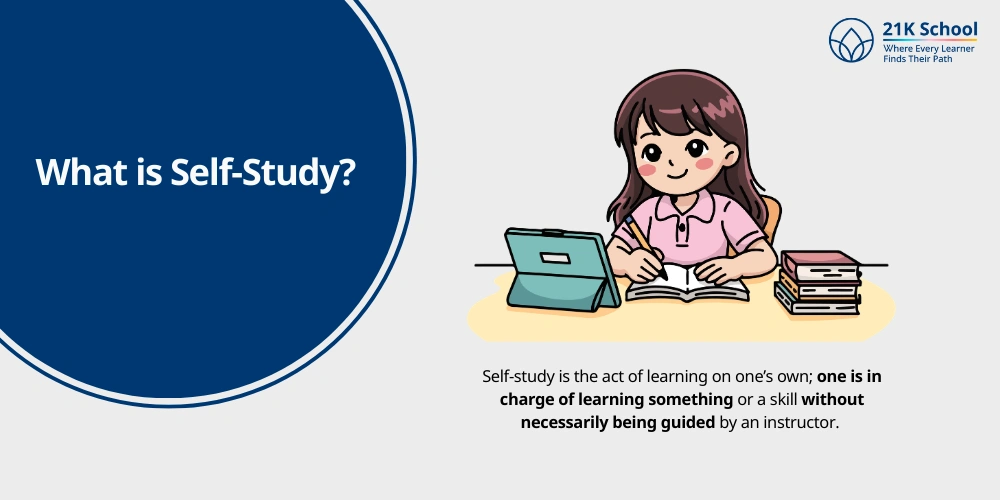
Self-study is the act of learning on one’s own; one is in charge of learning something or a skill without necessarily being guided by an instructor.
It includes the planning, organisation and management of self-directed learning , on materials such as books, online materials, or practice exercises.
The elements of self-study enhance the disciplines , critical thinking and self-motivation so that the learners work at their own pace and concentrate on areas that they require or like or the areas they may have an interest in. It is a skill that is necessary in lifelong learning and in academic achievement.
Importance of Self-Study
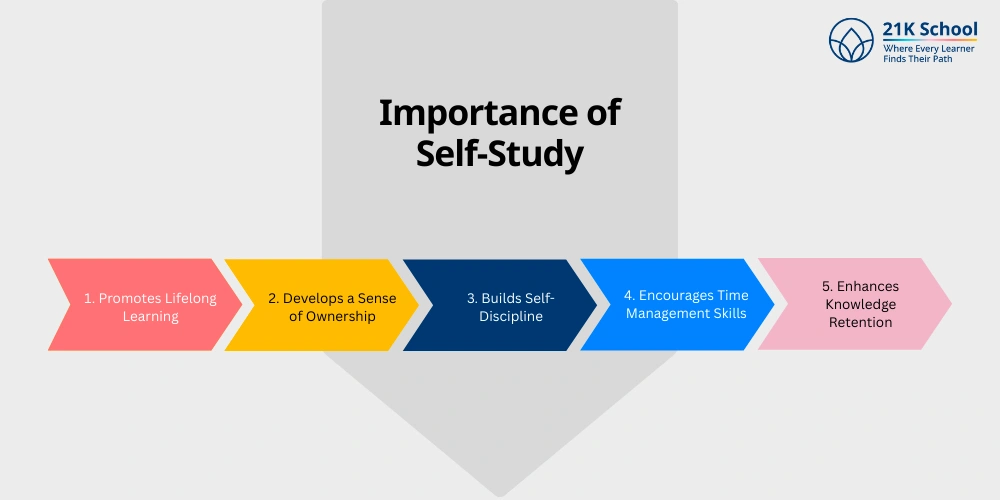
Self-study is important because it increases the independence capacity to think and solve problems since it encourages students to take charge of their learning process. It facilitates personalised learning , in addition to learning concepts more effectively with interactive learning. The significance of self-study is the following.
1. Promotes Lifelong Learning

Self-study teaches the art of life-long learning without education. It encourages students to be aware of new things, learn new things, and be interested in life.
It causes people to learn by themselves with self-paced learning since they will be capable of adapting to knowledge, technologies, and challenges, and education is a lasting and self-driven process.
2. Develops a Sense of Ownership
Self-study helps the learners to be responsible in their learning. The students increase responsibility towards their learning and the results by planning, organising and managing their learning.
This sense of ownership gives them the ability to make wise decisions, be motivated, take initiative and develop confidence and independence in both their academics and personal development .
3. Builds Self-Discipline
Self-study must be regular, and commitments made. Students get to know how to stick to a schedule, set goals to achieve and stay off distractions.
Independent study and learning on how to become self-disciplined enhances perseverance, concentration, time management , the core qualities of academic success, and a lifetime of personal and professional growth.
4. Encourages Time Management Skills
The self-study would encourage proper planning and prioritisation of activities among the learners. Students understand how to plan their time, devotion to each subject , breaks, and revision.
Effective time management skills enhance efficiency, lessen stress, and offer the learner the chance to grasp all concepts in detail and have a healthy study atmosphere.
5. Enhances Knowledge Retention
Studying on their own enables students to study at their own comfort and also to re-read concepts that they do not understand and interact with the material. This knowledge retention and concentration increase learning and memorisation.
The self-study will make sure that students learn more because they will be able to recall and know how to apply the knowledge to exams, projects and the real world.
6 Benefits of Self-Study
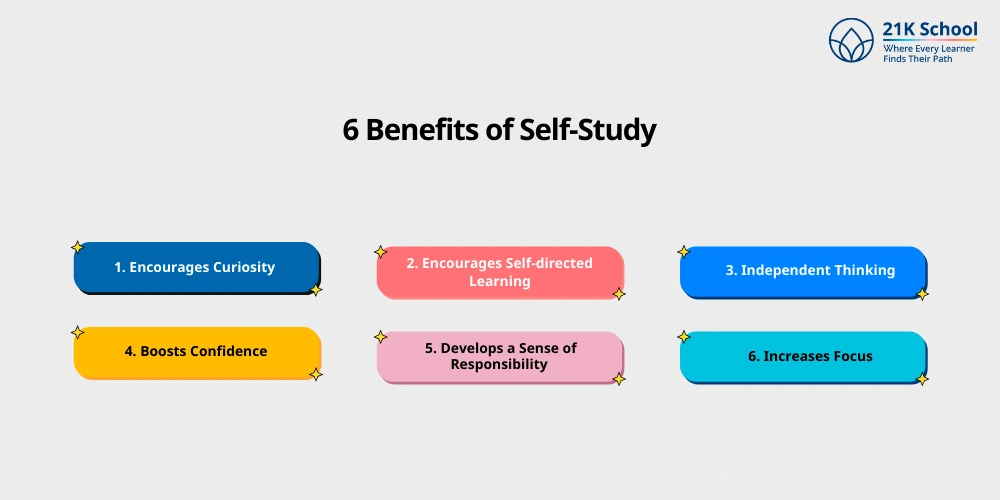
There are numerous advantages of self-study to learners because they are motivated to be independent and develop themselves. It can also help in developing critical thinking, discipline and concentration, as well as help a student to learn at his own slow pace. The benefits of self-study are listed below.
1. Encourages Curiosity

The self-study factor enables the learner to possess the ability to study his/her areas of personal interest outside the classroom. It is thought-provoking, research-provoking provoking and it will provoke you to learn more profound ideas.
Interest creates motivational emotions, and students do not learn passively but actively, and the learning process becomes interesting and more valuable.
2. Encourages Self-directed Learning
Self-regulated learning also enables students to learn at their own pace, where they reread difficult material and learn at their own speed. Such a high degree of flexibility reduces the strain, permits different learning styles and ensures higher comprehension.
Students are able to allocate more time to difficult areas as they take a shorter time on those they are familiar with.
3. Independent Thinking
Self-study enhances the self-analysis power, evaluation and making of conclusions independently. It promotes problem-solving and decision-making skills , which assist the learners in coming up with their original ideas and views.
Such independence enhances the reasoning skills and equips students to handle sophisticated academic and real-life situations.
4. Boosts Confidence
Independent learning would lead to the development of self-esteem in a student. The triumph of the issues through self-studying provides a feeling of triumph and provokes students to read more complicated issues.
Self-confidence due to the ability to master the subjects is sufficient to enhance attendance in group discussions , exams, and group projects.
5. Develops a Sense of Responsibility
Planning, time management and discipline are needed in self-study. Students are taught to be goal-oriented, deadline-conscious and responsible in their studies.
This responsibility becomes reflected in improved academic results and equips the learners with personal and professional responsibility in life.
6. Increases Focus
Studying alone will reduce distraction and enable one to focus on particular subjects or activities. Self-study promotes concentration and attention span, leading to better memory and comprehension.
Effective study habits acquired in this manner increase efficiency and effectiveness in college and work life as well.
How to do Self-Study- 5 Easy Ways
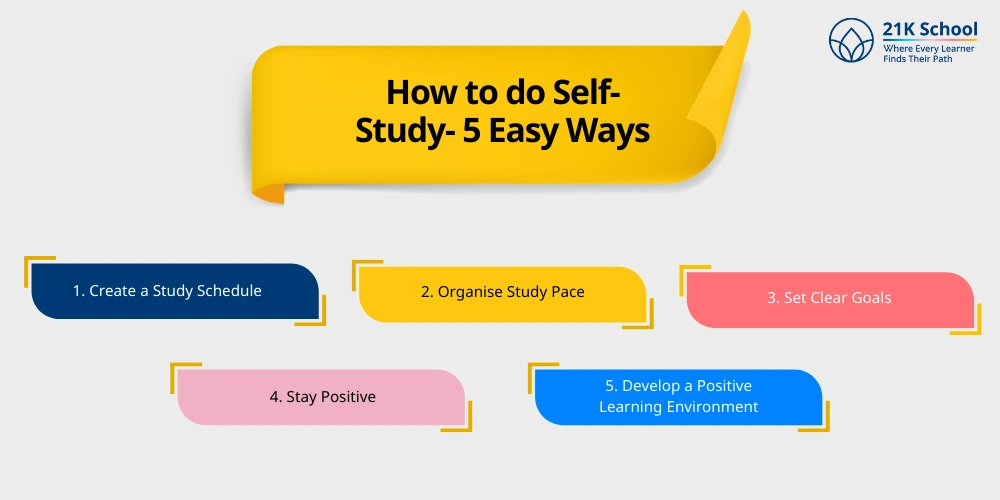
Students can learn on their own, possess a purpose, plan, and choose the correct materials. Active, take notes, summarise and self-test, take frequent breaks, and ensures physical and stduents mental health . This is how the students can be involved in self-study.
1. Create a Study Schedule
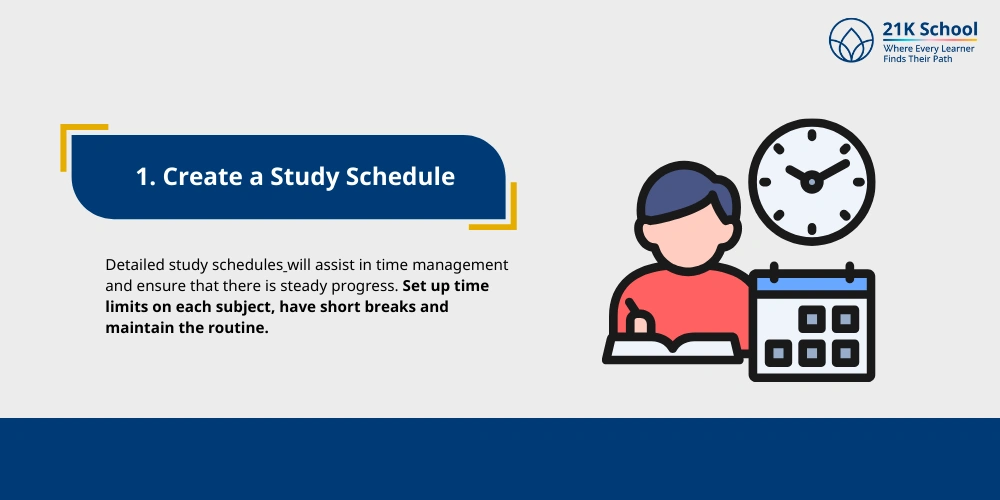
Detailed study schedules will assist in time management and ensure that there is steady progress. Set up time limits on each subject, have short breaks and maintain the routine.
A schedule lowers the level of procrastination, eliminates cramming at the last minute and enables even study to be organised, disciplined and productive.
2. Organise Study Pace
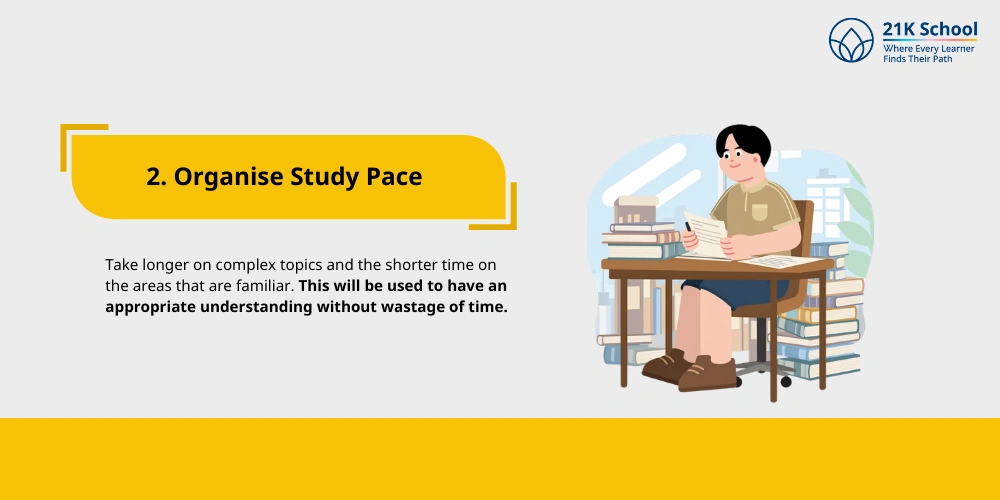
Change the learning pace in relation to topics. Take longer on complex topics and the shorter time on the areas that are familiar. This will be used to have an appropriate understanding without wastage of time.
Pace organisation eliminates frustrations, keeps the learner motivated and can work at a consistent pace so that they can cover the syllabus effectively and avoid knowledge wastage.
3. Set Clear Goals

Have specific objectives for each study or topic. A specific objective provides a feeling of focus, focus and measurable improvement. It made learning not discouraging since the huge tasks were subdivided into small and attainable sections.
The aim-setting renders it more inspiring, more geared towards enhancement and more ready to engage efforts in it always, so that self-study can be significant and fruitful.
4. Stay Positive
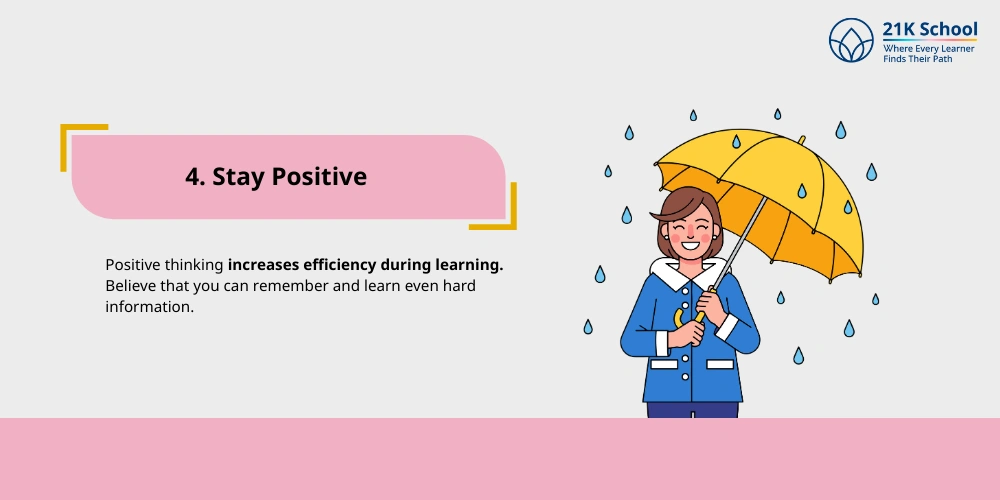
Positive thinking increases efficiency during learning. Believe that you can remember and learn even hard information. Do not doubt yourself, get stressed and frustrated and rejoice over minor success.
Positivity will enhance concentration, perseverance and confidence that will make the study sessions more productive and enjoyable, and help overcome challenges in the learning methods.
5. Develop a Positive Learning Environment
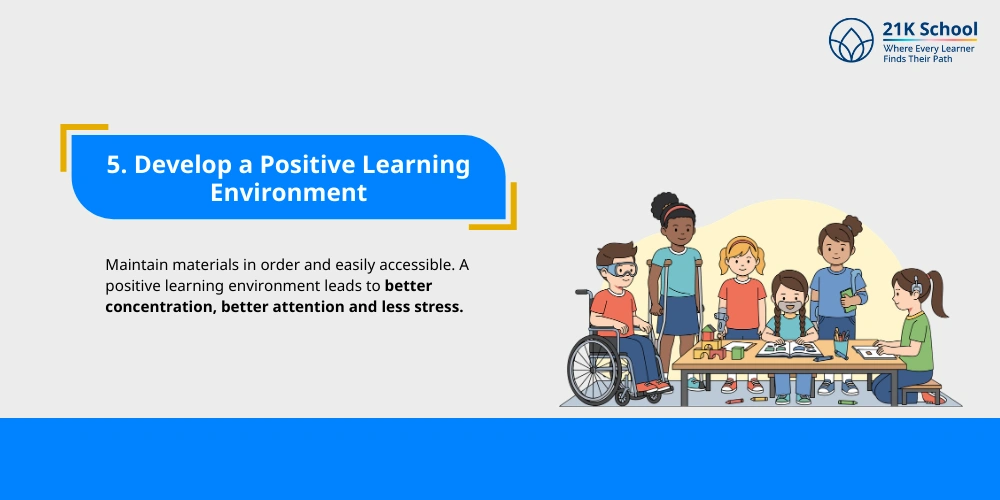
Select a good study environment of a well-lit, relaxed and noise-free place. Maintain materials in order and easily accessible. A positive learning environment leads to better concentration, better attention and less stress.
The pleasant and orderly environment in which the study will be conducted will encourage the learners to dedicate more time to effective study and will make the process of self-learning enjoyable.
Self-Study Time Table
Students need to have a well-designed self-study routine so that they can learn effectively and be time-conscious.
The students will be able to begin their day with a morning recap of the lessons before and have some study time on the tough subjects during the times of best concentration.
Each one has his or her own timetable of studying so that he or she can do self-study, and students are advised to make their own schedule of self-study according to their comfortable level and their study programmes.
Nevertheless, the following is a sample study schedule that the students may use to conduct self-study.
- 6.00 AM to 7.00 AM: Morning routine and light exercise.
- 7:00 AM to 8:00 AM: Breakfast and break
- 8:30 AM to 10:00 AM: Intensive study- challenging subject/topic.
- 10:00 AM to 10:30 AM: Short break
- 10.30 AM to 12 PM: Research on another topic or exercise.
- 12:00 PM to 2:00 PM: Lunch and rest
- 2:00 PM to 3:00 PM: Reading, taking notes, or problem-solving.
- 3:00 PM to 3:30 PM: Short break
- 3.30 PM to 5.00 PM: Revision, practice questions, or creative learning activities.
- 5.00 PM to 7.00 PM: Sports, games or a hobby.
- 7:00 PM to 8:00 PM: Revise some light or interesting topics.
- 8:00 PM to 9:00 PM: Dinner and Relax
- 9:00 PM to 10:00 PM: Finish revision, resolve doubts or prepare for the following day.
Final Thought
Self-study is an important approach in learning that enables students to have control over their own learning. It promotes independence and discipline, analytical, problem-solving techniques , and allows the learners to work at their own pace.
The self-study will help the students research their subjects in detail and retain what they are to know as they will develop curiosity, concentrate and be confident.
The self-studying habit not only enhances performance at school but also character growth of a person, and how people cope with the challenges of tomorrow effectively.
