


Do you know what the problems of primary education are?
When a child begins learning, primary education is the first point that should be considered, which is rather undermined by a range of issues that can most likely affect their performance.
The issues that are dominating are poor infrastructure, lack of qualified teachers, obsolete methods of teaching, insufficient learning materials, high number of students to teachers and high drop-out rates.
The problems impede the academic, social and emotional development of children. These issues need to be tackled first in order to receive a quality education, equal opportunities, and a feeling of solid footing in lifelong education.
Table of Contents
- What are the Problems of Primary Education: Top 14
- 1. Lack of Trained and Qualified Teachers
- 2. Inadequate School Infrastructure and Facilities
- 3. High Student-Teacher Ratio
- 4. Poor Quality of Teaching and Learning Materials
- 5. Low Student Attendance and High Dropout Rates
- 6. Lack of Parental Awareness and Involvement
- 7. Poverty and Economic Constraints
- 8. Language Barriers for Young Learners
- 9. Limited Access to Schools in Rural Areas
- 10. Poor Implementation of Educational Policies
- 11. Insufficient Funding for Primary Education
- 12. Overcrowded Classrooms
- 13. Lack of Use of Modern Teaching Methods
- 14. Inadequate Assessment and Evaluation Systems
- Remedies of Primary Education
- 1. Recruitment of Trained and Qualified Teachers
- 2. Regular Teacher Training and Professional Development Programs
- 3. Improvement of School Infrastructure and Basic Facilities
- 4. Reduction of the Student-Teacher Ratio
- 5. Provision of Quality Teaching and Learning Materials
- 6. Implementation of Modern and Activity-based Teaching Methods
- Conclusion
What are the Problems of Primary Education: Top 14
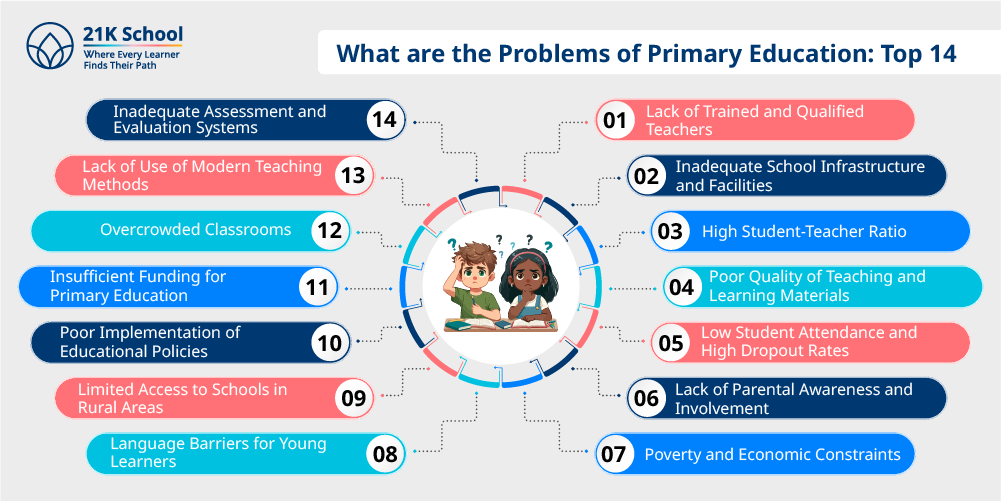
Primary education has a myriad of challenges that impact the standard and access of learning, growth of the students, and general educational performance in the global arena.
1. Lack of Trained and Qualified Teachers
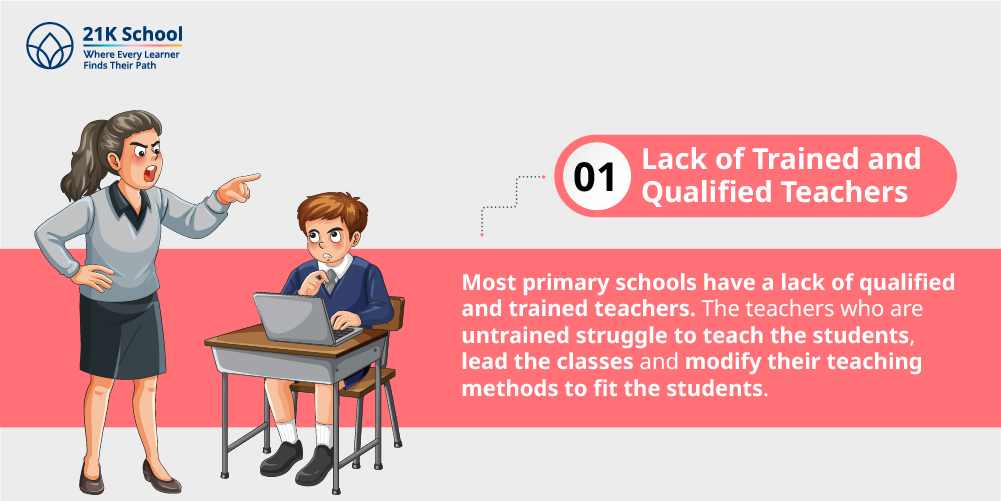
Most primary schools have a lack of qualified and trained teachers. The teachers who are untrained struggle to teach the students, lead the classes and modify their teaching methods to fit the students.
This compromises the quality of education, interaction with the children and their performance in school, leaving the children without a robust background towards their further study.
2. Inadequate School Infrastructure and Facilities
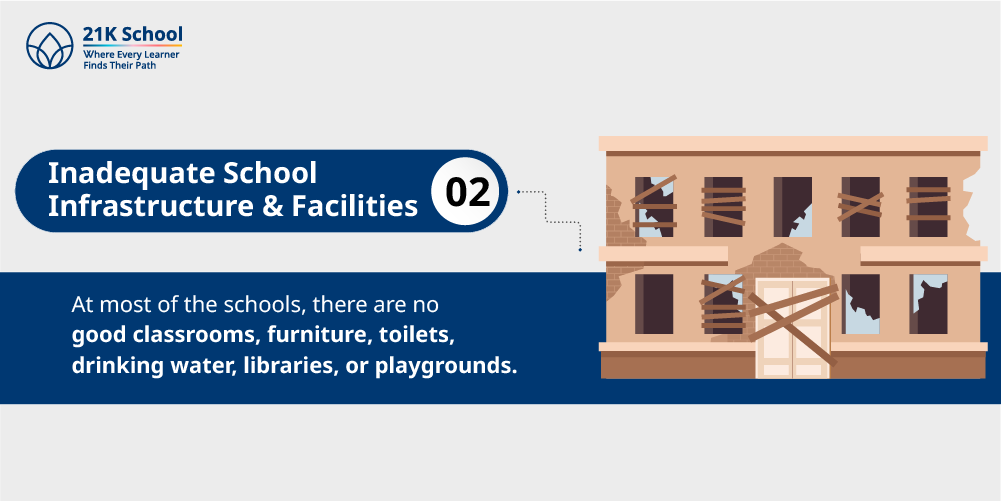
At most of the schools, there are no good classrooms, furniture, toilets, drinking water, libraries, or playgrounds. The infrastructural problem leads to a bad learning environment that influences the attendance, motivation and development in general.
Without the facilities required, students will not be able to maximise education; they will not be able to learn practically, and engage in fun learning as well as safe environments.
3. High Student-Teacher Ratio
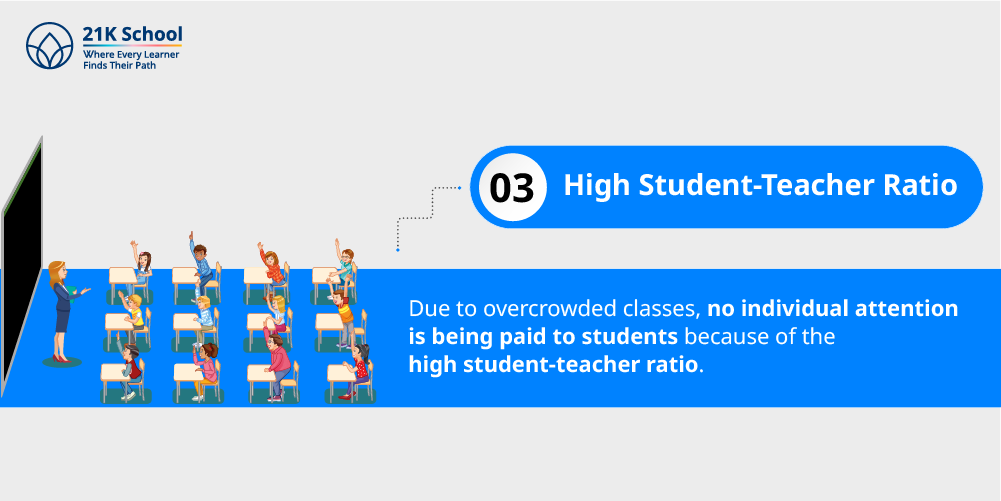
Due to overcrowded classes, no individual attention is being paid to students because of the high student-teacher ratio. Teachers are not able to appropriately respond to personalised learning needs, monitor progress and behaviour.
Learners might develop feelings of abandonment, poor performance and will not be interested in studying. High ratios have an adverse effect on the quality of teaching and decrease the overall efficiency in the classroom.
4. Poor Quality of Teaching and Learning Materials
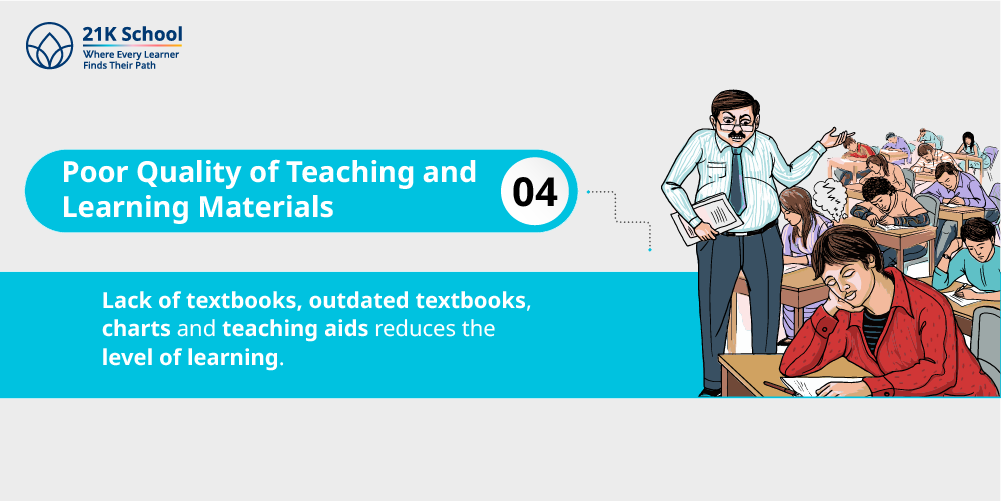
Lack of textbooks, outdated textbooks, charts and teaching aids reduces the level of learning. The problem of poor materials implies that the students have difficulties with mastering the concepts, and even teachers cannot conduct interesting and interactive lectures.
The poor performance in understanding, the urge to be learned, and the poor underlying abilities in primary school cancel the academic performance.
5. Low Student Attendance and High Dropout Rates
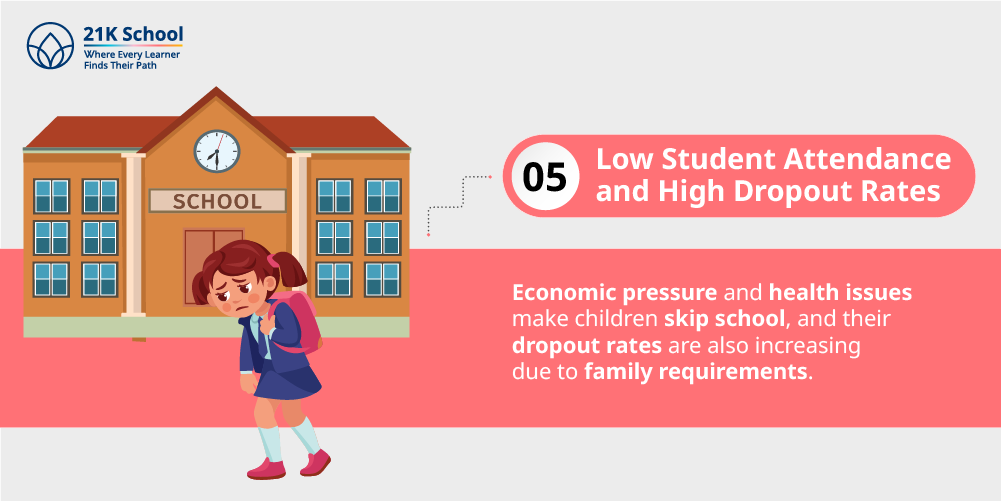
Economic pressure and health issues make children skip school, and their dropout rates are also increasing due to family requirements. Irregular attendance leads to the failure of the continuity of learning, lower levels of literacy and numeracy, and even a lack of holistic development.
A high rate of dropout is a setback to the completion of primary school education by the children, which reduces their prospects of further education and career and their social development.
6. Lack of Parental Awareness and Involvement
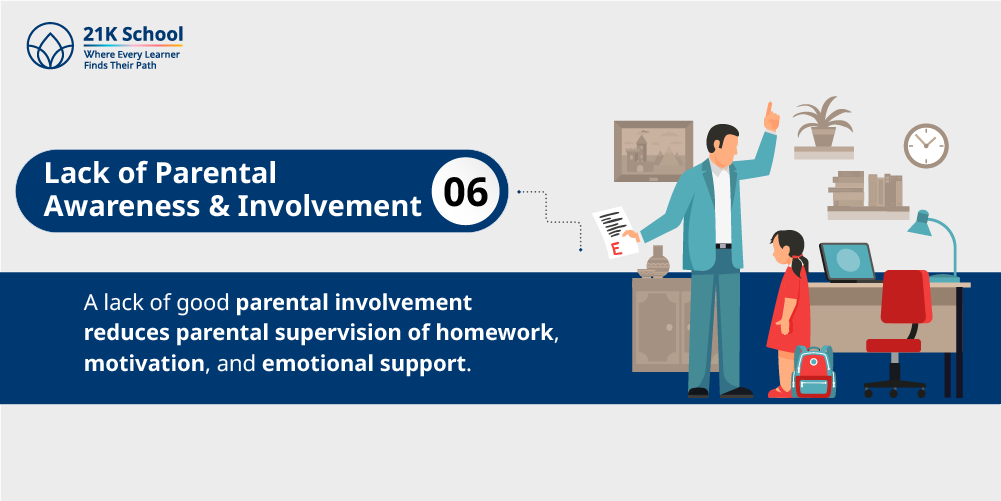
Many parents do not know the significance and necessity of primary education and the ways in which parents can support the learning process at home. A lack of good parental involvement reduces parental supervision of homework, motivation, and emotional support.
Parents may not be aware of the academic and social skills of children; that is why parental awareness programmes must be intensified to enhance interaction and facilitation in the process of early childhood education.
7. Poverty and Economic Constraints
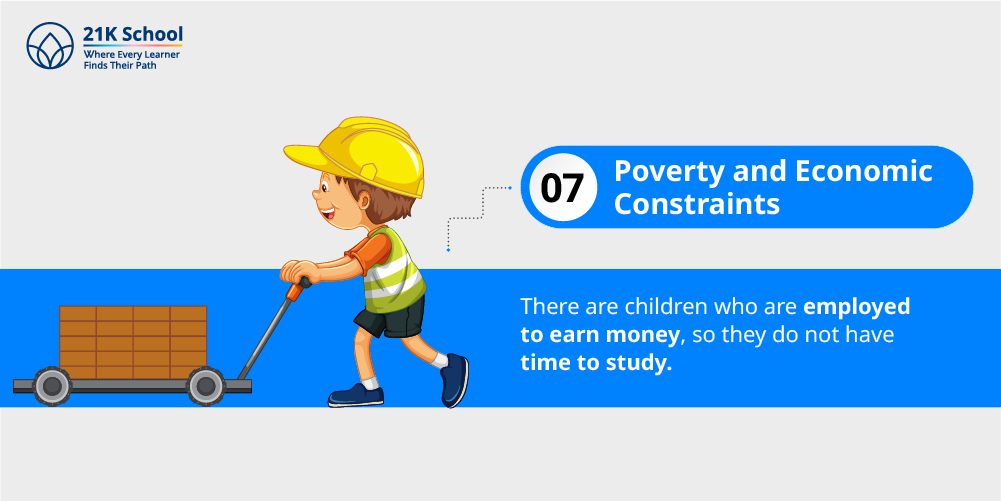
Financial crises do not allow children to attend school on a regular basis or have access to some of the necessary learning resources such as books, uniforms or stationery. There are children who are employed to earn money, so they do not have time to study.
Poverty denies equal opportunities to education, influences concentration, and predisposes people to drop out of school and is hence a big problem with regard to quality primary education among all.
8. Language Barriers for Young Learners
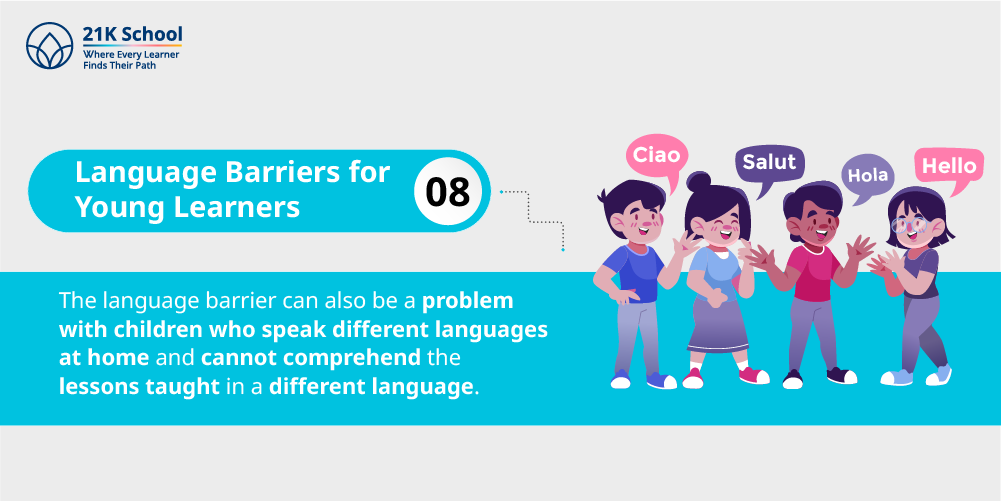
The language barrier can also be a problem with children who speak different languages at home and cannot comprehend the lessons taught in a different language. Language barriers are an impediment to understanding, student engagement, and trust in the classroom.
Possibly lacking other assistance, the students might encounter challenges with reading, writing, communication, and social integration, which influence the academic development of the student and interactions with peers.
9. Limited Access to Schools in Rural Areas
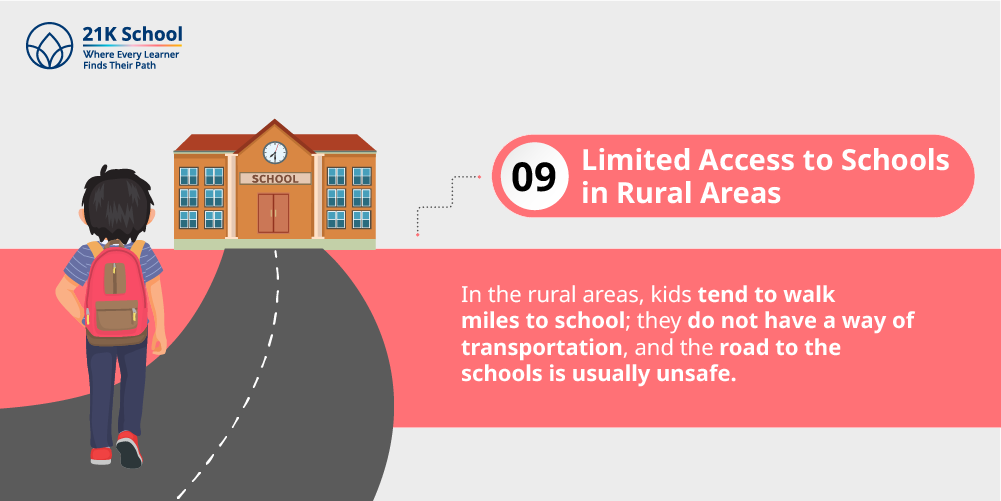
In the rural areas, kids tend to walk miles to school; they do not have a way of transportation, and the road to the schools is usually unsafe. It has lower accessibility, lower enrolment, and irregular attendance.
Such barriers lead to a gap in education in the rural areas, which are less literate and numerate, and lacking in developmental advantage, compared to students in urban areas.
10. Poor Implementation of Educational Policies
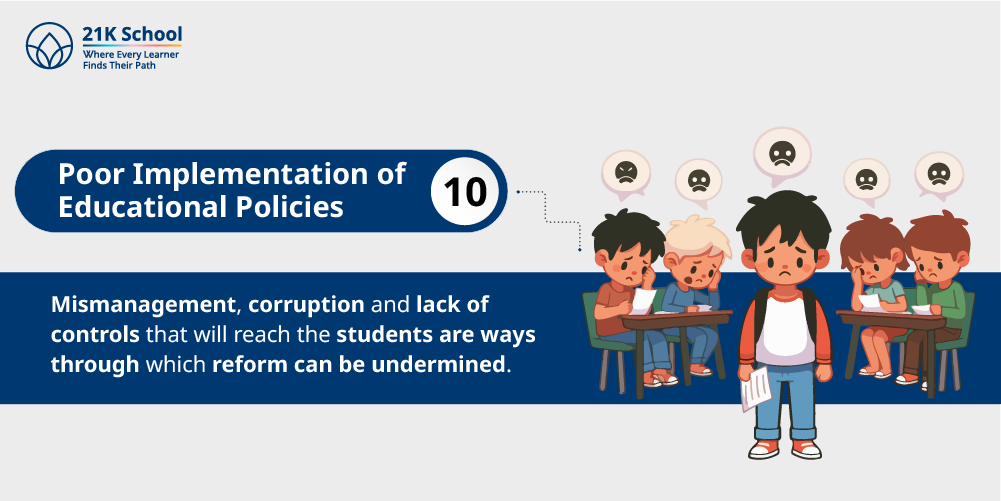
The presence of powerful policies might not effectively translate to the implementation of the policies at the level of schools. Mismanagement, corruption and lack of controls that will reach the students are ways through which reform can be undermined.
Policies aimed at improving infrastructure, teacher quality, and learning resources might not succeed as much in imposing a favourable change in student performance, learning outcomes, and quality of education in general.
11. Insufficient Funding for Primary Education
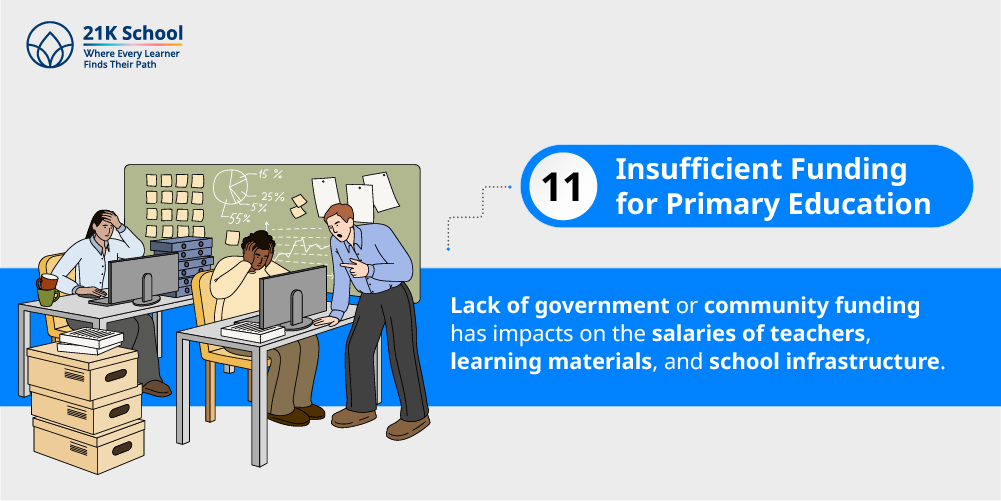
Lack of government or community funding has impacts on the salaries of teachers, learning materials, and school infrastructure. Lack of sufficient funds does not help the schools offer good education, develop new facilities and even sustain the available ones.
Lack of funding means less access to the tools required, fewer extracurricular activities, and fewer improvements that can be needed to make the learning environment safe and effective.
12. Overcrowded Classrooms
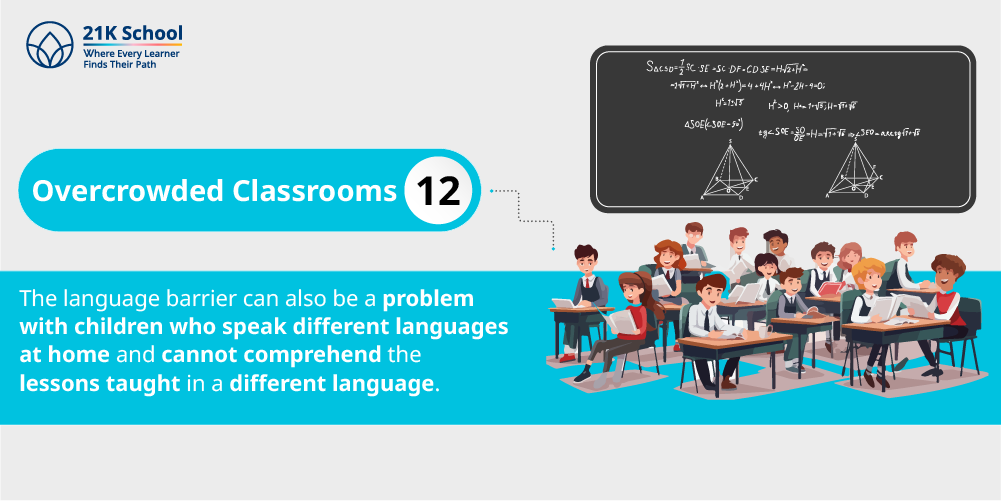
The schools are largely overcrowded, and their classes are larger than the accepted limit. The high number of learners in the classes decreases the interaction between teachers and learners, alters the delivery of the lessons correctly, and complicates the control of the classroom.
The students will feel disregarded or uninterested, and it will lead to poor academic performance, behavioural problems and overall deterioration in the primary education standards.
13. Lack of Use of Modern Teaching Methods
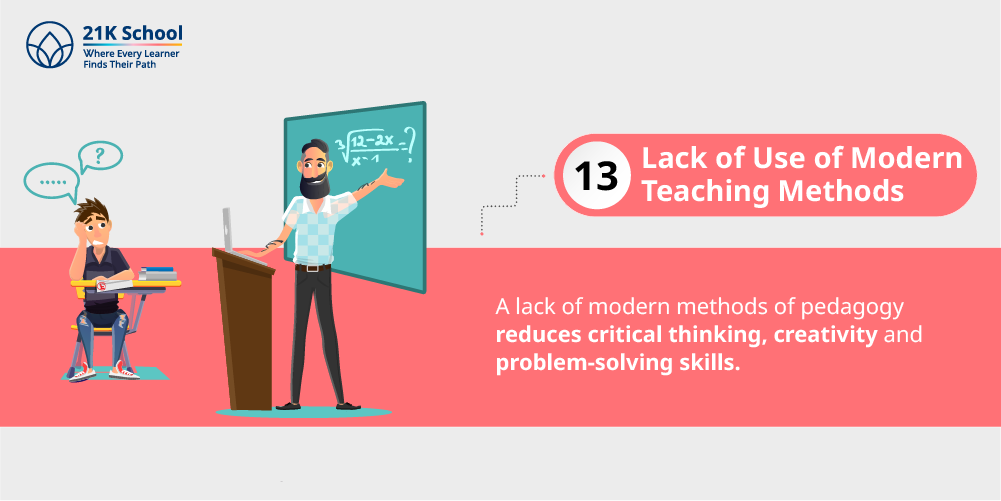
Some primary schools rely on rote learning and traditional usage-based methods, and this implies that the interactive or activity-based learning is limited. A lack of modern methods of pedagogy reduces critical thinking, creativity and problem-solving skills.
Students fail to attain practical knowledge and enthusiasm in studying, which translates to further academic success and school dropout.
14. Inadequate Assessment and Evaluation Systems
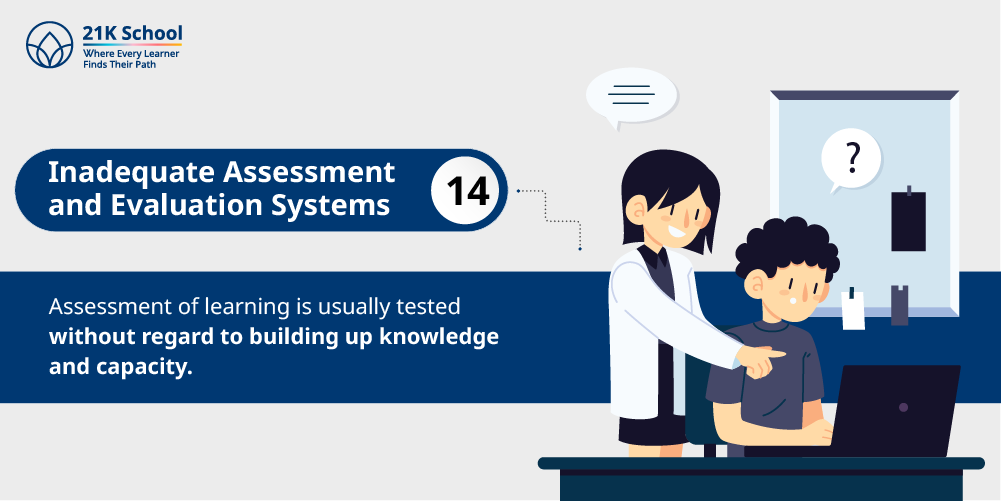
Assessment of learning is usually tested without regard to building up knowledge and capacity. The poor assessment will not help to analyse the gaps in learning or monitor the student developments accordingly.
They also cannot help promptly without adequate assessment and evaluation of teachers, and the underachieving students will be left behind, which will reduce the output of the process of learning and impact the opportunities to continue their education.
Remedies of Primary Education
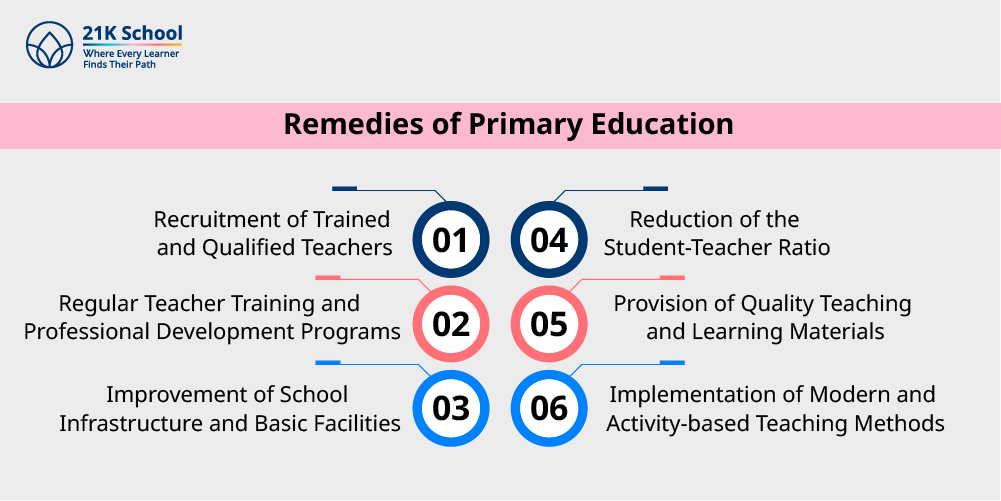
The remedies of primary education focus on the quality, access, instruction, infrastructure and the general outcomes of the education of the students.
1. Recruitment of Trained and Qualified Teachers

Hiring competent teachers who will be able to not only assist in successful classroom teaching but also enhance better learning results. The experienced educators are conversant with child psychology, methods of teaching and classroom management.
Their acquaintance ensures that they can meet various requirements of the students, raise the level of engagement, and enhance their basic abilities.
2. Regular Teacher Training and Professional Development Programs
Continued education of teachers also puts them abreast of the current changes in teaching methods, curriculum, and technology in the classrooms. The activities of professional development improve the ability to teach, methods of evaluation and approaches to working with students.
Frequent workshops and refresher courses enable a teacher to keep pace with the changing needs in the instructional process, and this will guarantee quality teaching and improved academic performance amongst students in the primary school.
3. Improvement of School Infrastructure and Basic Facilities
This is done by the provision of proper classrooms, furniture, clean drinking water, sanitation facilities, libraries and playgrounds to provide a positive learning environment. Sufficient infrastructure improves attendance, security and motivation among students.
Good and well-kept facilities facilitate the academic activities, as well as the extracurricular activities, which are part of the holistic development of the child and enhance the effectiveness of primary education in general.
4. Reduction of the Student-Teacher Ratio
The lowering of student to teacher ratio helps the teachers to give personal attention to the students. The small sizes of classroom maximise classroom management, classroom involvement and personal instructions.
Such teachers are able to know the problems in learning early enough and help them accordingly. Less congestion leads to greater productivity of learning, student involvement and student achievement at the primary schools.
5. Provision of Quality Teaching and Learning Materials
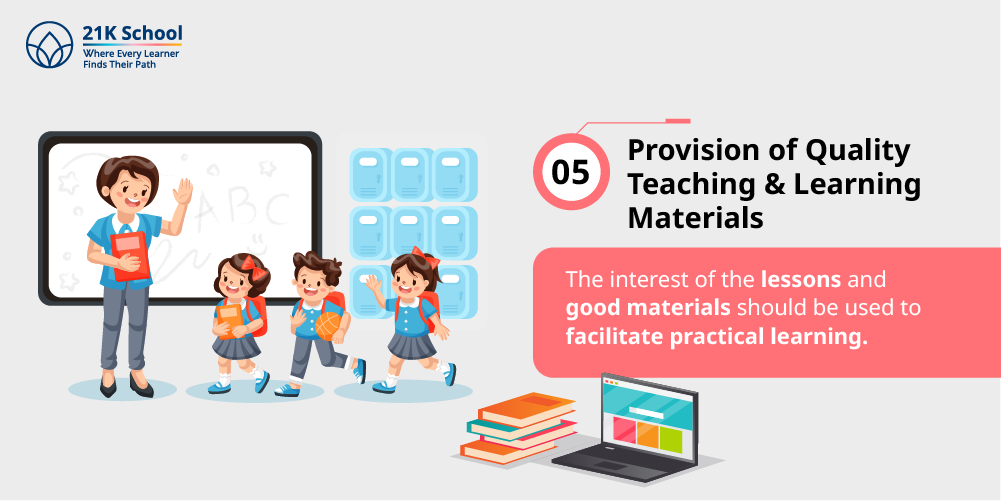
These new textbooks, visuals, digital materials and interactive tools enhance the learning methods and learning desire. The interest of the lessons and good materials should be used to facilitate practical learning.
Sufficiently available resources may assist the teachers in elaborating and facilitating the skill of critical thinking, which will elevate the knowledge and the ability of the students in primary school education.
6. Implementation of Modern and Activity-based Teaching Methods
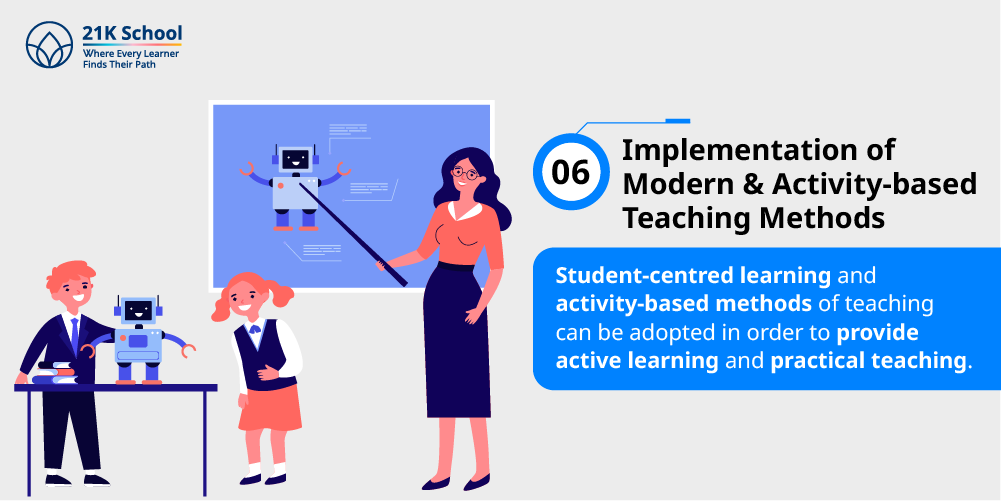
Student-centred learning and activity-based methods of teaching can be adopted in order to provide active learning and practical teaching. Some of the methods, which facilitate creativity and critical thinking, include group work, project work, storytelling, and the incorporation of technology in education.
Current techniques are not about memorisation, but assist students to master their concepts in a deeper manner and be able to apply the knowledge in real-life scenarios.
Conclusion
Primary education is the basis of learning and development of a child, but it is highly challenged by issues that hamper its efficiency.
Such problems as low-qualified teachers, poor facilities, large student-teacher ratios, outmoded teaching procedures, and scarce resources influence academic, social, and emotional developments.
In order to solve such problems in policy, teacher education, parental education and appropriate funding, it is necessary to make sure that the education is of quality, inclusive and equitable to every child, which will consequently prepare them with lifelong learning and success.
