

Do you know why gender equality matters in education?
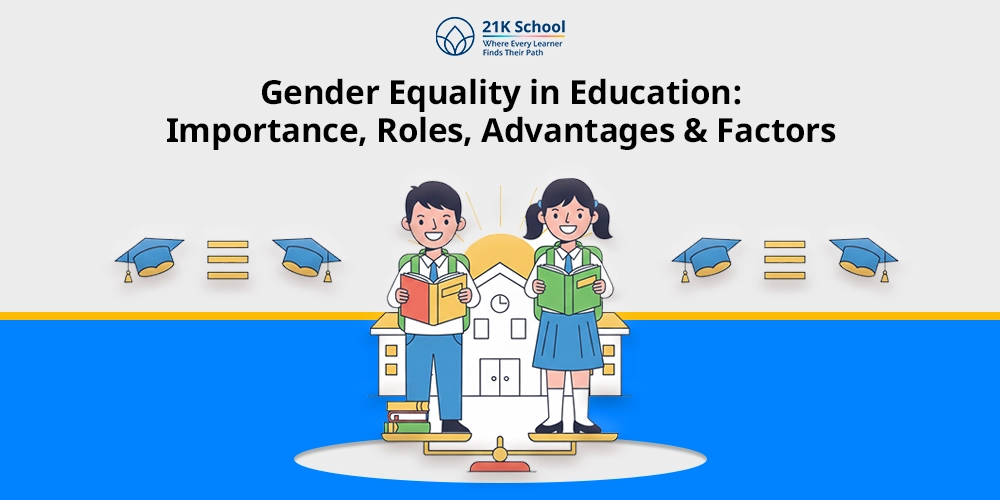
Gender equality in education makes sure that there are equal opportunities, resources, and a conducive learning environment for all learners, irrespective of their gender. It eliminates obstacles that inhibit academic development, enrollment and career selection in the future.
Gender equality is beneficial to bring a just and inclusive classroom environment where all students are able to gain confidence, flourish and become productive and effective members of society.
Table of Contents
What is Gender Equality in Education?
Gender equality in education refers to the delivery of equal learning opportunities, rights and treatment to students irrespective of gender. It also guarantees equal access to quality education,, resources, participation, and support to boys, girls and gender-diverse learners.
This involves the removal of gender based discrimination, stereotypes, and bias during classroom sessions and curriculum.
Educational equality provides both males and females with a chance to achieve their potential and promote equality, inclusivity, and equity in education and professional life.
Importance of Gender Equality in Education
Educational gender equality is a significant dimension which is necessary in making learning environments impartial and accommodating to enable all students to perform well.
It grants equal opportunities, fosters personal development and facilitates social and economic development. The following are the importance of gender equality in education.
1. Provides Equal Learning Opportunities
Equal access to quality learning, resources, and opportunities to all students, irrespective of their gender, is a result of gender equality in education.
It enhances the concept of equity in the classroom and gives all children an opportunity to acquire skills, knowledge, and confidence. Equal learning opportunities allow students to choose their passions and achieve their potential.
2. Reduces Poverty
As the girls and boys get equal education, the families and societies also gain economically. Educated people have access to increased employment opportunities, high incomes, and enhance the living standard of their families.
Specifically, educating girls would make a significant impact on alleviating poverty (UNESCO) since they would be able to enjoy better health, financial security, and economic development of the entire community.
3. Better Societies
Educational equality between the genders helps in building more equal, respectful and inclusive societies. From a young age, the students learn how to be fair, cooperative, and respect each other.
It limits gender stereotypes and discrimination, which have led to communities where both men and women can equally participate. Well-informed citizens make a positive contribution to social harmony, peace and the general national development.
4. Empowerment
Education makes people influential since it provides them with knowledge, confidence and power to make wise decisions.
Gender equality means that both girls and boys have equal access to opportunities to become leaders, to be active in society and to form their destiny. Empowered people are freer, competent, and willing to fight inequalities in their personal and professional lives.
5. Increases National Prosperity
The more gender equality is encouraged in education, the more a country will have a better workforce (Sustainable Development Goals). When the role of both men and women in the way of input in economic activities is equal, productivity will rise, and the process of innovation will flourish.
Equal education results in an increase in the rate of employment, the development of strong economies, and the long-term development of countries, which makes gender equality the key to the prosperity of any country in the long term.
6. Increase Literacy Rate
Gender equality also guarantees the ability of both boys and girls to attend school, decreasing gender disparities in literacy (UNESCO). Literacy levels within a country will improve tremendously when more children, and more particularly girls, are educated.
Increased literacy leads to increased health, improved families and more efficient societies. An educated citizenry also helps in making informed decisions, and it leads to increased social and economic stability.
7. Better Future
Gender-equal education secures a better future for both people and countries, aligning with the vision of modern education systems. Children who are educated become responsible adults who can contribute to society.
Communities in cases where both genders are educated are enjoying economic growth, social peace, and better living. Gender equality means that the future generation will live in a world of opportunities, respect, and equal rights.
Role of Education in Gender Equality
Education is a strong tool for facilitating gender equality through attitudes, stereotypes, and offering gender equality in opportunities to all learners. Here is the role of education in gender equality.
1. Equal Empowerment
Education is instrumental in the empowerment of every gender as far as it offers equality in the learning method, growth and gaining confidence.
By offering equal education to both boys and girls, they will have access to skills and knowledge to make personal choices, break the cycle of inequality, and follow their careers. Equal empowerment in the form of education creates a fairer and equalised society.
2. Enhance Awareness
Education would enlighten students to be more gender rights, gender equality, and the harm of discrimination. At school, they are taught such values as respect, equity, and inclusivity, allowing students to recognise and debunk gender stereotypes.
This consciousness would influence the youths to become positive-minded and enhance gender equality in their households, societies, and workplaces.
3. Better Community
Through education, there is the creation of a society that teaches people the value of treating and respecting people of all sexes. Students with education will be more inclined to inclusive practices, less gender-based prejudices, and more willing to foster harmony.
Once communities pay attention to gender equality by educating them, there is a lower level, better social interactions, and enhanced collaborative learning among the members.
4. Skill Development
Education access will make both boys and girls obtain much-needed skills, academic, professional and social skills. Through education, students are prepared with critical thinking, communication, problem-solving and leadership problems, which make them a full member of society.
The ability acquisition improves the prospects of both genders in the future, boosting the economy and equal representation in most areas.
Advantages of Gender Equality in Education
The benefits of gender equality in education are many, and the impact on the students, the school and society is positive.
It fosters equity, self-esteem, and sustainability through granting equality and equal opportunities to learners. The following are the advantages of gender equality in education.
1. Breaks Stereotypes
Gender equality in education is relevant in that it challenges and breaks traditional stereotypes, an advantage also seen in co-education settings, about what boys and girls can or cannot do. Schools foster open-minded thinking by encouraging all to participate equally in subjects, activities and in leadership.
This helps the students to express their interests without inhibition, as they build confidence without being constrained by gender stereotypes that were once prevalent.
2. Better Health Awareness
Provided with equal access to education, every student obtains all the necessary information regarding hygiene, nutrition, mental health, and personal well-being. Education about reproductive health and safety is helpful to girls, particularly.
Improved health awareness will result in a healthy living and well-being of the population and the community in the long run.
3. Reduce Harmful Practices
Gender-equal education leads to minimisation of dangerous cultural practices like early marriage, discrimination, and gender-based violence.
By having an educated child, they are more conscious of their rights, and they can more easily voice against injustice. Societies with the same education levels tend to be less prone to vicious customs and much more respectful towards everyone.
4. Reduce Disengagement
Gender-balanced settings will leave students at the edge of their seats. Following equal opportunities to participate and treatment based on fair treatment, boys and girls feel valued and included.
This reduces the cases of dropout, absenteeism and negligence in the classes, leading to enhanced learning results and emotional intelligence.
5. Equal Opportunities
Gender equality implies that both the girls and the boys are given equal opportunities to study, grow and fulfil their aspirations. It provides career opportunities, modern education, and leadership and helps students to live successful lives.
Equal opportunities will result in balanced representation in the society and subsequent economic and social growth in the long-run.
Factors Affecting Gender Equality in Education
There are still various hurdles that restrict access to equal education for both sexes. These constitute factors such as poverty and cultural practices, poor infrastructure and early marriage, among others, which pose obstacles to many students, particularly girls, to be able to accomplish their studies. The following are the factors affecting gender equality in education.
1. Poverty
Poverty is one of the biggest obstacles facing gender equality in education. The less wealthy households are likely to educate boys more than girls because it is believed to have a higher payoff.
It has many girls who are kept at home to help with the housework or younger kids. School fees, uniforms and transport become a barrier to equal access to the learning process due to the scarcity of money.
2. Cultural and Social Barriers
Cultural practices and stereotypes on girls deny them educational opportunities, due to their deeply rooted cultural practices. Family-related values like boys are required to do education, whereas girls are supposed to look after the home and this makes families not admit their daughters to school.
The girls are not equally allowed by the social expectation and discrimination and traditional gender roles, and this is what takes away their confidence and enhances their dropout rates.
3. Lack of Hygiene and Cleanliness
Schools that lack toilets, sanitation systems, and hygiene items create unhealthy and ineffective conditions especially for the girls.
Without sanitation, many girls will skip school during their menstrual periods or even drop out of school. The girls require clean and private facilities in order that they feel safe, confident and can also go to school regularly.
4. Poor Infrastructure
Poor school facilities, like unsafe structures, inadequate classrooms, electricity and long distances of travelling, deter attendance. This affects girls especially when they have to travel long distances to school or to insecure schools.
Lack of infrastructure lowers the standards of learning and does not allow the students and girls in particular to attain the same educational opportunities.
5. Early Marriage
Getting married off the girls subjects them to early school dropouts, which reduces the number of years of education and their opportunities in future.
Girls are placed under a domestic burden, early pregnancy and limited movements once they are married, and it is almost impossible to further their studies. Childhood marriage disrupts education and increases the disparity in education between men and women.
Ways to Promote Gender Equality in Education
Education enhancing gender equality is the joint action of schools, families, and communities.
We can fight the barriers by offering supportive and positive learning environments, providing awareness and knowledge of equal opportunities, and creating an inclusive learning environment with all students. Here are the ways to promote gender equality in education.
1. Creating an Inclusive Learning Environment
The development of an inclusive learning environment puts all students in a situation where they feel respected, valued, and supported, irrespective of gender.
This is achieved through the employment of gender-neutral language, the lack of stereotypes, the promotion of equal contribution, and the provision of safe areas to all learners. The teachers contribute to the need to achieve fairness, empathy, and the establishment of classrooms in which all have equal chances to succeed.
2. Equal Education Awareness
Creating awareness on the necessity of having gender equality aids communities, parents and students to comprehend the significance of having equal education. Awareness campaigns outline the benefits of education for both genders in the long term and question the detrimental standards.
Knowledge that promotes equal learning opportunities between boys and girls could be diffused in schools, campaigns, and workshops, whereby families are advised to support them.
3. Community and Parental Engagement
Families and communities should be involved in enhancing gender equality. When parents recognise the importance of education for all children, then chances are that they will encourage regular school attendance.
Stereotypes can be shattered through community programmes, meetings, and awareness drives, and the education of the girls is encouraged and even a friendly atmosphere is created where equality is the main priority as far as learning is concerned.
4. Proper Infrastructure and Resources
Education should be equally available; this is achieved by the provision of safe, clean and well-equipped school facilities. There should be sufficient classes, safe structures, clean restrooms, particularly for the girls, transport, and educational resources.
The right infrastructure will make all students at ease and secure so that they do not have any hindrance to attend school or even stay in school.
5. Equal Participation
Having boys and girls equally engaging in classroom activities, sports, leadership, as well as extracurricular activities, will create confidence and help to promote fairness.
The educators may do this through providing all students with a voice, promoting different talents, and addressing gender bias. Equality in participation makes students gain the necessary life skills and inculcate a culture of inclusiveness.
Conclusion
Educational equality between the genders should be a fundamental requirement in the creation of a just, progressive and inclusive society.
When the learners, irrespective of gender, are given equal opportunities, they develop the confidence, skills and knowledge needed for holistic development to mould their future.
Through the goal of removing poverty, cultural norms, and poor infrastructures, as well as advocating inclusion-based practices, schools and communities can collaborate in order to facilitate learning conditions.

You may also want to read